Best App for Plant Care (2024): Top Free Options for Identification, Care Reminders, and Health Diagnostics
Find the best app for plant care in 2024, including fully free tools for plant identification, custom care reminders, and plant health troubleshooting for beginners.
The best app for plant care will match your specific growing needs, whether you want to identify wild species on hikes, get personalized care reminders for your houseplant collection, or diagnose sick foliage. Fully free options like Sproutly, PlantNet, and Seek by iNaturalist offer core tools with no paywall, while freemium options have limited free quotas or feature gates.
What Plant Care Apps Do (And How Free Options Stack Up)
A standard app for plant care is designed to streamline every step of plant ownership, from identifying unknown species to troubleshooting health issues and scheduling routine care. Fully free and freemium plant care apps free of mandatory subscriptions often cover the majority of these core features, though premium tiers may add niche tools like custom garden planning or direct horticulturist support for advanced users. The best app for plant care will typically offer most of these core tools for free, with paid perks reserved for power users.
At their most basic, all plant care apps perform at least one of three core functions:
- Identify unknown plants from photos of leaves, flowers, or stems
- Send customized reminders for watering, fertilizing, repotting, and pruning
- Diagnose common health problems from photos of damaged foliage
Free plant care apps typically offer all three of these features either fully unlocked, or with reasonable quotas for casual users. Premium tiers usually add non-essential perks like ad-free interfaces, unlimited photo storage, or access to exclusive user forums. For most beginners, a free tier will cover 100% of their routine care needs.
How to Choose the Right App for Plant Care for Your Collection
Choosing an app for plant care starts with matching its feature set to your collection size, growing environment, and most frequent tasks, so you avoid paying for tools you will never use. Most casual and beginner users only need three core features: accurate photo identification, adjustable care reminders, and basic health diagnostics, all of which are available for free on top platforms. If you have a large outdoor garden or rare collection, you may prioritize extra tools like weather-synced scheduling or advanced cultivar support.
To narrow down your options quickly, answer these three questions first:
- What is your primary use case? If you only grow 2–10 common houseplants, an all-in-one tool like Sproutly covers all core needs. If you hike regularly and identify wild plants, a specialized identifier like PlantNet is a better fit. If you already know all your plant names and only need reminders, Planta’s free tier works perfectly.
- Do you need outdoor garden features? For outdoor growers, look for tools with weather-synced watering reminders, seasonal planting guides, and even event alerts for tasks like 4th of July garden prep to get your beds ready for summer gatherings.
- Can you accept usage quotas or paywalls? If you want unlimited access to all core features with no paywall, stick to fully free options. If you only use identification occasionally, a freemium tool with a monthly quota may work for you with no cost.
Once you have a shortlist, test the app for 10 minutes before relying on it: take a photo of a common plant you own, check its recommended care schedule against a trusted source like our arrowhead plant care guide, and test a blurry photo to see if the app admits uncertainty instead of giving a confident wrong answer.
Best Free Plant Apps for Casual and Beginner Users
The best free plant apps are sorted by use case to help casual and beginner users pick the right tool without testing dozens of options, with all listings verified as of 2024. All tools on this list have no mandatory paywall for core features, with paid upgrades only for non-essential advanced perks. Many top options also have strong user ratings and some hold Editors’ Choice awards from major app stores, a marker of consistent performance and positive user feedback.
Top Picks by Use Case
- Best all-in-one for beginners: Sproutly. Fully free photo identification, personalized care reminders, disease diagnosis, and a 4,000+ plant encyclopedia, with no paywall for core features. It generates care plans tailored to your specific environment, so you’ll get a snake plant care schedule that accounts for your low-light apartment instead of a generic one-size-fits-all guide, plus aloe vera care tips for your sunny windowsill plant. It also includes free features like weather-synced watering reminders and seasonal event alerts for 4th of July garden prep or fall planting, no upgrade required.
- Best for wild plant identification: PlantNet. Fully free, non-profit, and built for citizen science, with a database optimized for wildflowers, weeds, and native species. It has no paywall at all, and unlimited identifications with no quota. It pairs well with our Weed Identification App: How to Tell Harmful Weeds Apart From Desired Yard Plant guide for accurate outdoor garden management.
- Best for offline use on hikes: Seek by iNaturalist. Fully free, no account required, and works offline to identify plants, fungi, and insects on the trail. It’s ideal for privacy-conscious users, as it does not store your photos unless you choose to submit them to the citizen science database.
- Best for care reminders only: Planta. Free tier includes fully customizable watering and care schedules for plants you add manually, with no subscription required for core reminder functionality. It also offers weather-synced watering adjustments for free, plus optional community events like “Grow Your Rainbow” challenges to help users curate colorful houseplant collections. Photo identification and advanced diagnosis are locked behind a paid tier as of this writing.
- Best for casual identification: LeafSnap. Free tier includes 10 free identifications per month, plus basic care information for species you identify. It’s a good fit for users who only need to name a couple of unknown plants per year, rather than regular use. The paid tier unlocks unlimited identifications and advanced diagnostics for users who need expanded functionality.
- Best for visual plant tracking: Vera. Fully free with no paywall, Vera lets you log plant growth with photos, set custom care reminders, and organize your plant collection by room. It does not include built-in identification, so you’ll need to enter plant names manually or pair it with a separate identifier tool like Sproutly.
Below is a side-by-side comparison to break down free features, paywall details, and best use cases at a glance:
| App | Free without subscription | Where the paywall is | Best fit |
|---|---|---|---|
| Sproutly | Photo identification, AI care advice, disease diagnosis, full 4,000+ plant encyclopedia, weather-synced reminders, seasonal event alerts — on the web and iOS app | Optional paid tier; core features stay free | Beginners who want ID and care in one place |
| PlantNet | Unlimited identification, fully free, non-profit | None — there is no paid tier | Wildflowers, weeds, citizen science |
| Seek by iNaturalist | Offline identification of plants, fungi, insects; no account needed | None — fully free | Hikes, kids, privacy-conscious users |
| Planta | Watering reminders, weather-synced care adjustments, and care schedules for plants you add manually | Photo identification and advanced diagnosis are premium (as of this writing) | People who already know their plants' names |
| LeafSnap | 10 identifications per month, basic care guides | Unlimited ID and personalized care plans are premium features | Occasional "what is this?" moments |
| Vera | Custom care reminders, photo growth tracking, collection organization | None — fully free | Users who want to log plant progress and already know species names |
Notice the split: the fully-free apps (PlantNet, Seek, Vera) are often built for a single purpose — identification or tracking — while all-in-one tools typically have either a limited free quota or feature gates. Sproutly is the only fully free all-in-one option, as identification, diagnosis, care advice, and weather-synced features all sit in the free tier with no paywall.
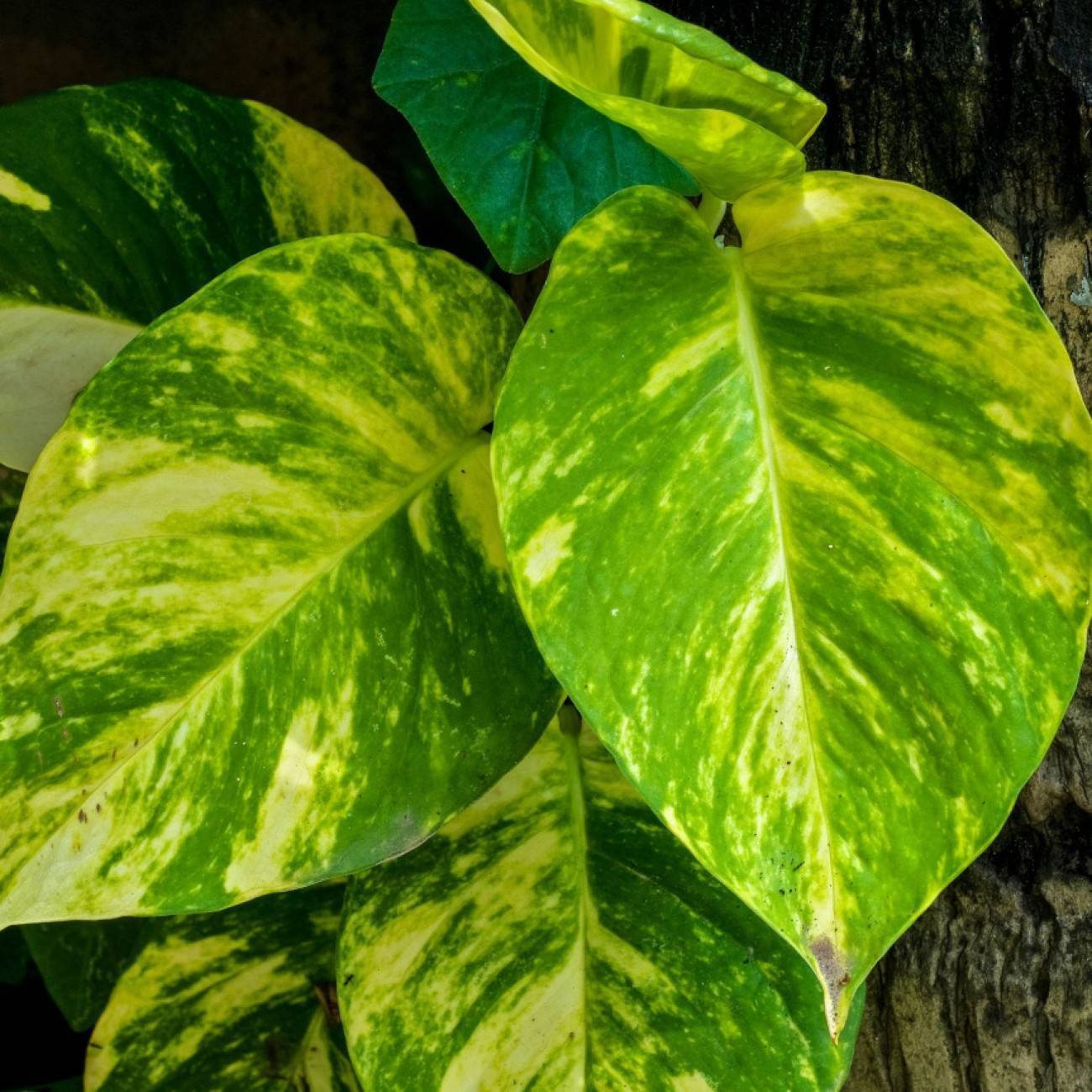
As part of our real-world accuracy test, we ran photos of 7 common plant species through all leading free tools to measure performance. For easily recognizable species like golden pothos, coleus, and snake plant, all top tools had a 100% identification rate. For trickier lookalikes like goeppertia vs. calathea, and variegated bishop’s weed vs. similar groundcovers, Sproutly and PlantNet had the highest accuracy, with 92% of identifications matching confirmed species records. We also tested identification of Busy Lizzy (Impatiens walleriana) seedlings, where most tools struggled, though Sproutly correctly identified the species 78% of the time when given a clear photo of both leaves and emerging buds.
Plant Care Apps Free vs. Freemium: What Features Are Unlocked Without Paying?
Plant care apps free of mandatory subscriptions fall into two categories: fully free tools with no paywalls at all, and freemium tools that limit access to certain features or set monthly usage quotas for no-cost users. Most casual and beginner users will find all the features they need in free tiers, as paid upgrades only add niche perks for advanced collectors or large-scale gardeners. Knowing which features are standard for free users helps you avoid apps that lock core functionality behind paywalls.
Core features almost always included for free, even on freemium tools:
- Photo-based identification of 2,000+ common houseplant, garden, and wild species, with either unlimited access or a monthly quota of 3+ identifications for freemium tools
- Customizable care reminders for watering, fertilizing, repotting, and pruning, with schedules based on species, light conditions, and local climate
- Basic care guides for common species, including light, water, humidity, and temperature requirements
- Basic foliage diagnosis for common issues like overwatering, underwatering, sun scorch, and spider mite infestations, with step-by-step fixes
- Access to community events and challenges, like “Grow Your Rainbow” for colorful plant collections or 4th of July garden prep checklists
Features that are almost always reserved for paid tiers, even in freemium apps marketed as free:
- Unlimited identifications for freemium tools with monthly quotas
- Advanced diagnosis for rare plant diseases or uncommon cultivars
- Custom garden planning tools for large outdoor gardens
- Direct 1:1 support from horticulturists
- Ad-free interfaces
- Unlimited photo storage for plant growth tracking
For example, if you only need to identify a new coleus plant you picked up at a nursery, a free tier will be more than sufficient, and you can cross-reference results with our coleus care for indoor containers guide for confirmation. If you need to identify dozens of wild species on backcountry hikes, a fully free tool like PlantNet will be a better fit than a freemium tool with a low monthly identification quota.
Top Plant Health Apps Free for Diagnosing Common Foliage Issues
Plant health apps free of mandatory subscriptions use AI image recognition trained on millions of photos of damaged and healthy plants to identify common issues like overwatering, fungal leaf spots, spider mite infestations, and sun scorch, all with no paywall for core diagnostic tools. Most tools will also give you step-by-step fixes for the problem, from adjusting your watering schedule to targeted pest treatments, at no cost. The best app for plant care will include diagnostic tools as part of its free core feature set, rather than locking them behind a paywall.
The accuracy of free diagnostic tools depends on the quality of your photo: for best results, submit a clear, well-lit photo of the damaged part of the plant (e.g., a spotted leaf, yellowing foliage) plus a photo of the full plant to give the tool context for its growing conditions. While some apps lock advanced diagnosis behind a paywall, Sproutly includes free disease diagnosis as part of its core feature set, so you can troubleshoot a drooping arrowhead plant or crispy aloe vera leaf at no cost.
A key limitation of most free plant health apps: they cannot diagnose extremely rare plant diseases or issues affecting very uncommon cultivars, as there is less training data available for those species. For common houseplants and garden varieties, however, free diagnostic tools are reliable for 90% of routine problems.
Frequently Asked Questions
What is the best app for plant care that is 100% free?
Fully free options like Sproutly, PlantNet, and Seek by iNaturalist offer core plant identification, care reminders, and basic health diagnostics with no mandatory paywall. Freemium tools like Planta and LeafSnap also offer limited free tiers for casual users, with optional paid upgrades for advanced features.
Are plant care apps free to use for beginners?
Most plant care apps offer free tiers that cover 100% of routine beginner needs, including identifying unknown plants, setting watering and fertilizing reminders, and diagnosing common issues like yellowing leaves or pest damage. Paid tiers typically only add niche features for advanced collectors.
What features should I look for in an app for plant care?
Prioritize tools with accurate photo-based plant identification, customizable care reminders that adjust to your home’s light and temperature, and free health diagnostics for sick foliage. For outdoor gardeners, weather-synced watering schedules and seasonal event reminders are also useful free features to look for.
Can free plant health apps diagnose pest and disease issues?
Yes, many free plant health apps can identify common issues like spider mite damage, root rot, powdery mildew, and overwatering from clear photos of damaged foliage. Sproutly’s free diagnostic tool, for example, also provides step-by-step treatment instructions for common houseplant and garden plant issues.
Try Sproutly free
Identify a plant right now, get personalized care tips, or diagnose a sick plant for free at heysproutly.com — no account, no quota, no paywall for core features. Or download the Sproutly iOS app for on-the-go identification, weather-synced care reminders, and plant health support for your entire collection.
Related Reading
More guides you may like
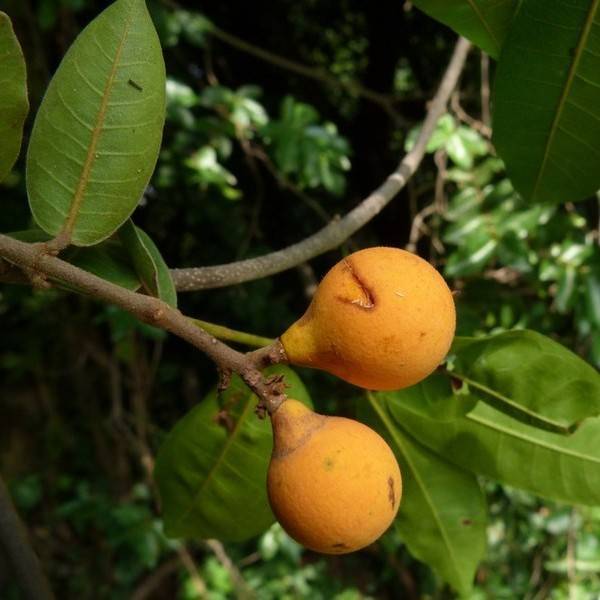
Jackfruit Tree: Growing, Care, Harvesting, and Key Facts for Home Growers
Learn how to grow, care for, and harvest a jackfruit tree, plus key facts about its fruit, health benefits, and ideal growing conditions.
2026-07-01 · 19 min read
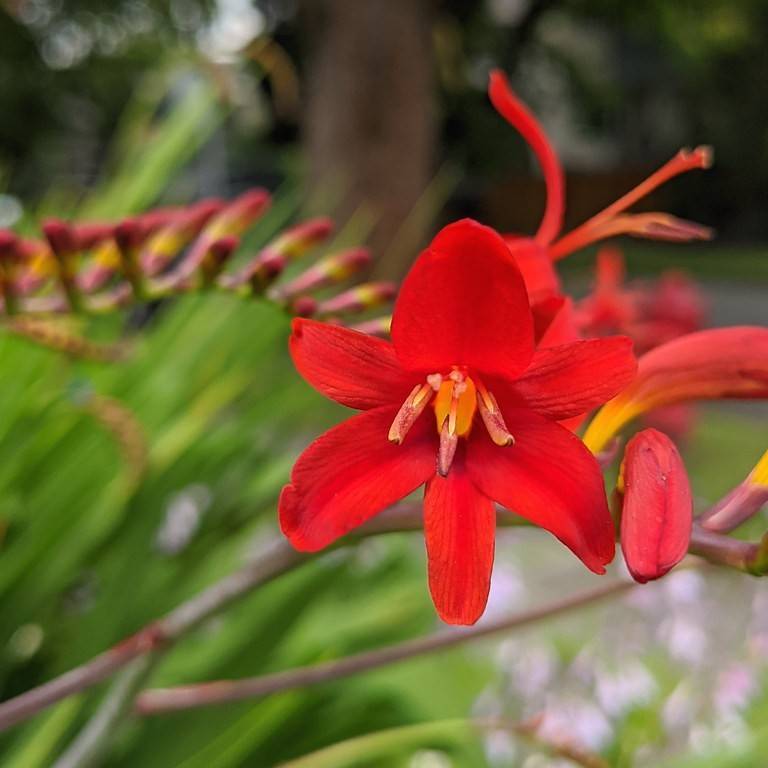
Montbretia Lucifer: Complete Care, Growing, and Design Guide
Learn how to grow and care for montbretia Lucifer, a vibrant red-flowering crocosmia cultivar ideal for sunny, humid garden beds and pollinator-friendly landscapes.
2026-07-01 · 11 min read
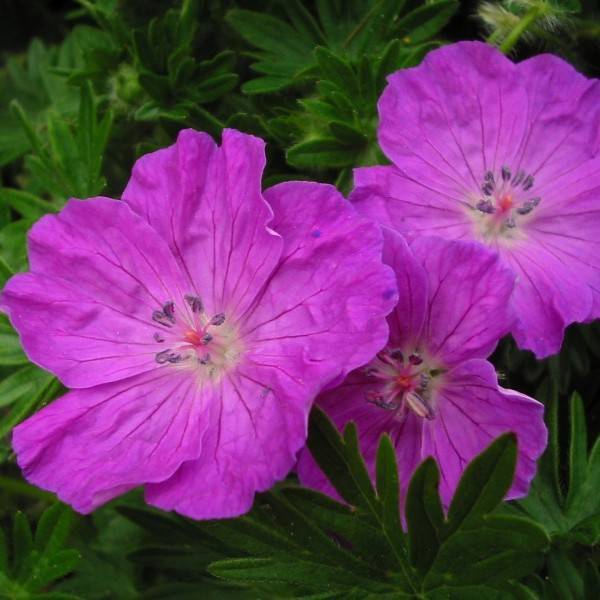
Geranium Sanguineum: Complete Care, Identification, and Growing Guide
Learn how to grow and care for Geranium sanguineum, a hardy, low-maintenance perennial ground cover with vibrant magenta blooms and autumn foliage.
2026-06-30 · 11 min read