Berry Trees Identification: A Beginner’s Guide to Common Ornamental, Pet-Safe, and Native Varieties
Learn simple, reliable berry trees identification tips for ornamental, pet-safe, and native varieties, plus how to avoid toxic lookalikes for safe landscaping and foraging.
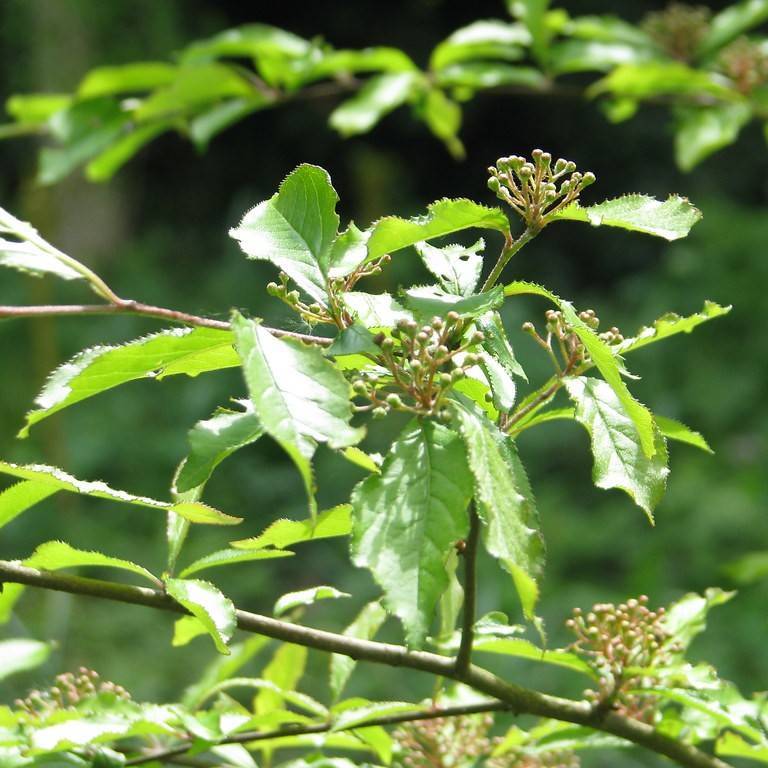
Identification Trees with Berries: A Beginner’s Guide to Common Ornamental Varieties
Accurate berry trees identification relies on cross-referencing four consistent markers: berry color and cluster shape, leaf shape and texture, bark appearance, and local growing region. Always confirm a tree’s identity before sampling fruit or planting near pets, as many ornamental and wild varieties are toxic to humans or animals.
Why Learn Identification Trees with Berries?
There are three core benefits to building this skill, even for casual gardeners or homeowners. First, it helps you avoid dangerous foraging mistakes: many wild and ornamental berry-producing trees produce fruit that is toxic to humans, so confirming a tree’s identity before sampling any fruit is non-negotiable.
Second, it simplifies pet-safe landscaping choices. If you have dogs or cats that like to nibble on yard foliage or fallen fruit, knowing which berry-producing trees are non-toxic lets you curate your yard without worrying about accidental poisoning.
Third, it helps you care for existing trees in your yard more effectively. Many ornamental trees produce small, easily overlooked berries that new gardeners may misidentify, leading to incorrect care routines. If you’re ever stuck trying to ID a tree, Sproutly can help you snap a photo of its leaves, bark, or berries to confirm its identity in seconds.
Key Features to Look for When Identifying Berry Trees
For beginners, focusing on four reliable markers will make the identification process far more accurate than trying to memorize hundreds of species at once. Always cross-reference at least two of these features to avoid misidentification, as many berry varieties look similar at first glance.
- Berry color and cluster shape: Note the exact hue of the berries (pale red, deep purple, brown, etc.) and whether they grow in tight clusters, loose pairs, or as individual fruits. For maple trees, the berries are small, paired winged fruits called samaras, which have a distinct V-shape that is easy to recognize with practice.
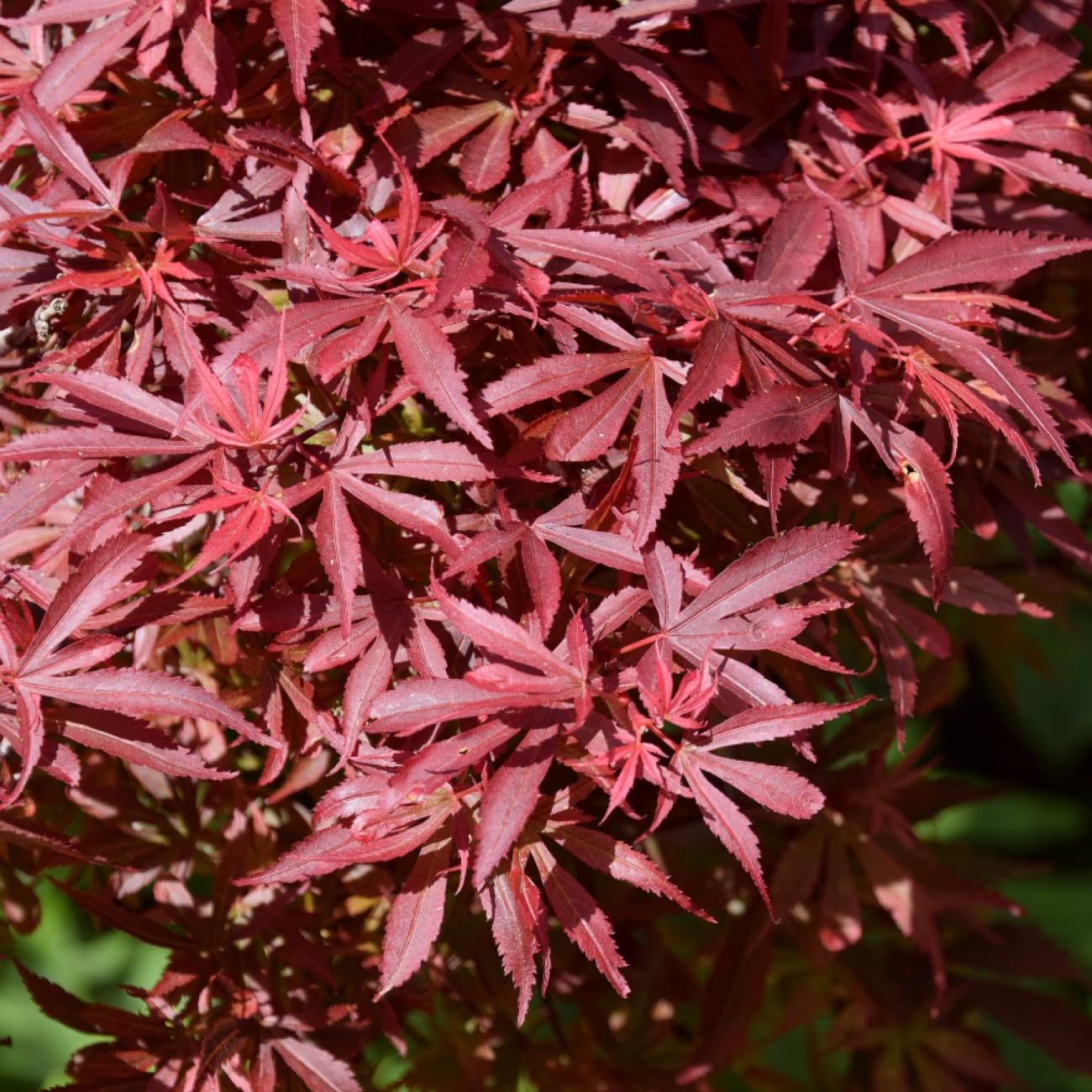
- Leaf shape and texture: Leaf shape is one of the most consistent ID markers. For maples, look for the characteristic palmate (hand-shaped) leaves with pointed lobes, though the number and depth of lobes vary by species.
- Bark appearance: Bark texture and color stay consistent year-round, even when trees lose their leaves in fall. Some maple varieties, like Paperbark Maple, have distinct peeling bark that makes them instantly recognizable.
- Growing conditions: Note the tree’s location (full sun vs. shaded) and your local hardiness zone, as most ornamental maples thrive in full-sun spots across a wide range of temperate zones.
8 Pet-Safe Ornamental Maple Trees With Berries to Know
All of the maple varieties below produce samara berries and are classified as pet-safe, making them ideal for household landscaping. You can find full care profiles for each tree in the Sproutly plant encyclopedia.
1. Amur Maple (Acer ginnala)
- Leaf appearance: Bright green, 3-lobed palmate leaves that turn vibrant red and orange in fall
- Bark details: Smooth, light gray bark that develops subtle fissures with age
- Berry characteristics: Paired, 1-inch long red samaras that ripen in late summer
- Growing tags: Full-sun, humidity-loving, pet-safe
- Learn more: Amur Maple
2. Paperbark Maple (Acer griseum)
- Leaf appearance: Dark green, 3-part compound leaves that turn rich red and bronze in fall
- Bark details: Distinct cinnamon-colored peeling bark that curls in thin, papery layers
- Berry characteristics: Paired, 1.5-inch long brown samaras that persist through winter
- Growing tags: Full-sun, humidity-loving, pet-safe, flowering
- Learn more: Paperbark Maple
3. Pixie Japanese Maple (Acer palmatum 'Pixie')
- Leaf appearance: Bright red, 5-lobed palmate leaves that hold their color through summer and turn deep crimson in fall
- Bark details: Smooth, light brown bark on young trees that darkens slightly with age
- Berry characteristics: Small, paired green samaras that turn light brown as they ripen in fall
- Growing tags: Full-sun, humidity-loving, pet-safe, compact
- Learn more: Pixie Japanese Maple
4. Grandma Ghost Japanese Maple (Acer palmatum 'Grandma Ghost')
- Leaf appearance: Pale grey-green, 7-lobed palmate leaves with subtle pink edging on new growth that turns golden yellow in fall
- Bark details: Smooth, light gray bark
- Berry characteristics: Small, paired light brown samaras that ripen in early fall
- Growing tags: Full-sun, humidity-loving, pet-safe
5. Green Mist Japanese Maple (Acer palmatum 'Green Mist')
- Leaf appearance: Bright, light green, finely dissected 7-lobed leaves that turn golden orange in fall
- Bark details: Smooth, pale brown bark
- Berry characteristics: Tiny, paired green samaras that ripen to tan in late summer
- Growing tags: Full-sun, humidity-loving, pet-safe
6. Jiro Shidare Japanese Maple (Acer palmatum 'Jiro Shidare')
- Leaf appearance: Deep green, 5-lobed palmate leaves on weeping branches that turn bright red and orange in fall
- Bark details: Smooth, dark brown bark on cascading branches
- Berry characteristics: Small, paired brown samaras that ripen in early fall
- Growing tags: Full-sun, humidity-loving, pet-safe, weeping growth habit
7. Ao Shime No Uchi Japanese Maple (Acer palmatum 'Ao Shime No Uchi')
- Leaf appearance: Bright green, tightly clustered 5-lobed leaves that turn vivid red in fall
- Bark details: Smooth, light gray bark with subtle vertical striations
- Berry characteristics: Small, paired light green samaras that turn brown as they ripen
- Growing tags: Full-sun, humidity-loving, pet-safe
8. Aoyagi Japanese Maple (Acer palmatum 'Aoyagi')
- Leaf appearance: Highly textured, bright green 7-lobed leaves that turn yellow and orange in fall
- Bark details: Distinct bright green bark on young branches that matures to light brown on older trunks
- Berry characteristics: Tiny, paired pale brown samaras that ripen in late fall
- Growing tags: Full-sun, humidity-loving, pet-safe, compact
Pet-Safe Ornamental Berry Trees to Identify
Maples are not the only pet-safe berry-producing trees suitable for residential landscaping. A small number of underused ornamental varieties produce showy, colorful berries without the toxicity risk of common ornamentals like yew or cherry laurel. Always confirm a variety’s identity before planting, as some closely related species may be toxic to cats or dogs.
The most widely available pet-safe ornamental berry trees are:
- pigeon berry (Duranta erecta 'Cuban Gold'): Produces dense clusters of golden-yellow berries, has bright lime-green foliage, and thrives in full-sun, high-humidity environments. It grows 10–15 feet tall at maturity and produces small purple spring blooms.
- Duranta erecta 'Gold Edge' pigeon berry: Similar to the Cuban Gold cultivar, but has variegated green-and-yellow foliage for extra ornamental interest. It is also pet-safe, grows 8–12 feet tall, and produces the same golden berry clusters in fall.
Both varieties are drought-tolerant once established and produce minimal messy fruit drop, making them suitable for planting near patios or walkways. If you are unsure whether a berry tree you found at a nursery is pet-safe, use Sproutly to scan its leaves or berries for a verified ID before purchasing.
Common Holly Berry Tree Varieties: Identification Markers
Holly trees are some of the most common berry-producing ornamental trees in residential landscaping, but most generic guides only cover 1–2 common varieties. Six cultivars are widely planted across North America and Europe, each with distinct leaf and berry traits that make accurate berry trees identification straightforward with a little practice. Only female holly trees produce berries, so berry presence alone is not enough to confirm a cultivar.
Use these markers to tell the most common varieties apart:
- Foster Holly: Glossy, sharply spiked dark green leaves, bright red berries that persist from late fall through early spring, and a dense, narrow growth habit that reaches 20–30 feet tall.
- Blue Holly: Distinct matte blue-green spiked leaves, bright red winter berries, and a compact rounded growth habit that stays 6–10 feet tall, making it ideal for small hedges.
- Formosa Firethorn: Glossy oval leaves, sharp thorns along all branches, and clusters of bright red-orange berries that ripen in fall. It grows 8–12 feet tall and works well for security hedges.
- English Holly: Deeply spiked, glossy dark green leaves, bright red winter berries, and a pyramidal growth habit that can reach 50 feet tall at maturity.
- Chinese Holly: Distinctive rectangular leaves with 3–5 sharp spines at the corners, bright red berries that persist through winter, and a dense growth habit that is highly drought-tolerant.
- Highclere Holly: Glossy, nearly spineless dark green leaves, bright red winter berries, and a vigorous growth habit that reaches 20–40 feet tall, making it ideal for tall privacy hedges.
Evergreen Berry Trees for Landscaping: How to Tell Them Apart
Evergreen berry trees are popular for year-round foliage color, privacy screening, and winter food for local bird populations. Most evergreen berry trees produce red or orange berries, so leaf shape and growth habit are the most reliable markers for identification, rather than berry color alone. Many of these varieties have spiked leaves or thorns, so wear gloves when handling cuttings for ID.
The most common evergreen berry trees for landscaping and their key ID markers are:
- Foster Holly: Narrow, pyramidal growth habit, sharply spiked glossy leaves, red winter berries.
- Chinese Holly: Dense rounded growth habit, rectangular spined leaves, red winter berries.
- Formosa Firethorn: Sprawling, dense growth habit, thorny branches, small oval leaves, red-orange fall berries.
- Blue Holly: Compact rounded growth habit, blue-green spiked leaves, red winter berries.
- Pigeon berry: Loose, upright growth habit, soft lime-green or variegated leaves, golden yellow fall berries.
All of these evergreen varieties grow best in full-sun spots with 6+ hours of direct sunlight per day, and most are drought-tolerant once established. If you encounter an evergreen berry tree you cannot identify, cross-reference its traits with our Trees with Pods Identification: A Simple Beginner’s Guide to Common Species to rule out non-berry evergreen varieties that produce woody seed pods.
Black and Dark Purple Berry Tree Identification Tips
Dark-fruited berry trees are often misidentified, as many toxic wild varieties look nearly identical to edible or ornamental cultivars. Accurate black and dark purple berry trees identification relies on cross-referencing four specific markers to avoid misidentification: berry cluster size, leaf shape, bark texture, and growing region. Never sample dark wild berries, as even small amounts of some varieties can be toxic to humans.
Common dark-fruited berry trees and their ID markers include:
- Dogwood: Clusters of 4–10 small, glossy dark purple berries, opposite oval leaves with smooth edges, and rough, scaly gray bark. It grows in partial shade in temperate regions across North America.
- Elderberry: Large, flat clusters of 20+ small dark purple berries, compound leaves with 5–11 serrated leaflets, and smooth light brown bark. It grows in full sun in moist, fertile soil.
- Common buckthorn: Small clusters of dark purple berries, oval leaves with finely serrated edges, and smooth gray bark. It is an invasive species in most of North America and is toxic to humans and pets.
- Hackberry: Small, single dark purple berries, oval leaves with uneven bases, and rough, warty gray bark. Its berries are edible for humans and a popular food source for birds.
How to Tell Ornamental Berry Trees Apart From Edible Fruit Trees
Many beginners mix up ornamental berry-producing trees like the maples and holly varieties above with common edible fruiting trees, but a few key differences make them easy to tell apart.
Ornamental maple trees produce samaras: small, hard, winged paired fruits that are not palatable to humans, even if they are non-toxic. They grow in pairs, have a distinct papery wing on one end, and are typically less than 2 inches long. Ornamental evergreens like holly produce hard, bitter berries that are not edible for humans, even if they are non-toxic to pets.
Edible fruiting trees like apple, cherry, or mulberry produce soft, fleshy fruit that is often brightly colored and grows as individual fruits or in dense clusters, not paired winged structures.
The most critical safety rule to remember: never eat a berry from a tree you haven’t 100% identified as safe for human consumption. If you’re unsure what type of tree you’re looking at, use Sproutly’s plant identification tool to confirm its identity before sampling any fruit.
Landscaping Tips for Berry-Producing Ornamental Trees
If you’re looking to add pet-safe berry-producing maples, holly, or pigeon berry to your yard, these simple tips will help them thrive:
- Plant all the varieties listed above in full-sun spots (6+ hours of direct sunlight per day) for the best foliage color and fruit production.
- Maintain consistent soil moisture for humidity-loving species, especially during hot, dry summer months. A 2-inch layer of wood chip mulch around the base of the tree will help retain moisture and regulate soil temperature.
- Unlike larger edible fruiting trees, these ornamental varieties produce minimal messy fruit drop. The small samaras or hard berries break down quickly in lawns or garden beds, so you won’t have to spend hours cleaning up fallen fruit.
- Smaller varieties like Pixie Japanese Maple and Blue Holly work well in compact yards or even large planters on patios, as they rarely grow taller than 10 feet at maturity.
- For privacy hedges, choose dense evergreen varieties like Foster Holly or Formosa Firethorn, which grow 1–2 feet per year and provide full screening within 3–5 years of planting.
Common Identification Mistakes to Avoid
Even with clear ID markers, beginners often make a few common errors when identifying berry trees. Watch out for these three pitfalls to stay safe and accurate:
- Mistaking toxic sumac berries for edible sumac: Toxic sumac produces tight clusters of white berries that grow in wet, swampy areas, while edible sumac produces dense, red, cone-shaped clusters of berries. Always check leaf shape and growing conditions in addition to berry color to avoid this mix-up.
- Confusing ornamental maple samaras for other winged berry varieties: A few other tree species, like ash trees, produce winged fruits, but ash trees have compound leaves (multiple leaflets on a single stem) rather than the palmate single leaves of maples.
- Relying only on berry color for ID: Berry color can vary based on ripeness, sun exposure, and growing conditions, so never use it as your only identification marker. Always cross-reference with leaf shape and bark appearance for accuracy.
- Assuming all dark purple berries are edible: Many dark-fruited wild trees, including buckthorn and pokeberry, are toxic to humans, even if they look similar to edible elderberry or blackberry.
When in doubt, a quick photo scan with Sproutly can help you avoid misidentification risks in seconds.
Final Tips for Confident Berry Tree Identification
Building this skill takes practice, so start small to avoid feeling overwhelmed:
- Begin practicing ID with trees in your own neighborhood first, rather than trying to identify rare or wild species on hikes. Most residential areas have a small number of common ornamental tree species, so you’ll be able to memorize their key features quickly.
- Carry a small notebook to jot down key features (leaf shape, berry color, bark texture) when you’re examining a new tree. Writing these details down will help you remember them for future ID attempts.
- Use a trusted plant identification tool to confirm your guesses. Sproutly’s database includes thousands of tree species, so you can cross-reference your notes with verified ID information and care tips.
Frequently Asked Questions
Are there any pet-safe berry trees I can plant in my yard?
Yes, Duranta erecta 'Cuban Gold' and 'Gold Edge' pigeon berry trees are verified pet-safe, produce clusters of golden-yellow ornamental berries, and thrive in full-sun, high-humidity outdoor environments. Always confirm a tree’s identity with a tool like Sproutly before planting if you have household pets that nibble on foliage or fallen fruit.
How do I tell different holly berry tree varieties apart?
Holly varieties are best identified by leaf texture and berry timing: Foster Holly has glossy spiked leaves and red winter berries, Highclere Holly has nearly spineless foliage, and Blue Holly has distinct blue-green leaves. Female holly trees produce berries, while male trees only produce pollen, so berry presence alone is not enough for full identification.
What evergreen berry trees work well for privacy hedges?
Foster Holly, Chinese Holly, and Formosa Firethorn are all dense evergreen berry trees ideal for privacy hedges. Formosa Firethorn has thorny branches for extra security, while Chinese Holly is drought-tolerant and requires minimal maintenance once established. All produce bright red or red-orange berries in fall and winter.
How do I identify a tree with black or dark purple berries?
To identify a dark-fruited berry tree, cross-reference four markers: berry cluster size, leaf shape, bark texture, and growing region. Common dark-fruited varieties include dogwood (clusters of 4-10 small dark berries, opposite oval leaves) and elderberry (large flat clusters of small dark berries, compound leaves with 5-11 leaflets). Many dark wild berries are toxic to humans, so never sample fruit without 100% confirmed identification.
Are all berries that grow on trees safe to eat?
No, many berries produced by ornamental trees are not safe for human consumption, and some are toxic. Never eat a berry from a tree you have not positively identified as edible, and use a trusted identification tool to confirm the tree’s identity if you are unsure.
Are the berries from ornamental maple trees safe for pets?
All the maple varieties listed in this guide are classified as pet-safe, so their small winged berries (called samaras) do not pose a toxicity risk to dogs or cats if ingested in small quantities.
What is the easiest way to start identification trees with berries as a beginner?
Start by noting the tree’s most distinct features: berry color and cluster shape, leaf shape, and bark texture. Cross-reference these features with a trusted plant guide or identification app to confirm the tree’s identity, and practice with common trees in your neighborhood first to build confidence.
Do ornamental berry trees require more maintenance than non-berry trees?
Most ornamental berry-producing trees like the maple, holly, and pigeon berry varieties listed here have similar care requirements to other ornamental landscape trees: full sun exposure, consistent moisture for humidity-loving varieties, and occasional pruning to maintain shape. They typically produce very little messy fruit drop compared to larger edible fruiting trees.
Try Sproutly
Ready to build your berry tree identification skills? The Sproutly app lets you snap a photo of any tree’s leaves, bark, or berries to get an instant, verified ID, plus personalized care tips to help your landscape thrive. Explore thousands of plant profiles, including all the ornamental varieties listed in this guide, at https://heysproutly.com.
Related Reading
More guides you may like
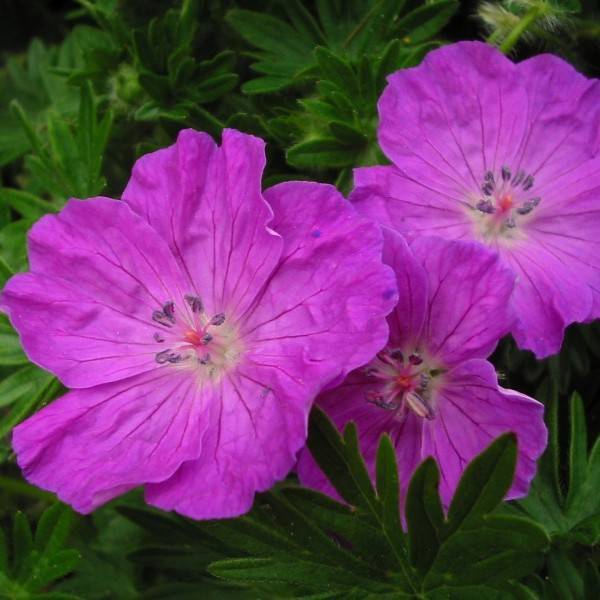
Geranium Sanguineum: Complete Care, Identification, and Growing Guide
Learn how to grow and care for Geranium sanguineum, a hardy, low-maintenance perennial ground cover with vibrant magenta blooms and autumn foliage.
2026-06-30 · 11 min read
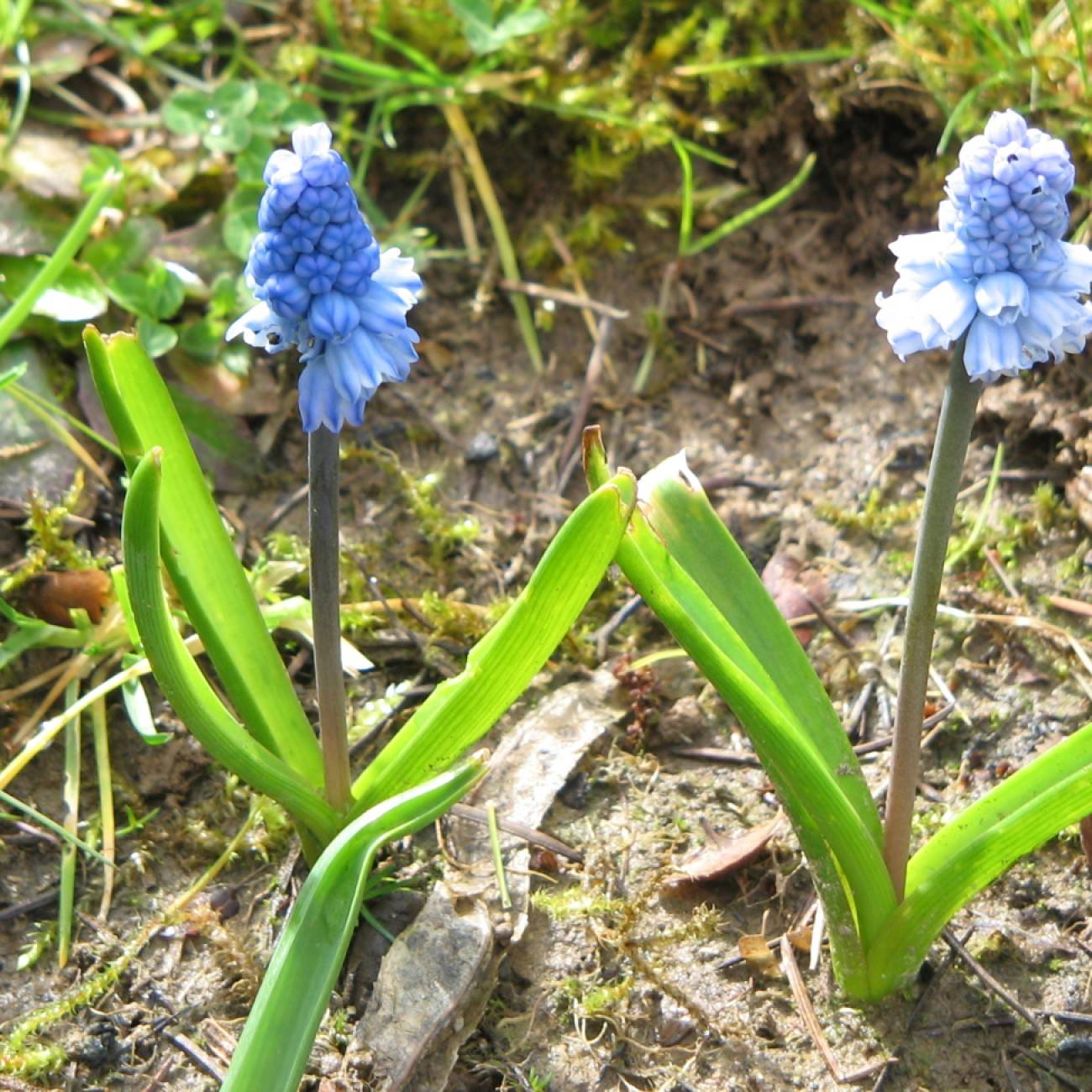
Grape Hyacinth (Muscari Armeniacum): Care, Planting, and Growing Guide
Learn how to plant, grow, and care for grape hyacinth, a low-growing spring bulb with dense grape-like blue, purple, or white flower clusters that naturalizes easily.
2026-06-30 · 16 min read
Zea Mays Corn: Taxonomy, Cultivation, Home Growing Tips, and Common Confusions
Learn all about Zea mays corn: its taxonomic history, cultivation requirements, home growing best practices, and how to distinguish it from plants with 'corn' in their common names.
2026-06-29 · 15 min read