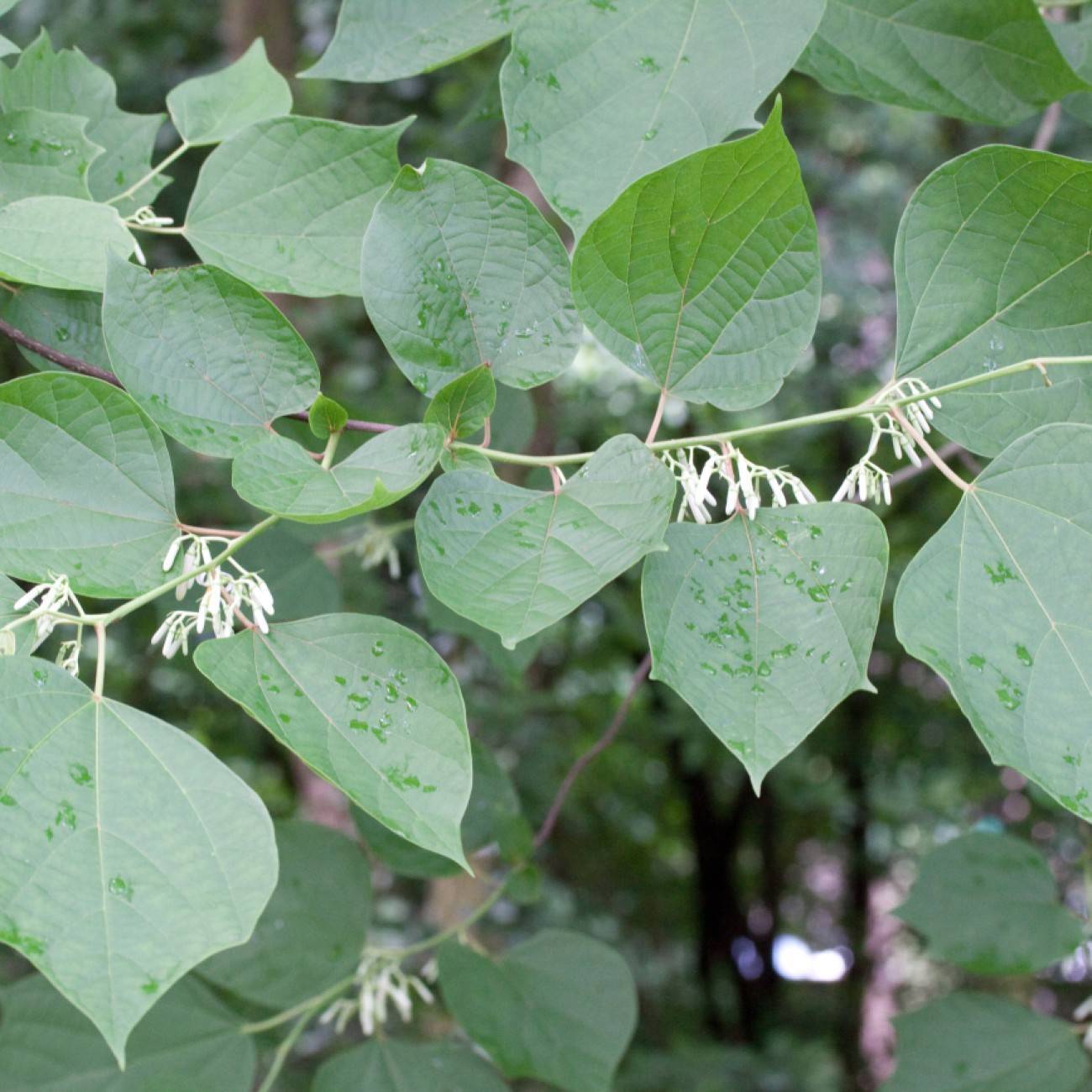
alangium
Alangium platanifolium var. macrophyllum
Overview
Alangium platanifolium var. macrophyllum, commonly called Alangium, is an amazing plant. Its large, leathery leaves reach up to five feet long, while its vibrant yellow-green flowers with deep red stamens make it a showstopper in any landscape. Alangium is drought tolerant, making it an ideal choice for dry environments. It also does well in partial shade, making it perfect for urban and suburban gardens. It resists heavy foot traffic, making it incredibly durable for patios, sidewalks and other areas receiving significant foot traffic. What’s more, it’s incredibly low maintenance, requiring little more than occasional watering. Truly, Alangium is a conversation starter and an ideal addition to any yard or garden.
Care Guide
Watering
Alangium platanifolium var. macrophyllum is a fast-growing plant that is very tolerant of dry conditions and does not require frequent watering. To maintain a healthy growth rate and keep the soil moist, the plant should be watered once every 3 weeks, but only with enough water to moisten the soil without allowing it to become soggy. In hotter climates, watering may be increased to every 2 weeks. During periods of extreme heat, you may need to water the plant more often. During the dormant period, the plant may only need to be watered once every 2 months. Other than that, general upkeep includes trimming the plant regularly to keep its shape.
Light
Alangium platanifolium var. macrophyllum is a plant species that prefers bright, indirect sunlight. During the spring and summer months, this plant should receive between 5-6 hours of direct sunlight each day in order to thrive. During the winter months, it needs to be kept in a brighter, indirect light setting and should receive about 3-4 hours of sunlight daily. While this plant prefers sunlight, it is important to note that it must be kept in a well-ventilated space, as too much direct sunlight can cause the leaves to scorch.
Temperature
Hardiness zone 7–9.
Pruning
Pruning for Alangium works best when done during the early spring season during the budding phase of the plant. It is important to remove any broken or diseased branches as soon as they are noticed. Prune the desired parts of the tree to reduce its height, spread or shape of the crown. Trimming the stems can also be done to remove weak or leggy growth, encourage vigorous new growth and promote flowering. Generally, the stem of an Alangium should be kept to a length of 2 to 3 feet but pruning can sometimes have to be done to a shorter height depending on the state of the tree.
Propagation
Seed Propagation, Cutting, Layering Propagation, Grafting Propagation
Related plants
Other plants you might like if you grow alangium.
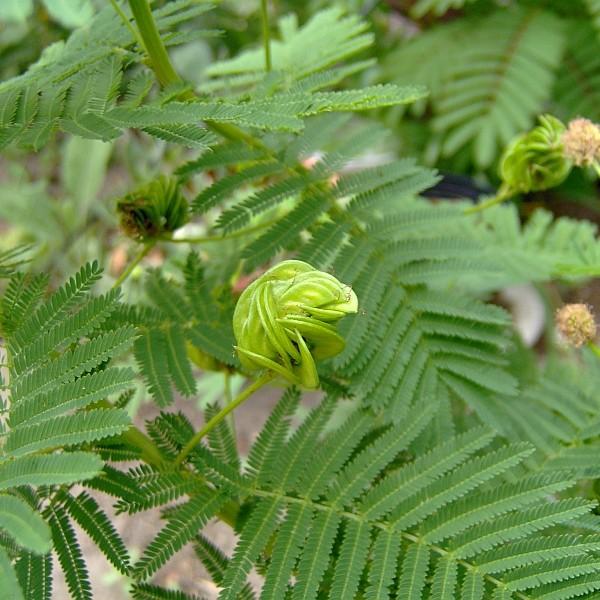
prairie bundleflower
Desmanthus illinoensis
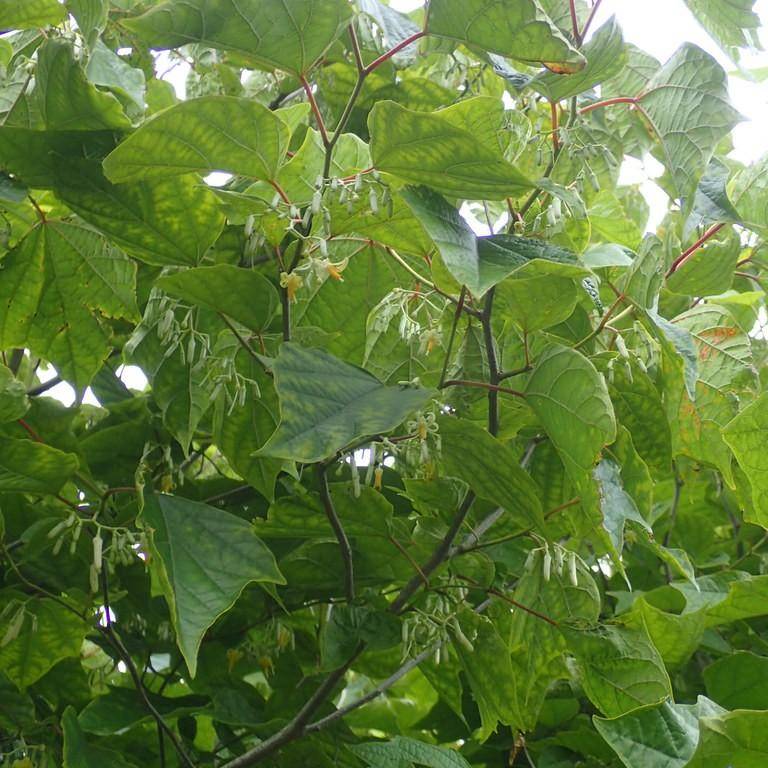
alangium
Alangium platanifolium
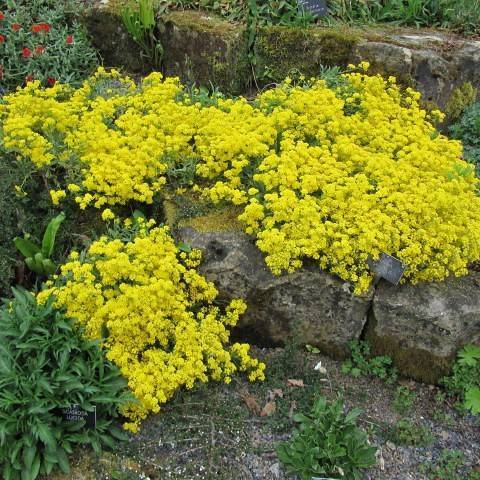
basket of gold
Aurinia saxatilis 'Gold Dust'
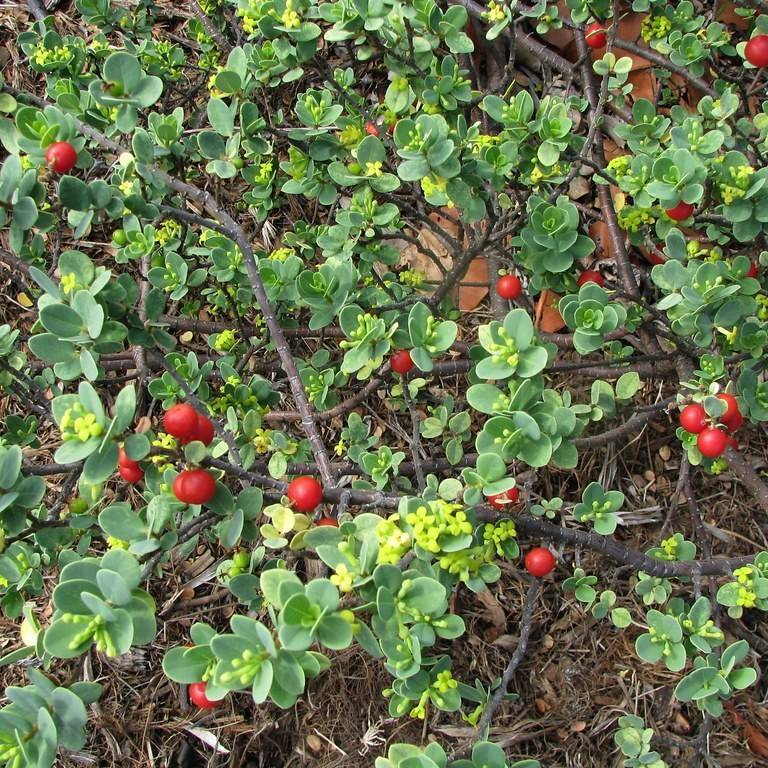
bearberry
Arctostaphylos uva-ursi 'Wood's Red'
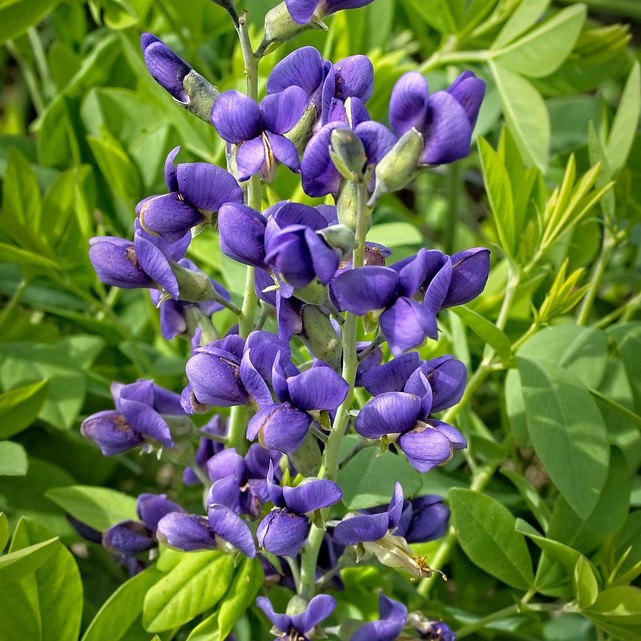
blue false indigo
Baptisia australis
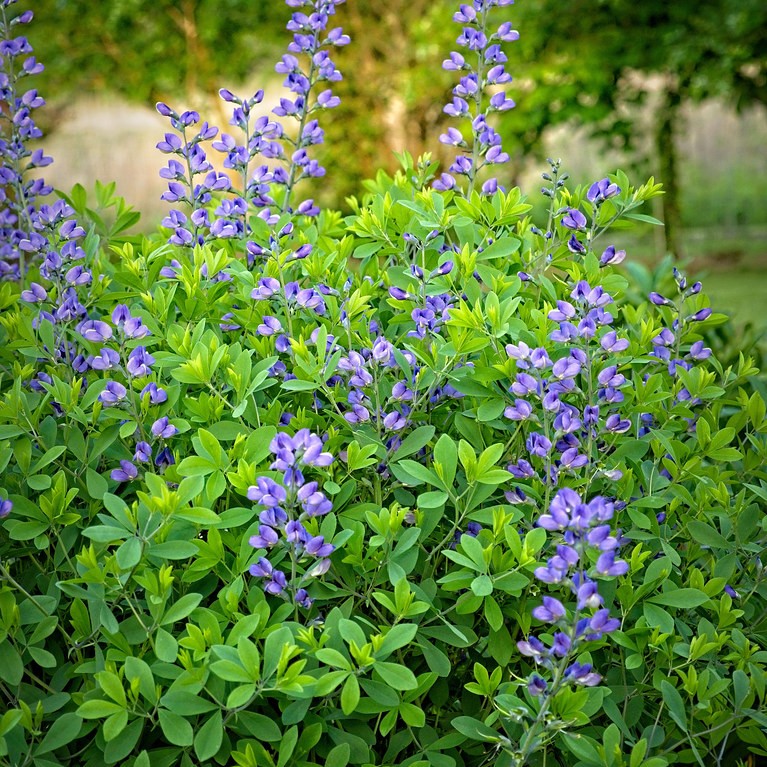
blue false indigo
Baptisia australis var. minor
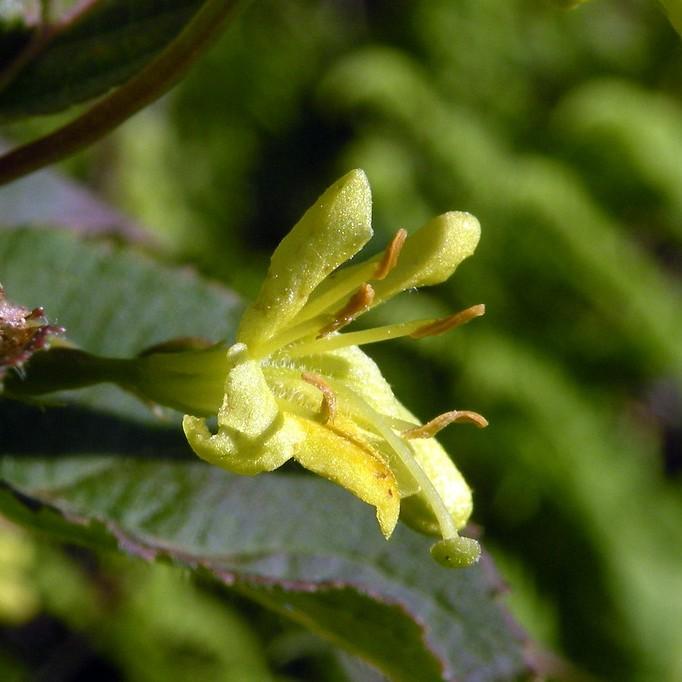
bush honeysuckle
Diervilla lonicera
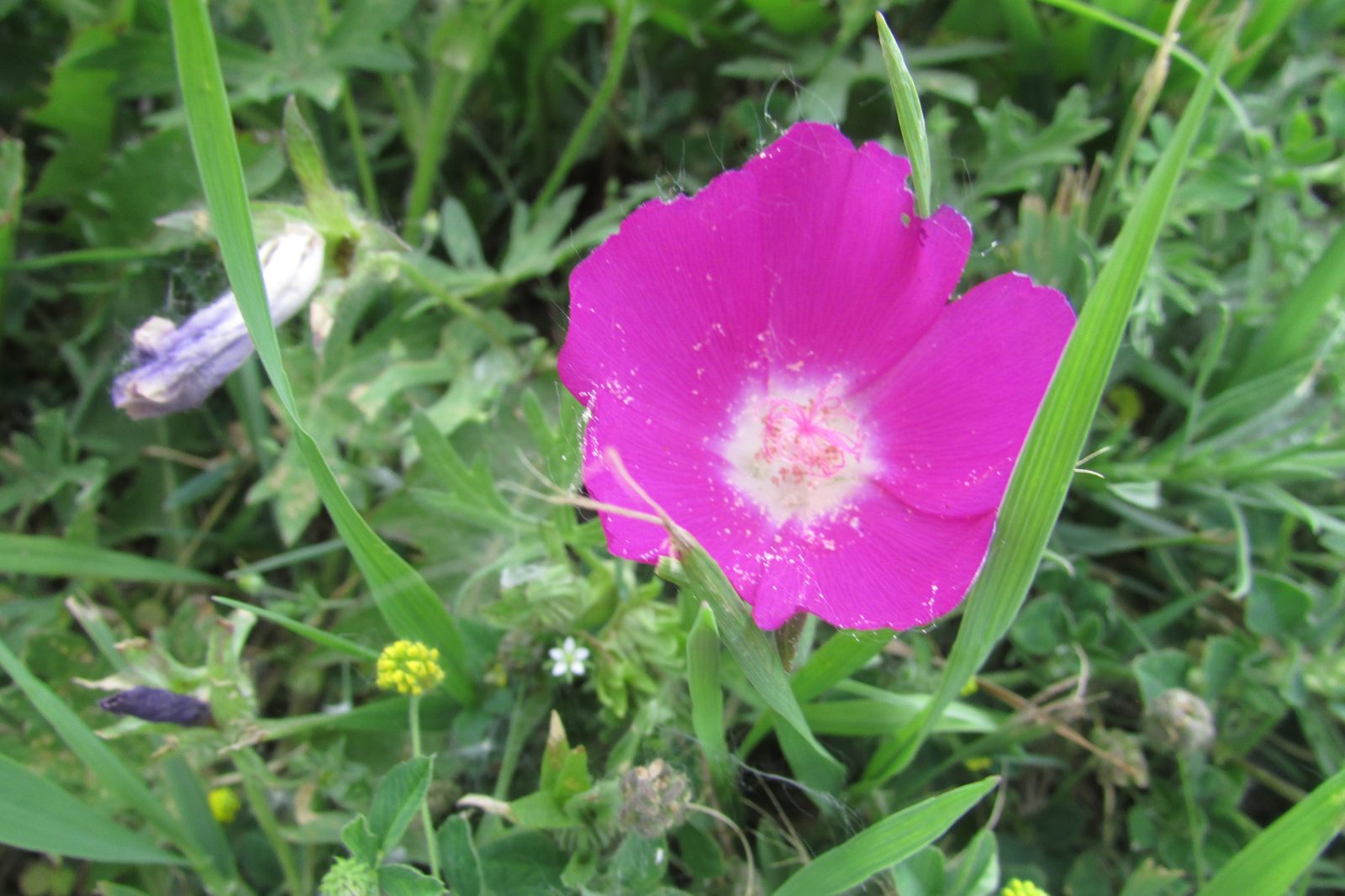
Bush's poppy mallow
Callirhoe bushii