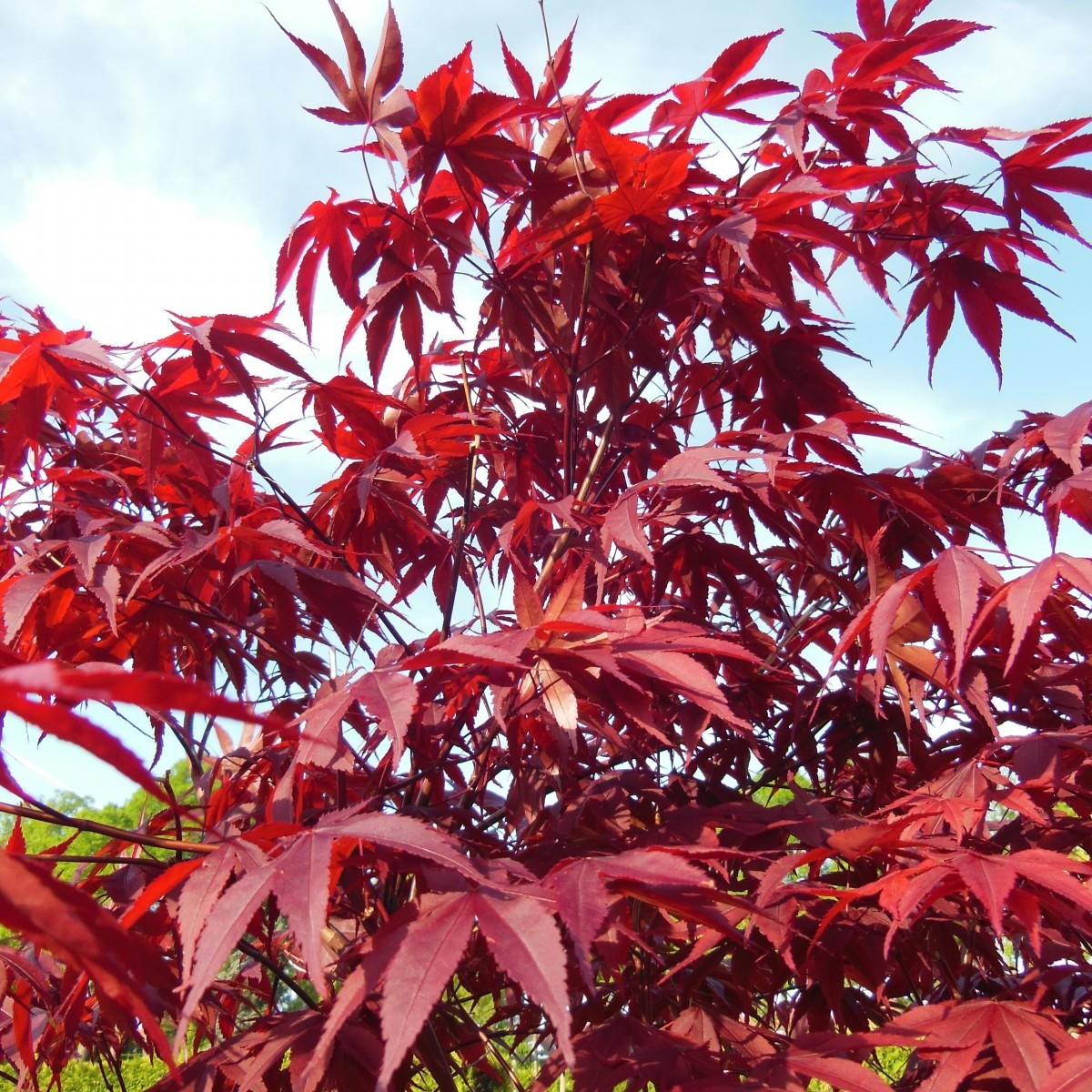
Aoyagi Japanese Maple*
Acer palmatum 'Aoyagi'
Overview
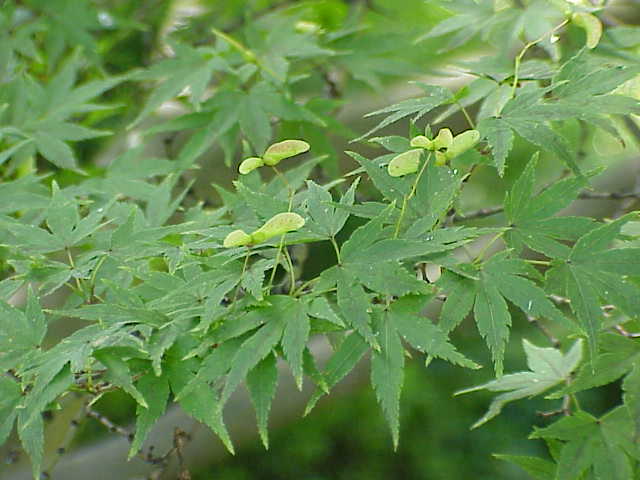
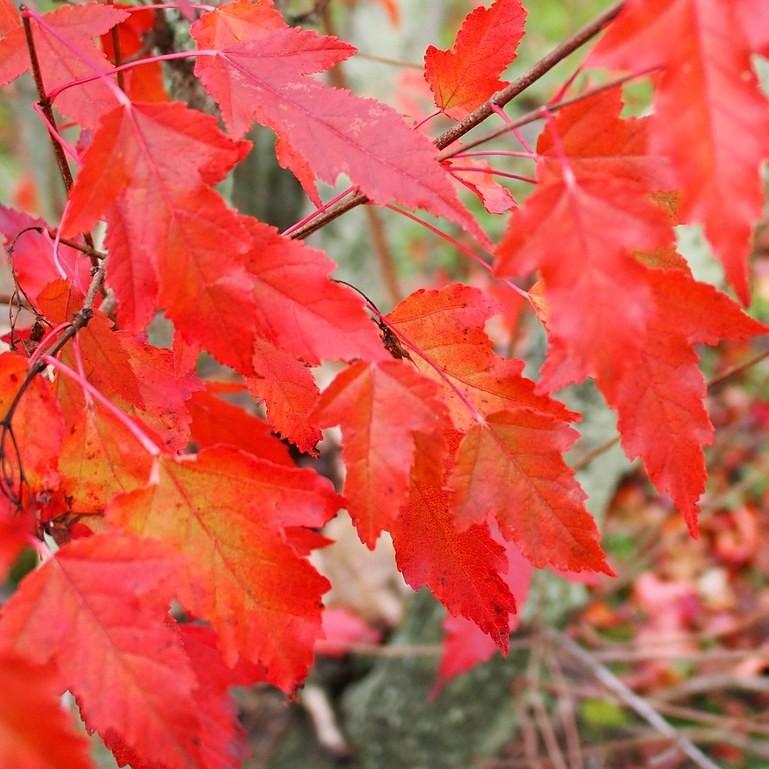
The Aoyagi Japanese Maple is a stunning sight to behold. It is a beautiful, compact deciduous shrub with highly textured, silver-green to yellow-green foliage that transforms to shades of maroon-red in autumn. Springtime brings clusters of small, rosy-red flowers that provide sweet nectar for butterflies and other pollinators. Aoyagi Japanese Maples make nice additions to rock gardens, small spaces, naturalized areas and even as specimen plants on larger properties. They grow best in part shade to full sun with well-drained, slightly acidic soil and average water. Highly ornamental, easy to care for and disease-resistant, the Aoyagi Japanese Maple is an amazing and rewarding choice for any landscape.
Care Guide
Watering
Aoyagi Japanese Maple should be watered deeply and thoroughly once per week during the growing season (spring through early fall). Water until the soil is slightly moist but not soggy. Make sure to give a good soaking but do not let the soil become waterlogged, as this will cause the roots to rot. During the winter, reduce watering to only when the soil is dry to the touch.
Light
The Aoyagi Japanese Maple should be grown in a location with full sun or partial shade. When grown in full sun, this maple species needs at least 6 hours of direct sunlight daily. In partial shade, this maple species needs at least 4 hours of direct sunlight daily. The Aoyagi Japanese Maple also thrives in light shade and does not need direct sunlight in these locations. Morning sunlight is preferred and afternoon shade is beneficial for this species.
Temperature
Hardiness zone 7–7.
Pruning
Aoyagi Japanese Maple should be pruned during the dormant season and lightly pruned in the spring. Pruning should occur in late winter or early spring before the tree exhibits new growth, usually in March or April. This species of Japanese Maple should be pruned lightly throughout its lifetime, removing any dead or diseased branches, along with removing any crossing branches or ones that are spiraling around the trunk. If a branch has a narrow crotch angle, it should also be pruned to prevent it from splitting when the tree is more mature. If more drastic pruning is needed, best practices recommend removing no more than 20-30% of the tree's canopy each year.
Propagation
Grafting Propagation, Layering Propagation, Cutting, Air Layering Propagation, Root Division
Guides that mention Aoyagi Japanese Maple*
Acer Rubrum Red Sunset Maple: Care, Cultivar Comparison, and Planting Guide
Learn how to grow, care for, and choose between Acer Rubrum Red Sunset maple and popular red maple cultivars for your outdoor landscape.
Bloodgood Japanese Maple Care: Growth Rate, Growing Tips, and Maintenance Basics
Learn how to care for your Bloodgood Japanese Maple, plus how fast this popular ornamental tree grows to help you plan your garden layout.
Related plants
Other plants you might like if you grow Aoyagi Japanese Maple*.