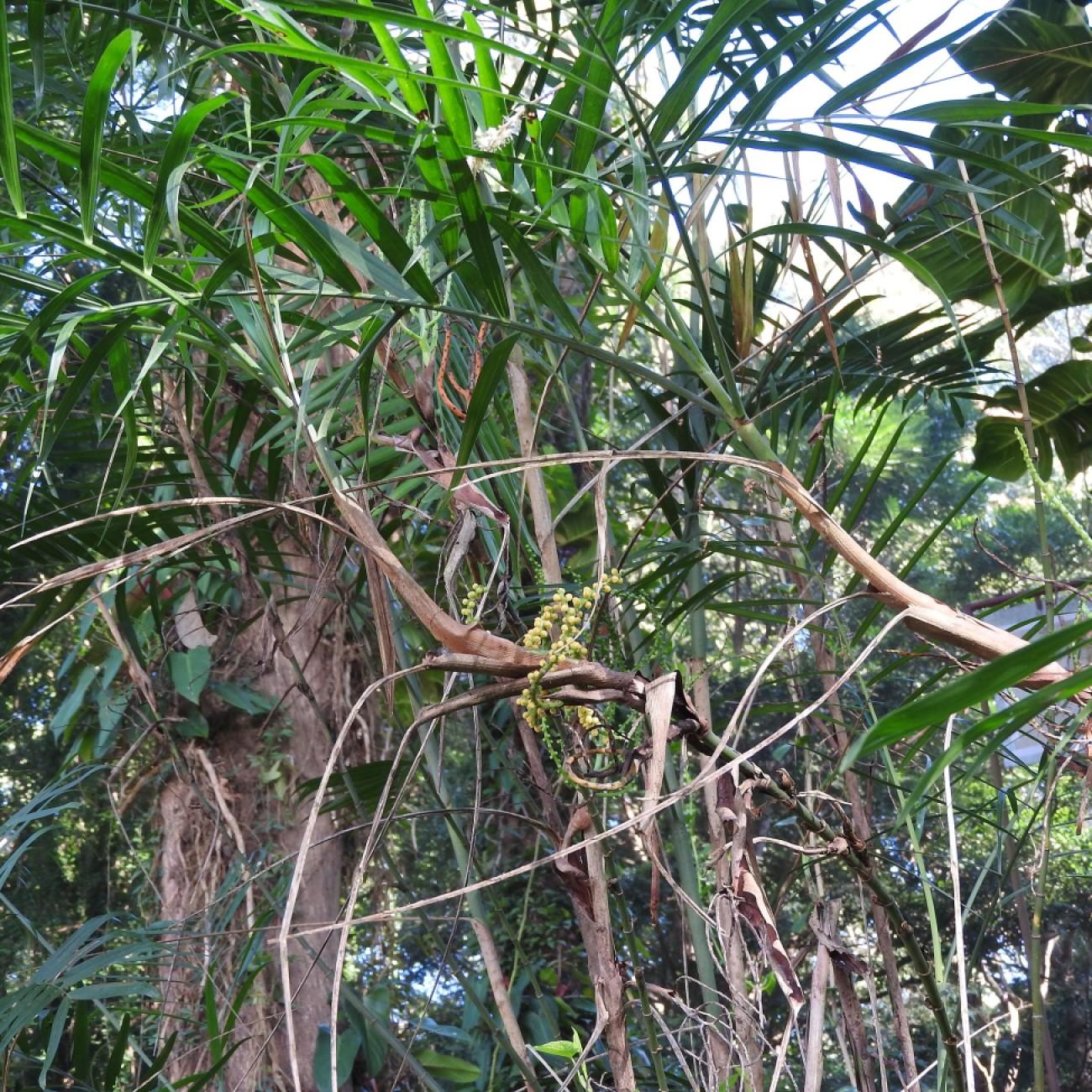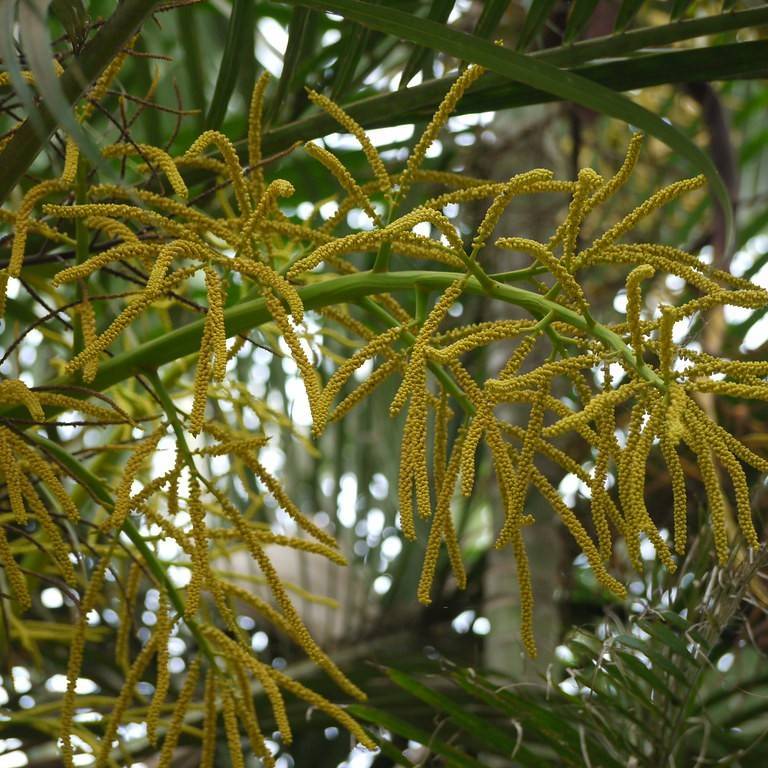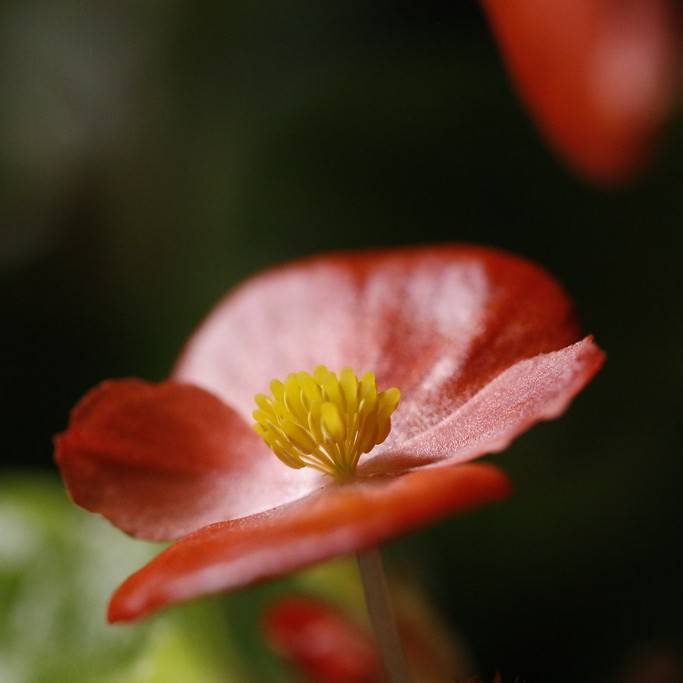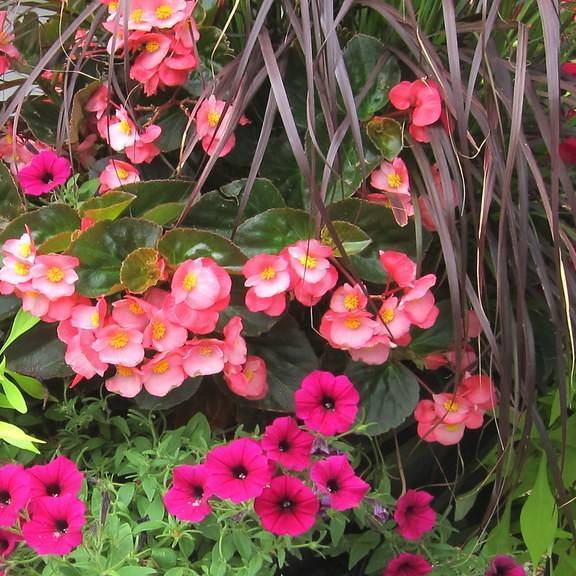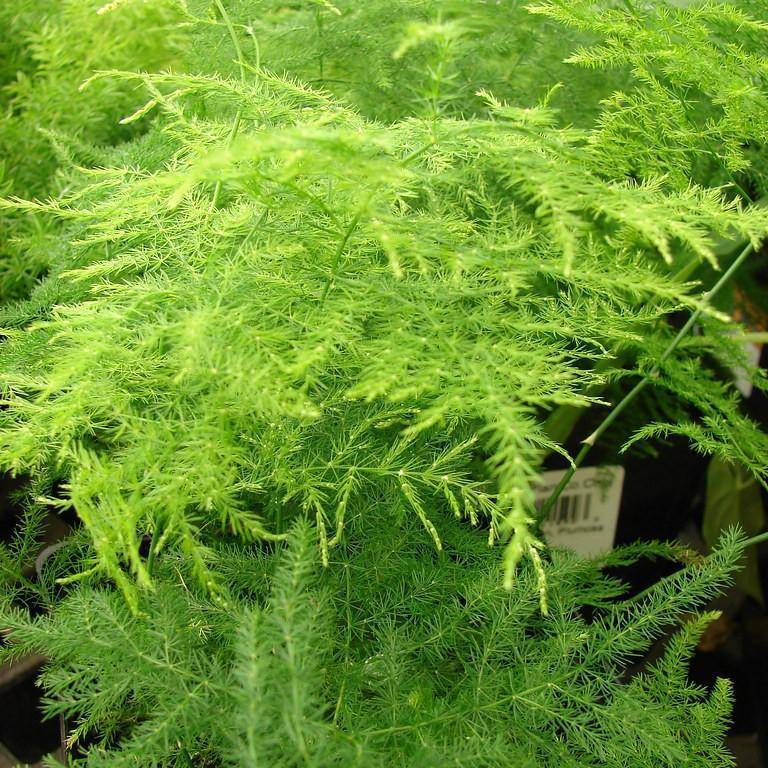
asparagus fern
Asparagus setaceus
Overview
The asparagus fern (Asparagus setaceus) is an amazing plant for any garden. Boasting attractive, wispy foliage, this delicate fern looks beautiful in the garden or in containers. Not only does it look great, it’s also easy to care for. It prefers bright, indirect light and can even survive low light conditions. Asparagus ferns are also easy to propagate, making them a great addition to any flower bed. With its hardy nature and attractive foliage, this is an ideal choice for both experienced and beginner gardeners.
Care Guide
Watering
Water the asparagus fern lightly 1-2 times a week in summer and once every 2-3 weeks in winter. In general, let the soil dry out almost completely between waterings. Do not let it sit with overly wet soil, as this will cause root rot. If possible, let the plant dry out between waterings and water when the top inch or 2 of the soil feels dry to the touch. During the winter months, watering should be reduced and tailor to the environment that the plant is in (i.e cooler areas may need to be watered less).
Light
Asparagus ferns require at least 4-6 hours of sunlight per day to stay healthy and develop properly. In the summer, it is ideal to keep the asparagus fern in direct sunlight for the whole day because the plant loves the warmth. However, in the winter months when there is less intensity in the sun's rays, it is better to provide the fern with less direct sunlight, preferably 4-5 hours in the morning or afternoon. Similarly, if the asparagus fern is placed in an area that receives intense sunlight throughout the day, ensure at least 4-5 hours of shade in the mid-afternoon to avoid sunburns and damage to the leaves.
Soil
Acidic, Alkaline
Temperature
Hardiness zone 9–12.
Pruning
For optimal asparagus fern growth, it is best to prune the plant throughout the year when necessary. Asparagus ferns tend to become leggy over time, so in order to maintain the desired shape and prevent the spread of the plant, pruning should occur during the spring and summer months, typically when the fronds reach 6-10 inches in length. This allows for the new fronds to take the place of the pruned stalks, and encourages denser, more compact growth in the plant overall.
Propagation
Seed Propagation
Diseases & Pests
Common pests: Pest resistant, Disease resistant.
Related plants
Other plants you might like if you grow asparagus fern.