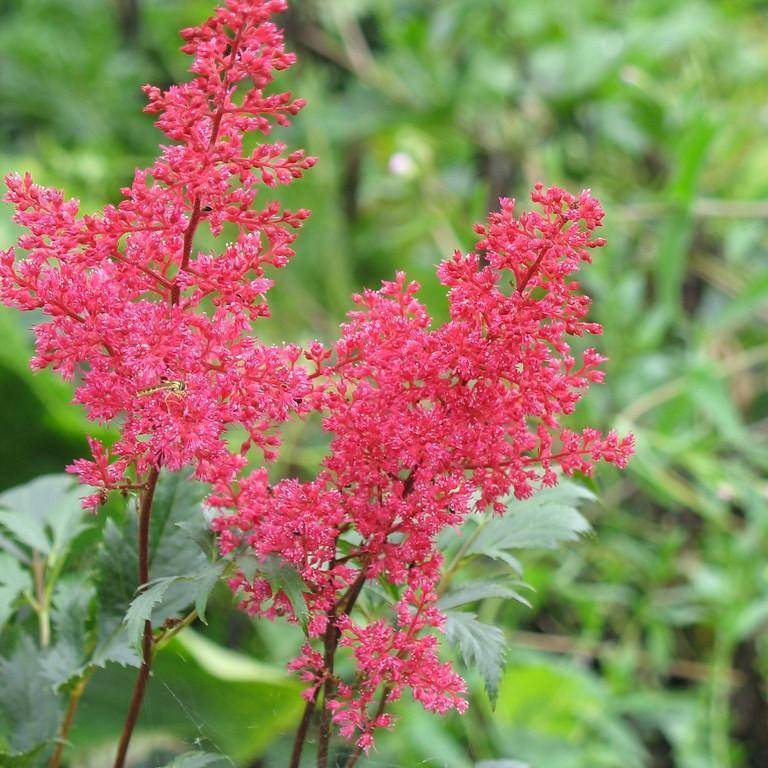
astilbe
Astilbe japonica 'Montgomery'
Overview
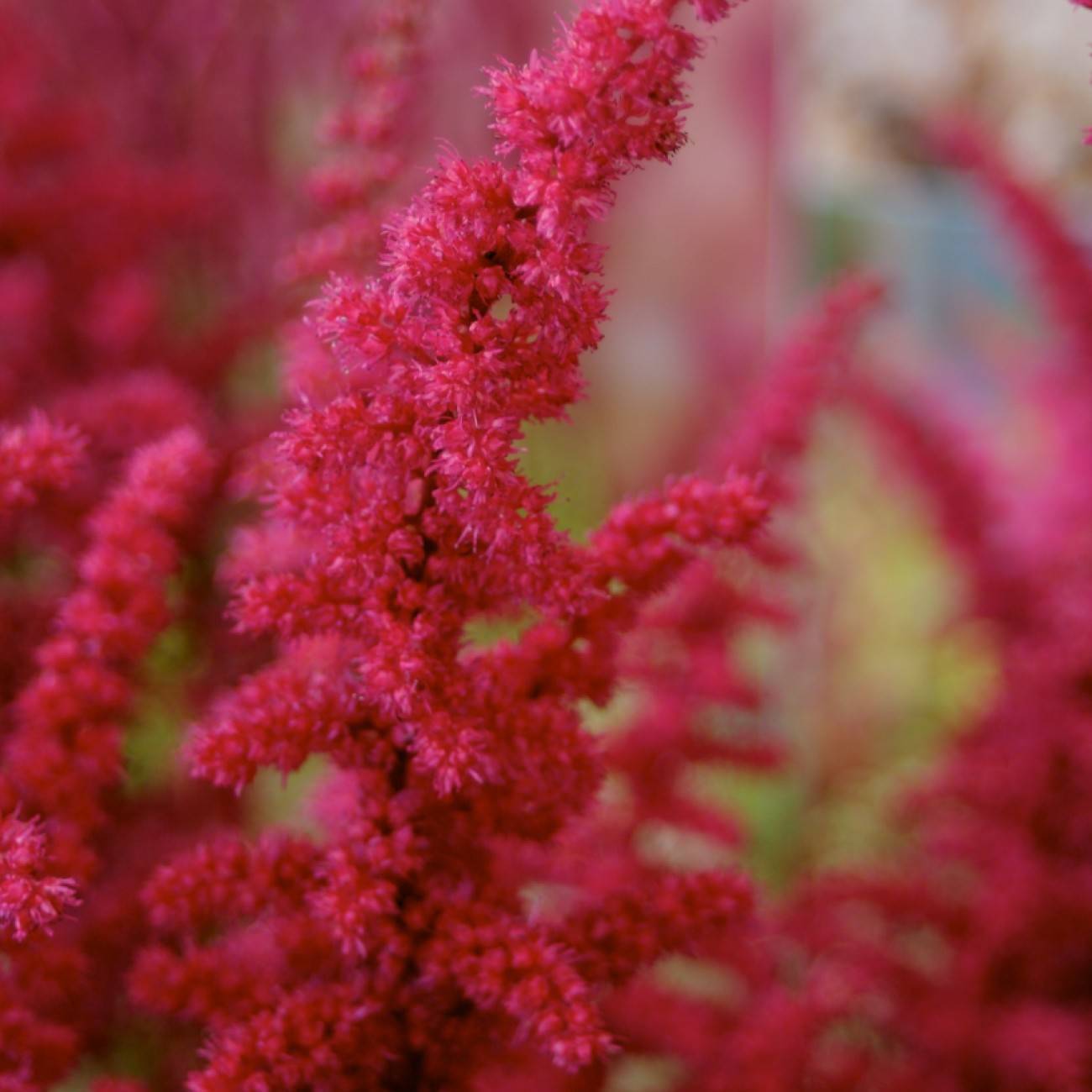
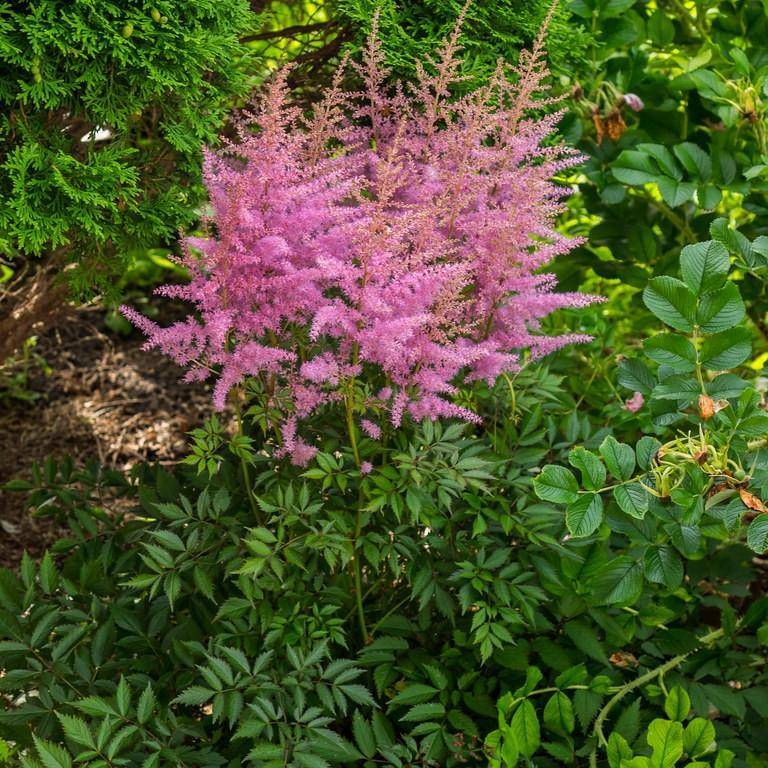
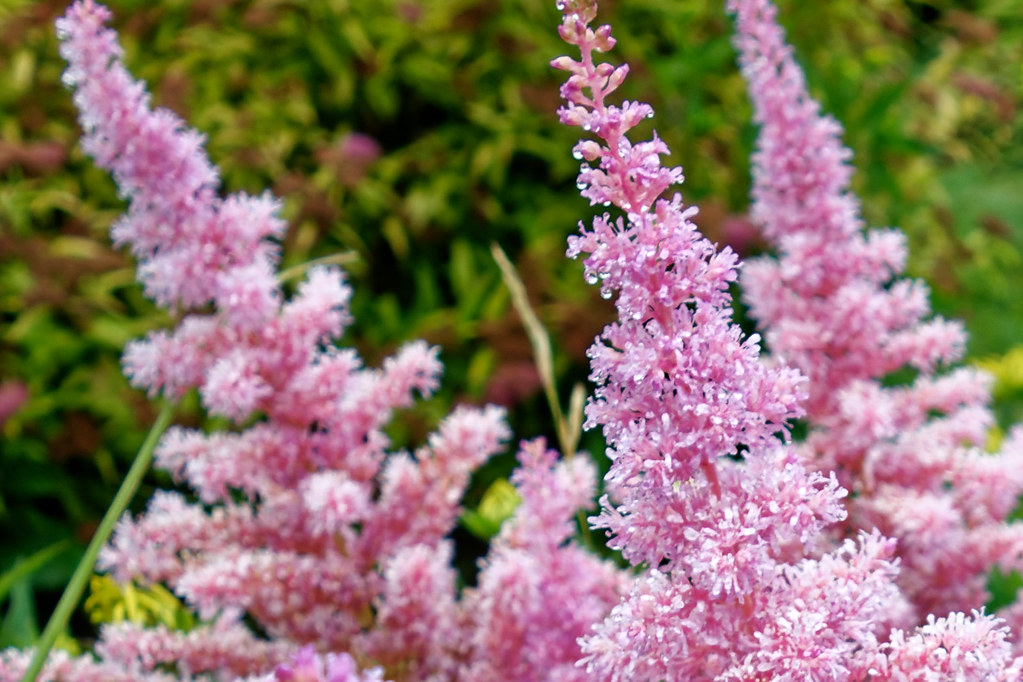
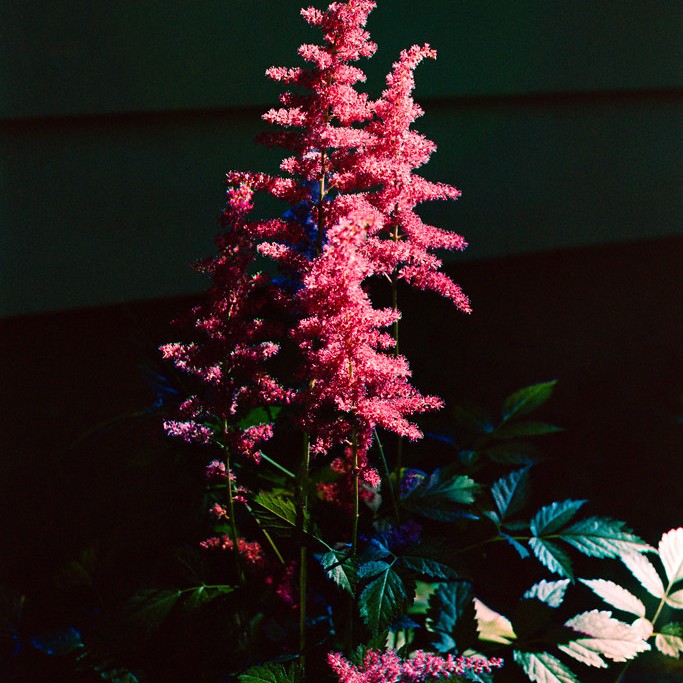
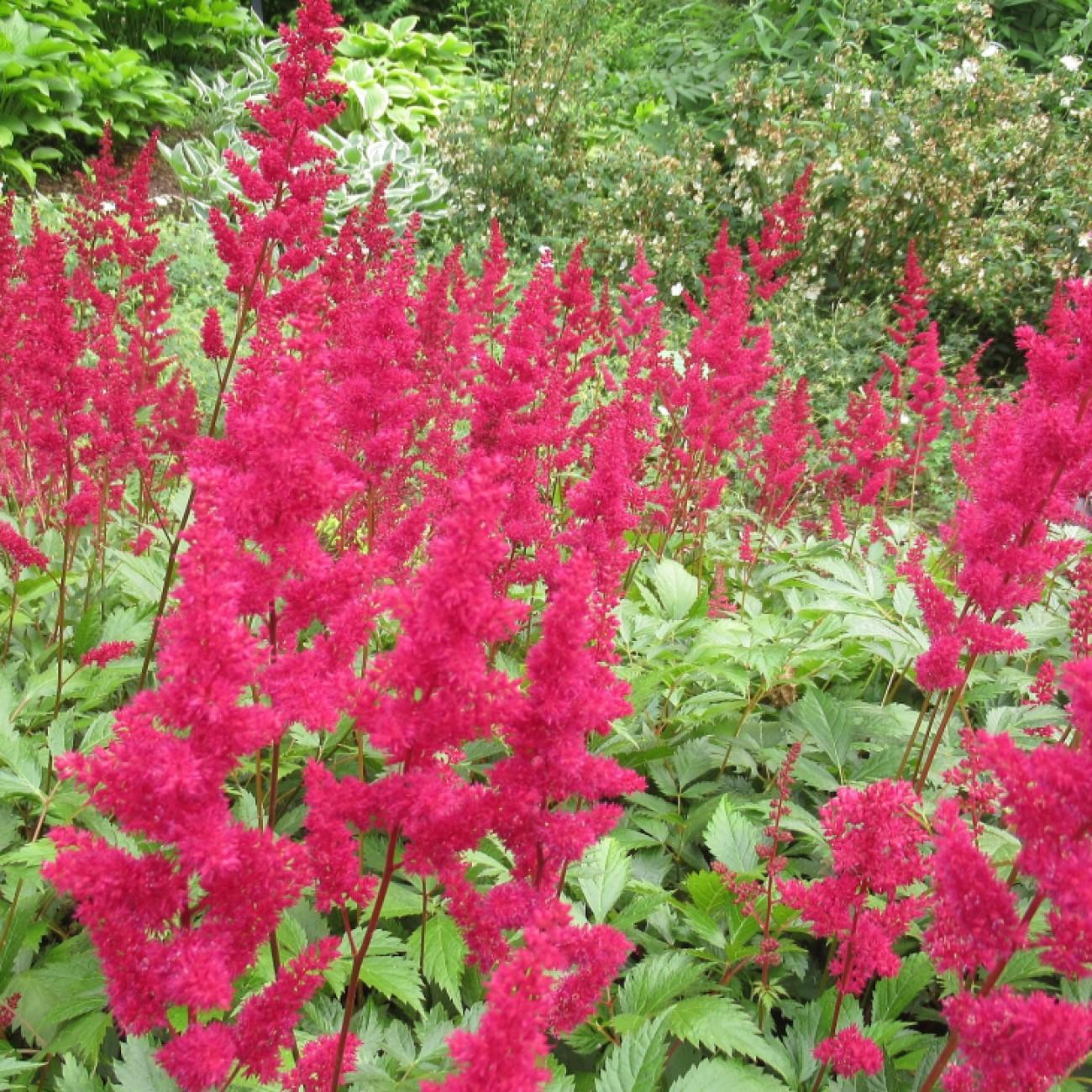
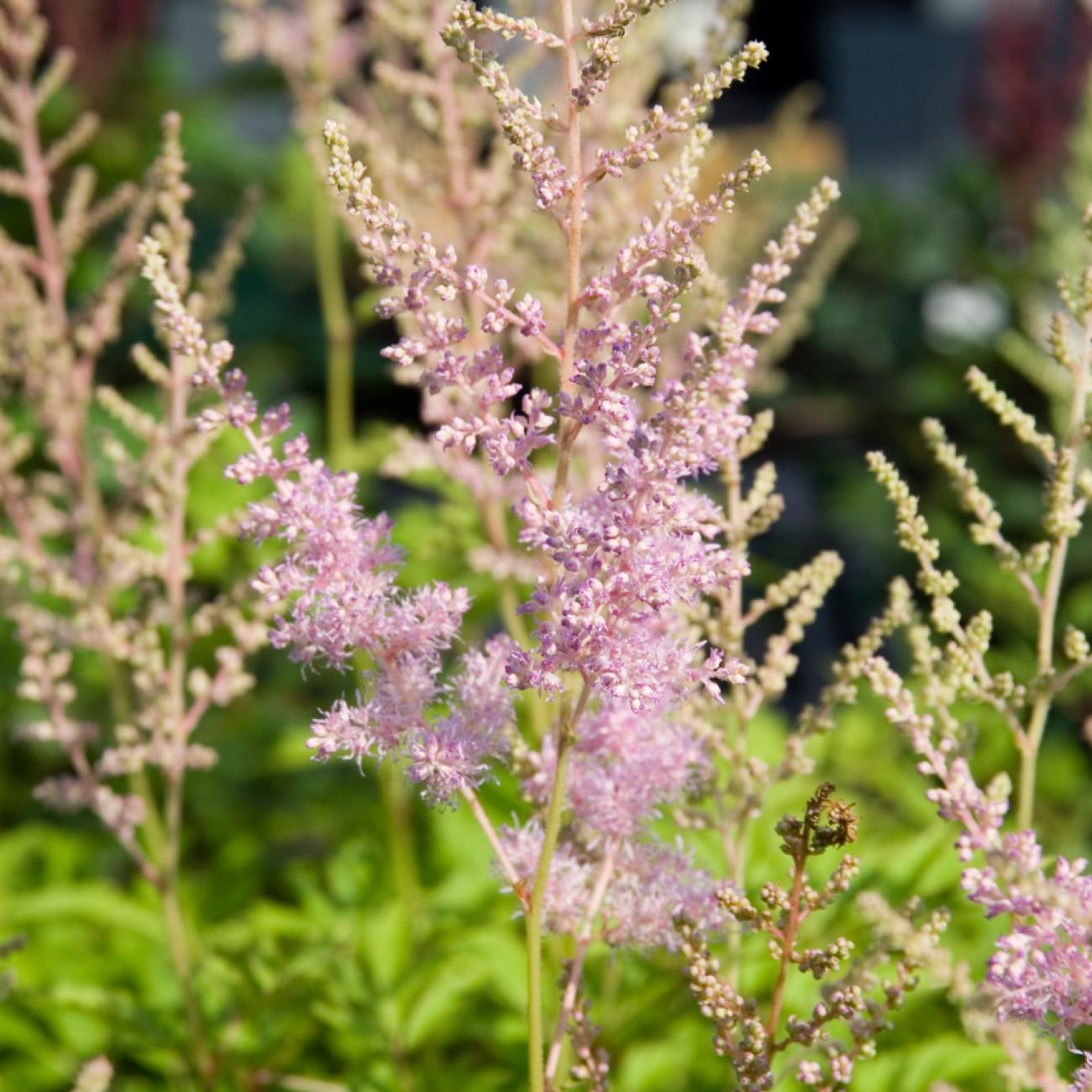
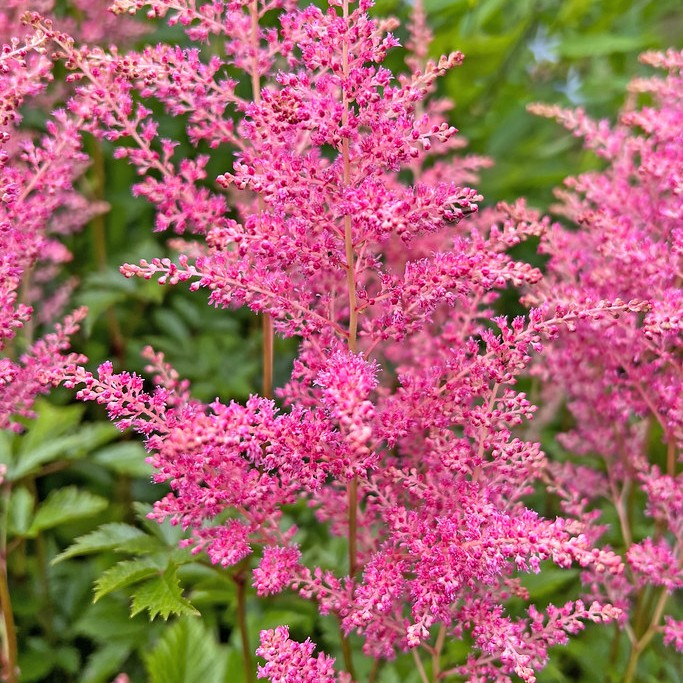
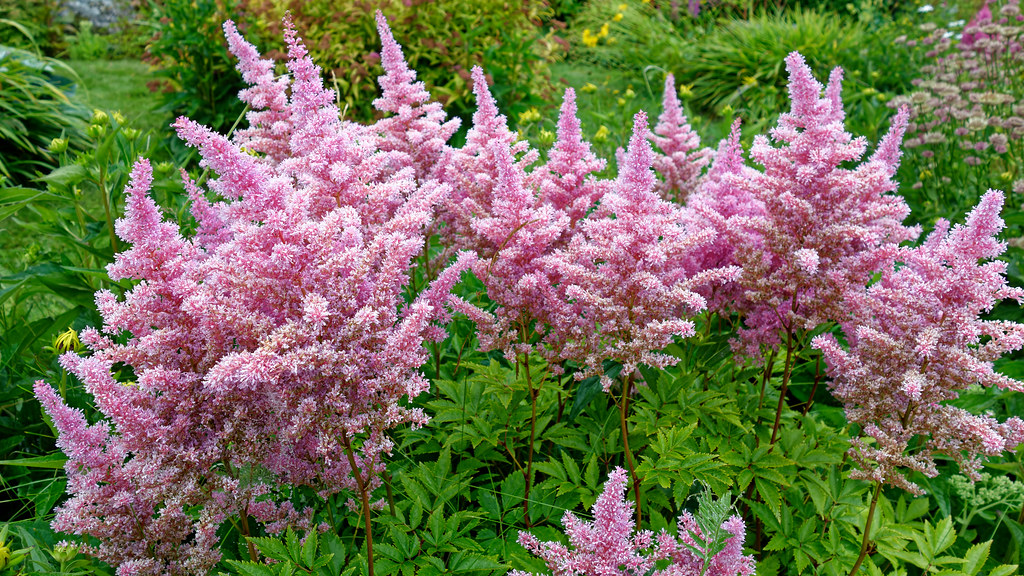
Astilbe japonica 'Montgomery' is a stunning plant. With vibrant purple plumes that dance atop its green foliage, this lovely perennial is sure to add beauty to gardens and landscapes alike. It blooms in summer and thrives in part-shade and moist soil. This remarkable plant provides color and texture to the garden and is a food source for beneficial insects like butterflies. Its exceptional drought and heat tolerance enables it to thrive in summer. Its lush foliage creates stunning contrast with other plants in the landscape, while its tall flower stalks produce a unique effect on the garden. Astilbe japonica 'Montgomery' is a stunning and hardy addition to any garden!
Care Guide
Watering
For best results, water Astilbe japonica 'Montgomery' plants often enough to keep the soil moist, but not soggy. Thus, be sure to provide moderate weekly watering throughout the growing season. Let the soil dry out slightly between waterings, but not so much that the plants look wilted. To help keep the soil evenly moist, consider adding a layer of mulch at the base of the plants. Water deeply each time to ensure that the entire root zone is evenly moistened. As a general rule, during the hot summer months, the plants should be watered 1 or 2 times per week. As cooler weather approaches, cut back on watering to every 2 to 3 weeks. During the winter months, hold off on watering and only water if the soil is completely dry and cracked.
Light
Astilbe japonica 'Montgomery' is a shade-loving plant that should receive 3-4 hours of sunlight each day. Full sun should be avoided as it may cause too-rapid growth and scorching of the foliage. Morning sun with some afternoon shade is best. In winter, when days tend to be shorter, aim for a minimum of 2-3 hours of sunlight per day.
Temperature
Hardiness zone 4–9.
Pruning
Astilbe japonica 'Montgomery' should be pruned in early spring, just before the new growth appears. Pruning should involve cutting away any dead or damaged stems down to the crown of the plant. If pruning for size control, lightly trim back the plant by 1/3 or to desired shape or size. This will result in more full-bodied plants with an improved flowering display.
Propagation
Division, Cutting, Seed Propagation, Layering Propagation
Related plants
Other plants you might like if you grow astilbe.