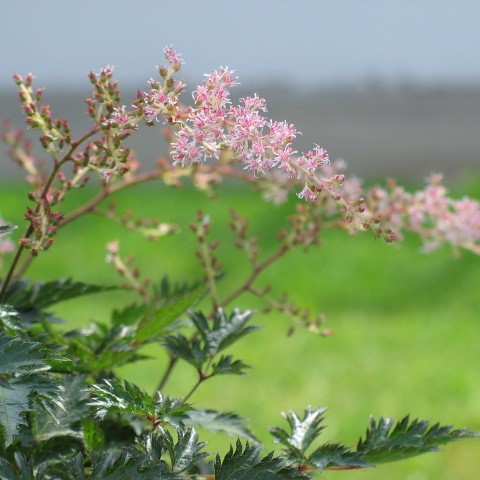
astilbe
Astilbe simplicifolia
Overview
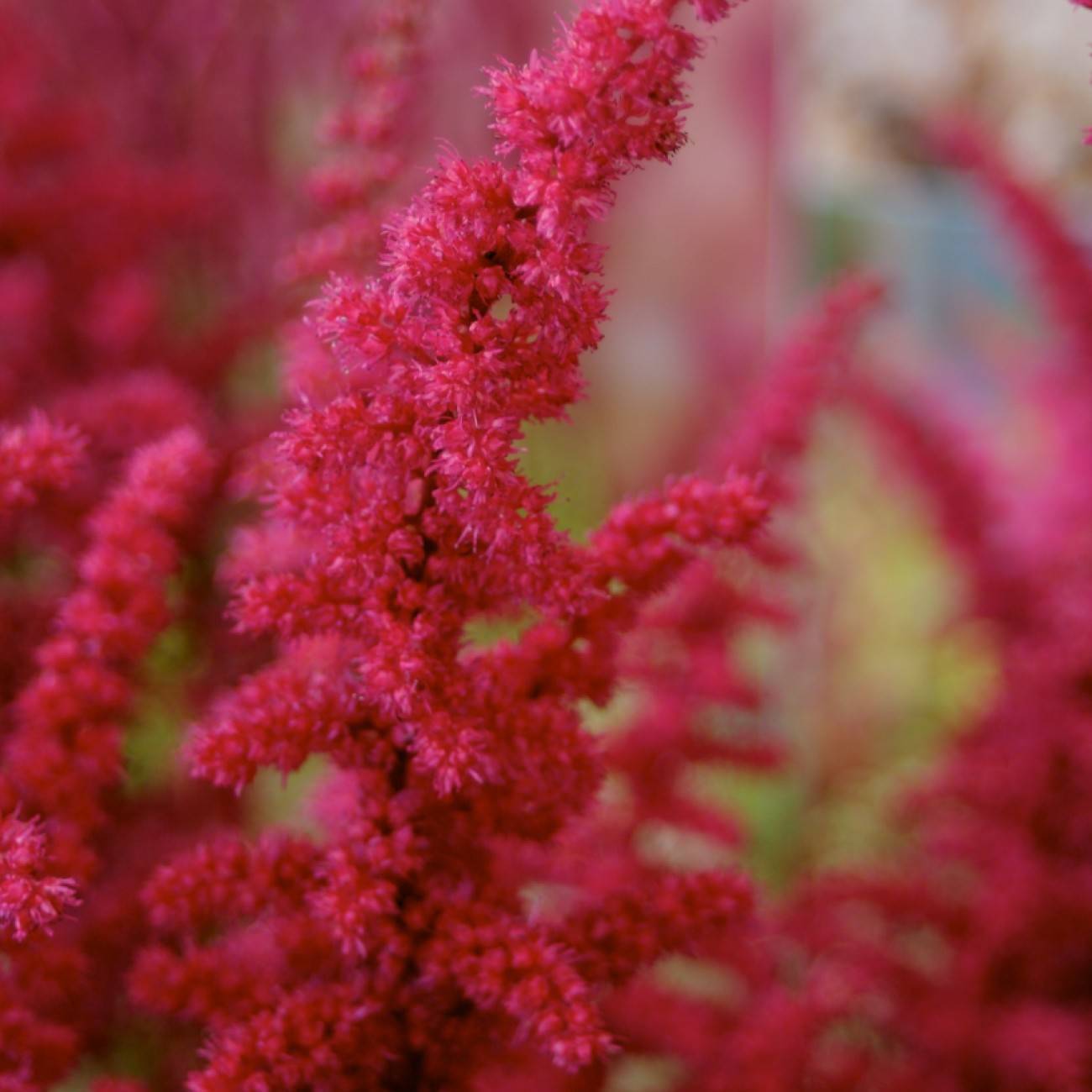
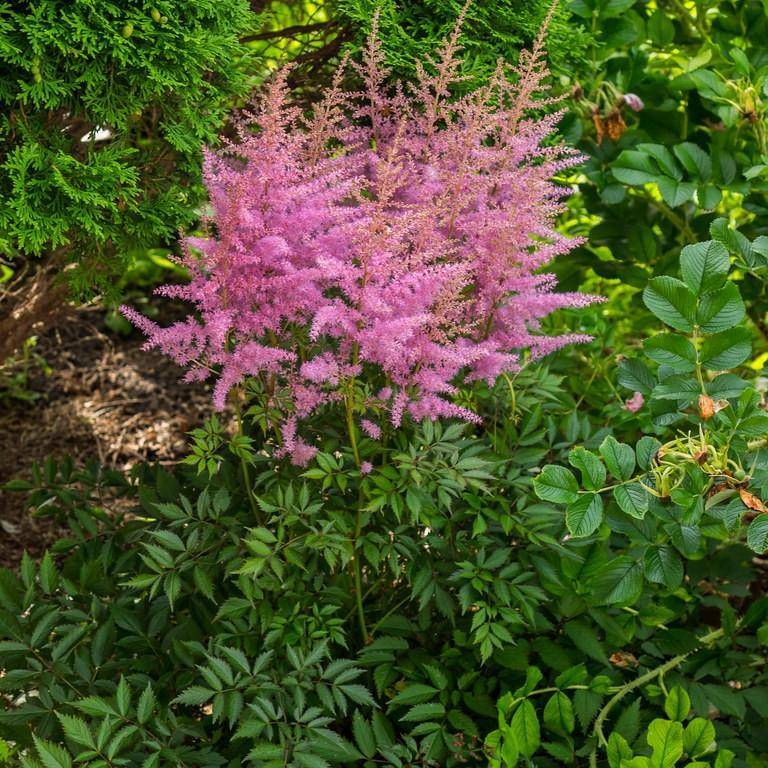
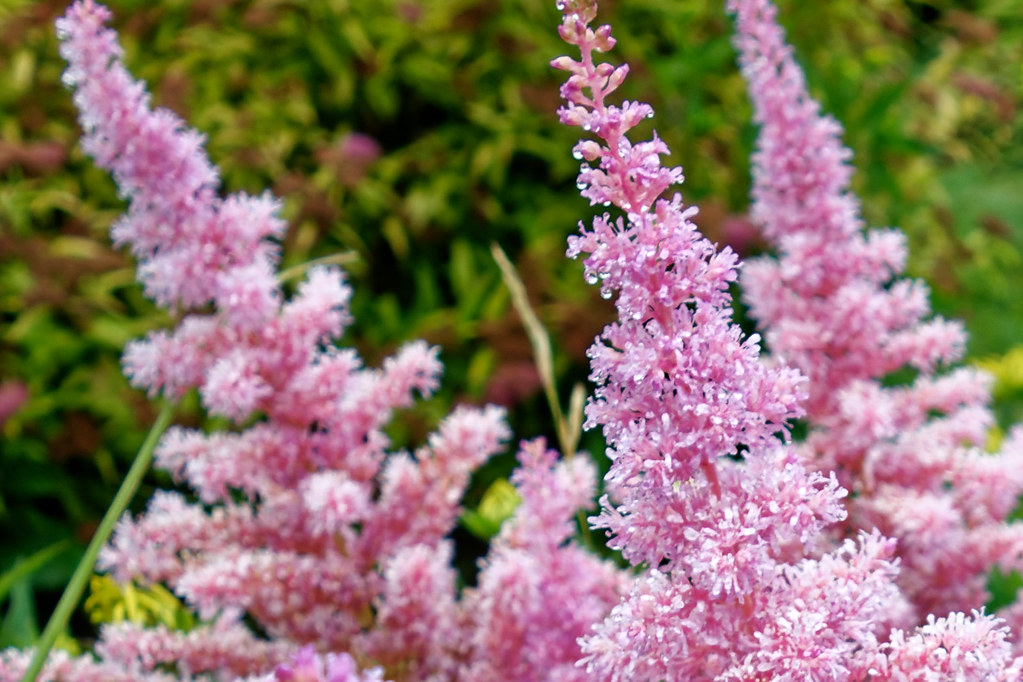
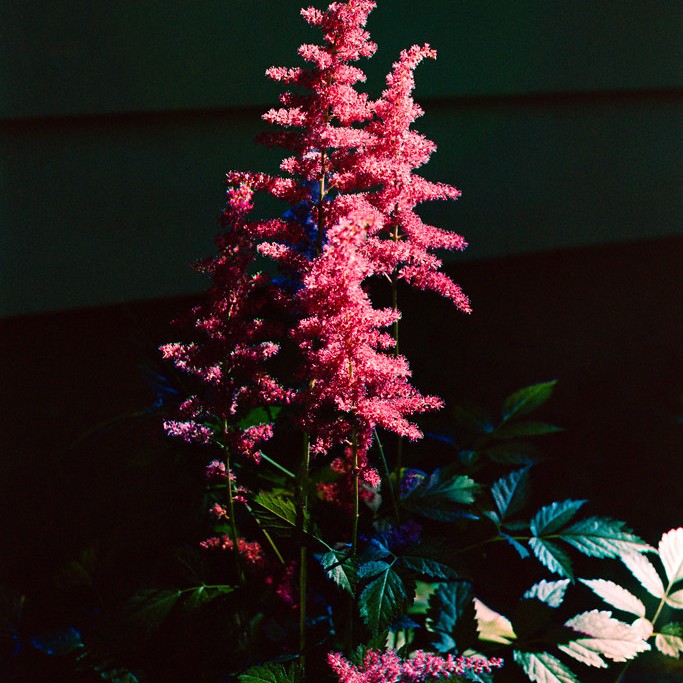
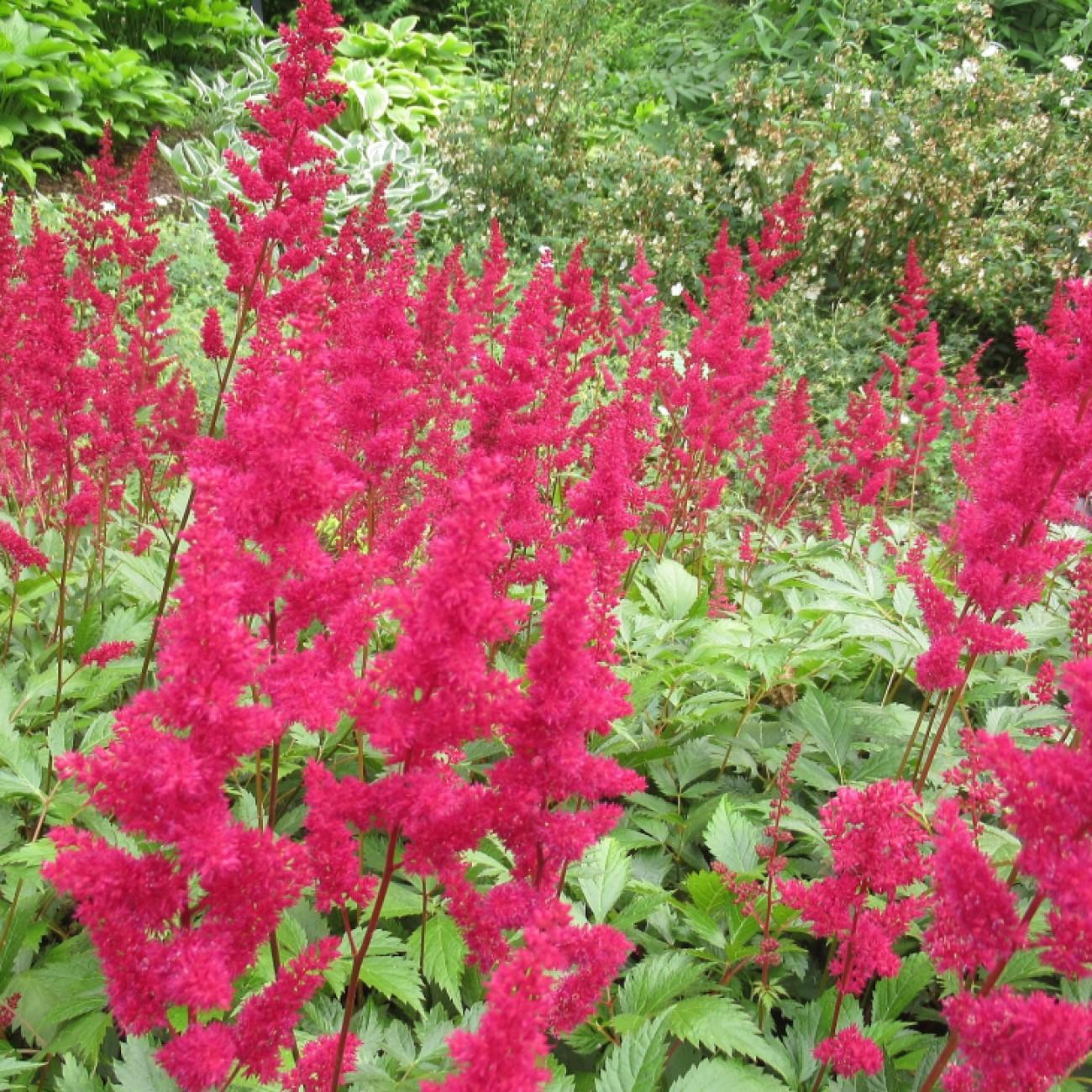
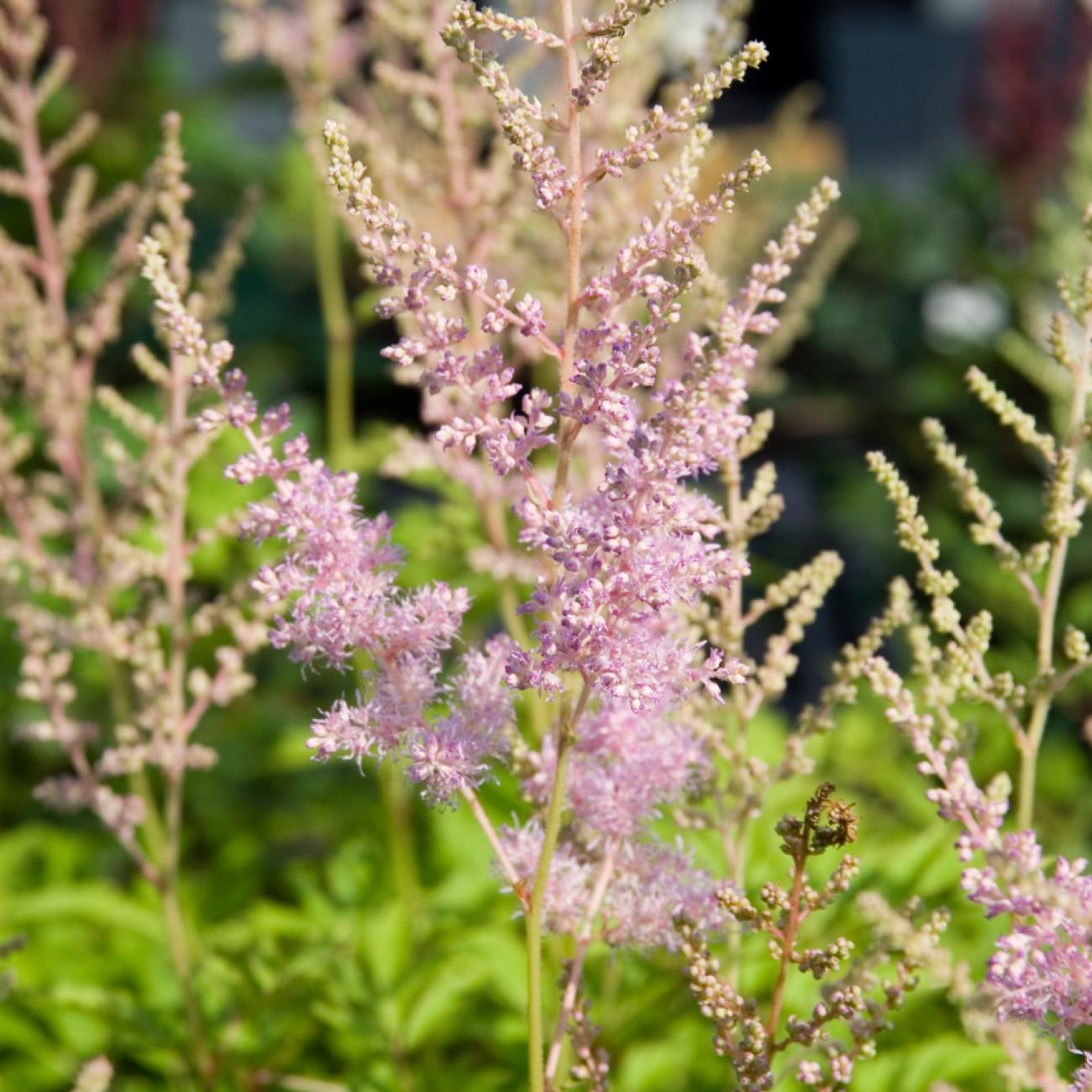
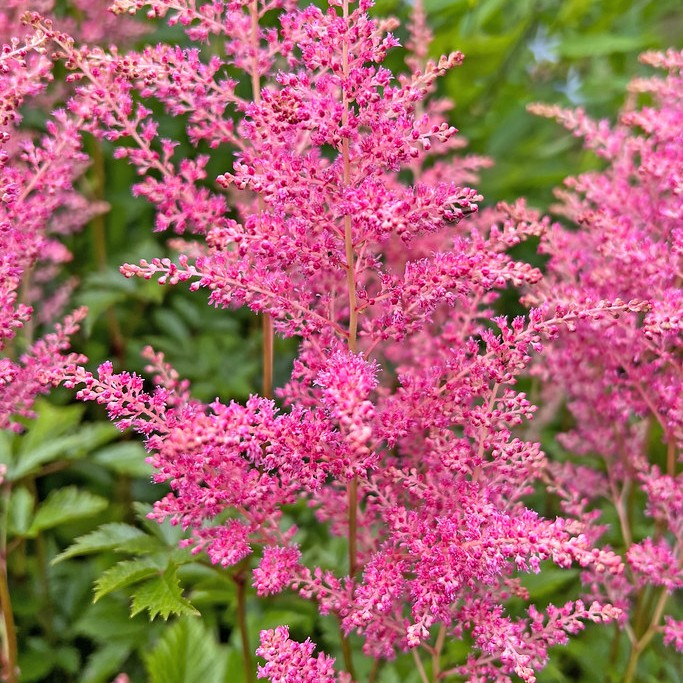
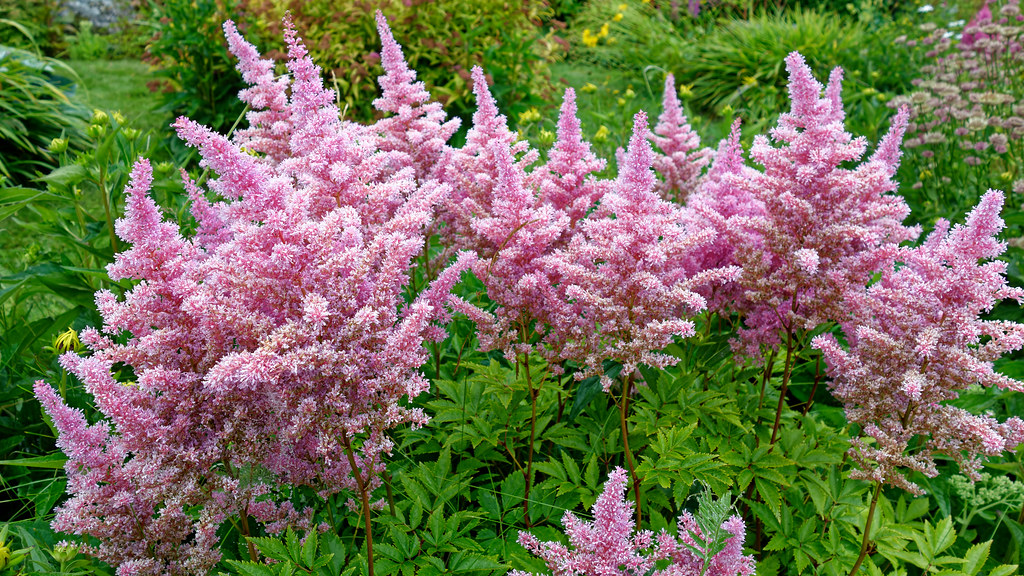
Astilbe simplicifolia is an outstanding garden plant that has been prized by gardeners for centuries. Its vibrant foliage, pinkish-white flowers and feathery branches create an eye-catching statement in any garden. Its lacy blooms last for much of the summer, with captivating purple-pink flower plumes that reach up to a foot tall. Astilbe simplicifolia is incredibly resistant to deer, drought, hurricanes, and other tough environmental conditions, making it an excellent choice for home gardeners in all kinds of climates. Furthermore, this plant is highly attractive to butterflies and hummingbirds, making it a great addition to any garden in need of pollinators.
Care Guide
Watering
Astilbe simplicifolia needs evenly moist soil to thrive. To maintain moisture, water thoroughly at least once a week during the summer months when the temperatures are hot and dry. In cooler weather, water about every 2 weeks—enough to keep the soil just slightly moist but not soggy. In the winter months, water about once a month, as temperatures drop and the soil dries out quickly. Provide additional water during prolonged dry or unusually hot spells.
Light
Astilbe simplicifolia, commonly known as false goatsbeard, typically enjoys an abundance of sunlight. When grown in an optimum environment, these plants will typically receive 6-8 hours of full sunlight each day. Partial shade is an acceptable alternative to direct sunlight, but direct sunlight should be available for part of the day. For plants grown in part shade, increasing the amount of sunlight the plants receive to 6-8 hours of full sunlight per day will encourage healthy foliage and flower spike growth. During the summer months, afternoon shade may be beneficial in humid climates.
Temperature
Hardiness zone 4–8.
Pruning
Pruning astilbe (Astilbe simplicifolia) should be done each late winter or early spring when the plant is still dormant. Generally, it is best to take shears and cut off all of the previous season’s flower stalks, as these no longer provide any value to the plant. This will help to promote better air circulation and light penetration for the newer foliage growth. Additionally, the earlier you prune, the softer the plant material will be, making pruning easier. As a general guideline, avoid pruning more than 1 third of the overall plant at any given time. If needed, astilbe can be lightly shaped throughout the growing season, but avoid cutting into existing foliage.
Propagation
Division, Cutting, Seed Propagation, Layering Propagation
Related plants
Other plants you might like if you grow astilbe.