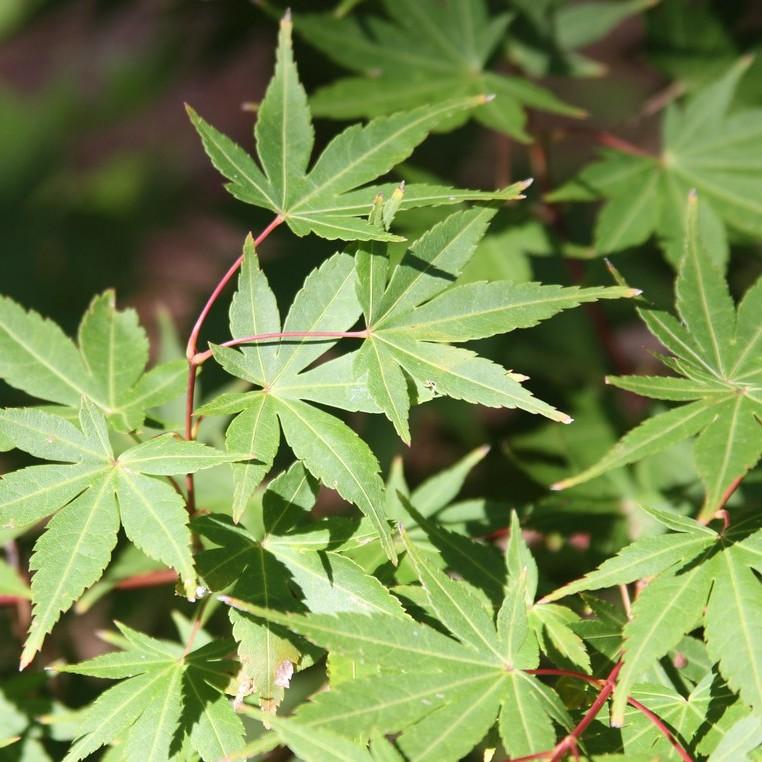
Beni Kawa Coral Bark Japanese Maple*
Acer palmatum 'Beni Kawa'
Overview
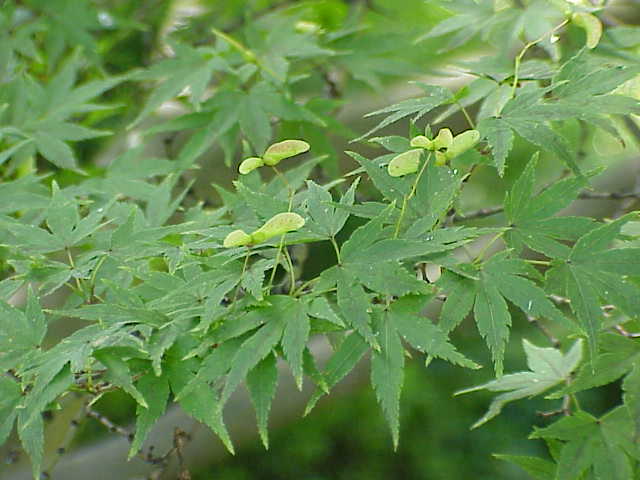
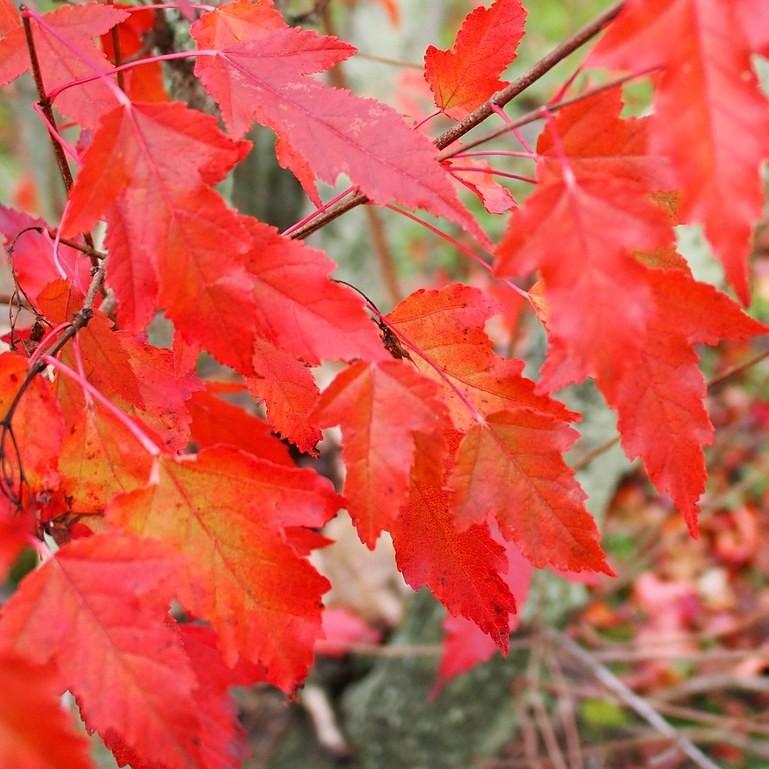
The Beni Kawa Coral Bark Japanese Maple is a captivating sight! This small tree is admired for its stunning coral-red bark and vibrant yellow-green leaves. It's the perfect specimen to adorn any garden, big or small, as it can reach a maximum size of up to 15 feet tall, making it a beautiful small tree with large showy foliage. It is known for its round, elegant shape and its exceptional color range, adding a splash of vivid color to a garden setting. It's also tolerant to most soil conditions and a variety of climates, and can handle full, partial, or even light shade. It's truly a gardener's delight!
Care Guide
Watering
For the Beni Kawa Coral Bark Japanese Maple (Acer palmatum 'Beni Kawa'), it is recommended to water the plant deeply, at least twice per week. The exact amount will depend on the time of year, the conditions the plant is growing in and the water requirements of the soil. During summer, water the plant more frequently as the plant tends to require more moisture during this period. However, in winter the plant can be watered less frequently and only when the top 2 inches of the soil in the pot, are dry. It is important to avoid over-watering as this can cause issues such as root rot. Additionally, providing adequate drainage can help avoid water logging.
Light
Beni Kawa Coral Bark Japanese Maples should be planted in an area that receives a full day's worth of sun, at least 6-7 hours. This species of maple prefers morning sun and afternoon shade, so it is best placed in a spot that will allow it to receive the most consistent amount of sunlight without having a lot of direct exposure later in the day.
Temperature
Hardiness zone 6–6.
Pruning
For Beni Kawa Coral Bark Japanese Maple, pruning should be done in early spring before new growth appears. Pruning should be kept to a minimum; the tree should only be pruned to remove dead, diseased, or crossing branches, and to correct unwanted shape. Generally, only 10-20% of the overall growth should be pruned each year. This allows the plant to keep its natural shape and the branches to thicken, developing strength against wind and other elements.
Propagation
Grafting Propagation, Layering Propagation, Cutting, Air Layering Propagation, Root Division
Guides that mention Beni Kawa Coral Bark Japanese Maple*
Acer Rubrum Red Sunset Maple: Care, Cultivar Comparison, and Planting Guide
Learn how to grow, care for, and choose between Acer Rubrum Red Sunset maple and popular red maple cultivars for your outdoor landscape.
Bloodgood Japanese Maple Care: Growth Rate, Growing Tips, and Maintenance Basics
Learn how to care for your Bloodgood Japanese Maple, plus how fast this popular ornamental tree grows to help you plan your garden layout.
Related plants
Other plants you might like if you grow Beni Kawa Coral Bark Japanese Maple*.