Bermuda grass
Cynodon dactylon 'Yukon'
Overview
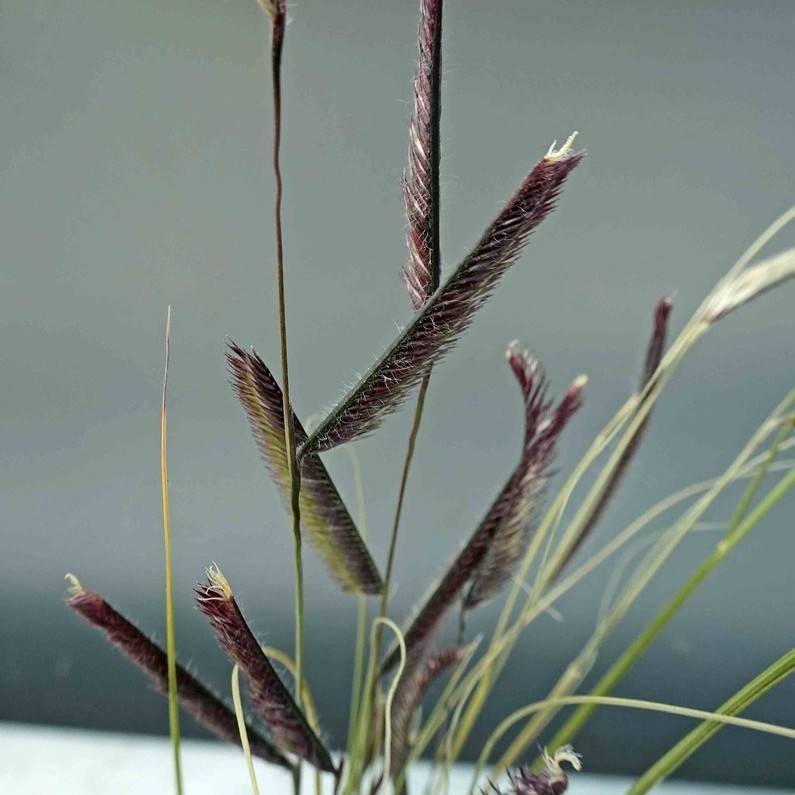
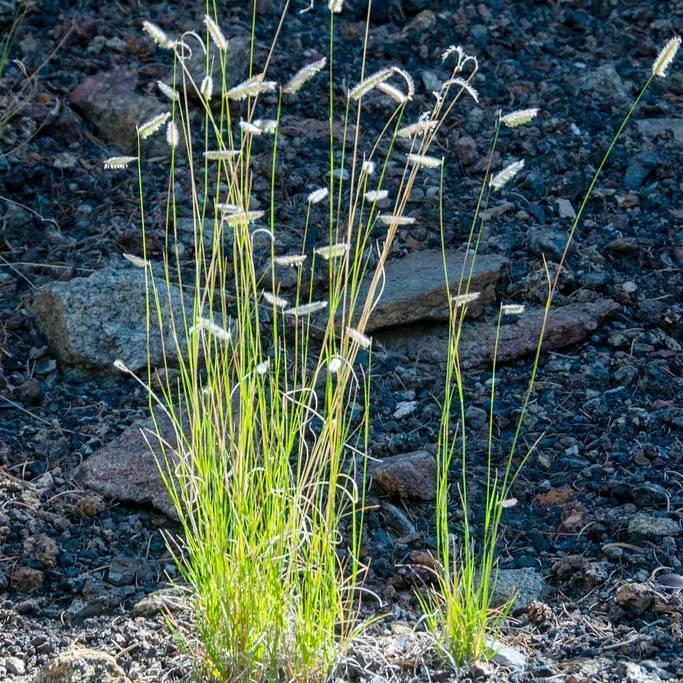
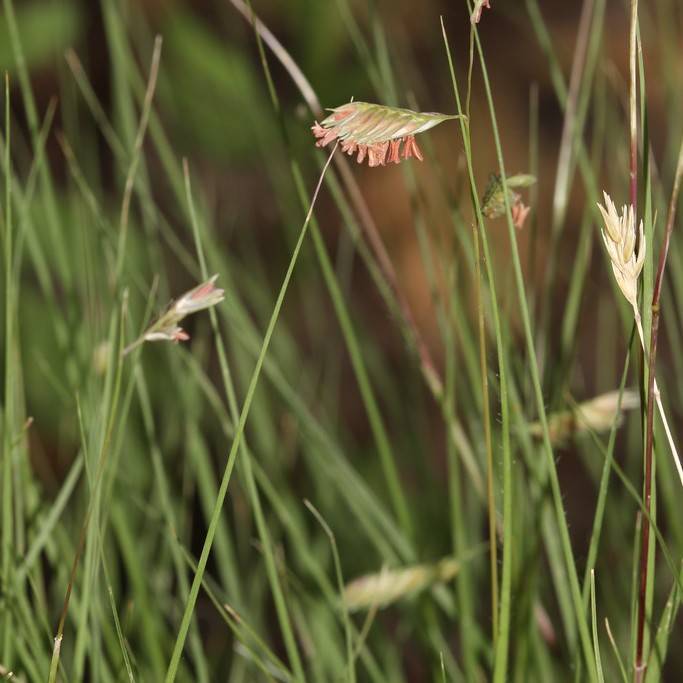
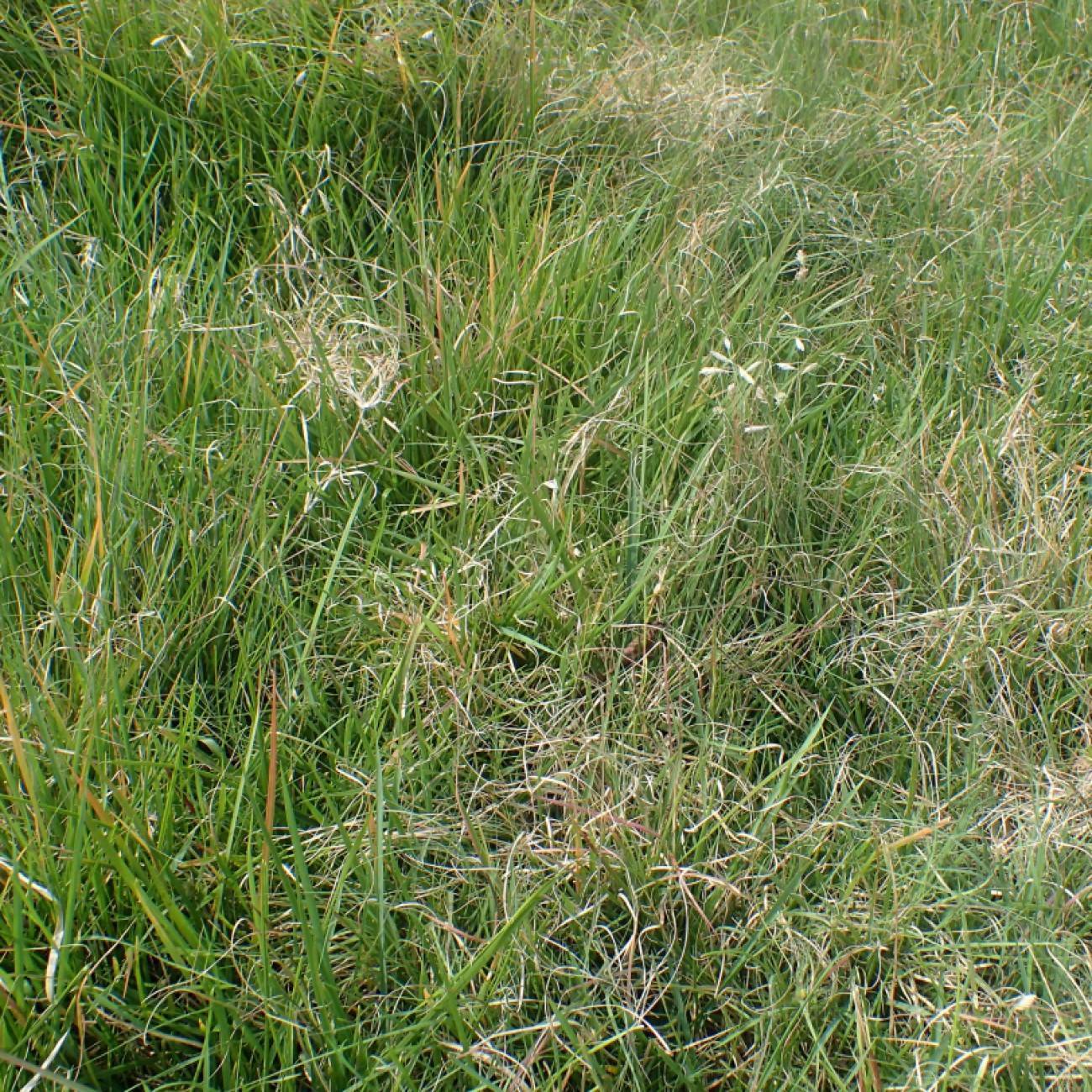
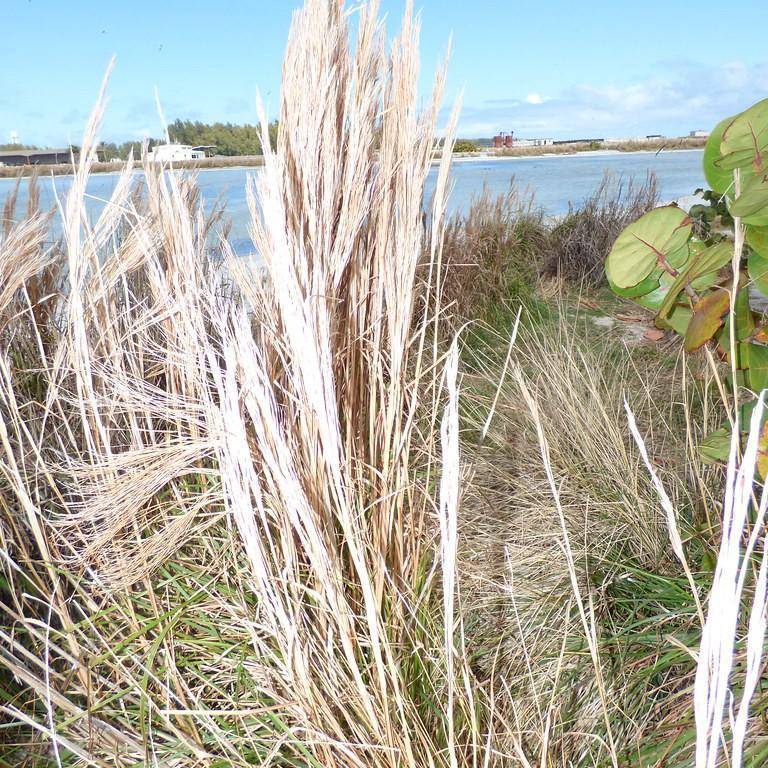
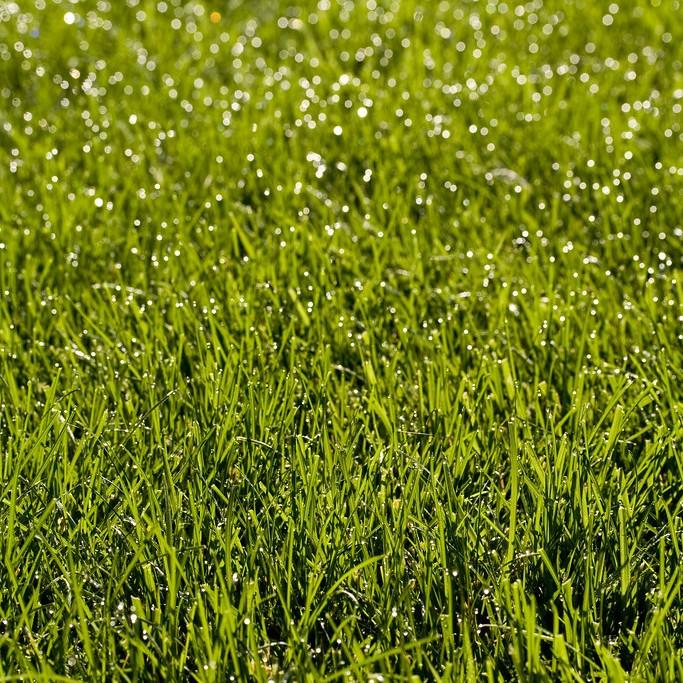
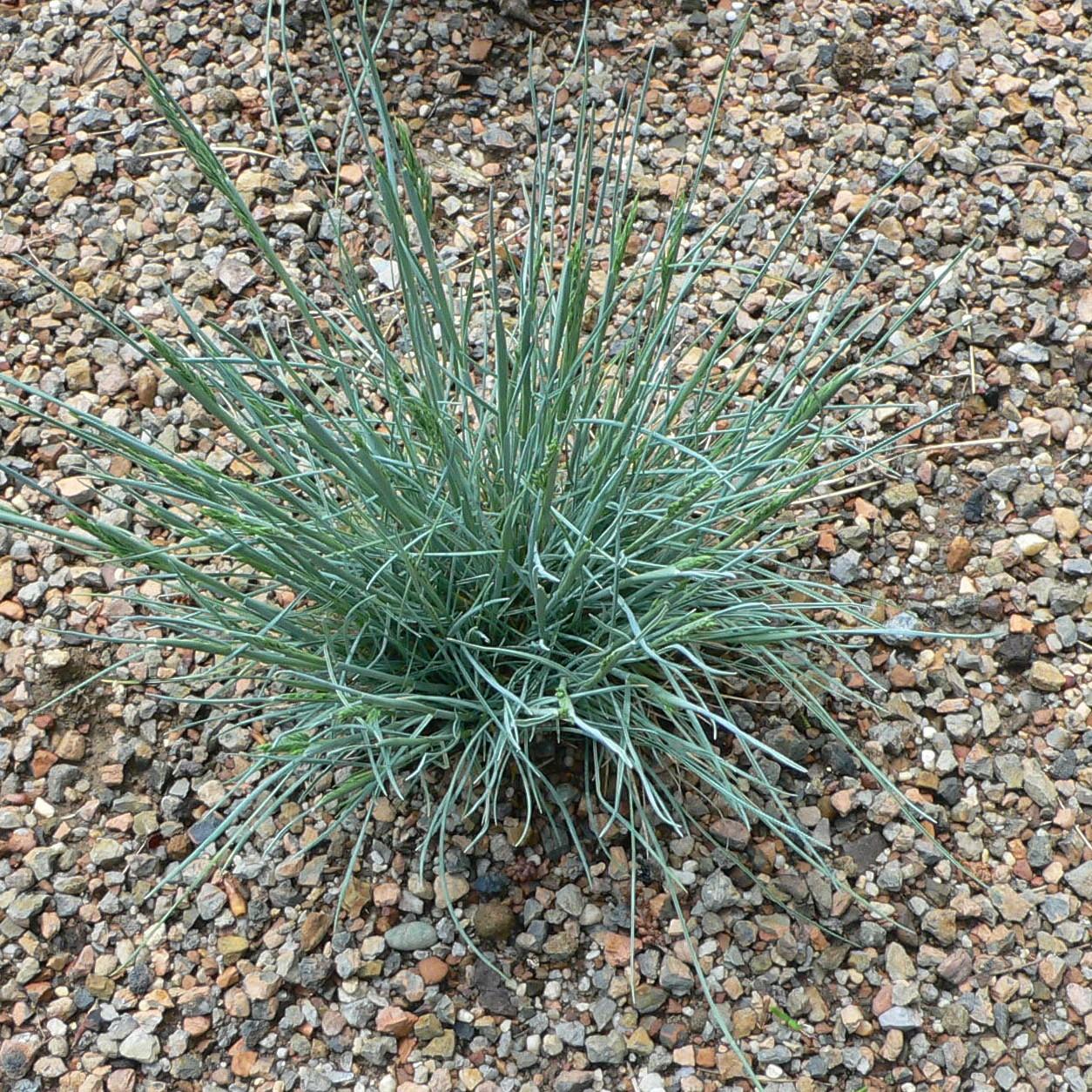
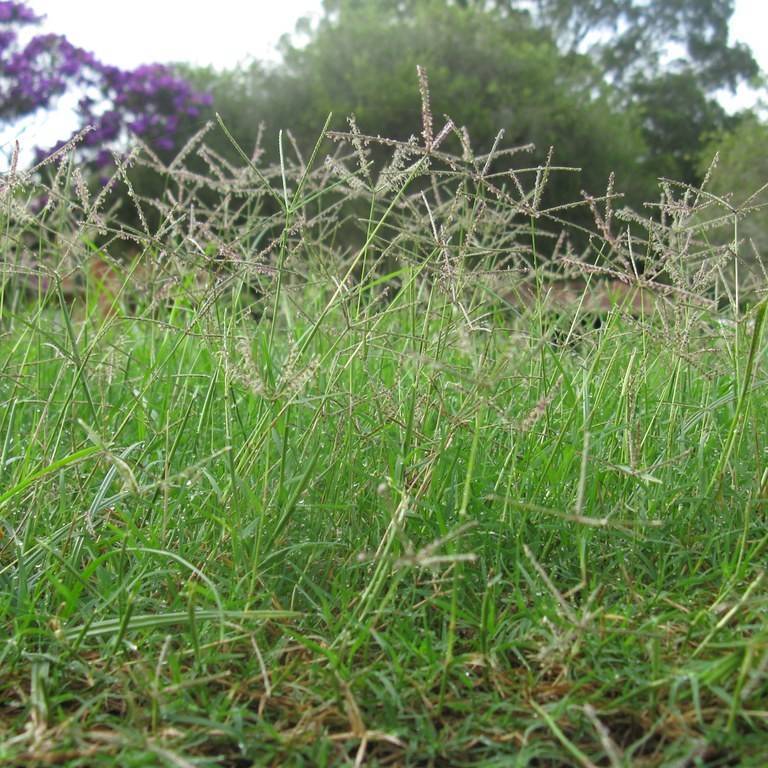
Bermuda grass (Cynodon dactylon 'Yukon') is amazing for many reasons. One of the most notable is its extreme hardiness and resilience. It can withstand extreme temperatures, and drought or flooding. Plus, it is incredibly low maintenance: it spreads quickly and has a high tolerance for wear and tear. It’s also highly attractive, with deep-green, waxy leaves and a lush, thick texture. With its multiple uses, Bermuda grass 'Yukon' is a great choice for yards, sports fields, and golf courses alike. If you’re looking for a hard-wearing and attractive grass, this is the one.
Care Guide
Watering
When watering Bermuda grass, it is important to keep the soil consistently moist, but not soggy. The average amount of water should be about 1 to 1.5 inches per week, depending on the amount of sunlight and temperature. Water the grass in the morning so the blades have time to dry out during the day, reducing the risk of disease. In the hottest months, increase watering frequency to twice per week and provide 1 to 2 inches of water. In colder months, reduce water frequency to once every other week. Make sure to water deeply, providing 1 to 1.5 inches of moisture to the root zone. This ensures adequate hydration and helps minimize the development of shallow roots.
Light
Bermuda grass (Cynodon dactylon 'Yukon') does best in full sunlight, receiving at least 8 hours per day. It should be exposed to direct sunlight during its peak growing season: April through August. If planted during cooler months, such as October through February, Bermuda grass should be exposed to the full sun for at least 6 hours a day. During the heat of summer, the plant may require shade during the hottest part of the day.
Temperature
Hardiness zone 7–10.
Pruning
Bermuda grass (Cynodon dactylon 'Yukon') requires regular pruning throughout the year for best results. This includes light mowing from spring to autumn and more extensive trimming during the dormant winter months. In the spring, mow the grass as needed to remove dead growth and to even out the lawn’s appearance. Increase the mowing frequency throughout the spring and summer to keep the grass at 1-2 inches in height. In the winter, the grass will go dormant and require an extensive trimming to promote new growth in the spring. This can be done by mowing the grass to a height of 1/2 inch. At this time, it is also beneficial to apply a winter-specific fertilizer to provide nutrients to the roots of the grass. To keep Bermuda grass healthy, regular pruning is required throughout the year. Mow as needed throughout the spring and summer, and perform an extensive winter trim to help promote new growth in the spring.
Propagation
Seed Propagation, Stolon, Planting Runners, Vegetative Plugging
Related plants
Other plants you might like if you grow Bermuda grass.