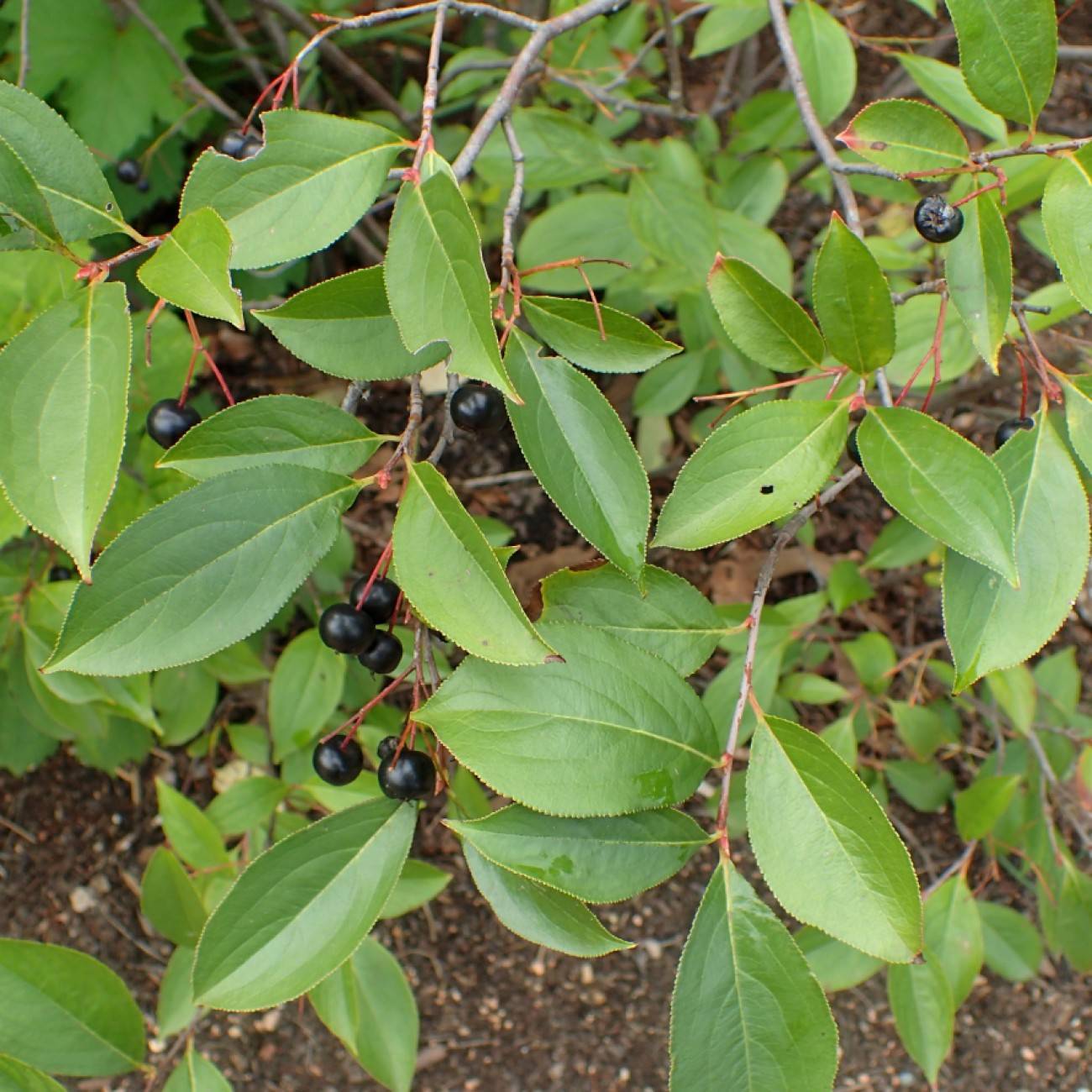
black chokeberry
Aronia melanocarpa var. elata
Overview
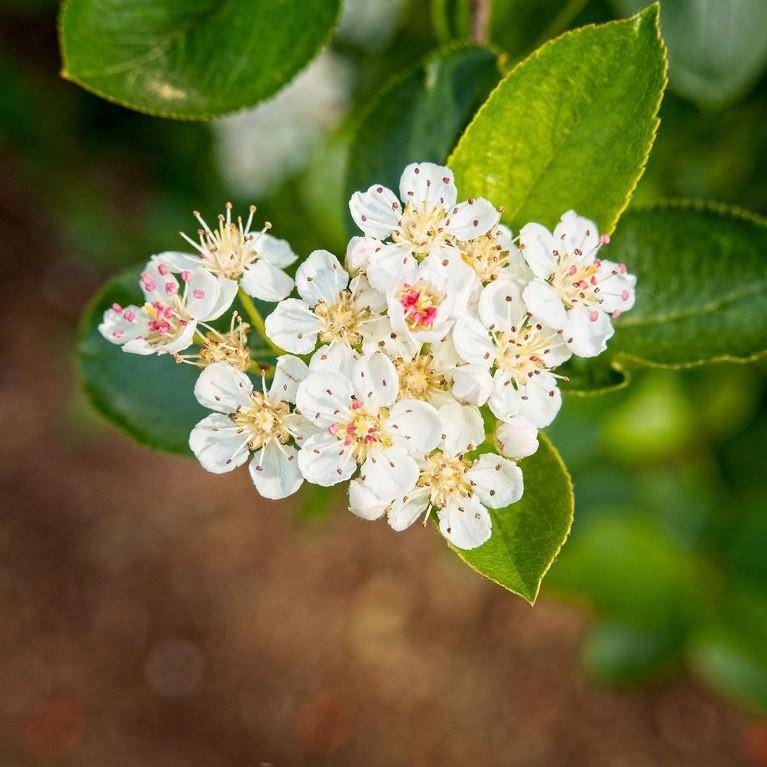
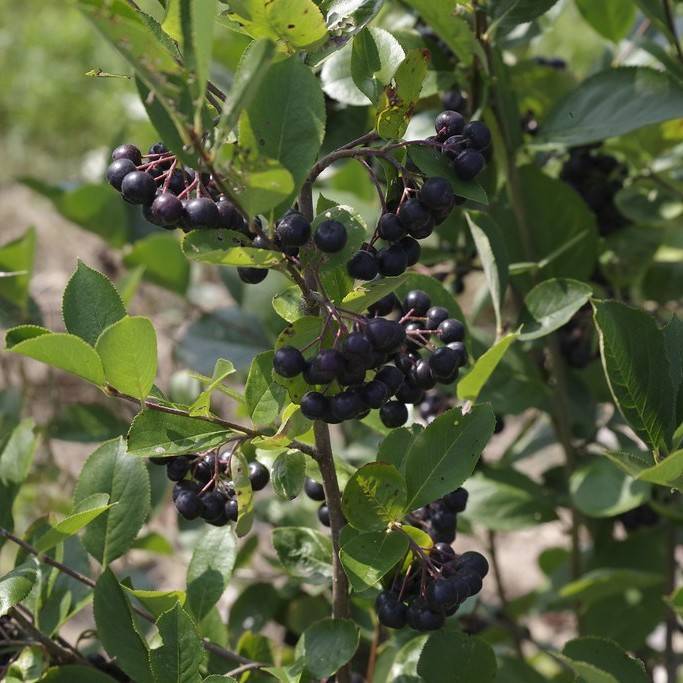
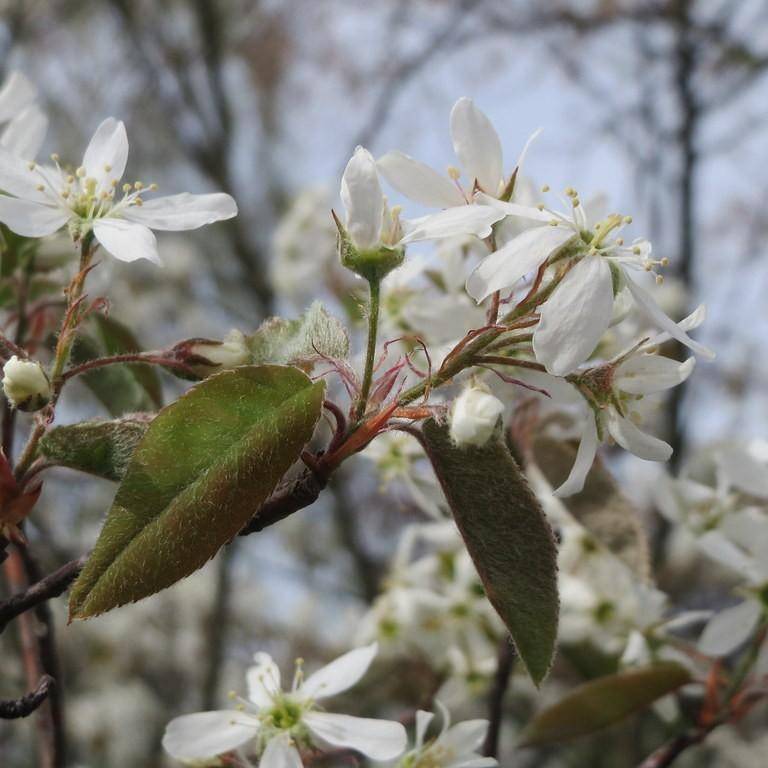
Black chokeberry (Aronia melanocarpa var. elata) is a truly amazing plant species that belongs in every garden! Not only is it an exquisite ornamental shrub with glossy dark green foliage and stunning clusters of creamy-white flowers, but it also produces dark, juicy berries. These tart berries can be eaten right off the bush or used in a variety of culinary treats. Not to mention, black chokeberry is also a hardy plant that grows well in a variety of soil types and is highly resistant to diseases and pests. And though it may require some extra pruning, its worth the effort to keep it looking its best and protetct its abundance of deliciously nutritious berries.
Care Guide
Watering
Watering a Black Chokeberry is an important part of keeping it healthy. As with any plant, the amount and frequency of water must be monitored to avoid under- or over-watering. Black chokeberry requires well-drained soil and should be watered deeply but infrequently. Generally, it is best to water the plant when the first inch of soil is dry. Depending on the season, this could be once or twice a week. During the summer months, it is best to give an Aronia melanocarpa var. elata an additional deep watering every 10 days to help ensure its health.
Light
Black chokeberry is a deciduous U.S. native plant that prefers full sun to partial shade exposure. It does best when grown in full sun for at least 6 to 8 hours of direct sunlight per day; however, it can also tolerate some shade. When planted in certain regions of the U.S. where extended summertime sunlight hours occur, this plant may need to be provided shade during the high intensity noon periods.
Soil
Sandy Clay Rocky
Temperature
Hardiness zone 3–8.
Pruning
When it comes to pruning black chokeberry (Aronia melanocarpa var. elata) plants, it is generally recommended to prune lightly in the spring. Pruning should be done annually to remove dead branches, crossing branches, and any vertical shoots. Generally, cutting back the entire plant by about a quarter after flowering has ended and just before new growth begins is recommended. Pruning the tops of the plants slightly lower than the average shrub will also help encourage more upright growth. The best time to prune is early spring, before the new growth begins.
Propagation
Seed Propagation, Greenwood Cuttings, Greenwood Cuttings
Uses & Symbolism
Attracts: Birds.
Diseases & Pests
Common pests: Fungal leaf spot, Rust.
Related plants
Other plants you might like if you grow black chokeberry.