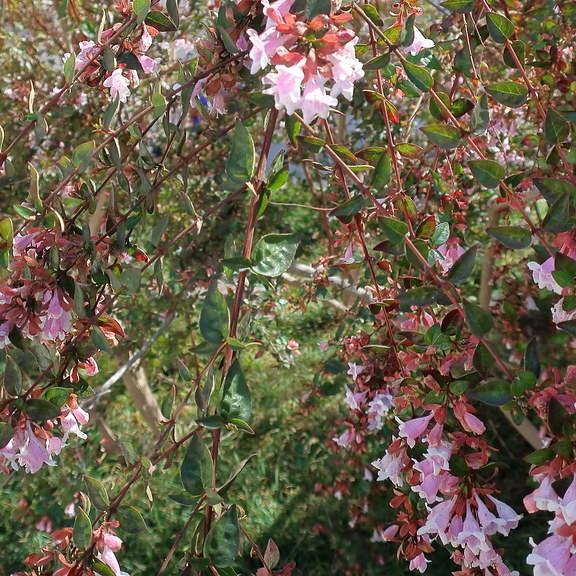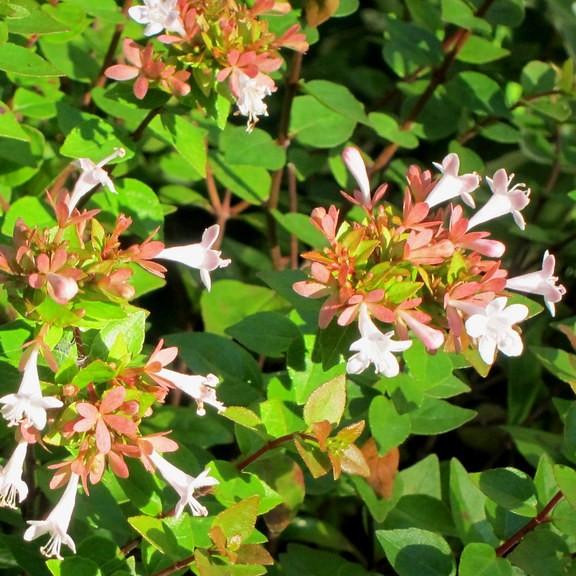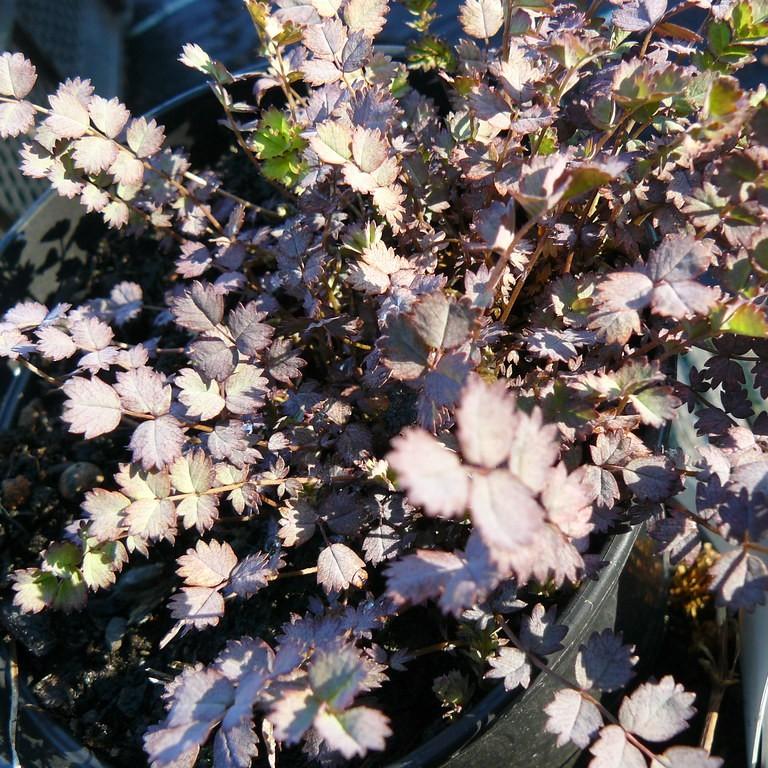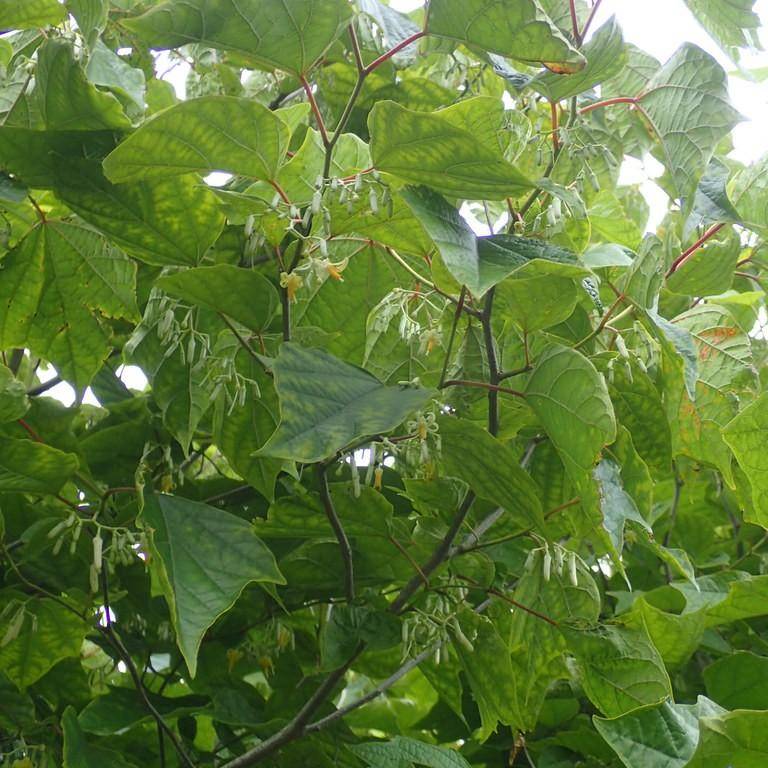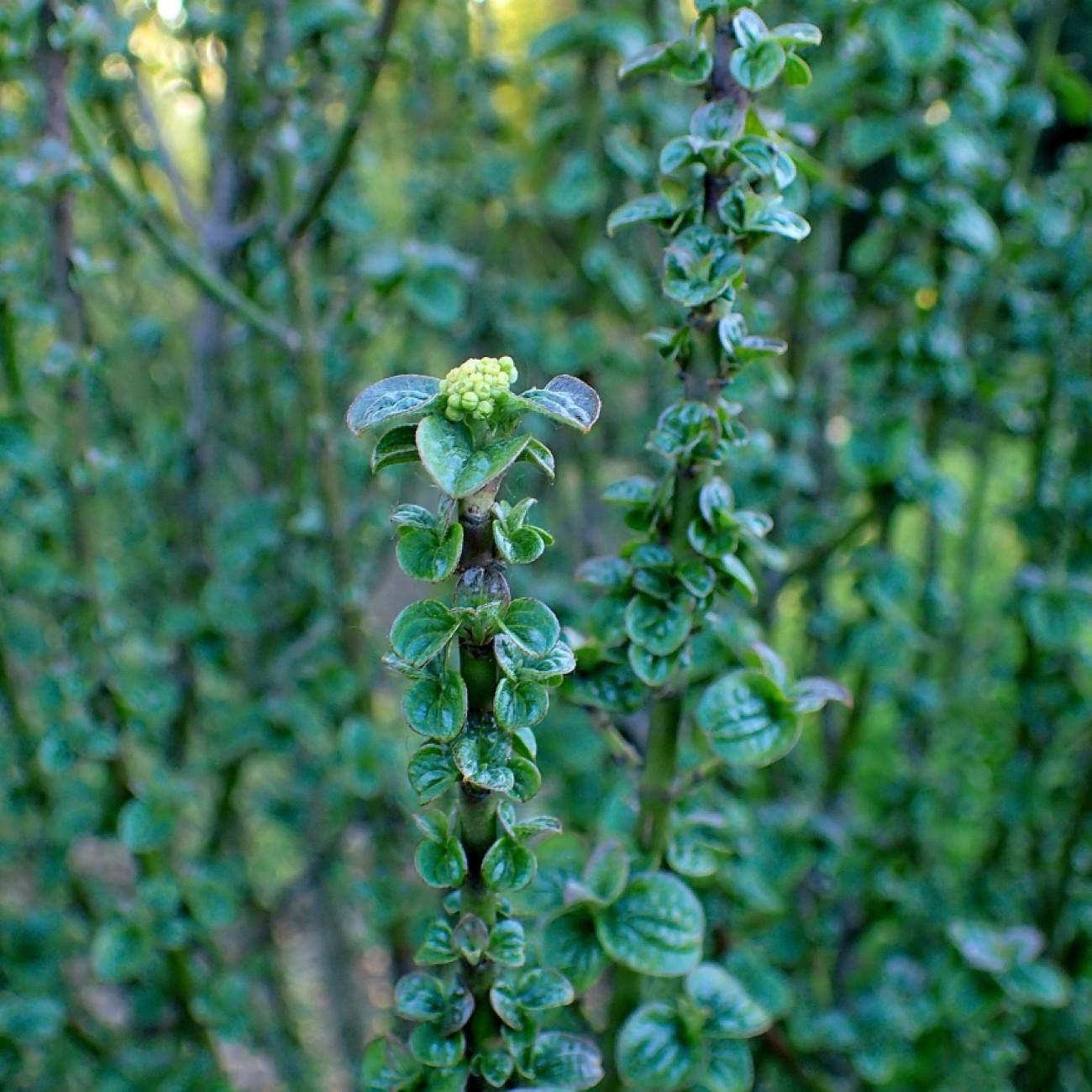
bloodtwig dogwood
Cornus sanguinea 'Compressa'
Overview
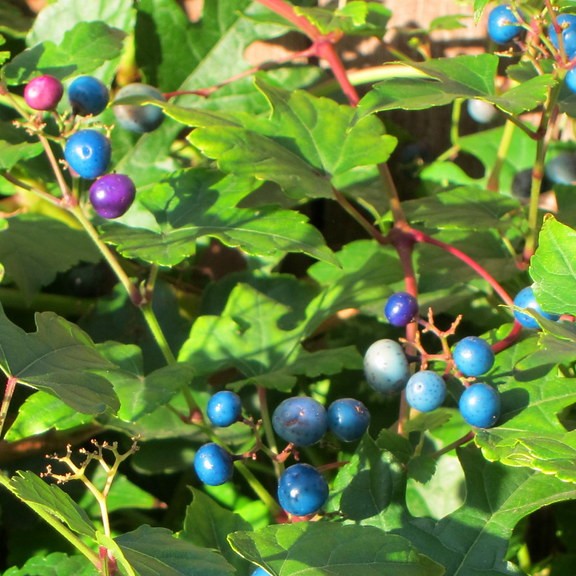
Bloodtwig dogwood (Cornus sanguinea 'Compressa') is an amazing plant species for many reasons. It is a spectacular deciduous shrub with beautiful variegated red-and-gold foliage, which remains colourful throughout the year. During the summer it provides white flowers followed by clusters of small, eye-catching berries. It sports a dense, flat-topped, mounding form, making it an ideal choice as an ornamental border plant, or as a specimen feature in a garden. It is robust and requires minimal maintenance in order to thrive, making it a great choice for novice gardeners. Its removal of pollens and other contaminants from the air, while adding its own unique beauty, adds to its value when incorporated in any garden setting.
Care Guide
Watering
Bloodtwig Dogwood should be watered throughout the growing season, usually from April through September. Water every few days so that the soil is evenly moist to the touch, but be careful not to over-water. Allow the soil to dry a bit between waterings, but never let it become too dry. In the colder months, the water requirements become much less frequent; once every 2 to 3 weeks may be sufficient. When in doubt, watch the leaves – if they appear wilted, it’s time to water.
Light
Bloodtwig Dogwood (Cornus sanguinea 'Compressa') should receive full sunlight for about 6-8 hours a day, but does best when grown in partial to dappled shade. This species of Dogwood thrives in warm climates with a lot of sunshine, but it can also survive in cooler climates with some protection from direct sun. In extremely hot climates it will benefit from a bit of afternoon shade in order to prevent sunburn or leaf scorch. Water deeply but infrequently, allowing soil to become completely dry between waterings.
Temperature
Hardiness zone 4–7.
Pruning
Bloodtwig dogwood should be pruned in late winter or early spring before it starts to leaf out. This will help promote vigorous and healthy growth. Pruning should be done lightly, removing only dead or diseased branches and any crossing branches that may be crowding the plant. Also remove any branches that are growing too close to the ground. When making cuts, use sharp, clean pruners, and avoid cutting too much at once. Pruning too much in a single season can compromise flowering and fruiting.
Propagation
Cutting, Layering Propagation, Grafting Propagation, Division, Seed Propagation
Uses & Symbolism
Attracts: Birds, Butterflies.
Related plants
Other plants you might like if you grow bloodtwig dogwood.