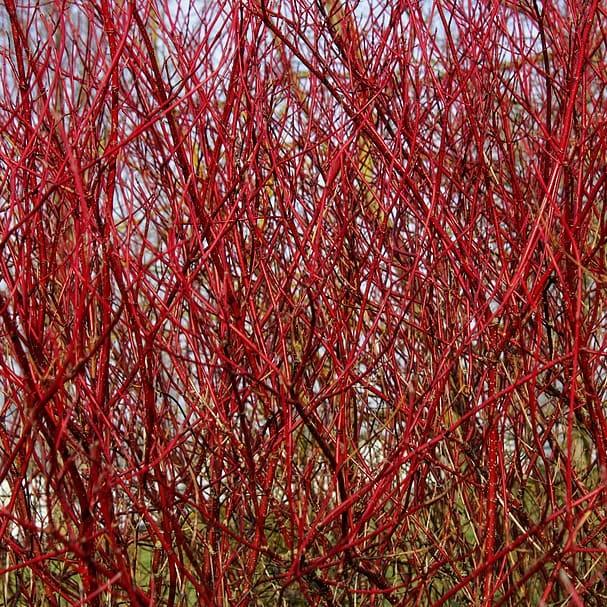
bloodtwig dogwood
Cornus sanguinea 'Winter Beauty'
Overview
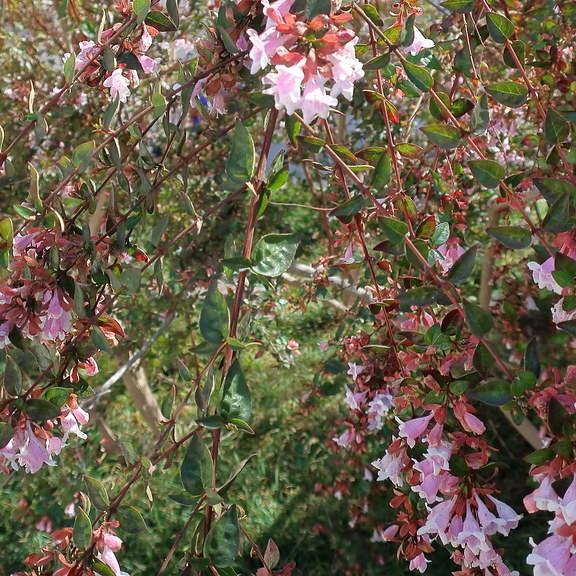
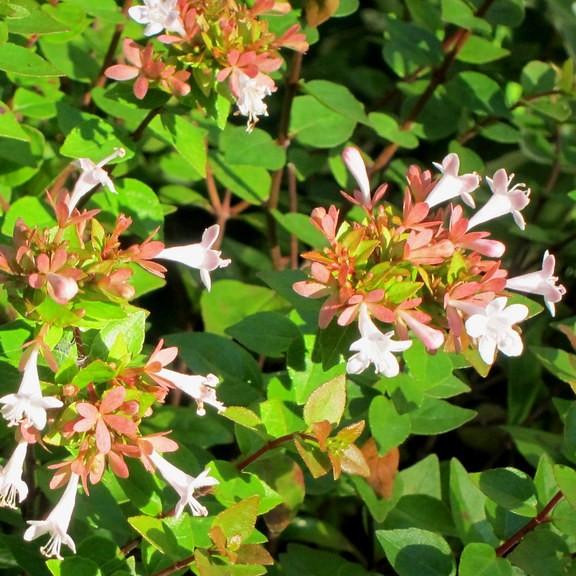
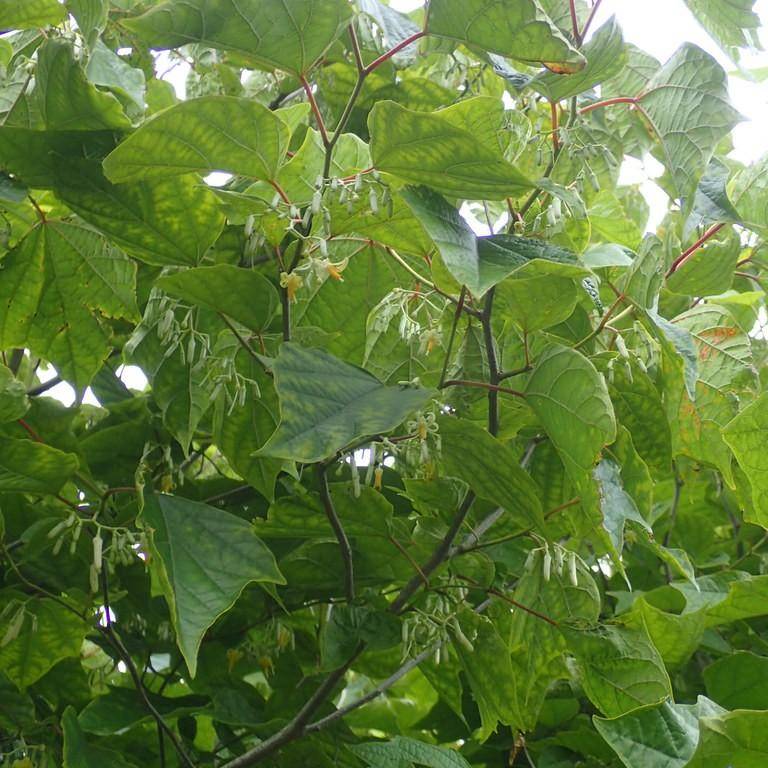
The bloodtwig dogwood (Cornus sanguinea 'Winter Beauty') is an amazing plant species for a few reasons. Its deep red winter twigs and orange-tinted red-brown bark creates an extraordinary winter landscape full of stark contrasts. During summertime, the plant produces tiny white flowers that attract beneficial pollinators, while its bright red fruits attract wild birds. Its versatility also makes it a popular choice for landscapers, thriving in sunny and shady spots alike. Easy to care for, this plant thrives in most soil types and doesn't require frequent pruning. Winter Beauty bloodtwig dogwood is the perfect addition to any garden, providing year-round interest with its stunning winter and summer colors.
Care Guide
Watering
Bloodtwig dogwood (Cornus sanguinea 'Winter Beauty') should be watered thoroughly and regularly during the summer months. Aim to keep the soil evenly moist, not waterlogged. Reduce the watering frequency in late summer to encourage the roots to develop more deeply and further strengthen the plant. During the winter, it only needs an occasional watering during dry spells. If your winters are particularly dry, it might need slightly more regular watering.
Light
Bloodtwig Dogwood, or Cornus sanguinea ‘Winter Beauty’, thrives in full sun to partial shade, with partial shade being preferable. It does best in an area that receives at least 4 to 6 hours of direct sunlight a day. In areas that get more intense sun, it should be partially shaded by trees or structures to provide some relief from the heat. The plant will enjoy a little bit of morning sun but should not be in direct sunlight all day long. It should be protected in the afternoon from the hot, intense sun in order for it to thrive.
Temperature
Hardiness zone 5–7.
Pruning
Pruning for the Bloodtwig Dogwood (Cornus sanguinea 'Winter Beauty') is best done in late fall or early winter. Pruning should be kept moderate to light; removing up to 1 third of the oldest branches and/or the tallest stems help to keep the plant compact. Pruning at this time will also reduce the risk of disease, as leaf-borne diseases are less common during the cold winter months. Additionally, pruning at this time of year will reduce bleeding and stimulate flowering and foliage production for the following season.
Propagation
Cutting, Layering Propagation, Grafting Propagation, Division
Uses & Symbolism
Attracts: Birds, Butterflies.
Related plants
Other plants you might like if you grow bloodtwig dogwood.