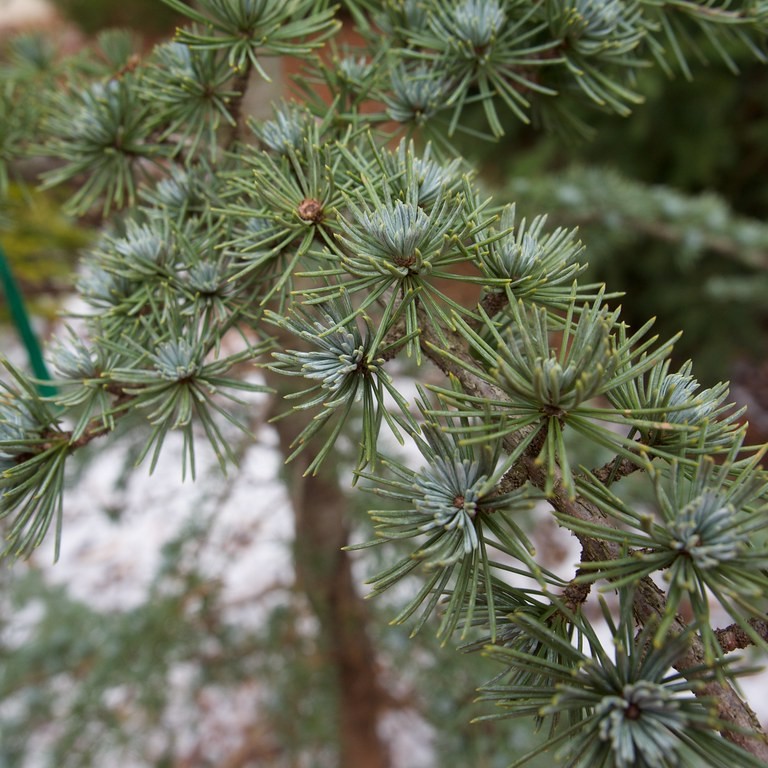
blue atlas cedar
Cedrus atlantica (Glauca Group)
Overview
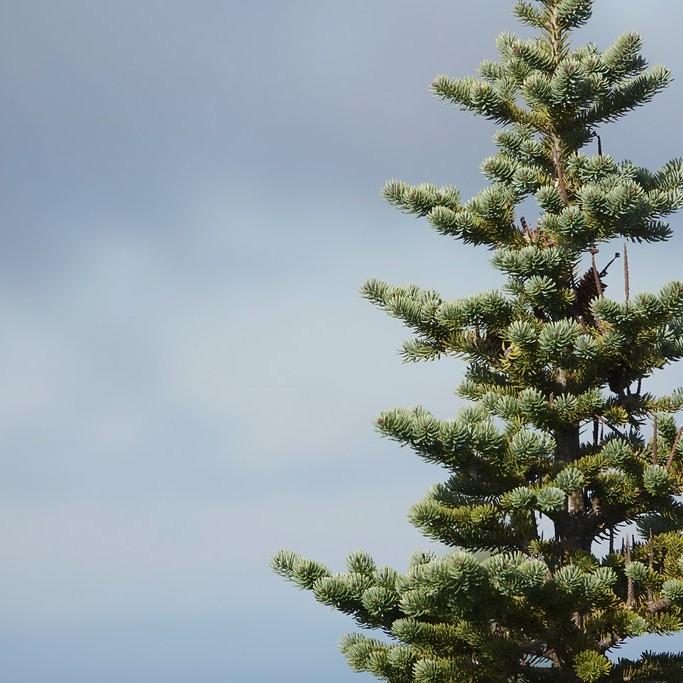
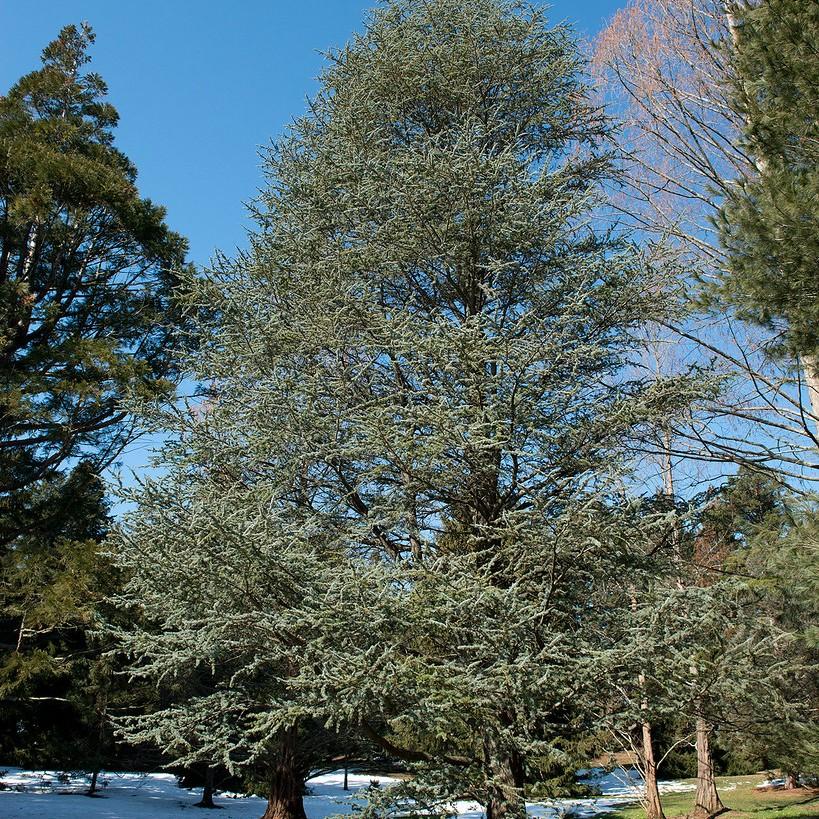
The Blue Atlas Cedar is an amazing species of tree. Its iconic blue-green foliage and majestic shape make it a beautiful addition to any garden or landscape. Its towering size and unique shape make it the perfect specimen for providing shade, privacy, or creating a focal point. The tree requires minimal care and maintenance making it an excellent choice for home gardeners and gardeners with hectic schedules. Deer and rabbit resistant, this species of cedar is also popular among wildlife and has a slow growth rate that makes it an ideal choice for gardens with limited space. Add this beautiful species to your garden to enjoy the benefits of a stunning specimen tree for generations to come.
Care Guide
Watering
Blue atlas cedar typically requires a moderate amount of water. During the growing season (spring to fall), the plant should be watered once or twice a week to keep the soil consistently moist but not soggy. During the winter, water requirements can be reduced to once every 2 to 3 weeks. Always check the soil to ensure it is not overly dry before watering. Additionally, misting the foliage can help keep it looking fresh.
Light
The blue atlas cedar (Cedrus atlantica (Glauca Group)) is a fairly sun-loving plant that thrives best in full sun that brings more than 6 hours of sunlight a day. It is tolerant of partial shade, but an extended period of inadequate sunlight can cause growth to slow or become stunted. If grown in too much shade, the foliage may fade to a dull green or yellow color. It is best to provide the blue atlas cedar with at least 6 hours of direct sunlight a day to ensure optimal growth.
Temperature
Hardiness zone 6–9.
Pruning
Blue Atlas cedar should be pruned in early spring up to mid-summer, when it is actively growing. Pruning should be limited and selective, and should be focused on maintaining the desired shape and size of the tree. When pruning, only remove dead or diseased branches to promote healthy growth and air circulation. In general, pruning should be very conservative, removing no more than 1-quarter of the total foliage at a time. Removing more than this could be damaging to the tree. In addition, avoid pruning any new growth near the base of the tree to prevent potential scarring or trauma to the trunk.
Propagation
Cutting, Grafting Propagation, Layering Propagation, Seed Propagation
Guides that mention blue atlas cedar
Related plants
Other plants you might like if you grow blue atlas cedar.