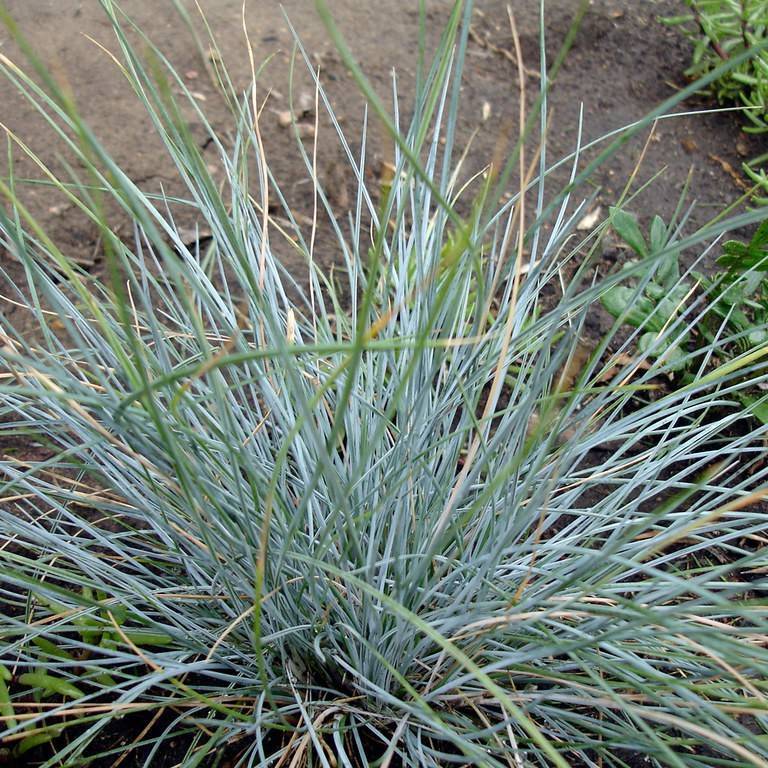
blue fescue
Festuca glauca 'Elijah Blue'
Overview
Blue fescue (Festuca glauca 'Elijah Blue') is an amazing plant species, thanks to its unique blue-gray hue. It adds texture and contrast to any landscape with its feathery, tufted foliage and fast-growing habit. It's also drought-tolerant and deer-resistant, making it a great choice for drier climates and areas with heavy deer traffic. Plant it in clusters to experience the most dramatic effect, as this species will stay low to the ground and spread out over time. With its versatility, great looks, and stress-free maintenance, blue fescue is an ideal choice for changing up the look of your garden space.
Care Guide
Watering
For blue fescue, water once a week to a depth of about 1 inch. Water the plants thoroughly, allowing the water to penetrate the soil and reach the root system, and then wait until the soil has dried out before watering again. Do not leave the soil overly moist, as this can cause the roots to rot. If the weather is particularly hot or dry, blue fescue may benefit from being watered twice a week. During winter, watering can be reduced to about once every 2 weeks.
Light
Blue fescue (Festuca glauca 'Elijah Blue') is a popular ornamental grass that thrives in full sun. It should receive 6 to 8 hours of direct sun each day to look its best. Blue fescue can tolerate partial shade, but may become leggy and sparse in shadier areas. With enough sun, the deep blue-green leaves will form an attractive, mounded clump about 12 inches high. In addition to providing its full sun needs, this species can be drought tolerant and requires less water than other grasses. Blue fescue is hardy in USDA zones 4-8 making it an ideal choice for perennial grass gardens across much of the US.
Temperature
Hardiness zone 4–8.
Pruning
Blue fescue (Festuca glauca 'Elijah Blue') should be pruned once per year in late winter or early spring. This should be done before the plant begins active growth for the season. Pruning should involve removal of any dead or damaged foliage and removal of any late season flower stalks. This should be done with sharp, sterile pruning shears. To maintain an attractive shape, gently pinch back the tops of the clumps. Finally, divide large clumps every 3-4 years to help promote vigorous and compact growth.
Propagation
Division, Cutting, Seed Propagation, Layering Propagation
Related plants
Other plants you might like if you grow blue fescue.
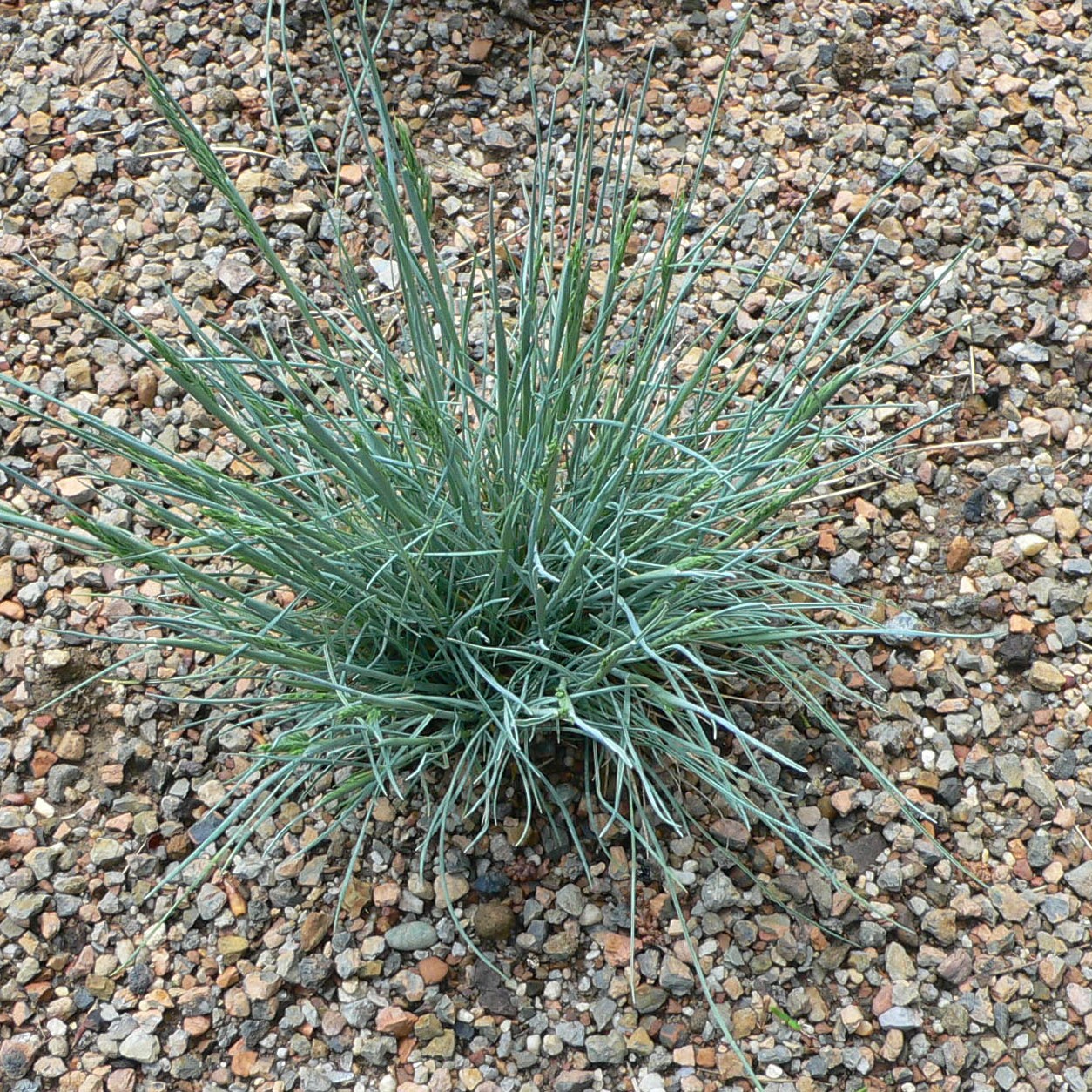
blue fescue
Festuca glauca
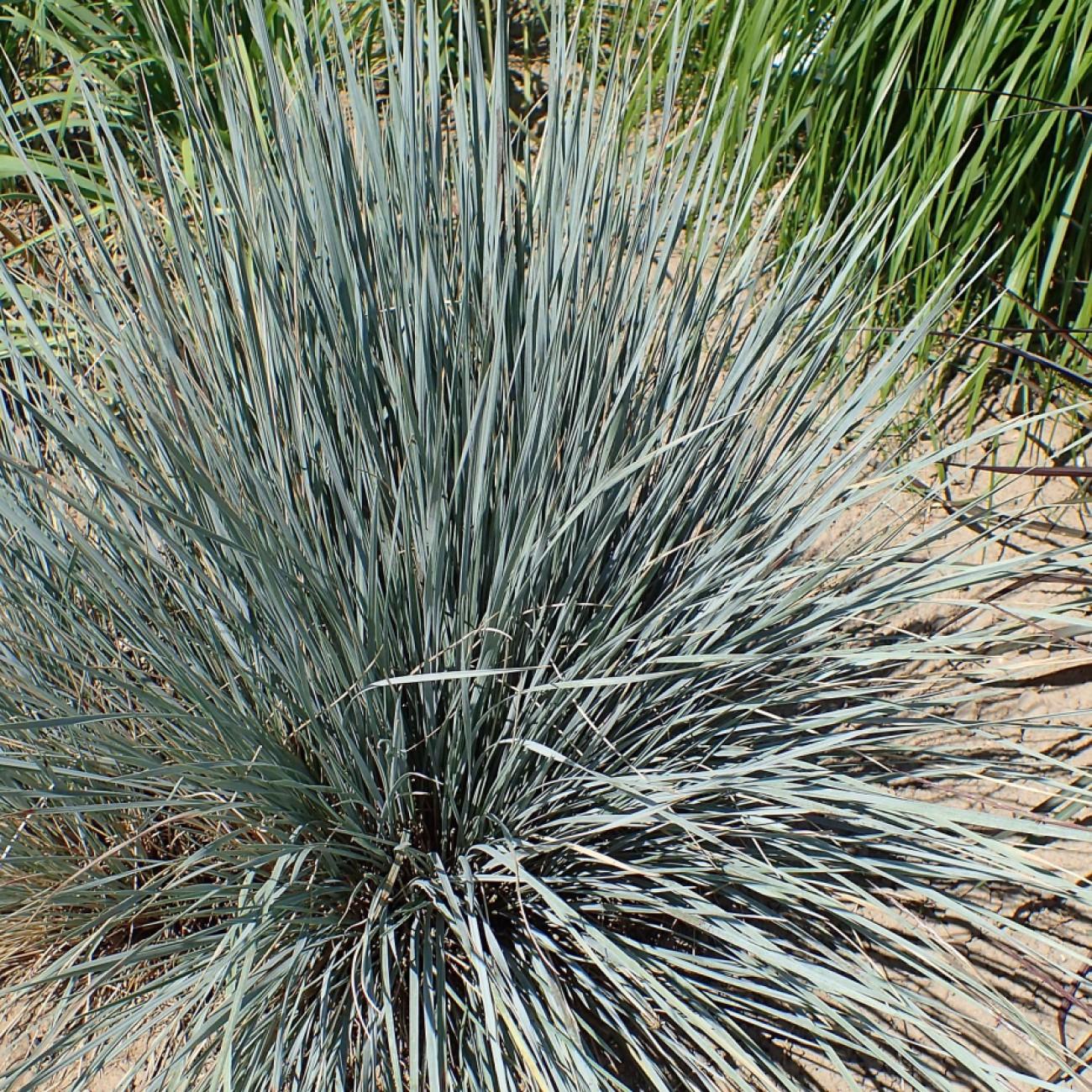
blue fescue
Festuca glauca 'Boulder Blue'
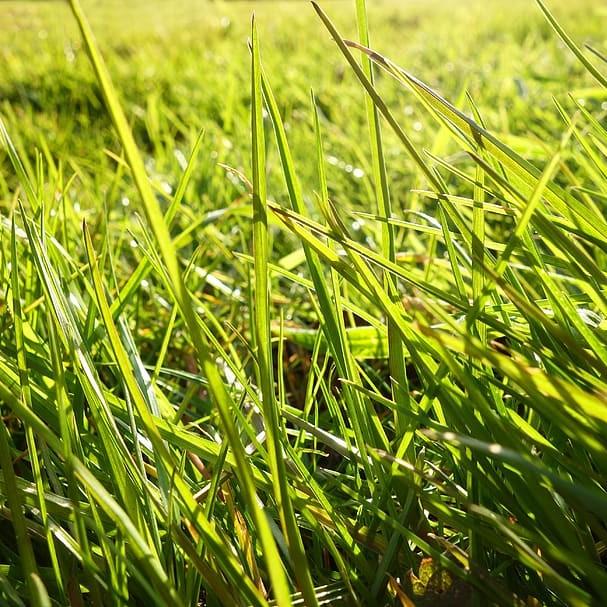
blue fescue
Festuca glauca 'Golden Toupee'
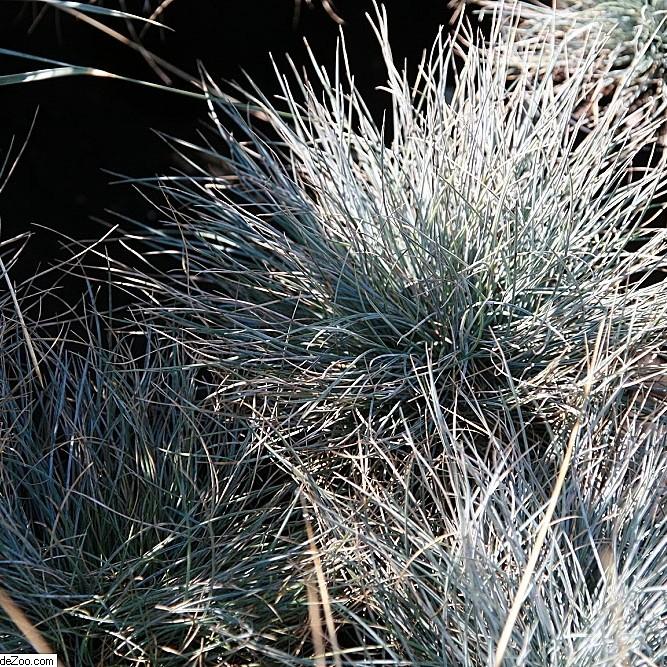
blue fescue
Festuca glauca 'Seeigel' SEA URCHIN
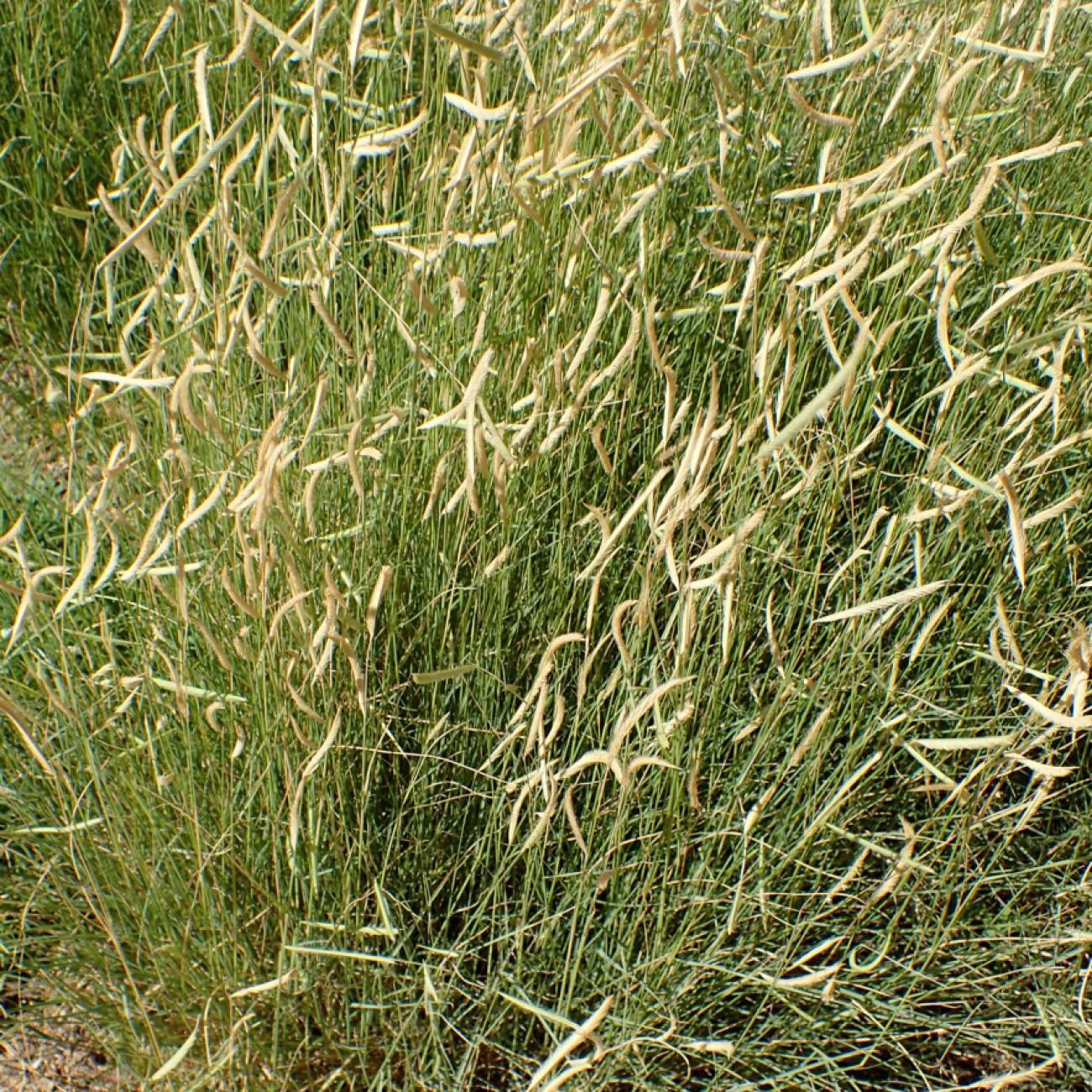
blue grama
Bouteloua gracilis 'Blonde Ambition'
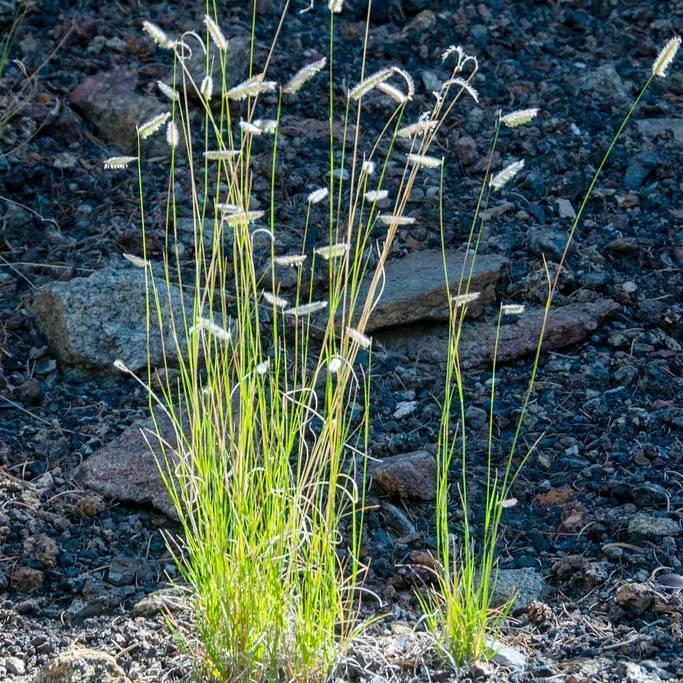
blue grama
Bouteloua gracilis 'Hachita'
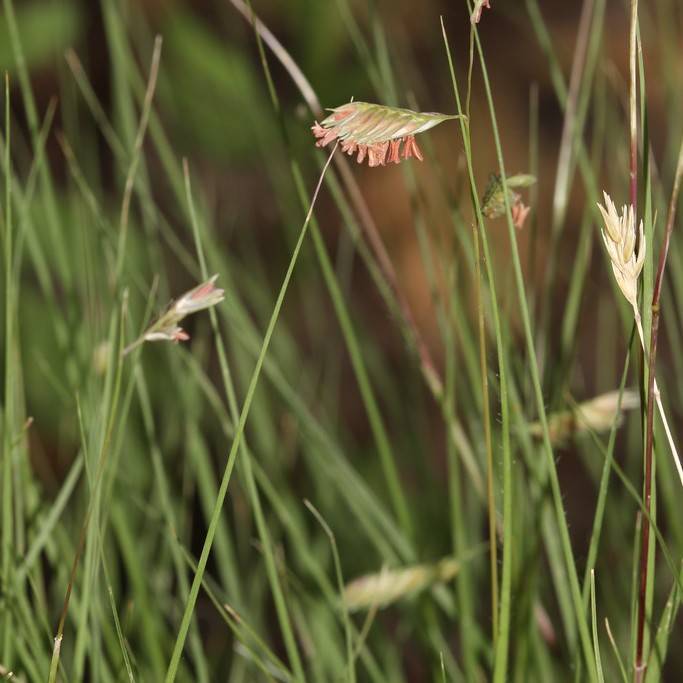
buffalo grass
Buchloe dactyloides
buffalo grass
Buchloe dactyloides 'Cody'