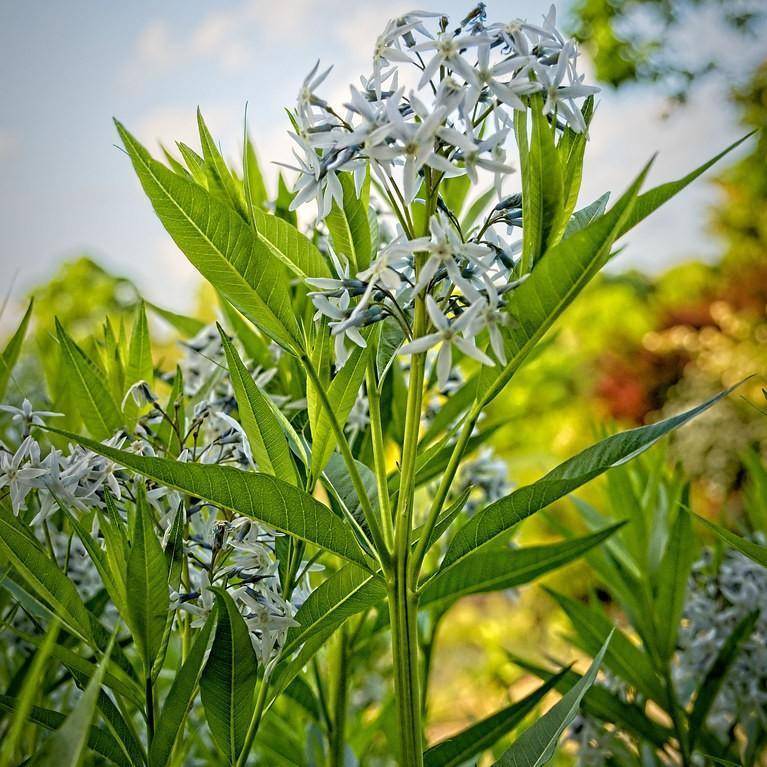
blue star
Amsonia tabernaemontana
Overview
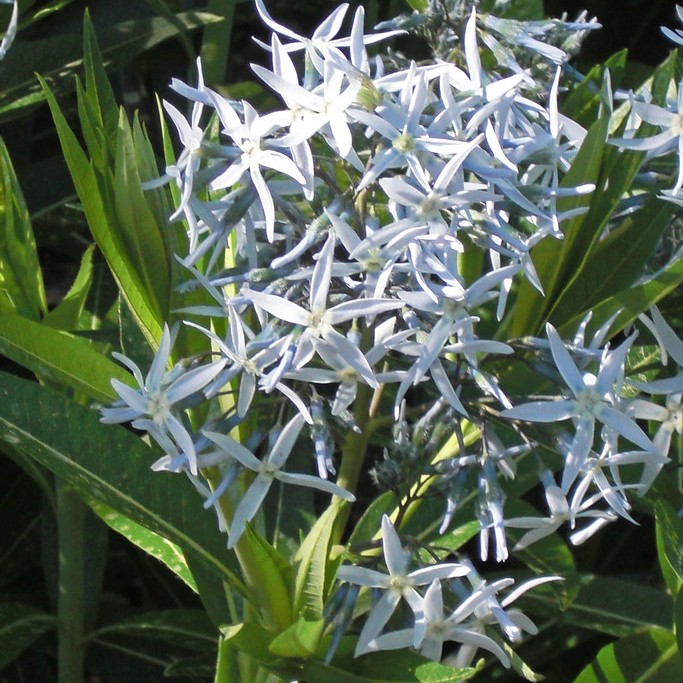
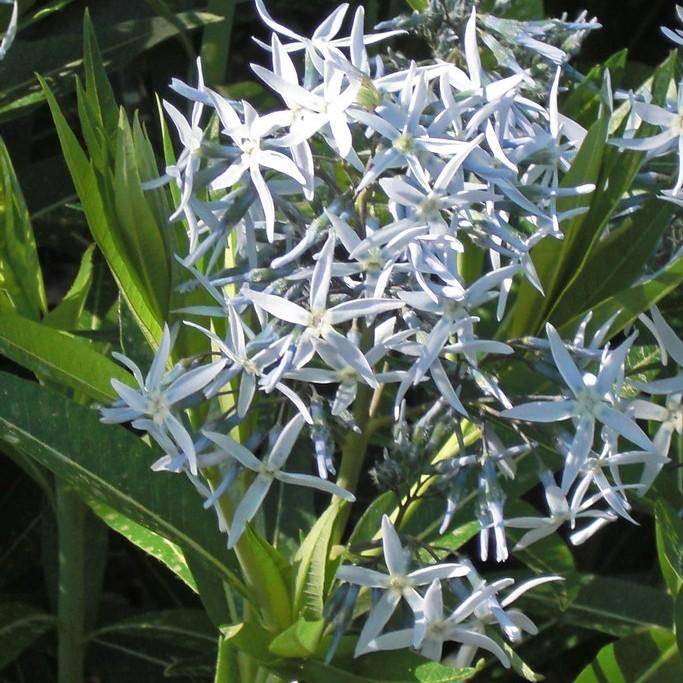
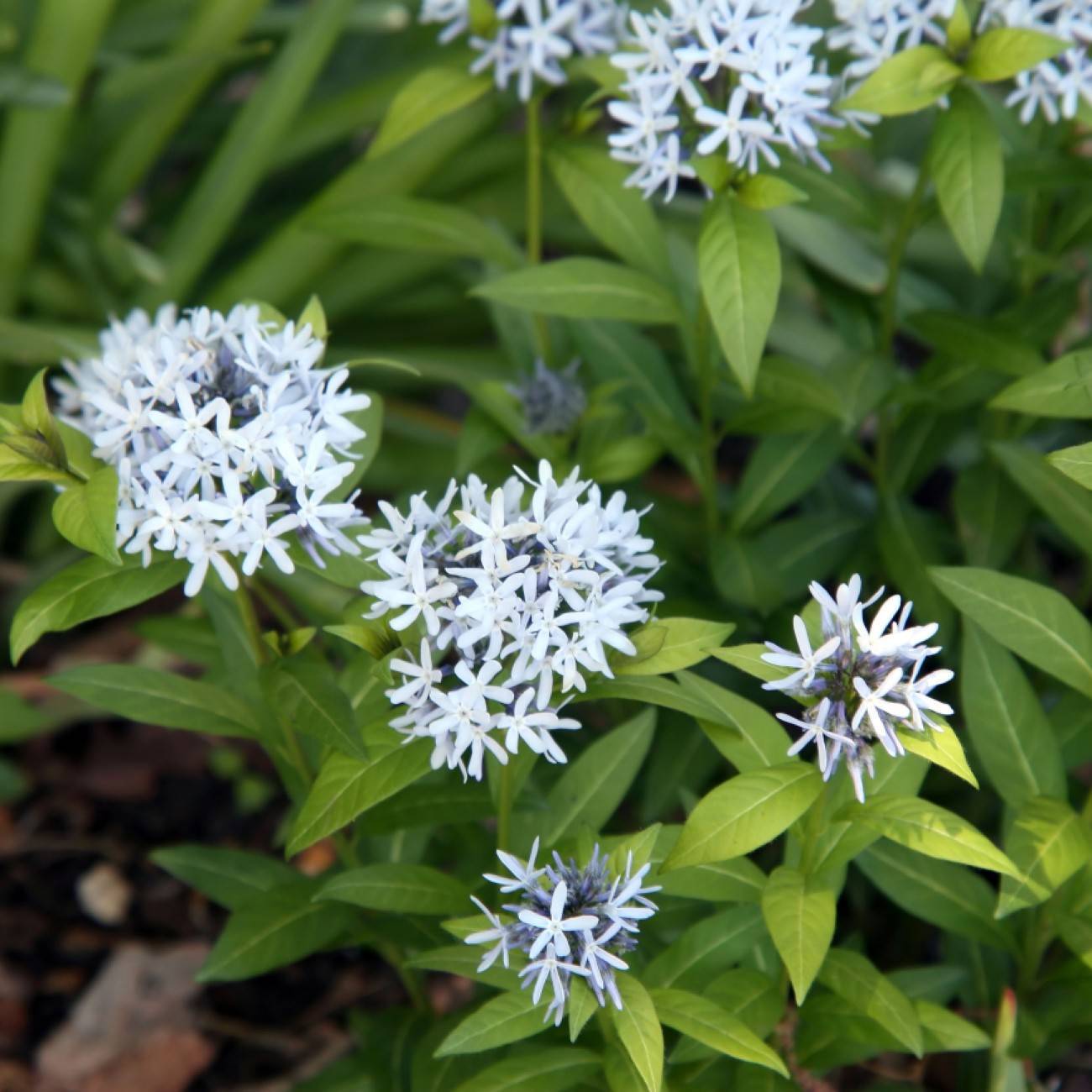
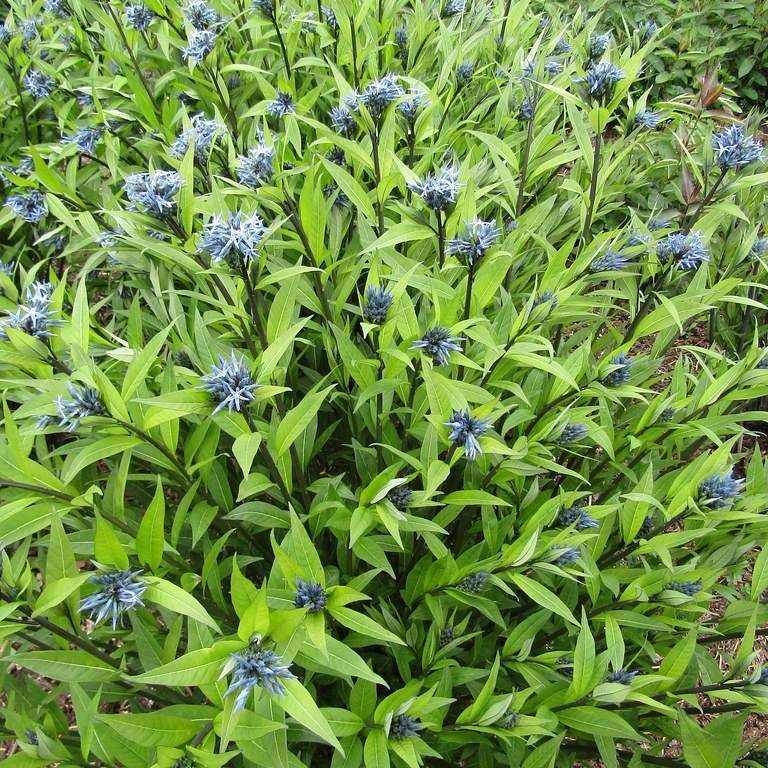
Blue Star is an amazing plant species. It features gorgeous star-shaped deep blue flowers that bloom in early summer. The foliage is a bright and cheerful green, making an excellent backdrop for the showy bloom. It enjoys a sunny to partly shaded spot, regular water and moderate fertilizer. Its size makes it easy to fit in small gardens and even pots. Once established, it's a tough and hardy species that can tolerate heat and drought, making it a native favorite. Not to mention, it's a great addition to pollinator gardens since it provides food and shelter to beneficial insects. Blue Star is an unbeatable plant making it the perfect choice for any landscape.
Care Guide
Watering
Blue Star plants should be watered deeply every 5 to 7 days during the growing season, and every 2 weeks during the dormant season. It is best to water thoroughly and then allow the soil to dry a bit between applications. The amount of water that you should use each time will depend on the soil type, plant size, and climate. Soil should remain consistently moist during the first growing season, so do not allow it to become overly dry. During the established growing season, it will need less water, but it still may require an occasional deep watering in the heat of summer.
Light
Blue star plants (Amsonia tabenemontana) prefer full-sun to light shade conditions. These plants should be placed in areas with at least 6–8 hours of sunlight per day, or in spaces with dappled shade with several hours of sun exposure daily. Blue star plants will tolerate partial shade, but they will grow more compactly and bloom less in lower light situations. In full sun and moist soils, they can reach heights of up to 3 feet. In partial shade, they may reach only 1–2 feet in height.
Temperature
Hardiness zone 3–9.
Pruning
Blue star plants should be pruned annually, in the late winter or early spring, before new growth appears. Blue star's long stems can be trimmed to a height of 6 to 12 inches, which will result in a fuller, bushier plant. When pruning, make sure to cut just above the node, this will force the plant to grow laterally, increasing density. Removed stems may be composted or discarded.
Propagation
Division, Cutting, Seed Propagation, Layering Propagation
Related plants
Other plants you might like if you grow blue star.