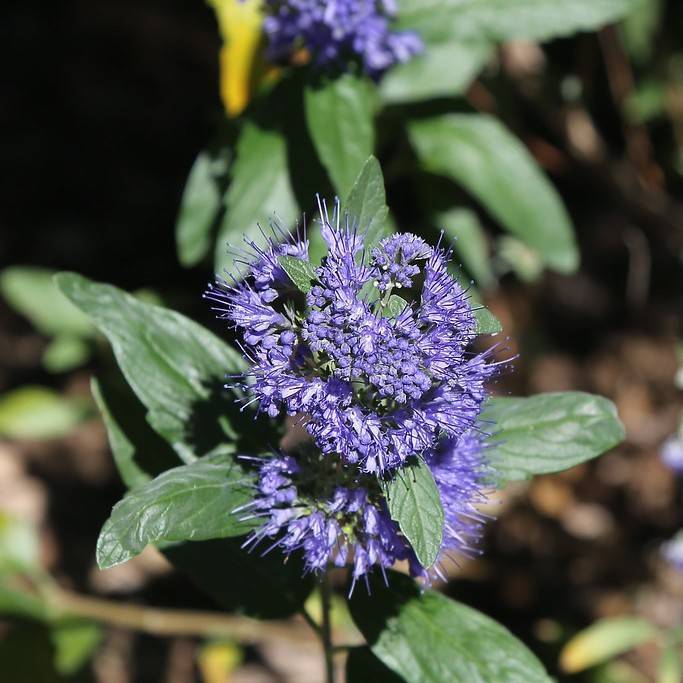
bluebeard
Caryopteris clandonensis 'Dark Knight'
Overview
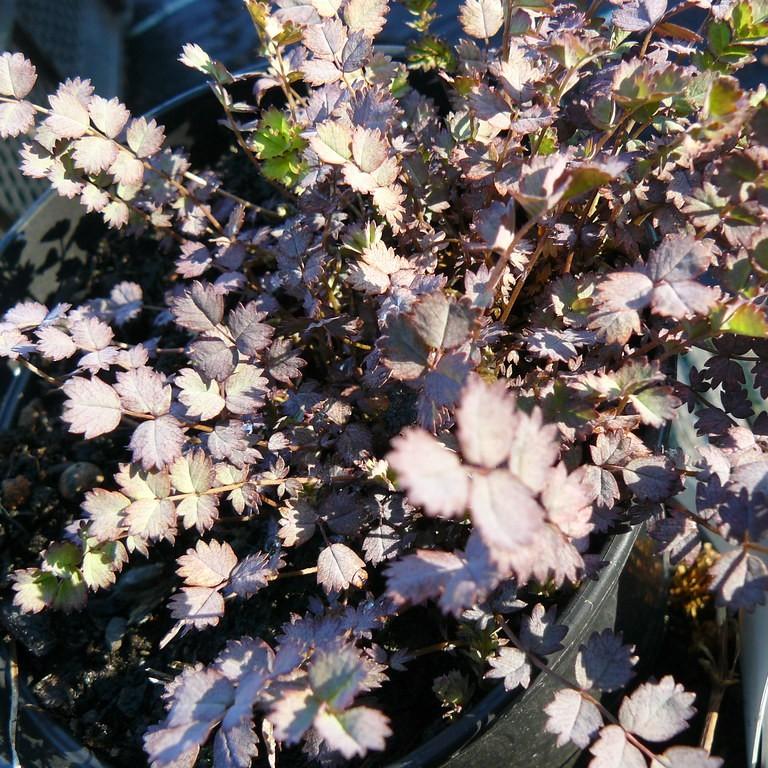
Bluebeard (Caryopteris clandonensis 'Dark Knight') is an amazing shrub with many benefits. It stands out in the landscape with its dark-blue foliage and fragrant purple flowers. The foliage is packed with unique colors that will catch the eye of passersby. In the fall, its foliage turns a deeper shade of purple which, when combined with its beautiful lavender flowers, makes for an attractive display. It’s a magnificent addition to any garden, as it is easy to maintain and drought tolerant. Bluebeard is also known for its pleasant citrusy scent, which brings additional beauty and life to any garden. It’s also an excellent border shrub, and provides a natural screening of unwanted noise and unsightly views. Bluebeard is an amazing shrub that definitely adds character to any space.
Care Guide
Watering
Bluebeard (Caryopteris clandonensis 'Dark Knight') should be watered deeply once a week, providing approximately 1 to 1.5 inches of water per session. It is best to water at the base of the plant to limit the potential for powdery mildew and other fungal diseases. During periods of extreme heat, you may need to water plants more frequently than once a week. Avoid overhead watering, as it can damage the foliage of the Bluebeard.
Light
Bluebeard (Caryopteris clandonensis 'Dark Knight') should receive approximately 3-6 hours of sunlight per day in order to thrive. Ideally, these plants are best suited to growing in full sun but can perform just as well in partially shady conditions. They do best in a location that receives morning sun and afternoon shade.
Temperature
Hardiness zone 5–9.
Pruning
Bluebeard (Caryopteris clandonensis 'Dark Knight') should be pruned twice a year for optimal health and blooms. Prune for the first time in early spring, before growth begins. Remove any winter-damaged wood, dead wood, and dead flowers. Prune midsummer, after flowering has finished. Prune to shape, removing some of the older, woodier stems and deadheading any remaining flowers. Pruning too hard in midsummer can reduce flowering in the following year, so take care not to take off too much and to take off side shoots just above the main stem.
Propagation
Cutting, Layering Propagation, Division, Grafting Propagation
Uses & Symbolism
Attracts: Butterflies.
Related plants
Other plants you might like if you grow bluebeard.