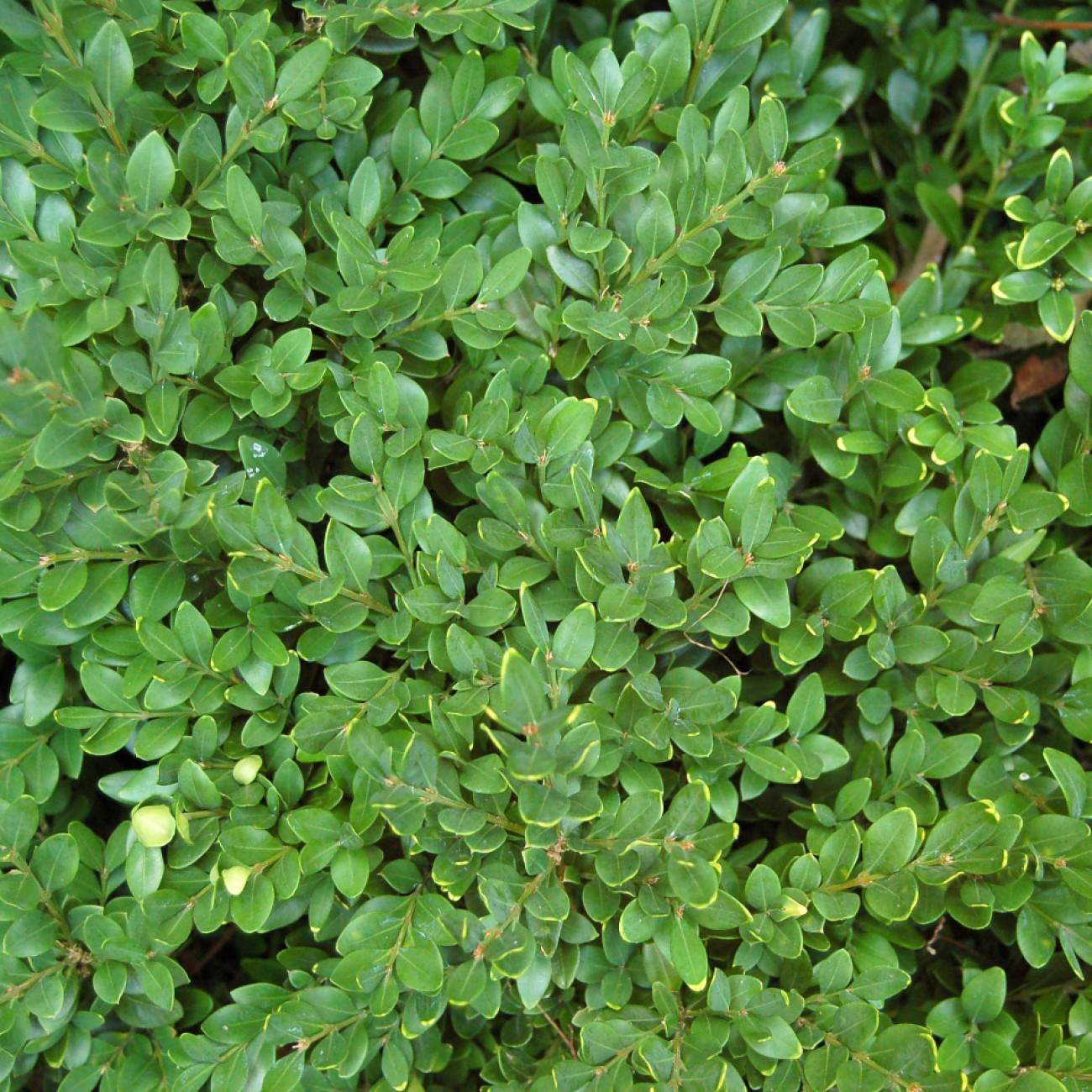
boxwood
Buxus 'Green Velvet'
Overview
Boxwood 'Green Velvet' is an amazing plant species for many reasons. It's evergreen foliage creates the perfect hedge or privacy screen, and its attractive dark green foliage offers a visually stunning presence in any garden. It's a low maintenance plant that is resistant to most pests and diseases, making it easy to care for. It can thrive in a wide range of climates and soil types, meaning it can be easily adapted to many environments. Finally, its ability to be clipped and pruned into any desired shape make it a great choice for adding a touch of class to your landscape designs. With boxwood 'Green Velvet' in your garden, you can be sure of a bright and beautiful display of foliage all year round.
Care Guide
Watering
Boxwood (Buxus 'Green Velvet') requires regular waterings in order to remain healthy. Water the plant when the soil has mostly dried out, but the leaves are still slightly wilted. This usually means watering once every 3 to 4 days, or roughly every other day during periods of high heat and low humidity. Water until the soil is damp enough that water runs out the drainage holes in the pot. Do not allow the pot to sit in water for an extended period of time, as this can cause root rot. In addition, do not over water as this can also lead to plant health issues.
Light
Boxwood (Buxus 'Green Velvet') needs an average of 6 to 8 hours of full sunlight each day. Ideally, they should be located in areas that get morning sunlight and afternoon shade, to avoid sunburn. If they are located in a shadier area, they should still be in a spot that receives ample direct light throughout the day.
Temperature
Hardiness zone 5–8.
Pruning
Boxwood (Buxus 'Green Velvet') should be pruned in early spring before new growth begins. Pruning should be light to moderate, removing no more than 1-third of the total foliage each year. Dead and damaged wood should be cut back to healthy new shoots. Overall, the goal should be to maintain the natural shape of the plant. Heavy pruning should be avoided since new growth can be weak and unable to support the weight of the plant. Periodic thinning of the center of the shrub is suggested to encourage good air circulation. If boxwood is overgrown, it can be pruned down to the desired size all at once. However, try to avoid making drastic cuts all at once since this will require more recovery time.
Propagation
Cutting, Layering Propagation, Grafting Propagation, Division, Seed Propagation
Related plants
Other plants you might like if you grow boxwood.
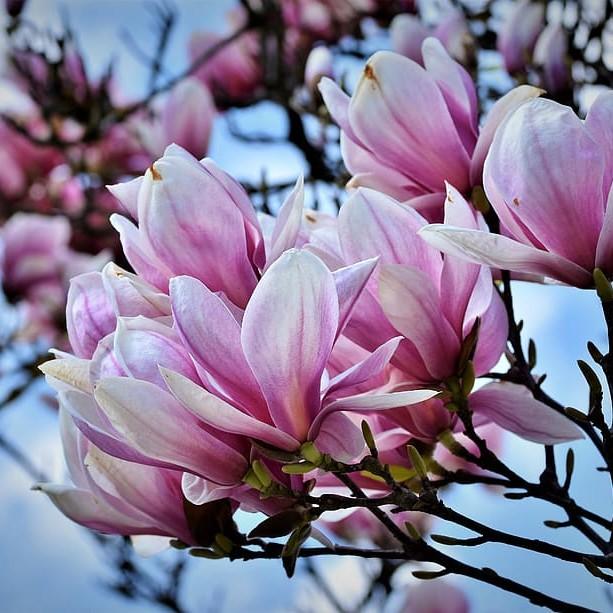
Alexandrina Saucer Magnolia
Magnolia x soulangeana 'Alexandrina'
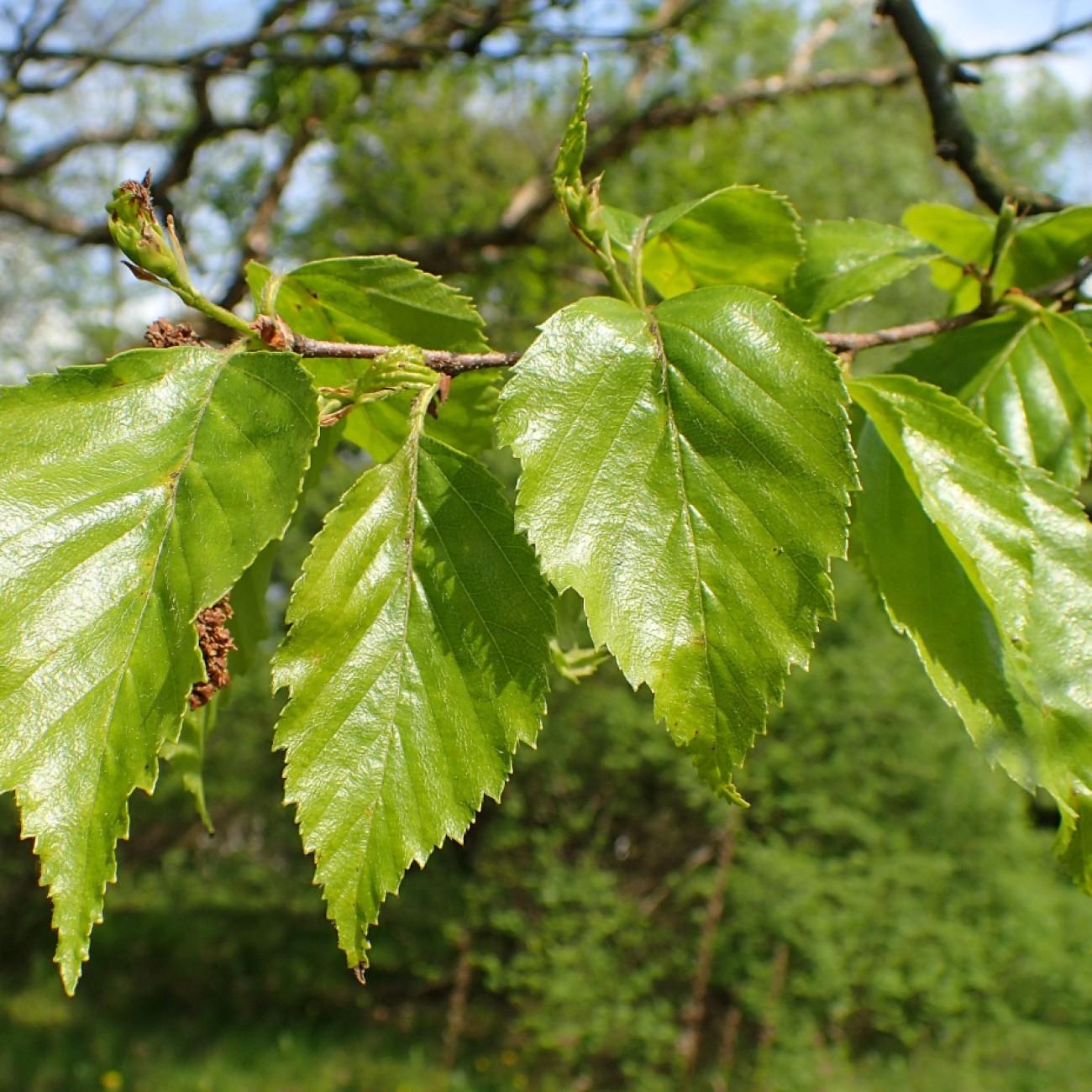
Asian black birch
Betula dahurica
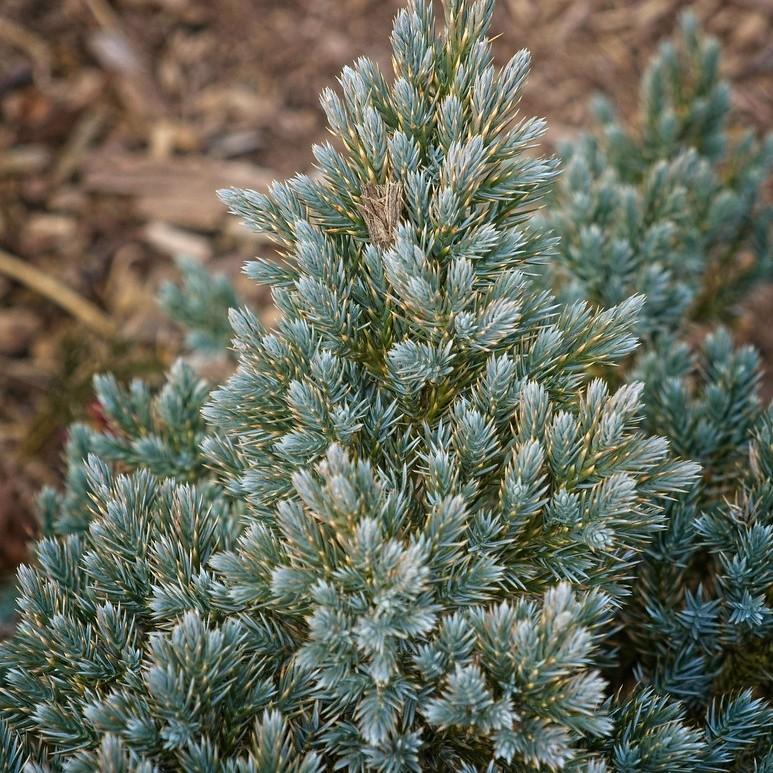
Blue Star Juniper
Juniperus squamata 'Blue Star (tree form)'
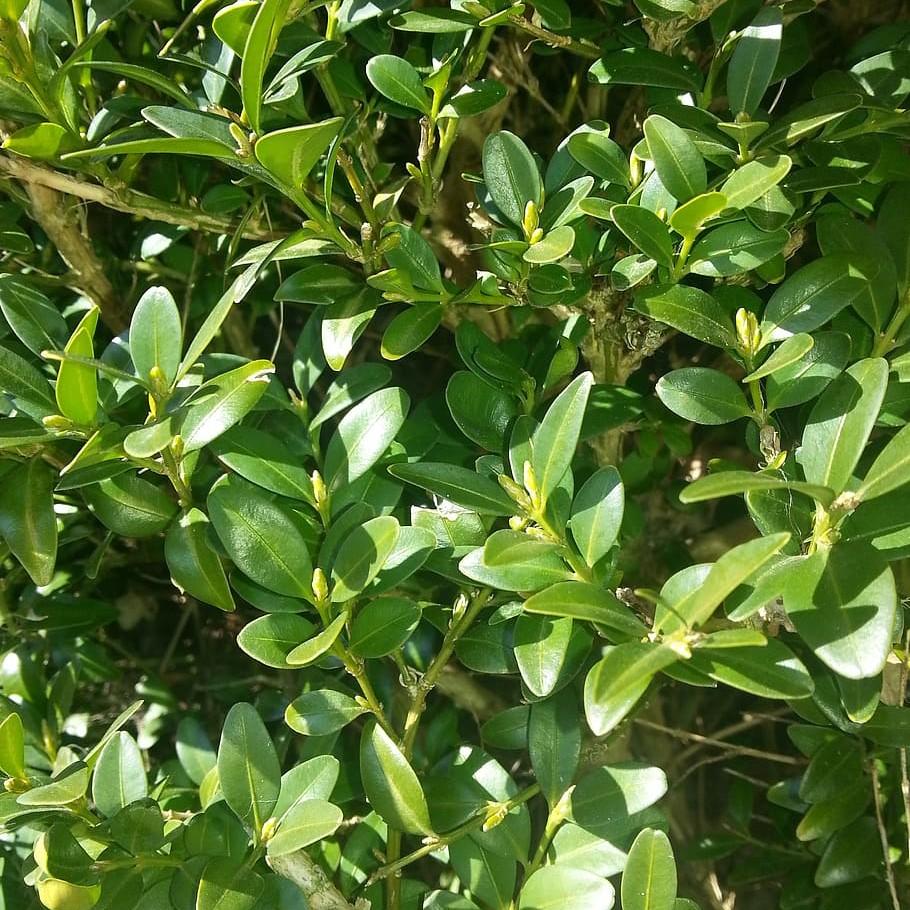
boxwood
Buxus 'Cranberry Creek'
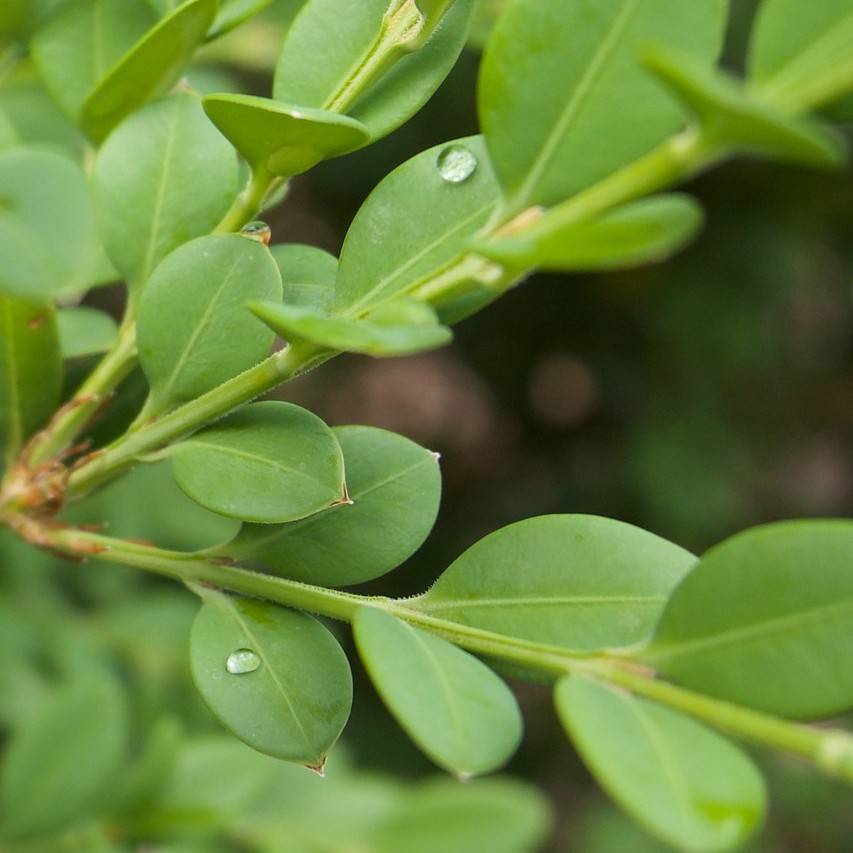
boxwood
Buxus 'Green Gem'
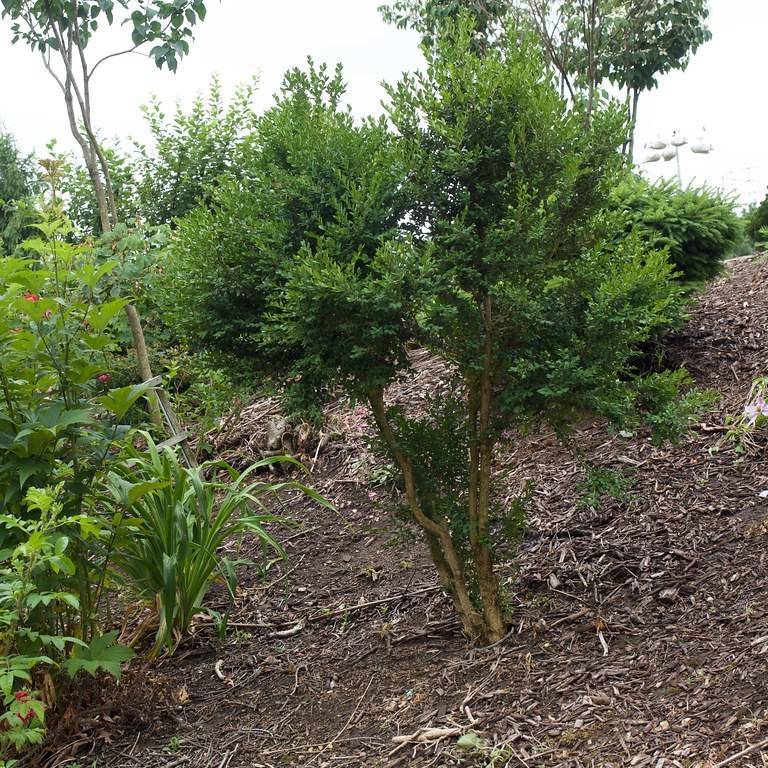
boxwood
Buxus 'Green Mound'
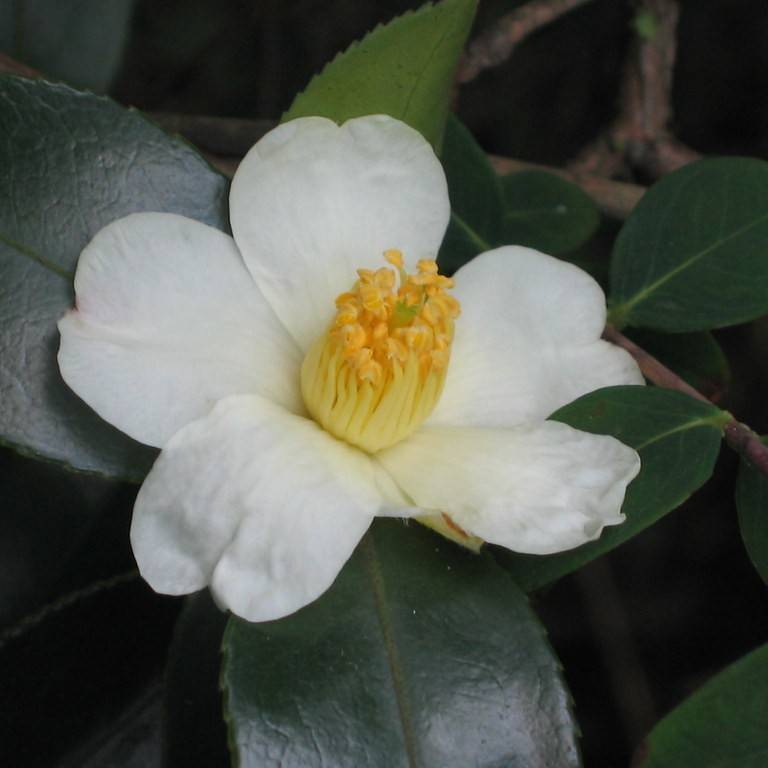
camellia
Camellia oleifera
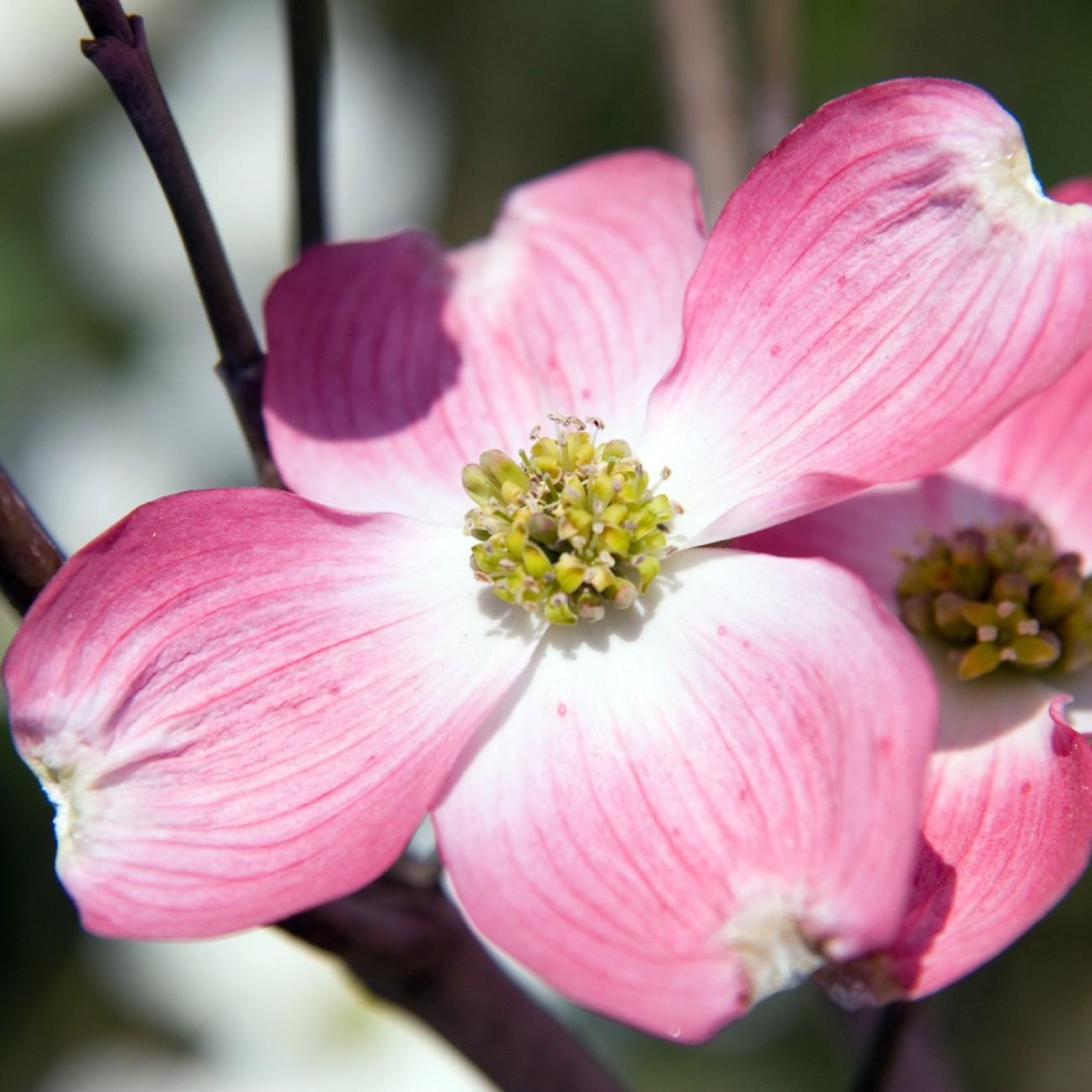
Cherokee Brave Flowering Dogwood
Cornus florida 'Cherokee Brave'