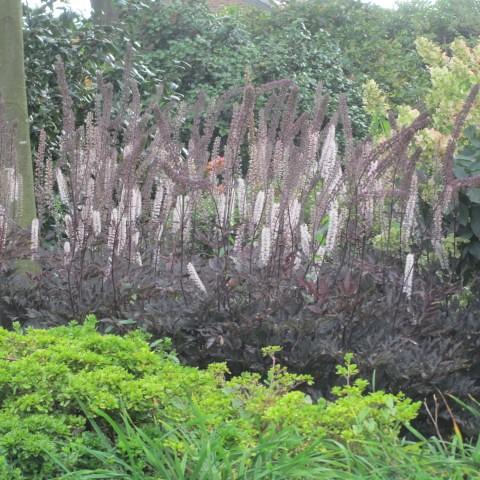
bugbane
Actaea simplex (Atropurpurea Group)
Overview
Bugbane (Actaea simplex (Atropurpurea Group)) is an amazing plant that blooms with unique and beautiful foliage. Its feathery leaves are deep burgundy, almost black, and really stand out. This perennial also has tall and delicate spires of white fragrant flowers that will attract butterflies to any garden. It is a medium-sized deciduous shrub that typically grows to around 5ft in height, making it perfect for use as a backdrop to an outdoor space. Plus, the foliage turns into a charming purple color in the fall, making it an eye-catching feature in any yard. Bugbane truly is a sight to behold.
Care Guide
Watering
Bugbane should be watered weekly in the spring and early summer, and less frequently in the summer months. Soak the soil when you water, and allow it to dry out almost completely before watering again. Avoid overwatering, as this can cause root rot. In the autumn and winter, water only when the soil feels dry to the touch. Make sure that the soil has good drainage and does not become waterlogged.
Light
Bugbane (Actaea simplex (Atropurpurea Group)) is an herbaceous perennial plant that grows best in partial sun to shade. For maximum blooming, it should be planted in a spot where it will receive at least 4 to 6 hours of sunlight per day. While bugbane can tolerate full sun, it will benefit from some light afternoon shade, especially in hot climates. In cooler climates, it will tolerate more sun, but its blooms may fade if the plant gets too much direct sun.
Soil
Humus rich, Well-drained
Temperature
Hardiness zone 3–8.
Pruning
Bugbane should be pruned just after blooming in late summer and/or early fall. Start by cutting the stems back by 1-third to 1-half of their height. This will help promote the plant's shape and keep it looking its best. If desired, further pruning can be done in early spring, cutting back the dead and/or dying foliage. However, if the plant is doing well and responding well to its current environment, then less pruning may be necessary. Pruning for bugbane should be done selectively and sparingly to keep the plant looking attractive.
Propagation
Division
Diseases & Pests
Common pests: Rust.
Related plants
Other plants you might like if you grow bugbane.
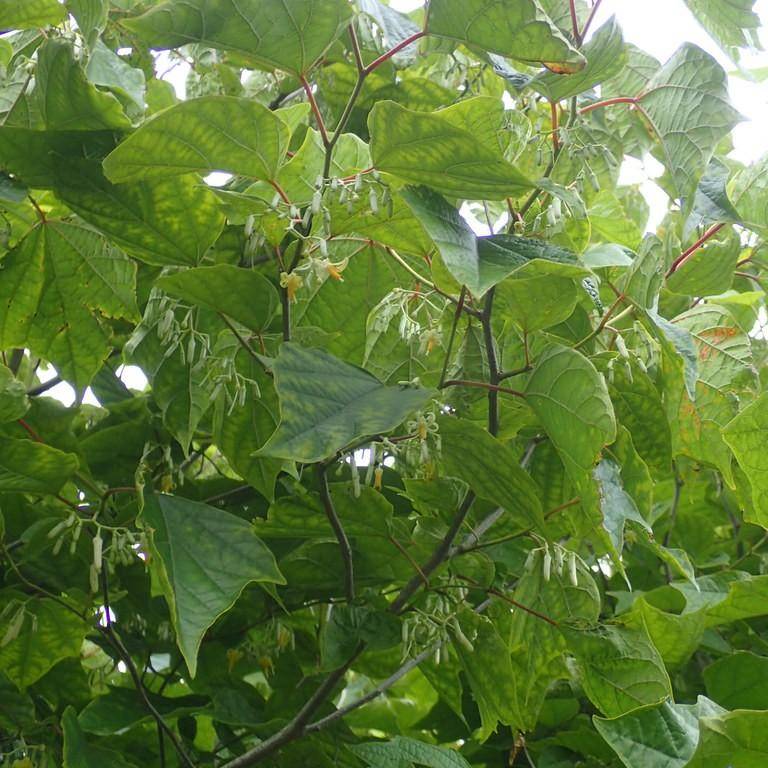
alangium
Alangium platanifolium
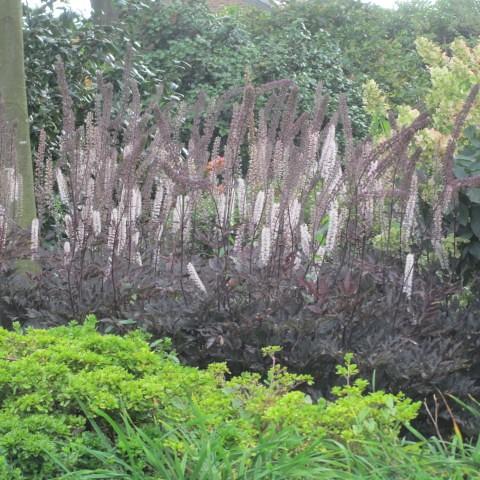
bugbane
Actaea simplex (Atropurpurea Group) 'Black Negligee'
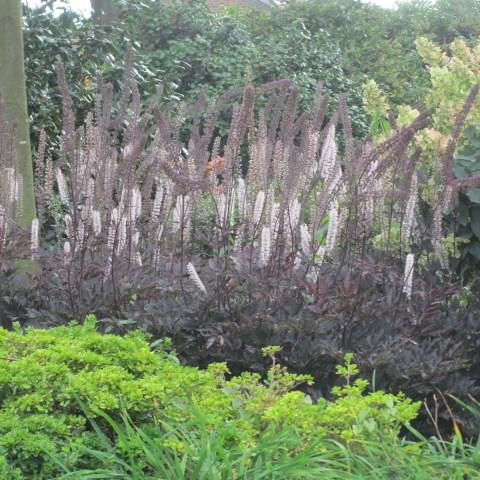
bugbane
Actaea simplex (Atropurpurea Group) 'Brunette'
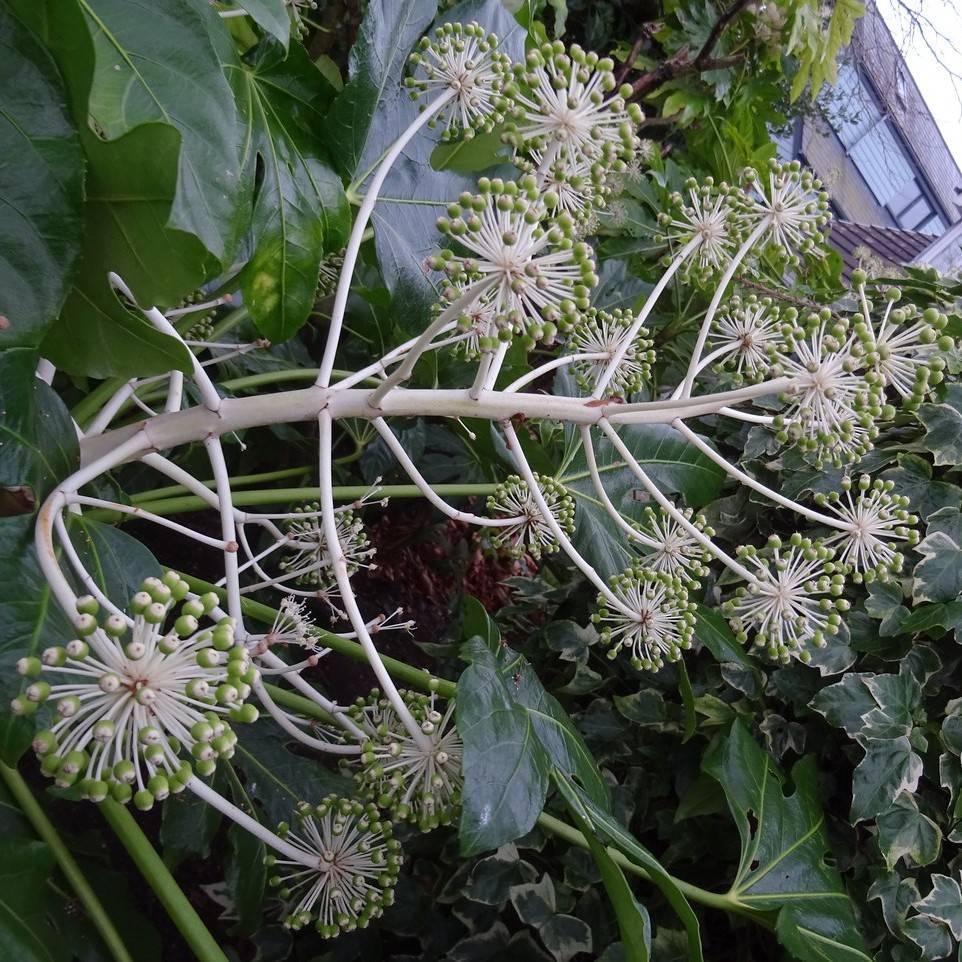
glossy-leaved paper plant
Fatsia japonica
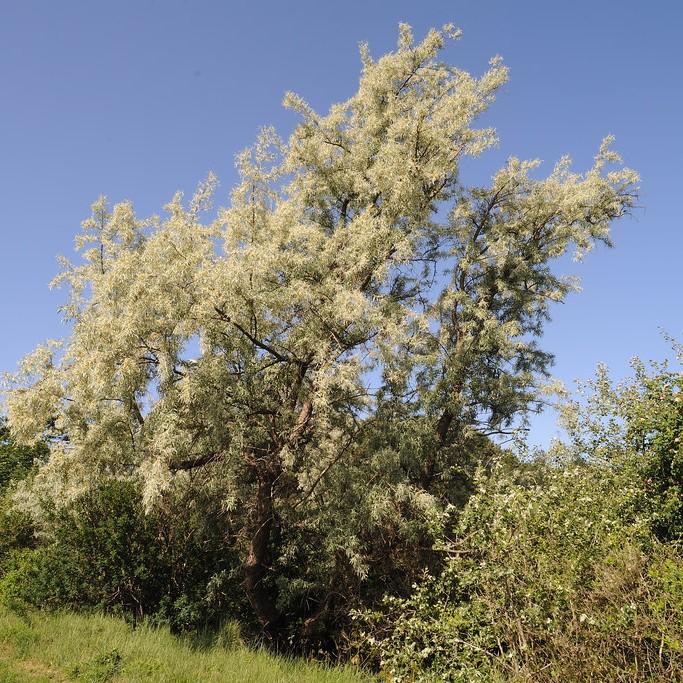
Russian Olive
Elaeagnus angustifolia
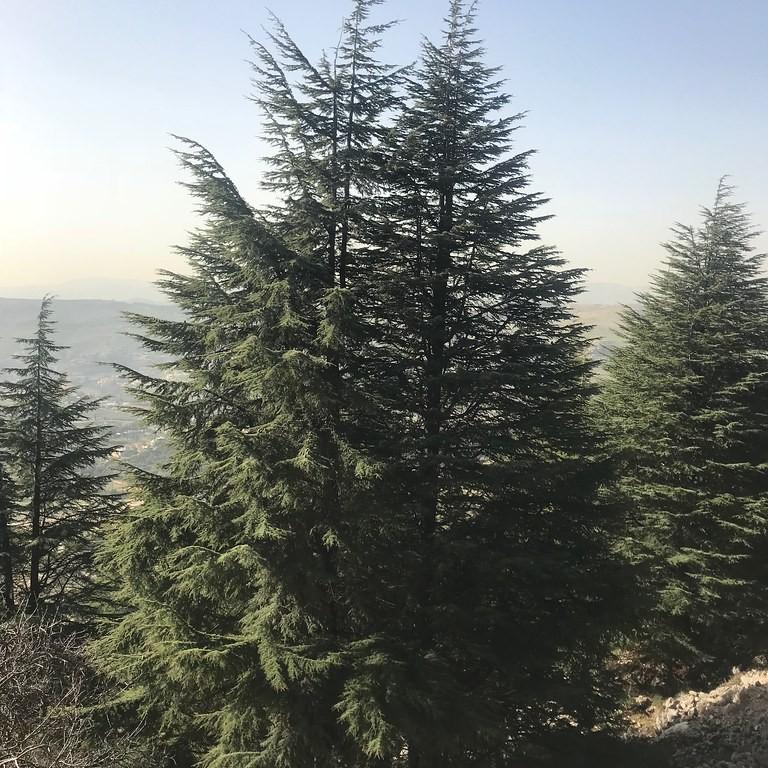
Cedar of Lebanon
Cedrus libani
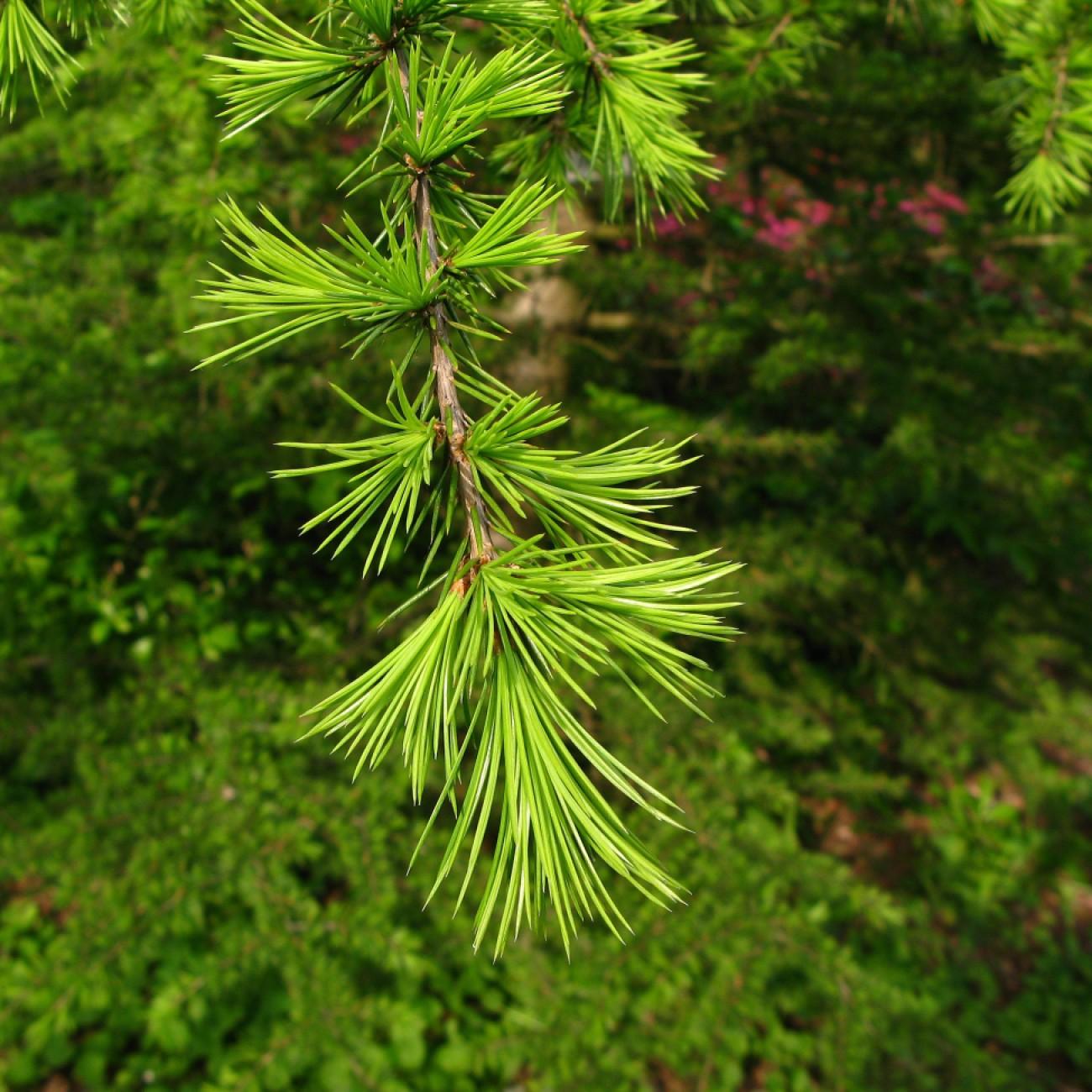
cedar of Lebanon
Cedrus libani 'Hedgehog'
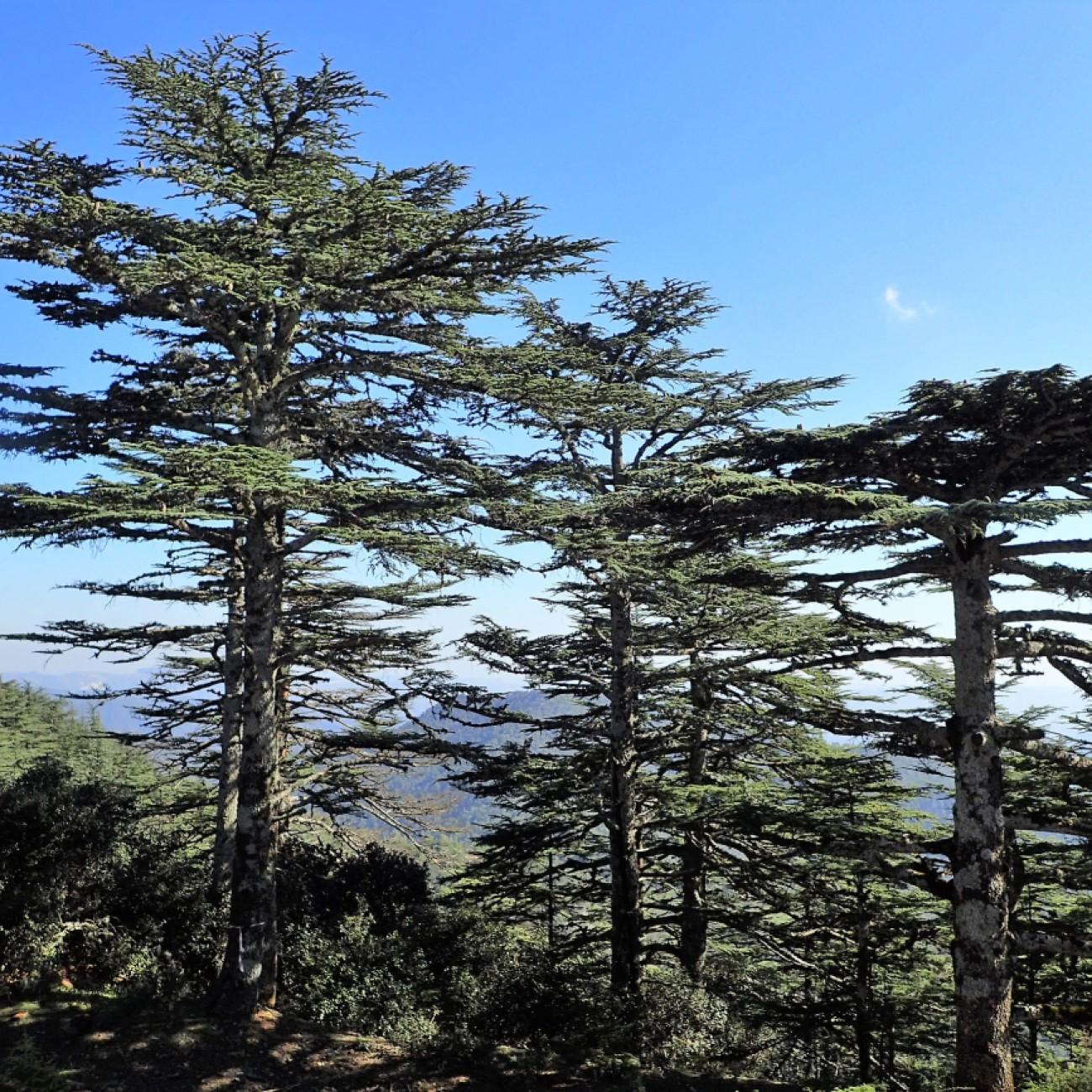
cedar of Lebanon
Cedrus libani 'Sargentii'