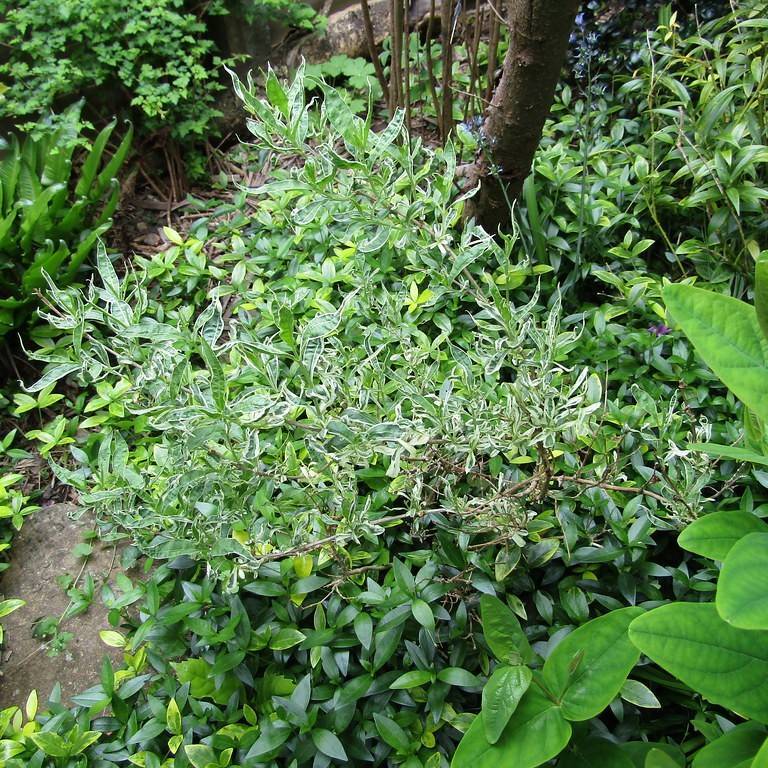
bush honeysuckle
Diervilla sessilifolia
Overview
The Bush Honeysuckle is a beautiful plant with its bright, yellow, trumpet-shaped flowers and dark green, glossy oval-shaped leaves. Its a low-maintenance hardy shrub native to North America, growing in a range of soil types and exposure to sun or shade. It can grow up to 8 feet tall and is a favorite of birds and other wildlife. Its popularity also makes it an attractive choice for landscaping, with its bright foliage, striking color, and its ability to act as a natural screen or hedge. It also produces masses of nectar-filled flowers in early summer that create an abundance of fragrant honey. Bush Honeysuckle is a great addition to the landscape, sure to add a touch of beauty to any garden.
Care Guide
Watering
Bush honeysuckle should be watered deeply and evenly. Water thoroughly, until the soil is moist several inches below the surface. The frequency of watering will depend on the root system of the plant as well as local weather. In general, bush honeysuckle should be watered once every other week during periods of low rainfall. During the hot summer months, it may need to be watered once a week. Be sure to check the soil before watering: if the soil feels moist several inches below the surface, the plant may not need to be watered until the next scheduled watering.
Light
Bush honeysuckle (Diervilla sessilifolia) prefers full or partial sun. They need between 4 to 8 hours per day, with protection from intense afternoon sun during the summer months. When planting in any area, it should be protected from persistent winds, especially during the winter. Bush honeysuckle will tolerate partial shade, but might not flower as profusely in shadier conditions. It's best to plant it in an area that receives some morning sunlight, and light afternoon shade.
Temperature
Hardiness zone 5–8.
Pruning
Bush honeysuckle (Diervilla sessilifolia) should be pruned in late spring or early summer as soon as the blooms begin to fade. To encourage more blooms and a denser, bushier shape, lightly trim the tips of the branches. It is important to avoid over-pruning or shearing, as this will reduce the number of blooms and open up the shrub, creating an unnatural look. Remove up to 1-third of the oldest branches at the base of the shrub to encourage new growth. Dead, diseased, or damaged wood should also be removed.
Propagation
Cutting, Layering Propagation, Division, Seed Propagation
Uses & Symbolism
Attracts: Hummingbirds, Butterflies.
Related plants
Other plants you might like if you grow bush honeysuckle.