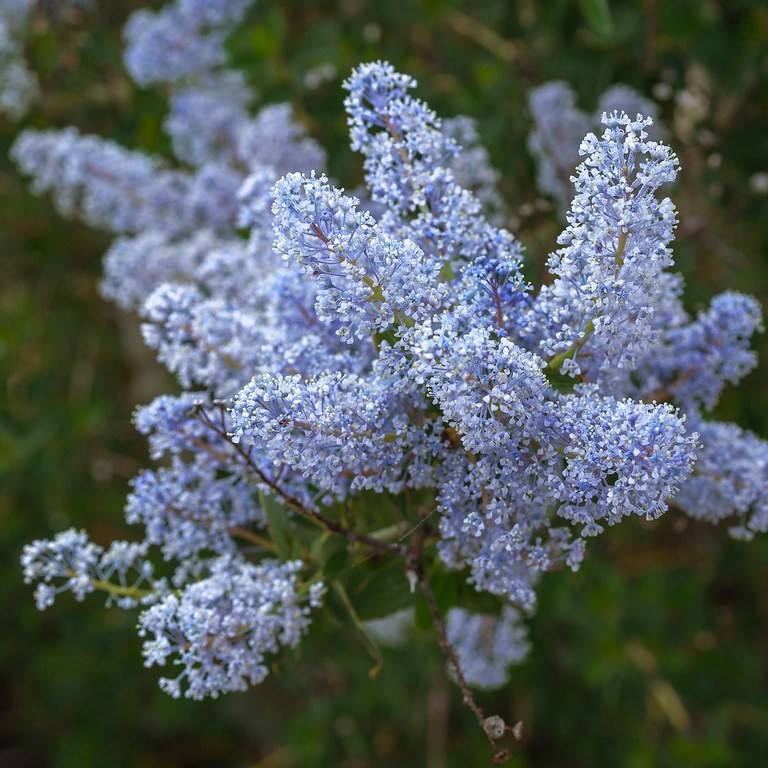
California lilac
Ceanothus delileanus 'Gloire de Versailles'
Overview
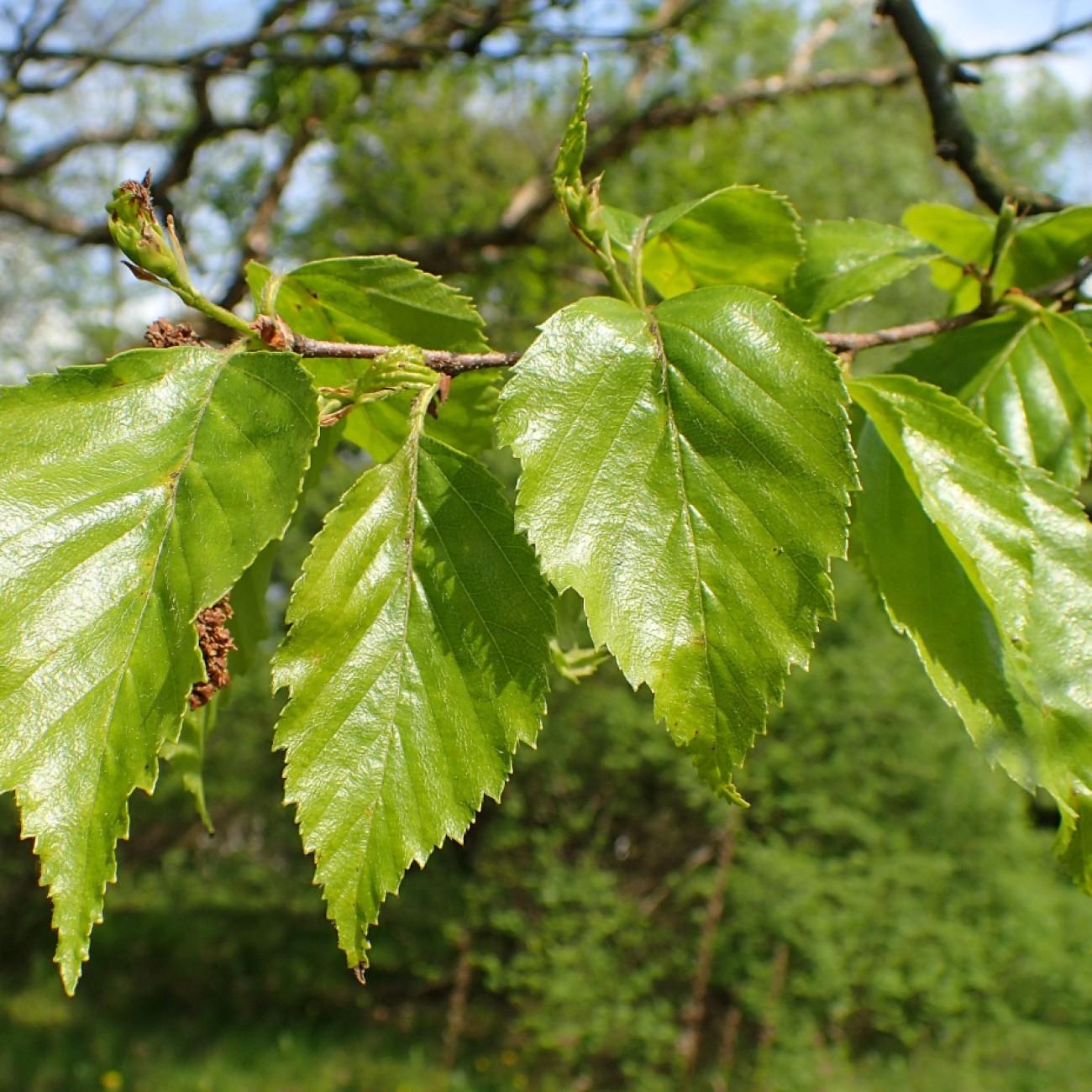
California Lilac, also known as Ceanothus delileanus 'Gloire de Versailles', is an amazing sight to behold. It is an evergreen shrub, making it ideal for year-round outdoor landscaping. This hardy plant has a stunning display of dark green foliage and bright purple flowers, creating a gorgeous contrast in blooms. It requires minimal maintenance and can thrive in well-drained, acidic, sandy soil. Its petite size makes it perfect for tight spaces and due to its drought resistant nature, it is an excellent choice for busy gardeners. California Lilac is the perfect addition for your outdoor space and an excellent way to bring beauty and joy into your garden.
Care Guide
Watering
California lilac should be watered regularly throughout the growing season. It prefers moist to slightly dry conditions, so water when the top layer of soil starts to look dry. Aim for deep waterings once or twice a week to keep the soil evenly moist. When it’s very hot and dry, it might need a little more water. Avoid overwatering, however, as this can cause mildew and root rot. During the winter, California lilac only needs to be watered occasionally during dry spells.
Light
California Lilac (Ceanothus Delileanus 'Gloire De Versailles') does best when exposed to full sun, 6 or more hours each day. It also does well in part sun locations, but to achieve the best flowering it should receive at least 6 hours of direct sunlight. Too much shade can negatively affect flowering, as well as affect the overall health of the plant.
Temperature
Hardiness zone 6–10.
Pruning
California lilac should be pruned in late winter or early spring just before the active growth season begins. Prune Californian lilacs lightly by removing spent flowers and light shoots. Shaping the shrub can also be done, but old branches should not be removed, as this may cause irreversible damage to the shrub. Avoid pruning into old wood as new growth may not form and the shrub may suffer from dieback and decline. Prune 1-third or 2-thirds of each branch from the overall shrub to maintain the desired shape and size.
Propagation
Cutting, Layering Propagation, Grafting Propagation, Division, Seed Propagation
Uses & Symbolism
Attracts: Butterflies.
Related plants
Other plants you might like if you grow California lilac.