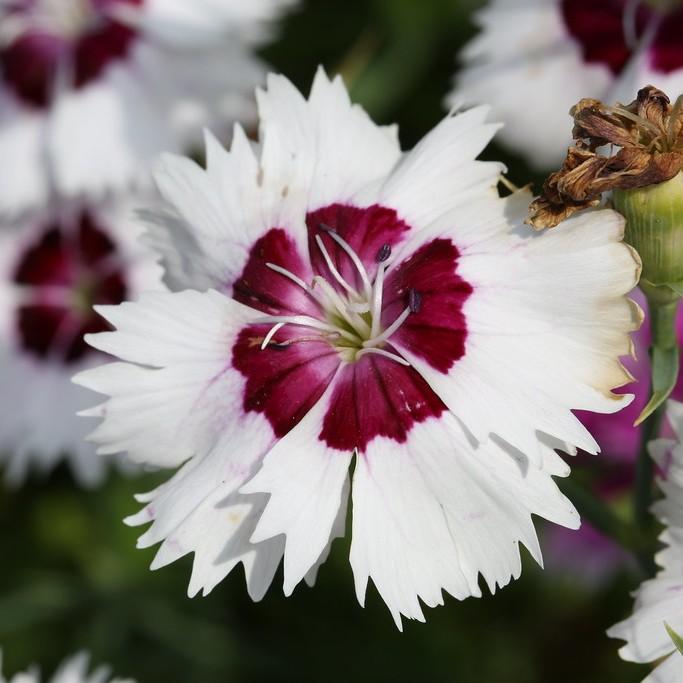
carnation
Dianthus 'Brilliant Star'
Overview
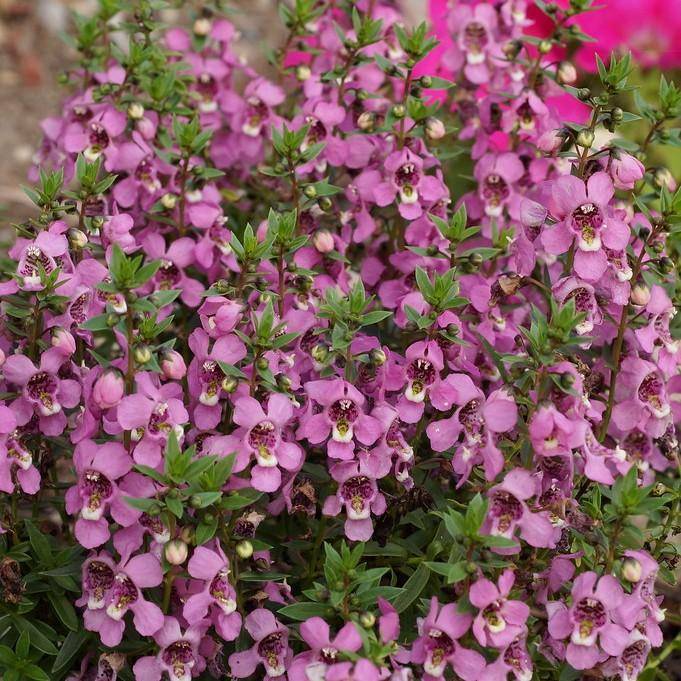
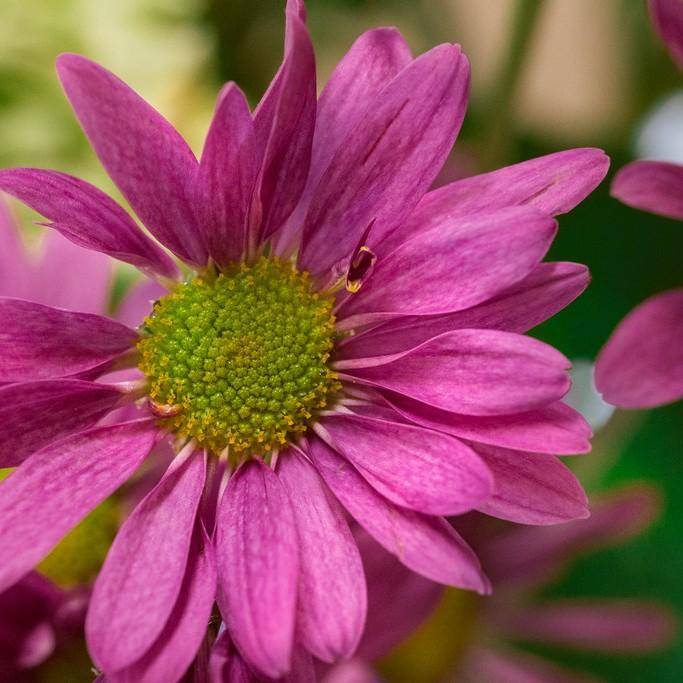
The 'Brilliant Star' carnation (Dianthus) is an amazing variety of this classic flower. Its blooms are deep magenta colored, with a slightly darker star-shaped center that makes them stand out from the rest. The sturdy stems make it perfect for cut flower arrangements, while its ruffled petals add elegance and romance. Not only does it look great but the flowers have a wonderful, spicy scent that will fill any room. Plus, it is a hardy plant and easy to grow, making it one of the best choices for novice gardeners. With its festive colors and scent, the 'Brilliant Star' carnation is sure to add beauty to any garden.
Care Guide
Watering
Carnation (Dianthus 'Brilliant Star') should be watered about once a week with about 1 inch of water at a time. The soil should be moist but not overly saturated. Allow the surface of the soil to dry somewhat between waterings. In the heat of summer, however, you may need to water your carnation more frequently. A good practice is to stick your index finger into the soil an inch or 2 deep to do a moisture check before watering.
Light
Carnations (Dianthus 'Brilliant Star') thrive in full sunlight for 6 to 8 hours a day for optimal growth. They should be placed in a sunny location with at least 6 hours of direct sunlight. Too much shade will lead to thin and spindly plants with poor flowering. To achieve best results, place the carnations in a location that gets full sun during the morning hours and some partial shade in the afternoon. This will help to protect the plants from the heat of midday sun and also will extend Floriferousness into the night.
Temperature
Hardiness zone 4–8.
Pruning
Carnations (Dianthus 'Brilliant Star') should be pruned once a year, in late winter or early spring. Pruning involves cutting back the stems, usually by 1/3 to 1/2 of their height, to encourage more growth and create a bushier plant. Be sure to sterilize pruning shears or knives before use with rubbing alcohol or a diluted bleach solution to prevent the spread of disease. Avoid pruning during periods of active growth, flowering, or periods of extreme heat or cold. Dead or damaged stems and foliage should also be removed throughout the growing season.
Propagation
Division, Cutting, Layering Propagation, Grafting Propagation
Related plants
Other plants you might like if you grow carnation.