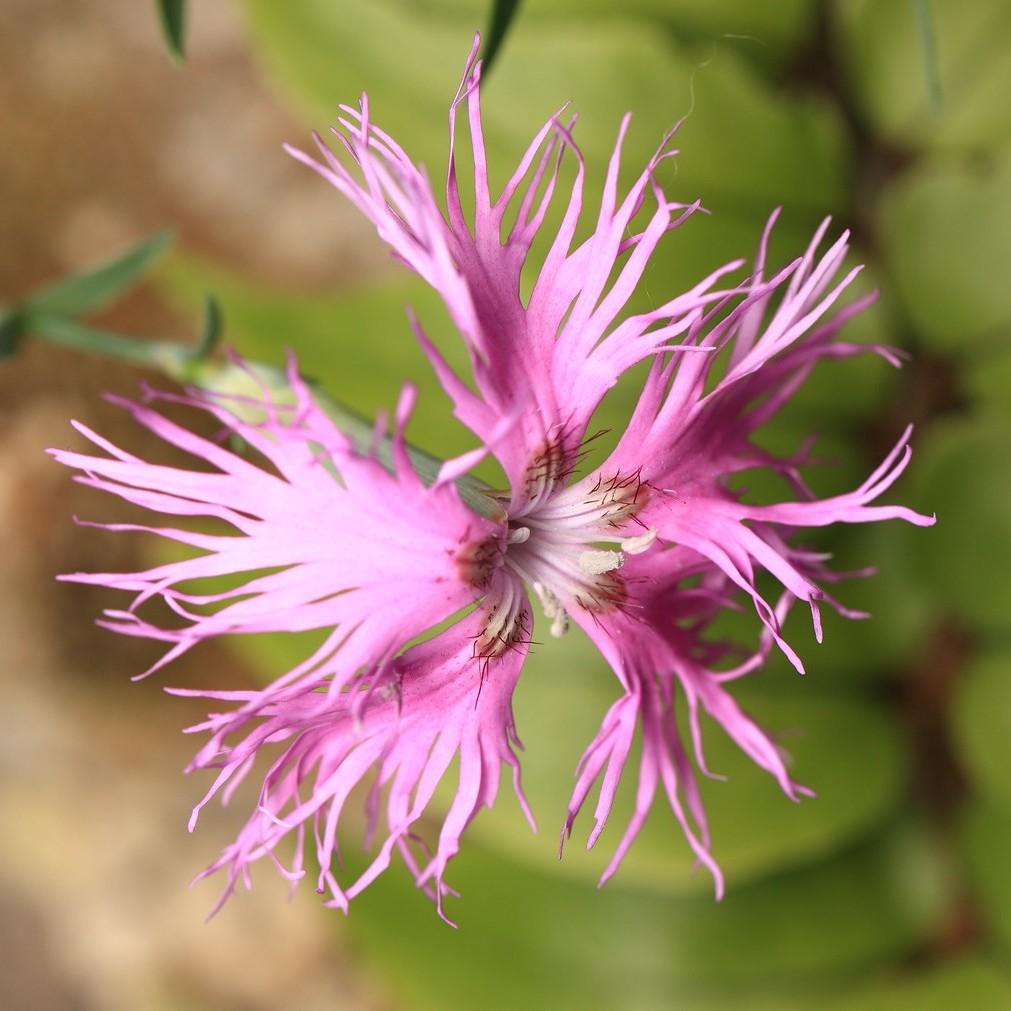
carnation
Dianthus superbus
Overview
The Carnation (Dianthus superbus) is an amazing species of plant for many reasons. Its beautiful, vibrant colors and its long-lasting blooms and sweet fragrance make it a great choice for any garden. The plant is also incredibly easy to take care of and grow. It's versatile and can thrive in a variety of climates, making it a great addition to any garden. It's also highly drought-resistant and tolerant of extreme temperatures, meaning it can survive for a long time even in tough environments. Its petals are edible, making it a fun ingredient to have in food, and its healing properties make it a beneficial addition to a medicinal garden. All in all, Carnation is an amazing plant full of wonderful benefits.
Care Guide
Watering
Carnations require regular watering to thrive. The best times to water carnations are in the morning and evening. When watering, make sure to soak the soil until water starts to run out from the bottom of the pot. Allow the soil to dry out slightly between waterings. In the summer, they may require more frequent watering, while less frequent waterings may be sufficient in the winter. Always check the soil before watering to make sure it is still somewhat dry. Too much water can cause the plant’s roots to rot.
Light
Carnations (Dianthus superbus) prefer bright, sunny locations with at least 6 hours of direct sunlight per day. Morning sunlight is generally preferred as it helps the plant dry after dew or rain. These plants do best in a spot where they can receive full sun in the morning and have sheltered shade from the hot afternoon sun. Partial shade, however, is often suitable, and in the hottest climates, carnations may benefit from afternoon shade to protect them from scorching.
Temperature
Hardiness zone 3–8.
Pruning
Carnations (Dianthus superbus) should be pruned in spring, just before new growth begins. The best time for pruning is when the flowers have just finished blooming. Pruning should be done sparingly and with care, since removing too much foliage could damage the plant. Start by trimming away any dead or weak stems so that you can more easily access healthy stems. Then trim off any excess foliage that is blocking the new growth. Finally, use sharp pruning shears to lightly trim back the stem tips. This should be done with precision so that the top of the stem is about a quarter of an inch above the previous leaf node. Pruning carnations should only be done to help the health and vigor of the plant; it is not necessary to prune it heavily.
Propagation
Seed Propagation, Division, Cutting, Layering Propagation
Related plants
Other plants you might like if you grow carnation.