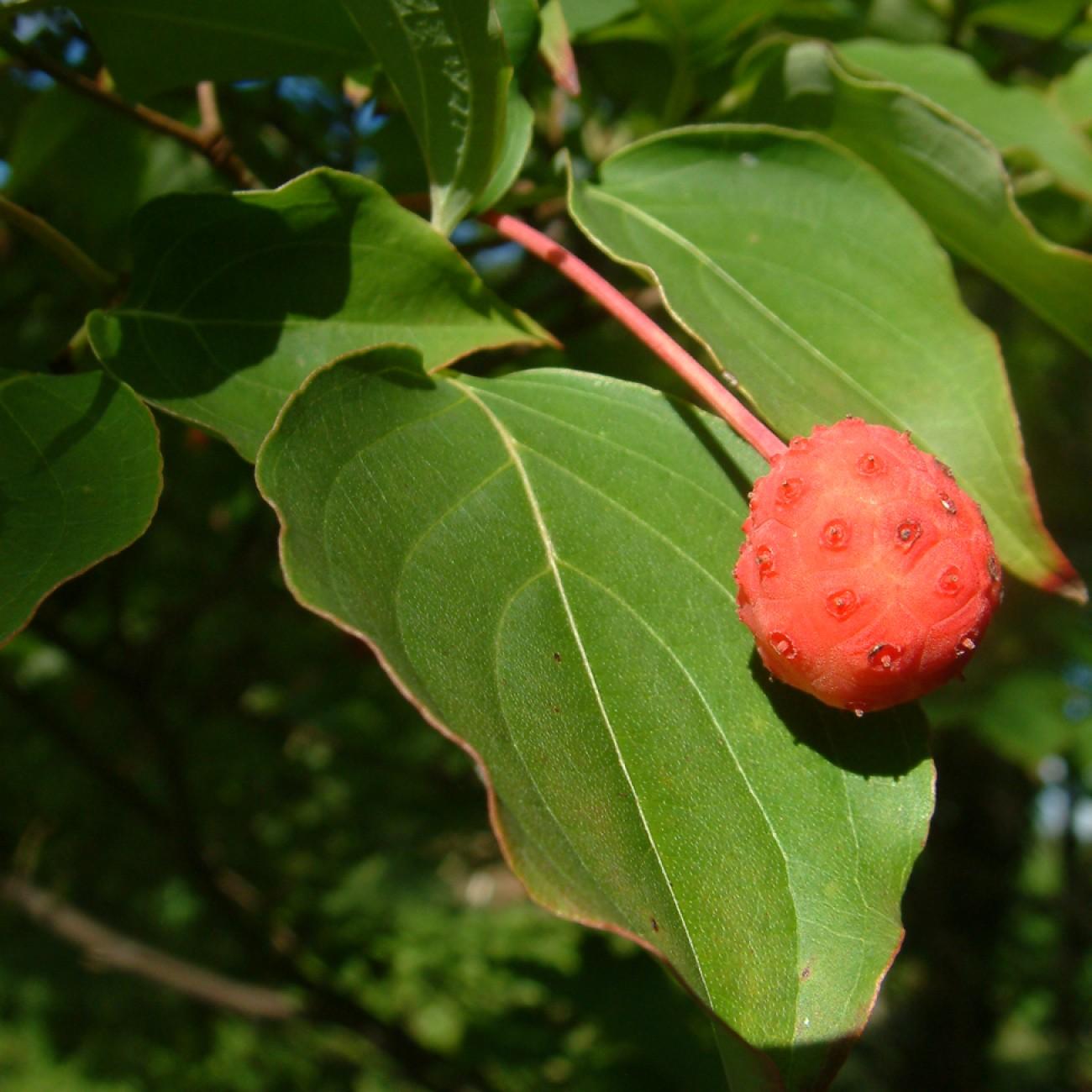
Chinese dogwood
Cornus kousa var. chinensis
Overview
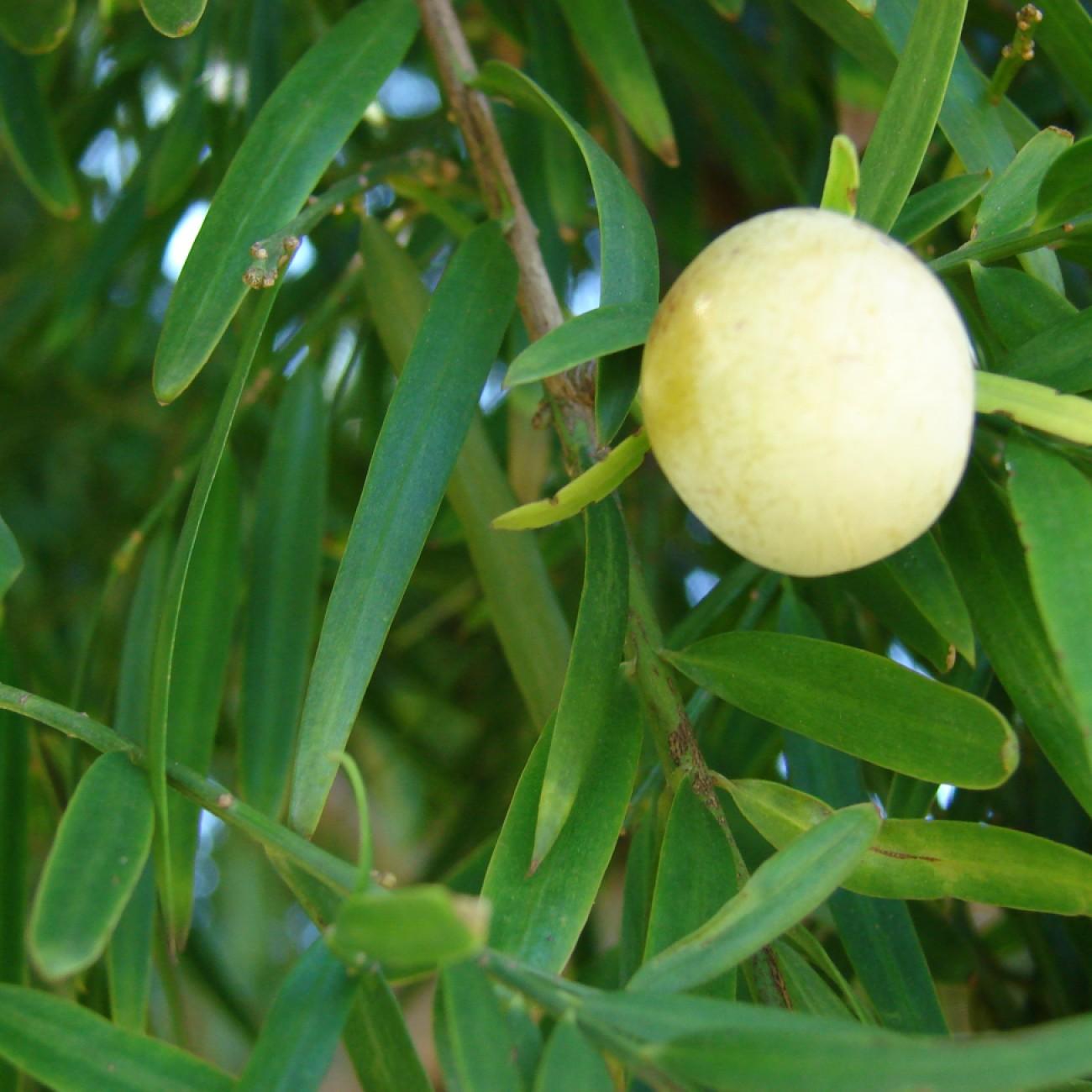
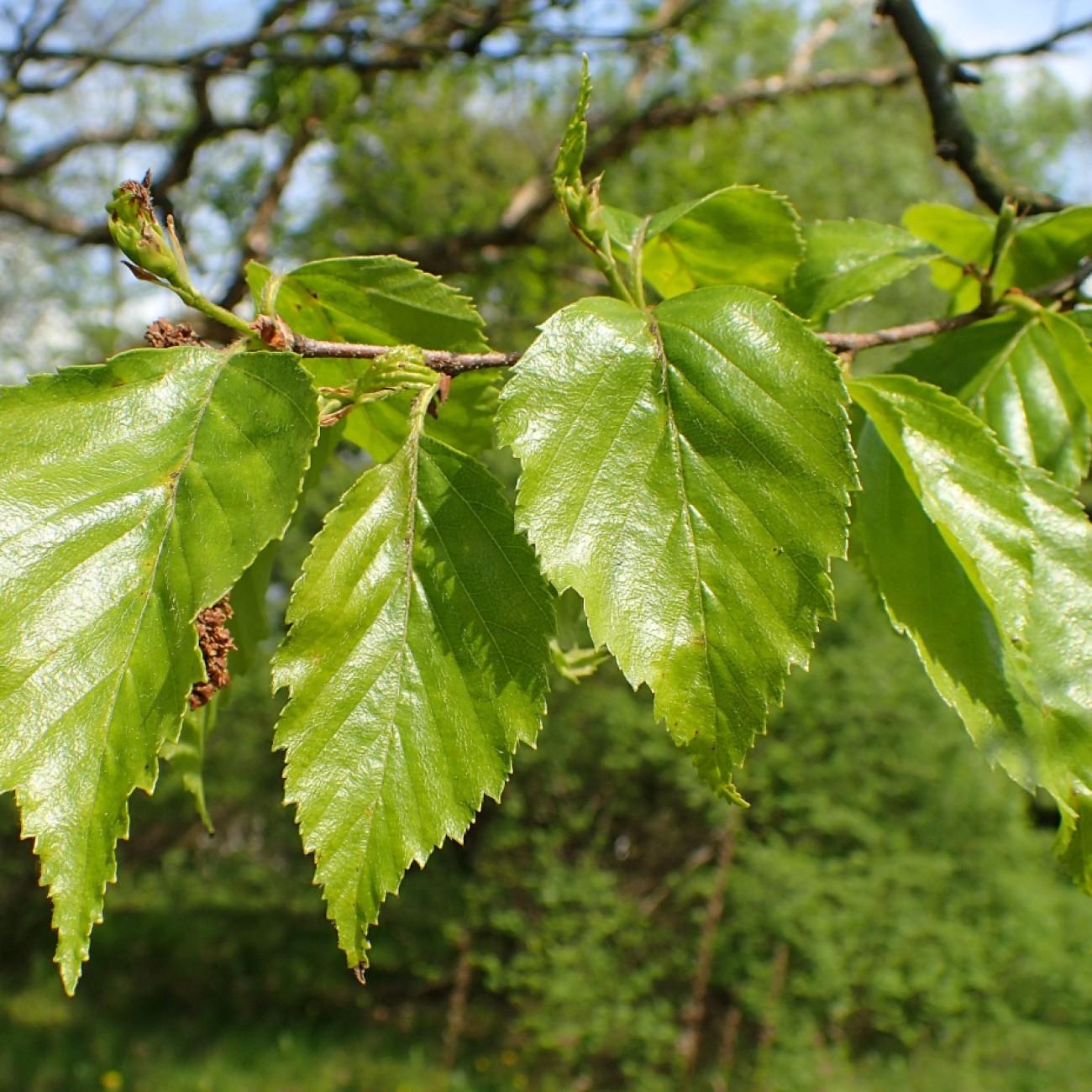
Chinese dogwood is a stunning species of small tree or shrub that is native to East Asia. Known for its stunning display of white flowers in summer, followed by sweet-smelling, strawberry-like fruits in the fall, it is an amazing specimen for any garden. Its strong branches and leathery leaves make it easy to maintain, even in harsh weather. Plus, its remarkable display of foliage in every season gives it an attractive, ornamental look. For anyone looking for an attractive ornamental tree that survives in a wide range of climates, the Chinese dogwood is an excellent choice.
Care Guide
Watering
Chinese dogwood should be watered once or twice a week during the growing season (May to August). The soil should be kept moist but not soggy; when the top 2 inches of soil feels dry, water until it runs through the drainage holes in the bottom of the pot. Reduce watering during the winter months, only when the top inch of soil is dry and never if the soil is soggy. However, make sure to water enough so the soil does not completely dry out.
Light
Chinese dogwood (Cornus kousa var. chinensis) thrives best in full sun to partial shade. Ideally, the plant should receive at least 6 hours of direct sunlight each day, especially during the growing season. Otherwise, it should receive partial shade and receive some hours of direct sunlight, such as 4 hours a day. When establishing Chinese dogwood, direct sunlight should be minimized to avoid burning the leaves, and gradually increase the amount of sunlight once the plant has become established. It is important to monitor the plant's leaves for signs of sunburn, even when it seems to be receiving enough sunlight.
Soil
Acidic, Well-drained
Temperature
Hardiness zone 5–8.
Pruning
Chinese dogwood should be pruned annually in early spring, before new growth appears. Young plants should have minimal pruning, focusing on removing any damaged or dead branches. More mature plants can be pruned for shape and size, removing up to 1-third of the branches each year. Pruning for shape should occur after the flowering season has ended. When shortening branches, remove no more than 1-third of the current season's growth and always follow the branch collar when pruning. Be sure to inspect and clean your pruning tools before and after use.
Propagation
Cutting
Uses & Symbolism
Attracts: Birds, Butterflies.
Diseases & Pests
Common pests: Leaf scorch, Pest resistant, Disease resistant, Deer resistant .
Related plants
Other plants you might like if you grow Chinese dogwood.