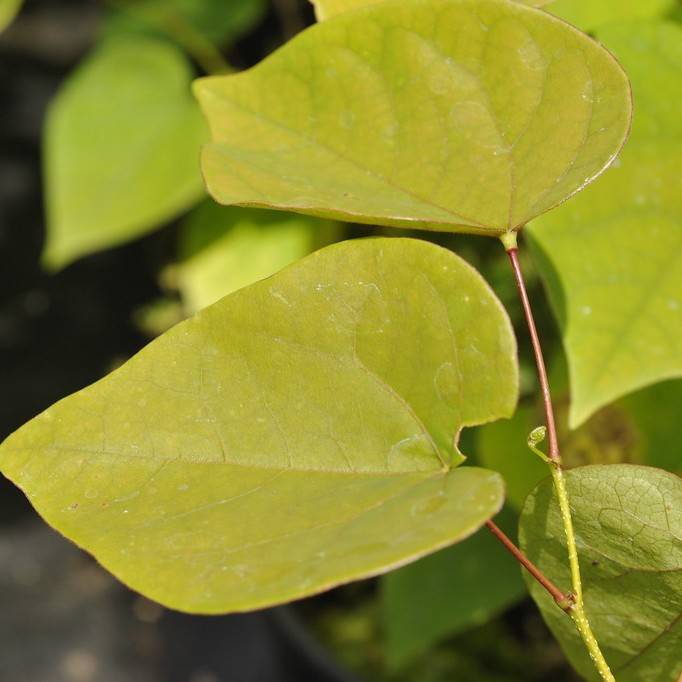
Chinese redbud
Cercis chinensis 'Don Egolf'
Overview
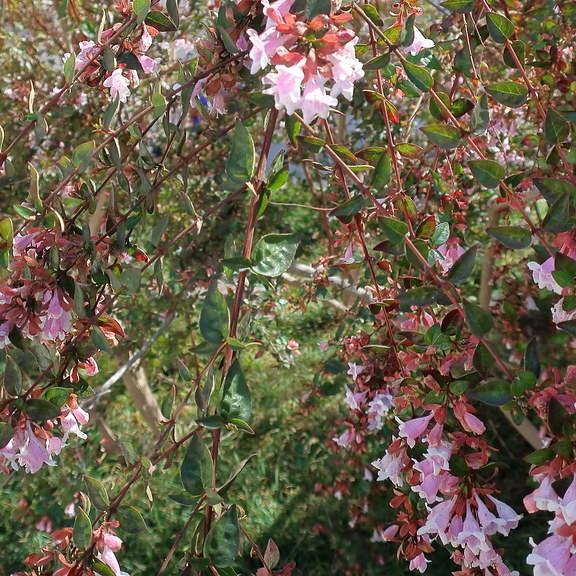
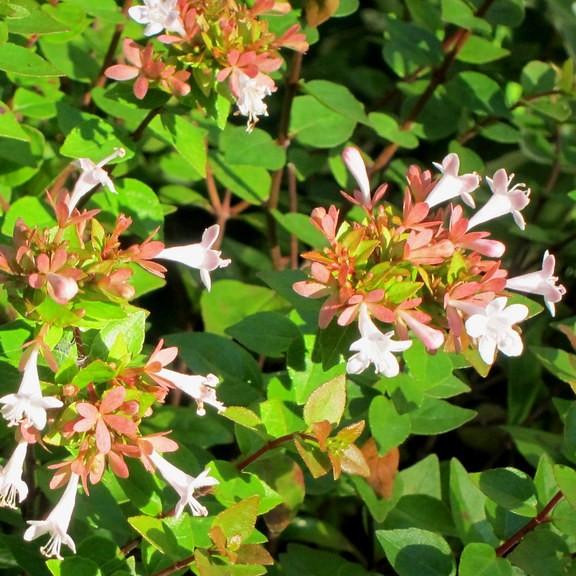
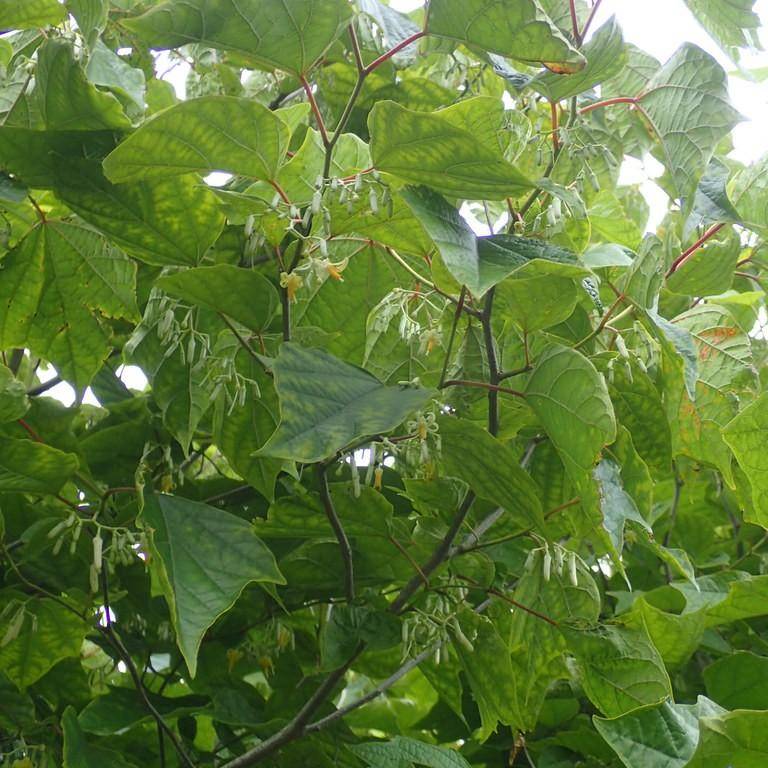
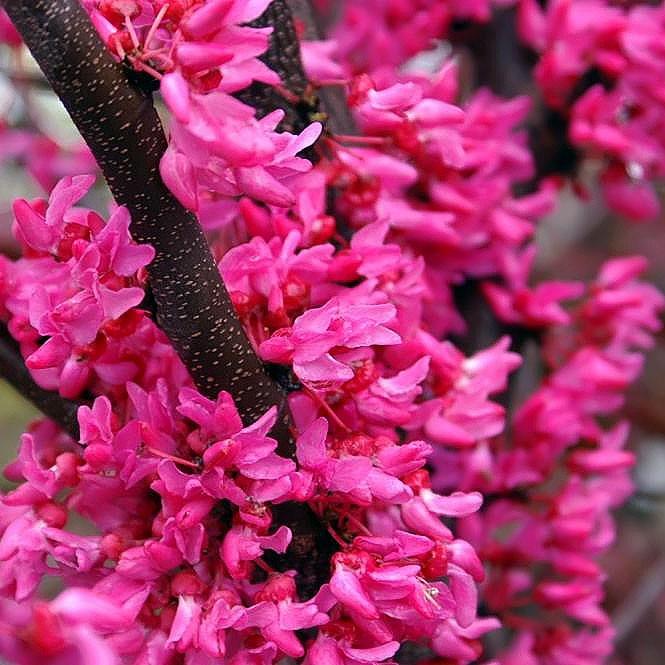
Chinese Redbud (Cercis chinensis 'Don Egolf') is an awe-inspiring small tree with a tall slim trunk and a wide weeping canopy of fragrant pink flowers. Its heart-shaped leaves are a glossy green, and in spring they are complemented by clusters of rosy-pink flowers that cascade from the branches. The beauty of the Chinese Redbud lies not only in its gorgeous blooms, but also in its versatility. It can be planted as a focal point in a courtyard or as a low hedge in a large garden, adding beauty and texture to any outdoor space. Its small size makes it perfect for small spaces, while its modest growth rate keeps it under control. Whether planted as a single specimen or with a mass of other blooms, the Chinese Redbud is sure to bring beauty and delight.
Care Guide
Watering
Chinese redbud (Cercis chinensis 'Don Egolf') is an excellent plant for gardens or patio containers and requires adequate watering for healthy growth. During the first year of growth, water Chinese redbud moderately to deeply, allowing the top 2 inches of the soil to dry out before watering again. Once established, water the Chinese redbud about once a week during the hot summer months and less frequently in the fall and winter. If you notice the foliage wilting, that is a sign to increase watering. In general, the best way to water Chinese redbud is to ensure the root zone remains moist but not soggy.
Light
Chinese redbud (Cercis chinensis 'Don Egolf') prefers full sun to partial shade to thrive. If planted in partial shade, ensure that it gets at least 5-6 hours of direct sunlight a day. It is best to give it partial shade in the mornings, and full sun in the afternoons. During the hot summer months, it is best to provide the plant a bit of extra shade to protect it from the intense midday heat.
Temperature
Hardiness zone 6–9.
Pruning
Chinese redbud (Cercis chinensis 'Don Egolf') can be pruned in early spring, when new growth starts to appear. Pruning should be light and should only remove dead, diseased, and broken branches to encourage new growth. If further trimming is needed, pruning should only be done in late winter before new growth and flowers appear. Pruning should be done sparingly to reduce shock to the plant and to preserve the natural form, and should not be done more than once per year.
Propagation
Grafting Propagation, Cutting, Layering Propagation, Air Layering Propagation, Seed Propagation
Related plants
Other plants you might like if you grow Chinese redbud.