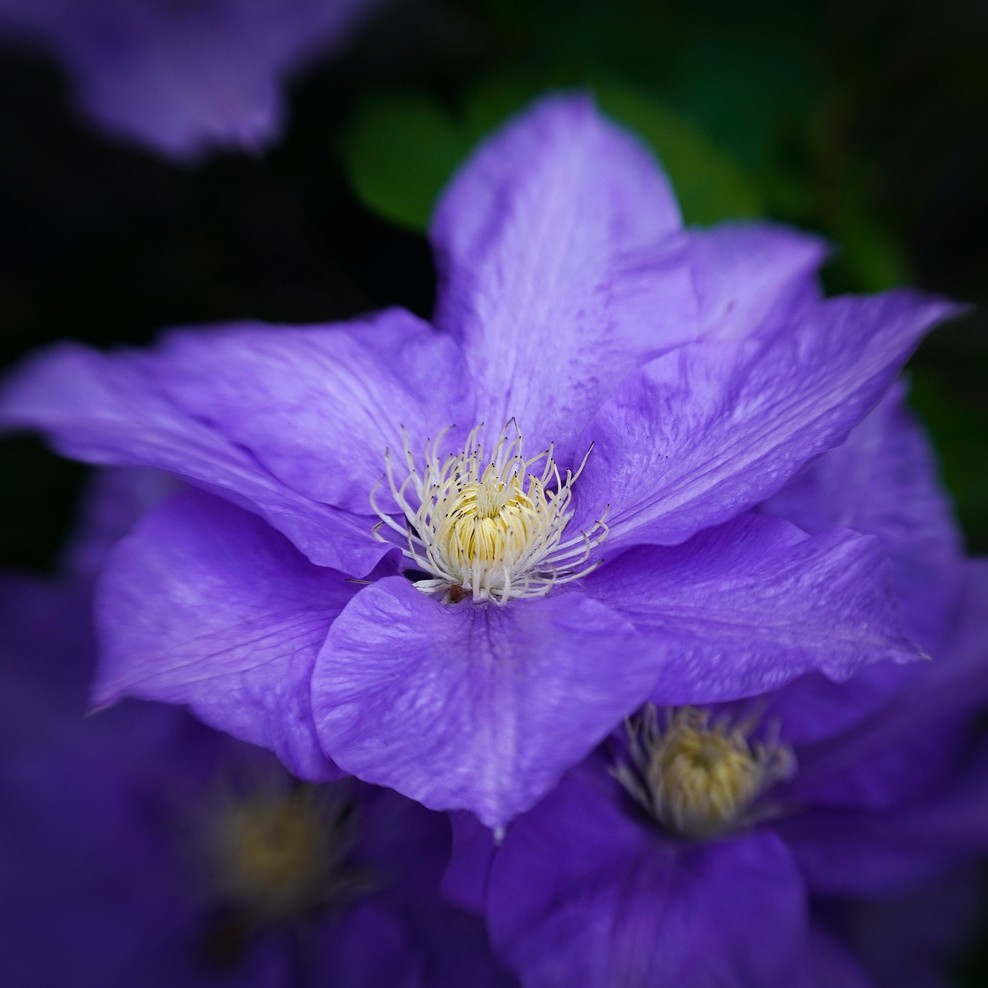
clematis
Clematis 'Edouard Desfossé'
Overview
The Clematis 'Edouard Desfossé' is an amazing plant with its eye-catching deep purple-blue flowers that have contrasting yellow anthers in the middle. Its foliage is lush and dark green, providing an attractive backdrop for the delicate blooms, which appear between late spring and early fall. The Edouard Desfossé is frost resistant and will tolerate either full sun or partial shade in a moist, well-drained soil. It doesn't need pruning, so it's easy to care for, and it's one of the most popular flowering plants ever. It's a versatile vine that can be planted as a classic climber or grown as a ground cover. Its beauty and ease of care make it a winning choice for any garden.
Care Guide
Watering
Clematis 'Edouard Desfossé' should be watered deeply and consistently during the growing season. Water this plant frequently while actively growing, approximately every 7-10 days, in order to keep the soil consistently moist, but not soggy. However, be sure to check the soil before watering; if it is still moist then it does not need to be watered. During the hotter summer months, you may need to water more frequently. In the winter, water less, allowing the planting mix to dry out somewhat between waterings, but never completely.
Light
Clematis 'Edouard Desfossé' is an ornamental plant species that prefers full sun exposure to perform at its best. It should receive at least 6 to 8 hours of direct sunlight each day. Although it can tolerate some shade, providing it with more light will increase blooming potential and floral displays. Place it in an area that receives full sun in the morning, which is the ideal time for flowering plants to receive sunlight. For optimum growth, keep it in a southern-facing or western-facing location where it will receive the most exposure to sunlight.
Temperature
Hardiness zone 3–8.
Pruning
Prune clematis 'Edouard Desfossé' twice a year, once in late winter and once in mid-summer. Prune late-winter-flowering varieties, including ‘Edouard Desfossé’, by removing all dead or weak stems, and then cutting back any remaining stems to just above a healthy bud. Prune mid-summer-flowering varieties in July after they have finished flowering, although you can delay pruning until late summer if there is a risk of frost. Cut the stems back to a pair of healthy buds. Avoid aggressive pruning as this will reduce the display of flowers. Instead, focus on removing dead or weak stems, and selectively thinning, being careful not to cut healthy stems too severely.
Propagation
Layering Propagation, Cutting, Division, Grafting Propagation
Related plants
Other plants you might like if you grow clematis.
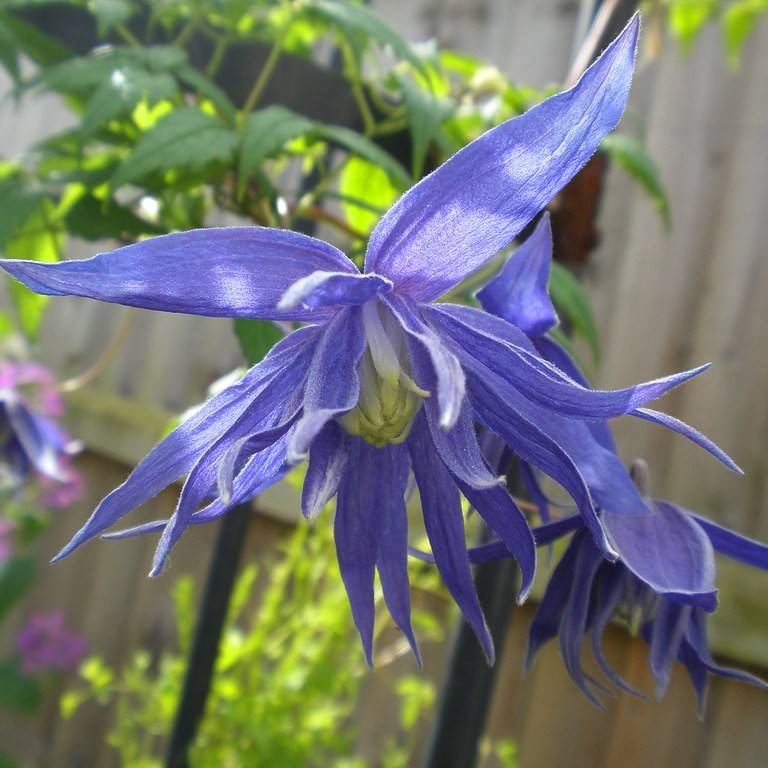
downy clematis
Clematis macropetala
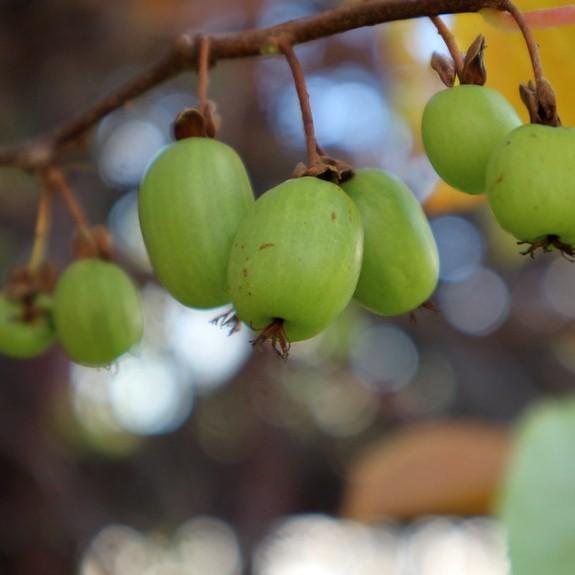
variegated kiwi vine
Actinidia kolomikta
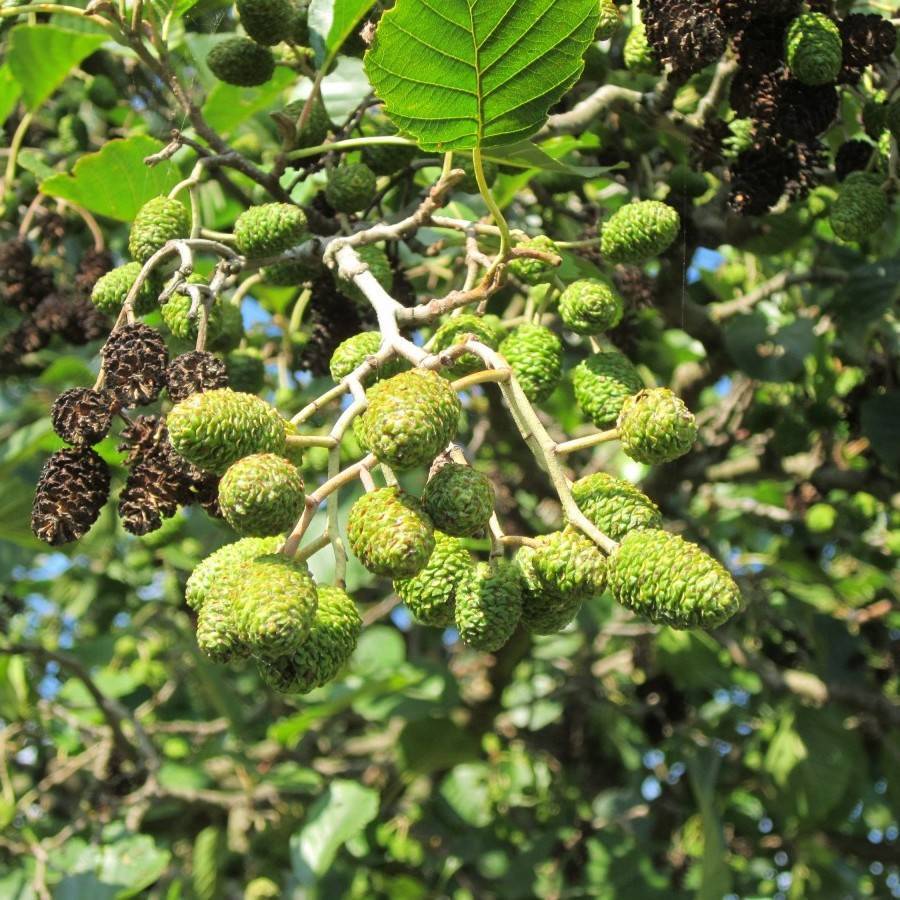
alder
Alnus mayrii
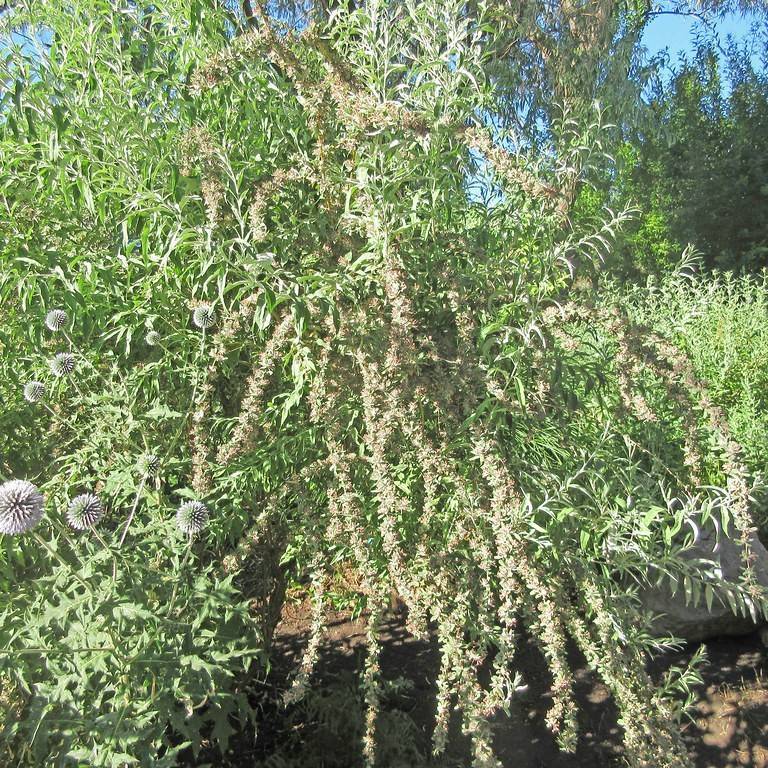
alternate-leaved butterfly bush
Buddleja alternifolia
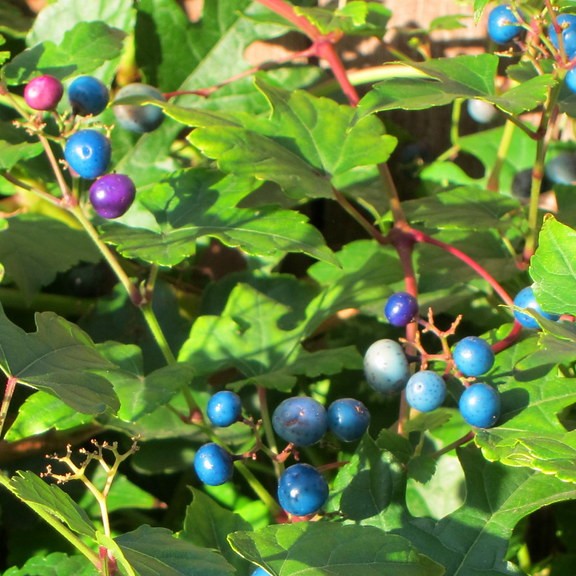
amur peppervine
Ampelopsis brevipedunculata
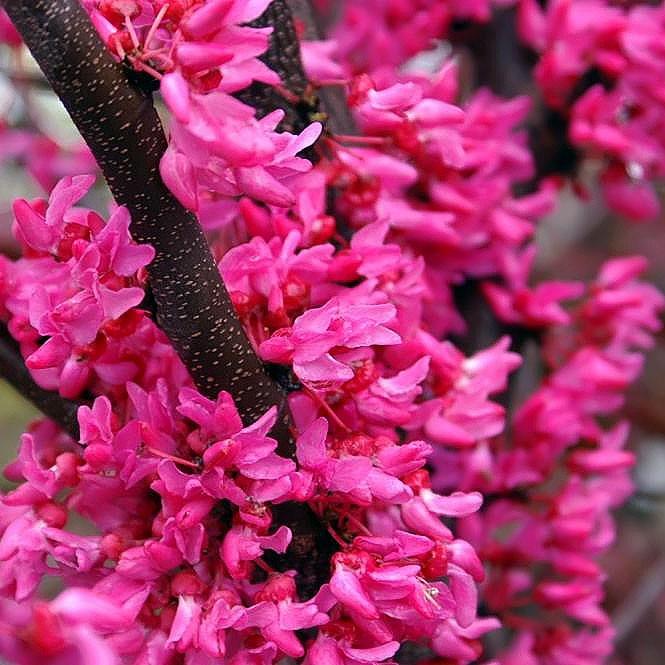
Appalachian Red Redbud
Cercis canadensis 'Appalachian Red'
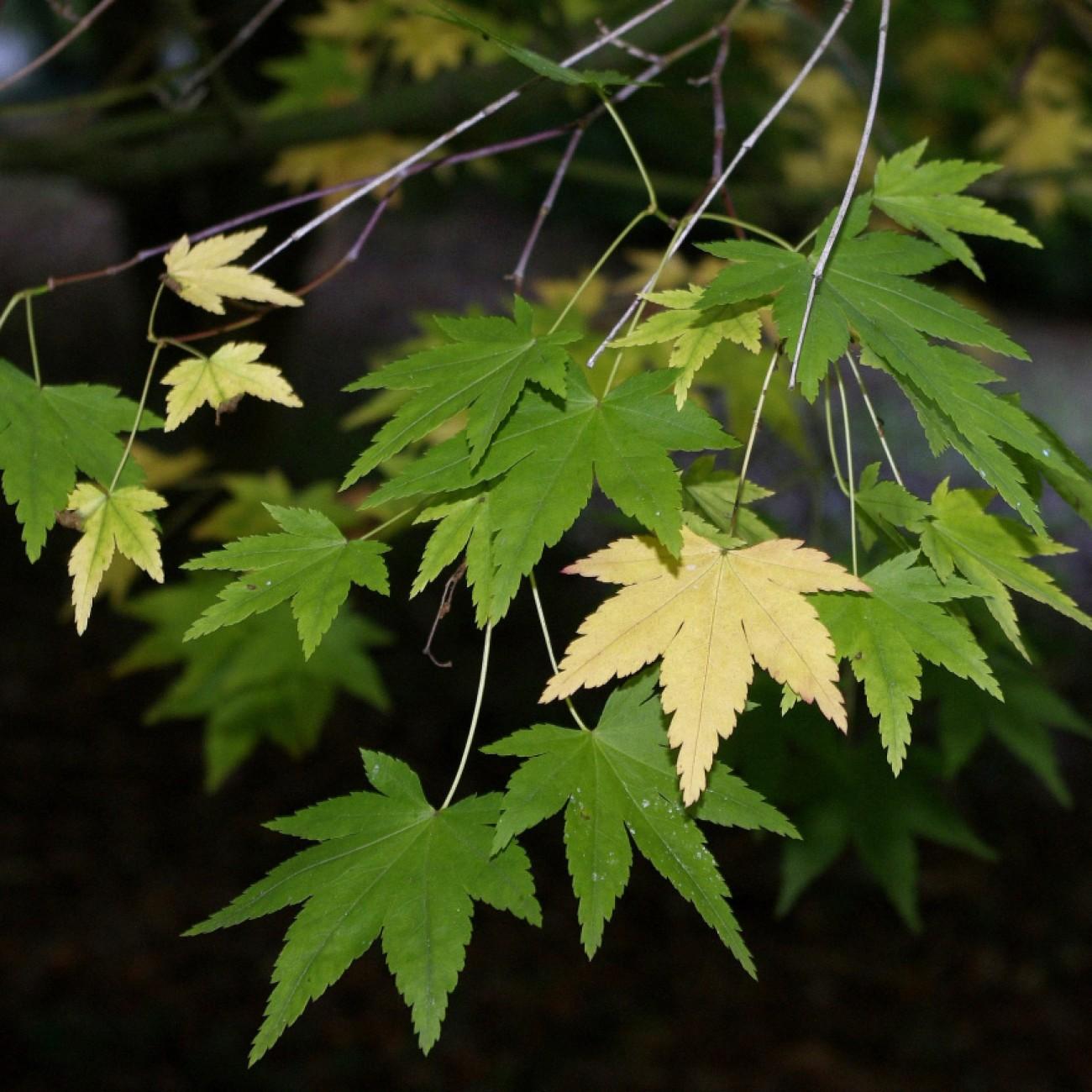
Arakawa Cork Bark Japanese Maple
Acer palmatum 'Arakawa'
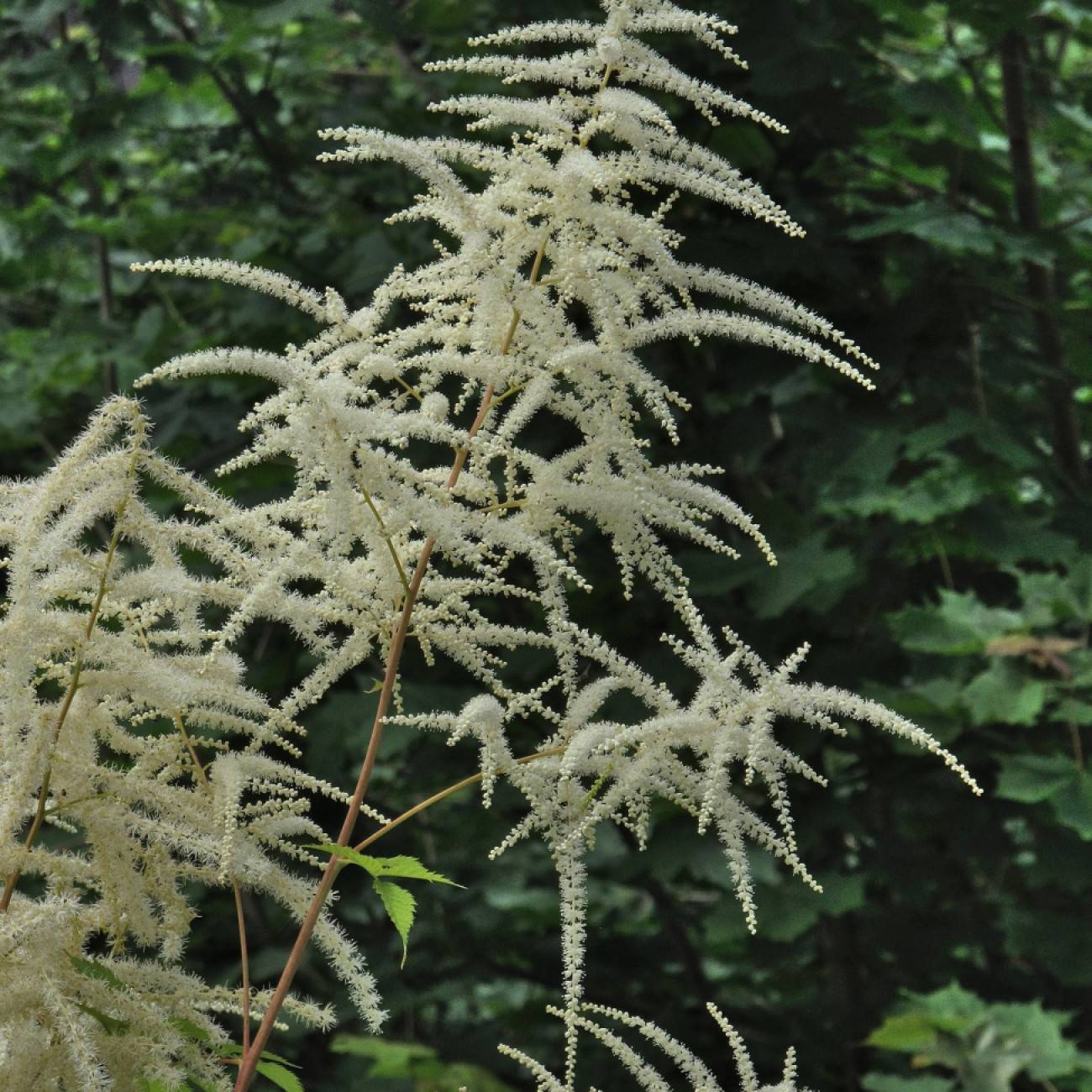
aruncus
Aruncus 'Horatio'