clematis
Clematis recta 'Purpurea'
Overview
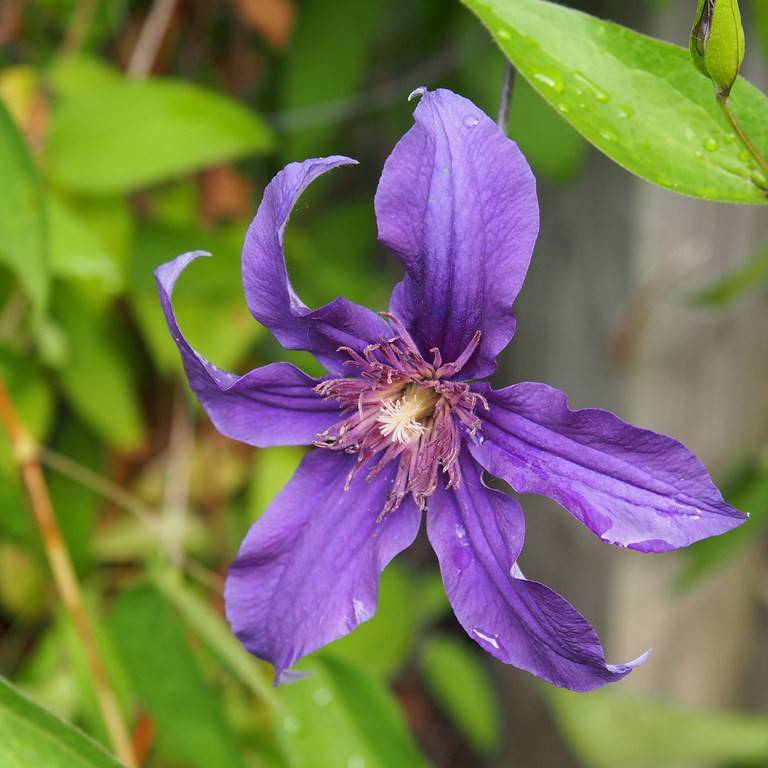
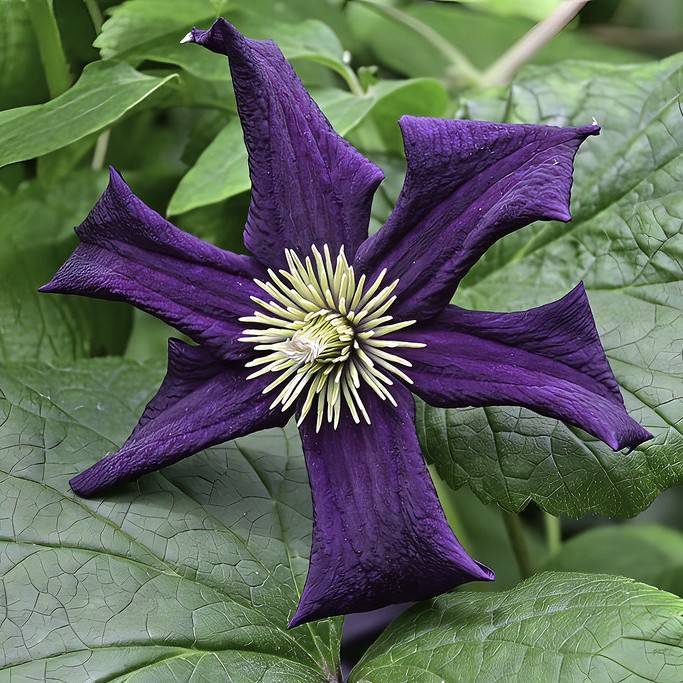
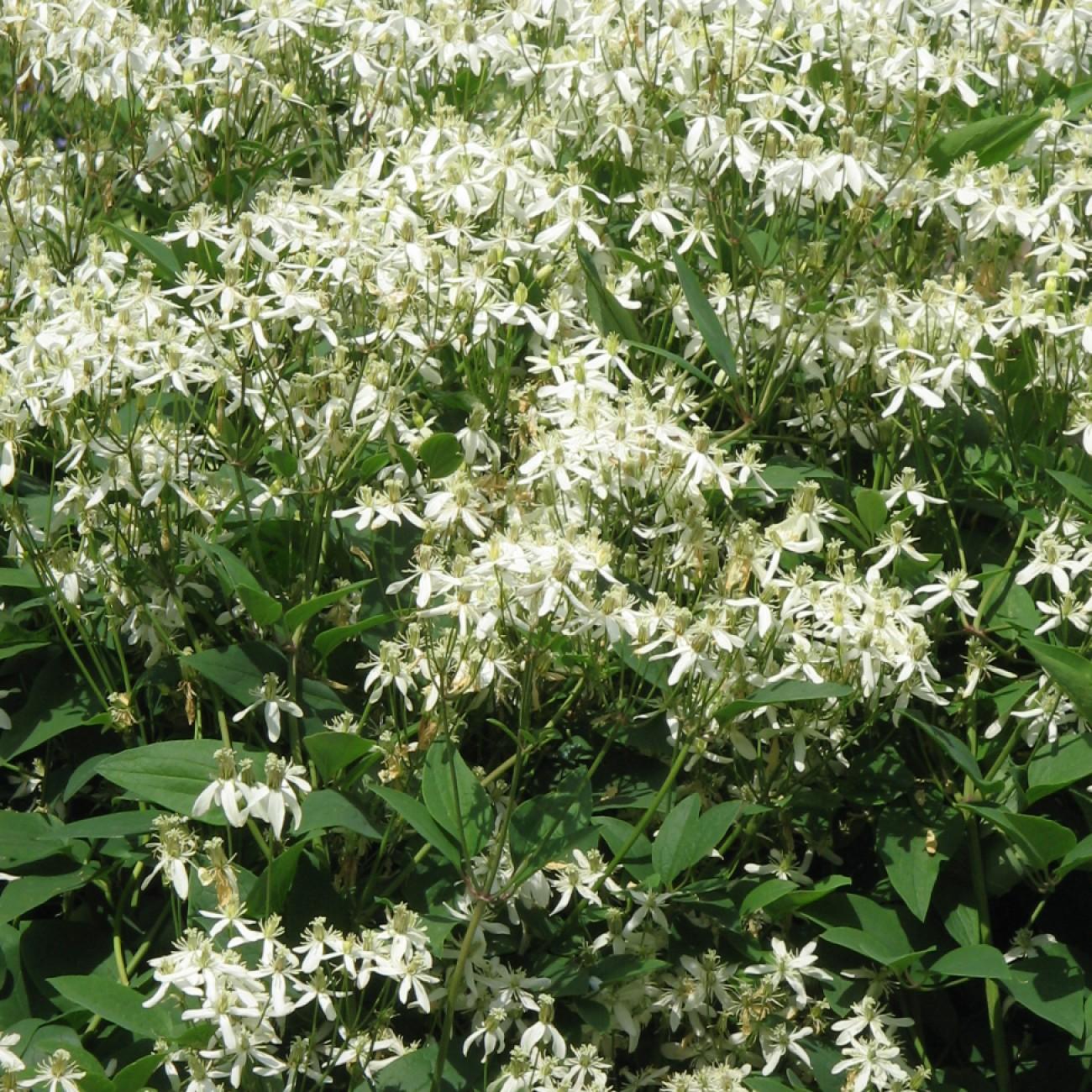
Clematis recta ‘Purpurea’ is a hardy climbing vine with lush purple foliage and white star-shaped flowers. The petals on the flowers first appear white, but soon change to a rich purple-red, making them a real show stopper. This stunning vine can climb up to 10 feet, making it the perfect plant for covering walls and pergolas, as well as providing shade. With its simple care requirements, Clematis recta ‘Purpurea’ is a great choice for novice gardeners. It is a joyful addition to the garden, providing bold color and blossoming throughout the year.
Care Guide
Watering
Clematis recta 'Purpurea' should be watered consistently and deeply at a rate of about 1-2 inches per week. Watering every 5-7 days is a good goal, depending on temperature and humidity levels. The best time to water a clematis is early in the morning. This will give the plant enough time to absorb the moisture before evening temperatures drop. Avoid wetting the foliage of the plant, as this can encourage disease. If the soil feels dry, it is time to water again. Avoid overwatering and waterlogging the soil.
Light
Clematis recta 'Purpurea' will thrive when it is provided with plenty of direct sunlight throughout the day. This species of flower should receive at least 6 hours of sunlight per day for optimal growth and flowering. To ensure healthy and beautiful blooms, it's best to give them morning sun and dappled light or partial afternoon shade. This type of clematis can also do well when under the shade of trees or shrubs, but still need access to the sunlight. To ensure the best flowering and the highest success rate, planting the Clematis recta 'Purpurea' in a place where it can receive full sunlight for at least 6 hours is recommended.
Temperature
Hardiness zone 3–9.
Pruning
When it comes to pruning clematis (Clematis recta 'Purpurea'), the best time to do it is late winter or early spring, just before new growth begins. It's best to prune before the plant starts to leaf out. Pruning clematis should involve removing any dead, damaged, or weak stems, as well as thinning out the plant to improve air circulation and light penetration. Generally, you should cut the stems back to about 6-12” above the ground. More aggressively pruning clematis plants will depend on the variety as well as how large you want it to grow. With evergreen varieties, the amount of pruning will generally be minimal. Whatever you do, avoid pruning after June as that can result in the loss of flower buds.
Propagation
Layering Propagation, Cutting, Division, Seed Propagation
Related plants
Other plants you might like if you grow clematis.