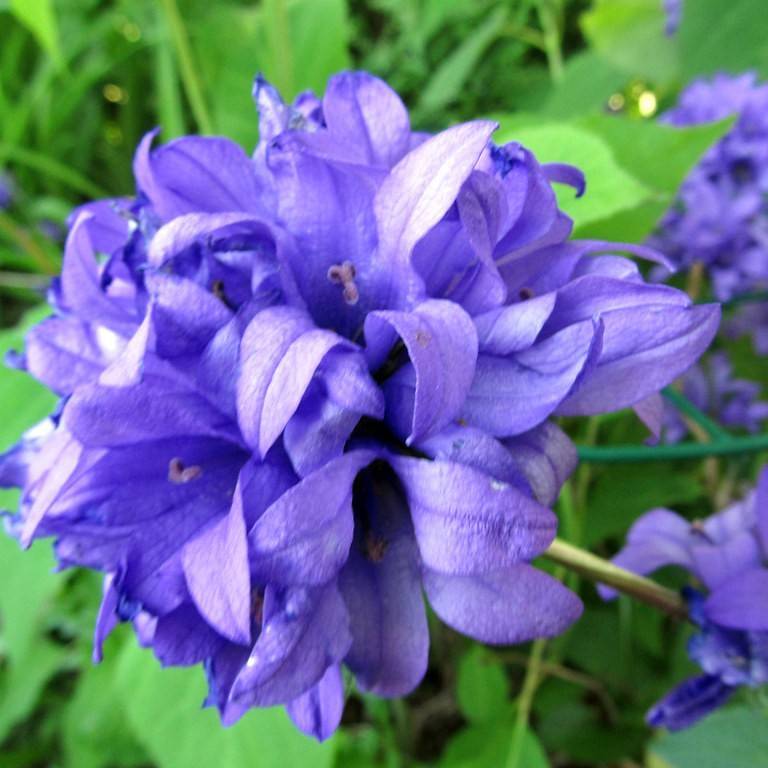
clustered bellflower
Campanula glomerata 'Caroline'
Overview
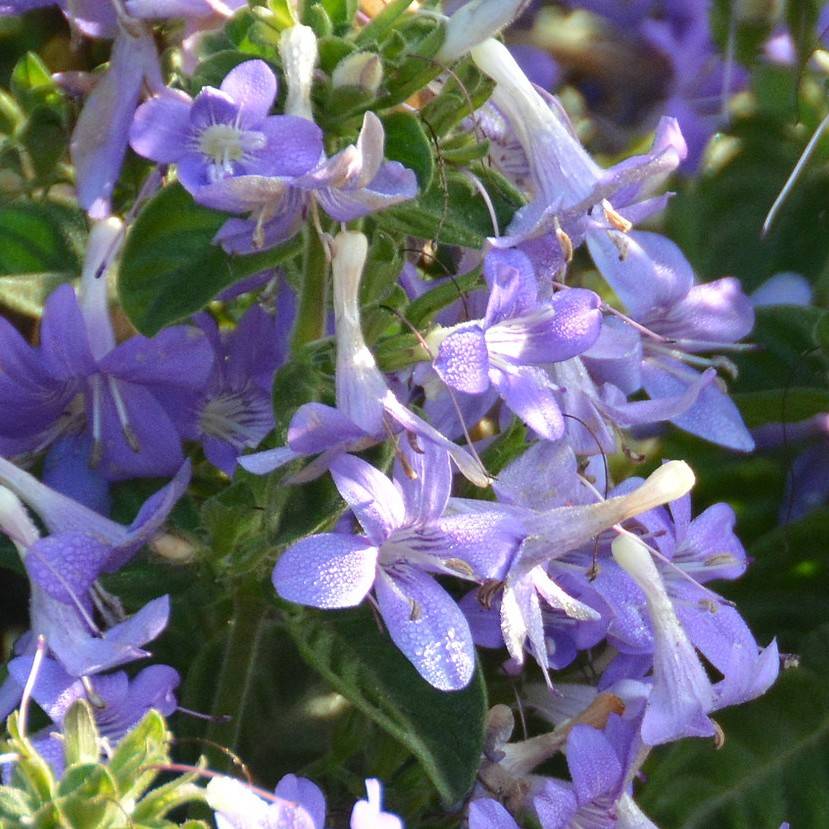
The clustered bellflower, Campanula glomerata 'Caroline', is an amazing plant species! It produces exquisite purplish-blue bell-shaped blooms that attract bees and butterflies for a beautiful show of summer color. Its petite size and hearty nature makes it a great fit for rock gardens, meadows, and woodlands. It is also a great companion for other wildflowers like Alliums and Black-eyed Susan, or for us in a container. Gather the flowers for a bouquet, or just admire nature's artistry! Plus, Caroline is drought-tolerant, deer-resistant, and easy to care for, making it a great choice for any garden.
Care Guide
Watering
The clustered bellflower (Campanula glomerata 'Caroline') needs to be watered deeply and infrequently. During its active growing period, which is typically during the spring and summer months, it should be watered at least twice a week (every 3 days). During times of drought, it can also handle being watered once a week. The soil should be allowed to dry out between watering sessions. In the winter months, you can refrain from watering the plant altogether.
Light
Clustered bellflower (Campanula glomerata 'Caroline') prefers full to part sun. This plant does best in an area of the garden that receives 6 to 8 hours of sunlight each day, with some light afternoon shade to protect it from the harsh afternoon sun. It will still bloom in more shade, but won’t be as vigorous or as floriferous. It’s a great choice for those small sections of sun-dappled water gardens for zones 4 to 8.
Temperature
Hardiness zone 3–8.
Pruning
The best time to prune clustered bellflower (Campanula glomerata 'Caroline') is in late spring after the flowers have faded. Pruning out the old, faded flower heads should be done to encourage new growth and prevent the spread of diseases that could be spread through the plant. Pruning should be done sparingly - no more than 1/4 of the entire plant should be removed in a single pruning session. If more than this is removed, the plant won't get enough energy to sustain itself and new growth won't come in. If there is heavy dieback, it's best to prune back the dead sections and not the entire plant.
Propagation
Division, Cutting, Seed Propagation, Layering Propagation
Uses & Symbolism
Attracts: Hummingbirds, Butterflies.
Diseases & Pests
Common pests: Deer resistant, Rabbit resistant.
Related plants
Other plants you might like if you grow clustered bellflower.