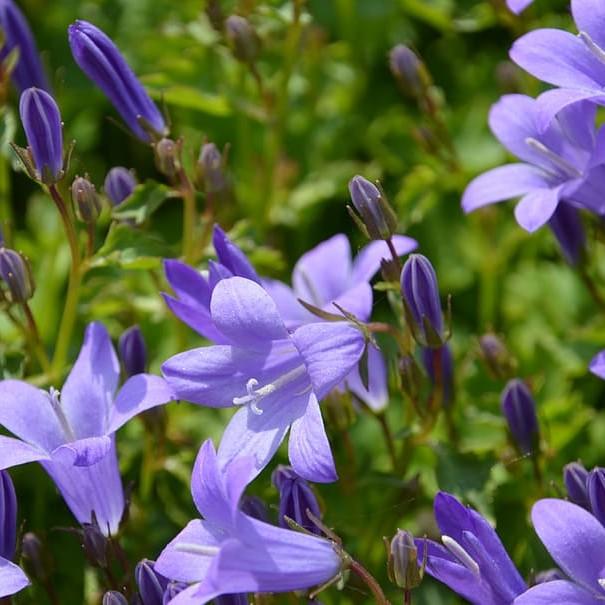
clustered bellflower
Campanula glomerata 'Church Bells'
Overview
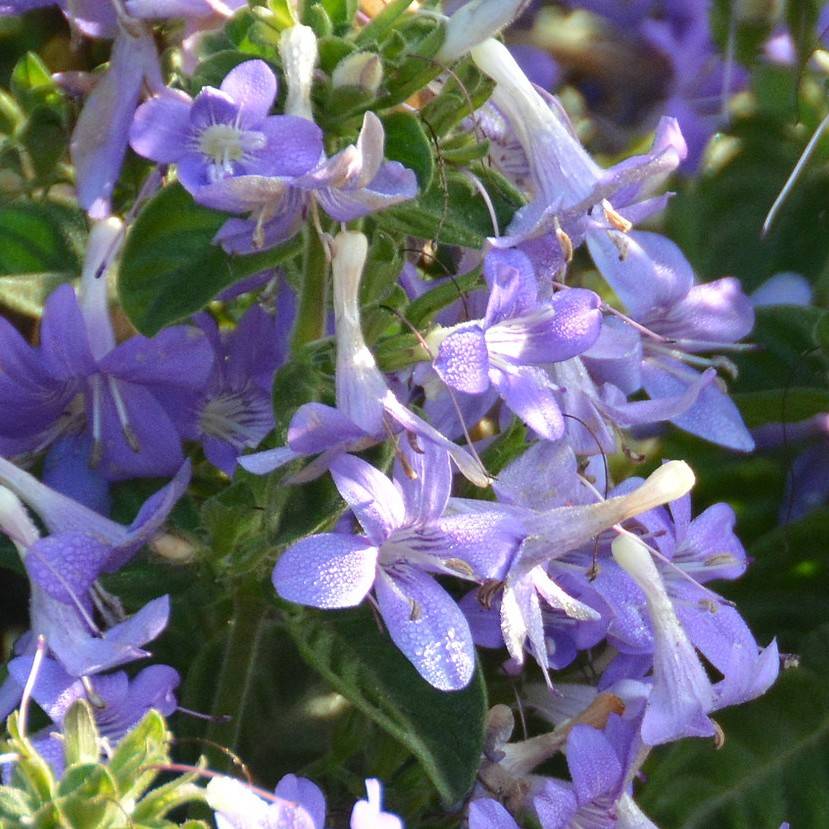
The clustered bellflower, Campanula glomerata 'Church Bells', is an amazing hardy perennial with an incredibly beautiful appearance. Its majestic clusters of starry bell-shaped purple blooms rise up on strong stems to a height of up to three feet above the foliage. As if that wasn't enough to wow gardeners, it is also a very low maintenance and hardy plant. It will grow in a wide range of soils and can tolerate dry conditions. The clustered bellflower makes a stunning addition to any garden - it's a must-have!
Care Guide
Watering
Clustered bellflower (Campanula glomerata 'Church Bells') should be watered once every 7 to 10 days during the growing season. During the summer, the soil should be kept slightly moist, while in the winter, the soil should be allowed to dry out slightly between waterings. Be sure to water all the way to the bottom of the soil and ensure no water pools on the surface. For best results, use a moisture meter to determine when the plant is short of water, and water thoroughly when needed.
Light
Clustered bellflower (Campanula glomerata 'Church Bells') grows best in full to half sun. Ideally, the plant should be exposed to approximately 4-6 hours of sun each day during the growing season. This is especially important during the hottest days of mid-summer when a bit of extra shade can help the flowering stems from wilting. In colder climates, some afternoon shade helps to protect the plants from frost.
Temperature
Hardiness zone 3–8.
Pruning
Clustered bellflower can be pruned twice a year. The first pruning should be done after flowering, in late spring. This will help remove the spent flowering stems and will keep the plant tidy. The second pruning should occur in fall, removing any old or congested stems. Both prunings should be done lightly, with a pair of clean scissors or sharp pruners, removing no more than 1/3 of the total stems each time.
Propagation
Division, Cutting, Seed Propagation, Layering Propagation
Uses & Symbolism
Attracts: Hummingbirds, Butterflies.
Diseases & Pests
Common pests: Deer resistant, Rabbit resistant.
Related plants
Other plants you might like if you grow clustered bellflower.