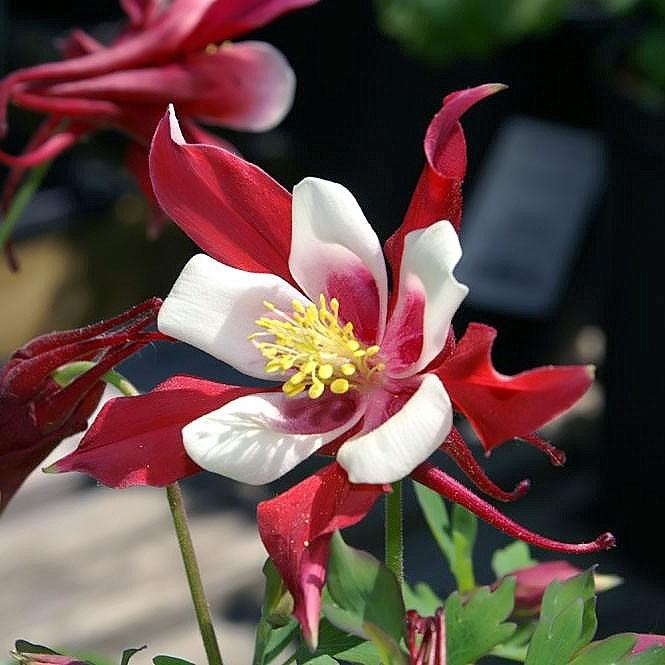
columbine
Aquilegia 'Red Hobbit'
Overview
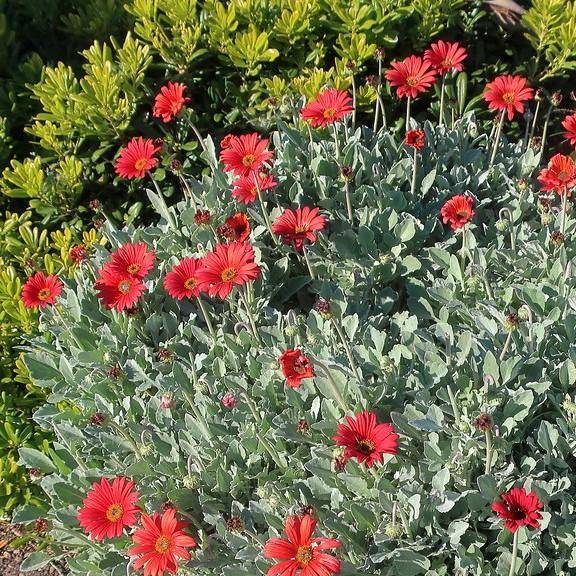
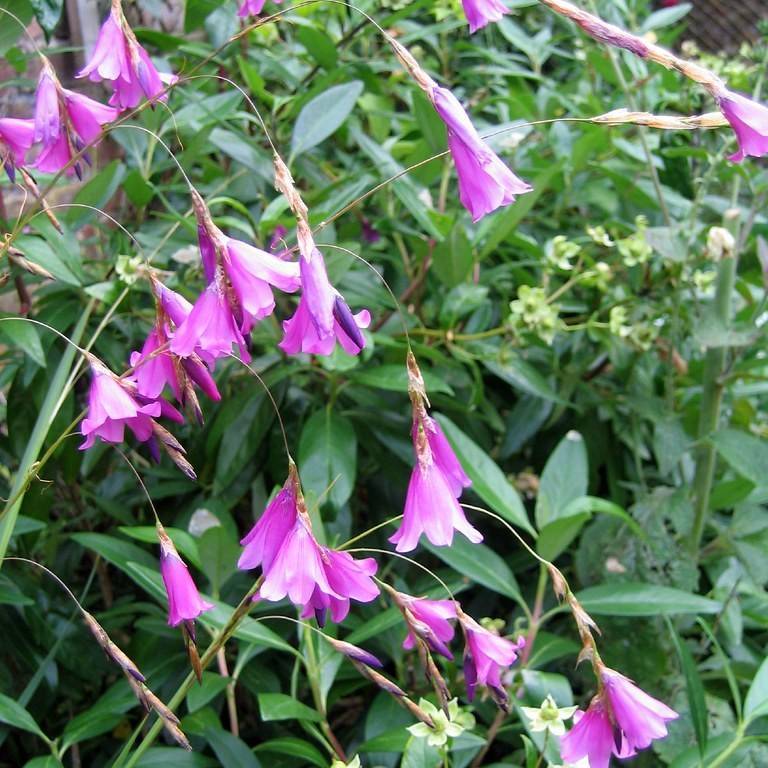
Columbine (Aquilegia 'Red Hobbit') is a stunning perennial plant with vibrant, red-tipped blooms. This hardy species blooms from May until the first frost, with the red flowers making a stunning contrast to the bright green leaves. The plants are drought and shade tolerant, making them an easy-to-care-for choice for any garden. They also require minimal care once established and will attract birds, bees, and butterflies with their sweet-smelling nectar. The bright red blooms of the 'Red Hobbit' are perfect for adding a pop of colour to any garden and make for a lively, romantic addition to any outdoor space.
Care Guide
Watering
Columbine 'Red Hobbit' should be watered regularly to ensure healthy growth. It is best to water deeply and slowly, saturating the soil to a depth of 6 inches. During the growing season (April to September), the columbine should be watered 2 to 3 times per week to keep the soil consistently moist. Make sure not to over-water as the plant is prone to bubbleroot of excessive moisture. During the winter months, water the columbine only when the soil is dry - approximately every 10 to 14 days. This can vary slightly depending on your region and the amount of rainfall.
Light
Columbine (Aquilegia 'Red Hobbit') prefers light shade for optimal growth, thriving in areas that receive partial sunlight throughout the day. This plant will do best in areas that receive 4 or more hours of direct sunlight each day, preferably in the morning hours. During the summer, it is important to provide the plant with some afternoon shelter from the full heat of the sun, as this can cause sunburn. Avoid full sun exposure when temperatures reach above 80°F (27°C). When temperatures are at their warmest for extended periods, you may need to supplement natural sunlight with artificial grow lights to prevent stunted growth.
Temperature
Hardiness zone 3–8.
Pruning
Columbine (Aquilegia 'Red Hobbit') should be pruned after flowering. Cut back dead flower stems to encourage more blooms. Pruning should be minimal, however, as the plant grows best with minimal intervention. To tidy up the plant, remove any dead, diseased or misshapen stems. Trim any overly long or straggly stems. Prune moderately for shape and to thin out overcrowded stems to improve air circulation within the plant. Light pruning of healthy stems as needed may also help to encourage fuller growth.
Propagation
Seed Propagation, Cutting, Division, Layering Propagation
Related plants
Other plants you might like if you grow columbine.