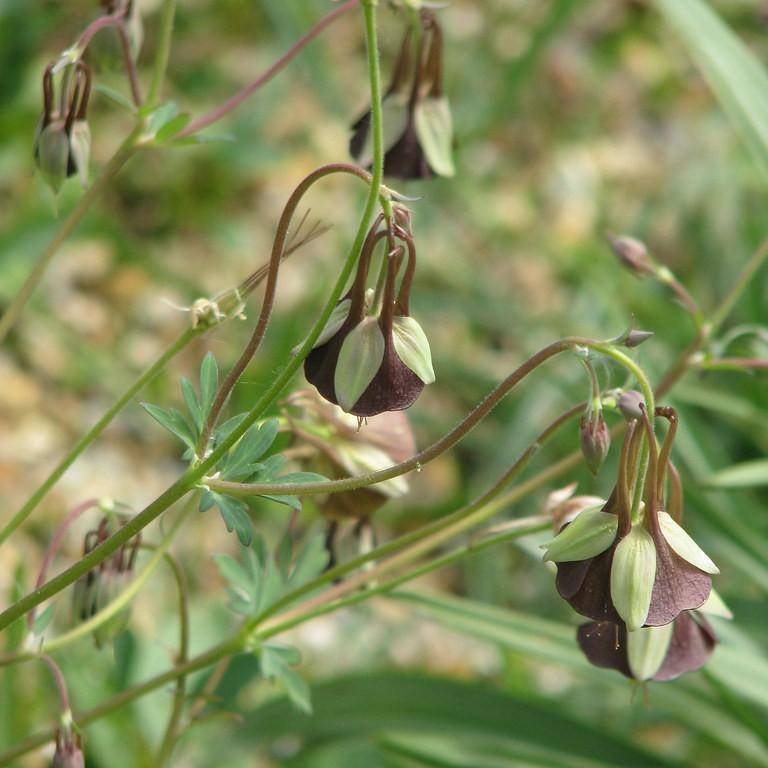
columbine
Aquilegia viridiflora
Overview
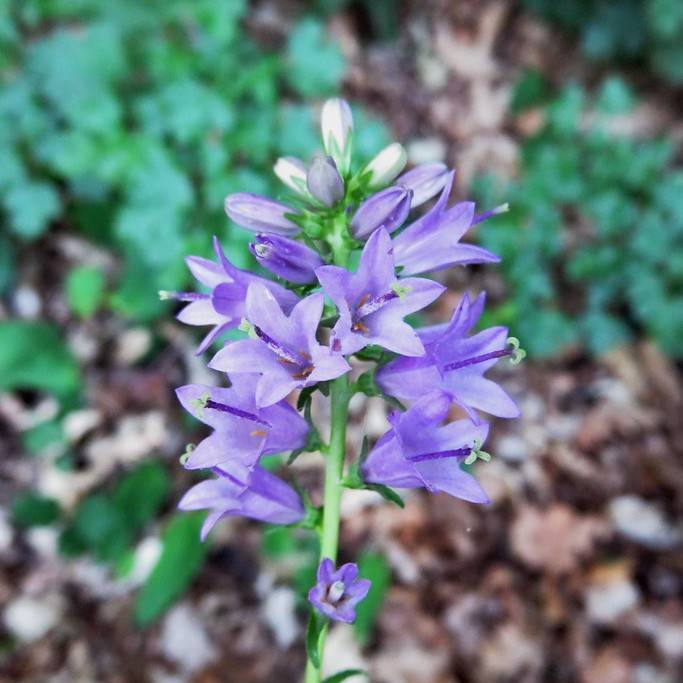
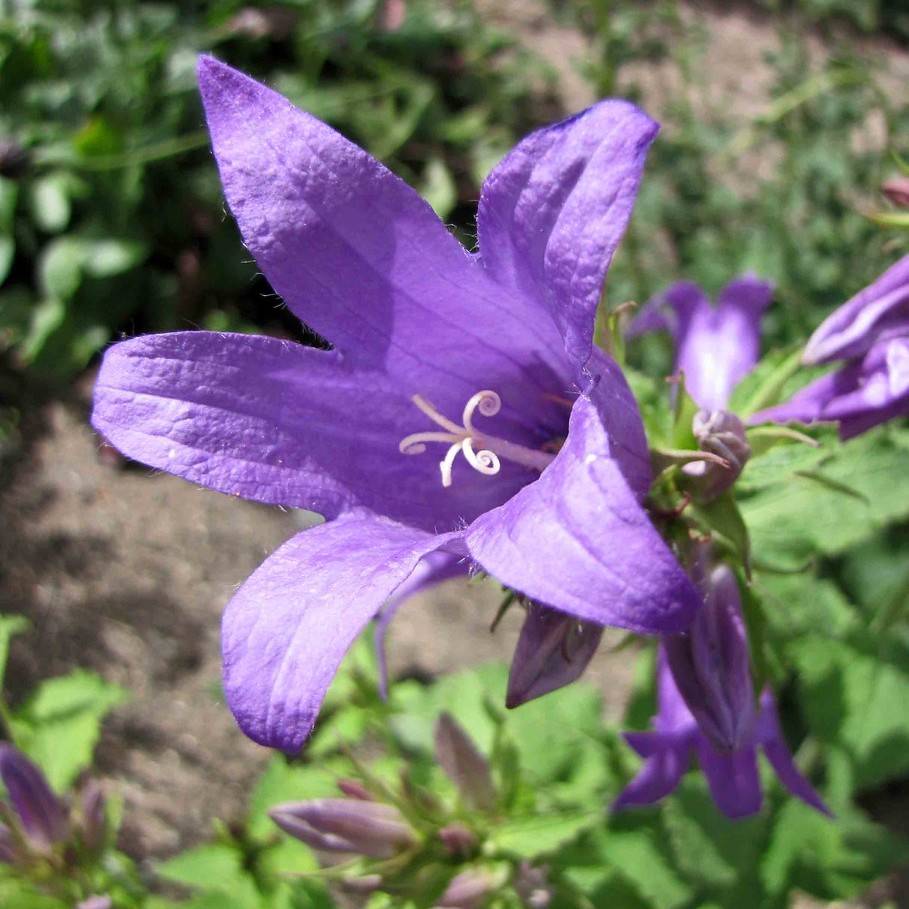
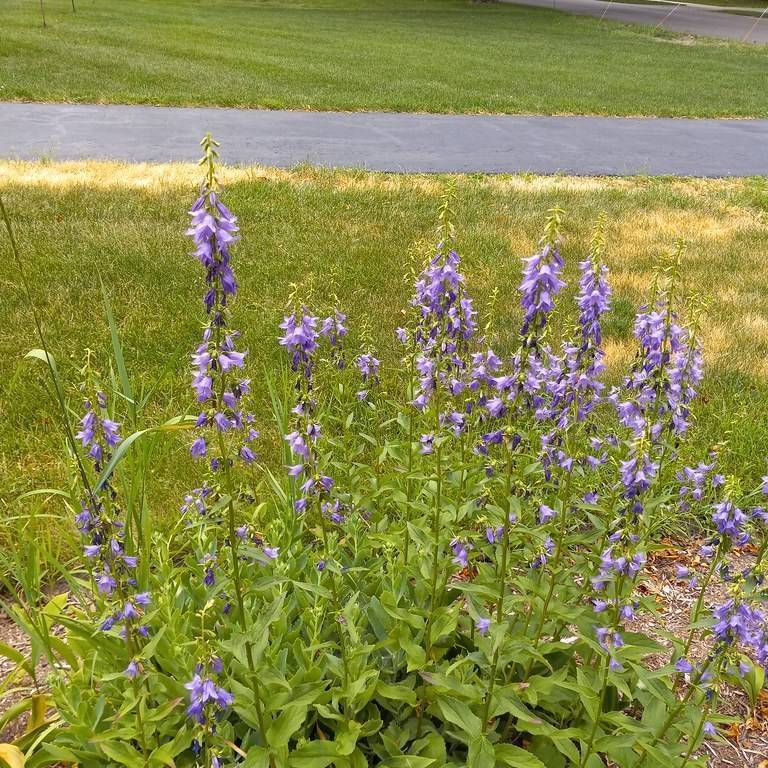
The Columbine (Aquilegia viridiflora) is a beautiful plant that can be found in many meadows, woodland areas, and gardens. Its bell-shaped flower blooms come in various shades of blue, white, yellow, and even purple. These flowers often have delicate spurred petals and are attractive to butterflies and other pollinators. The bright green foliage has a fan-like shape and fern-like texture, making them a unique addition to any garden. Columbines are hardy and easily grown in well-drained soil without too much fuss and need relatively little watering. They will bloom in the second year of planting, brightening up gardens for many months. They are truly an amazing plant species.
Care Guide
Watering
Columbine does best when the soil is moist, but not soggy. When planting columbine, water well and then allow the soil to dry out before watering again. To maintain healthy growth, water columbine regularly about once a week when it's actively growing. However, when in bloom, slowly reduce the amount of water to only once every 2 weeks. In the winter, when plants are dormant, water only enough to keep the soil from drying out completely.
Light
Columbine (Aquilegia viridiflora) plants require at least 4 to 6 hours of direct sunlight each day, ideally when the sun is at its highest point in the sky and taking into consideration any local climatic characteristics. Columbine plants should be grown in planting locations that provide full sun during mid-day hours, and then a bright, partially shaded area for the remainder of the day. Providing the right amount of sunlight helps to ensure that columbine will bloom with healthy, vibrant flowers.
Temperature
Hardiness zone 3–8.
Pruning
Columbine (Aquilegia viridiflora) should be pruned once a year in late winter or early spring before the new growth begins. For ideal results, remove any winter-killed stems and prune in a method where 1-third of the stem is removed at an angle. This will encourage new growth and flowering. Since Columbine is known for its attractive foliage, it is not necessary to cut back too far.
Propagation
Seed Propagation, Cutting, Division, Layering Propagation
Related plants
Other plants you might like if you grow columbine.