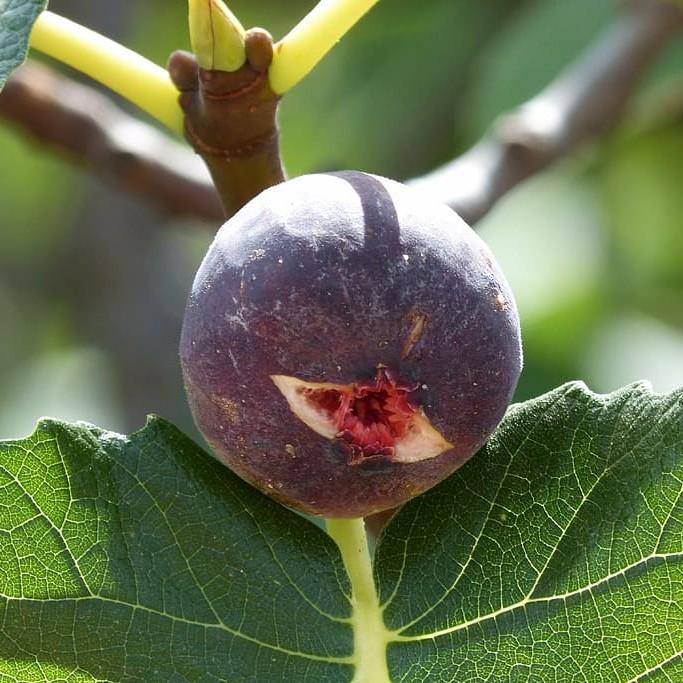
common fig
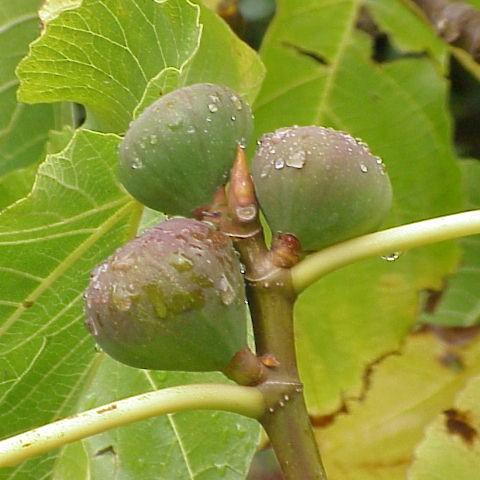
Ficus carica 'Petite Negra'
Overview
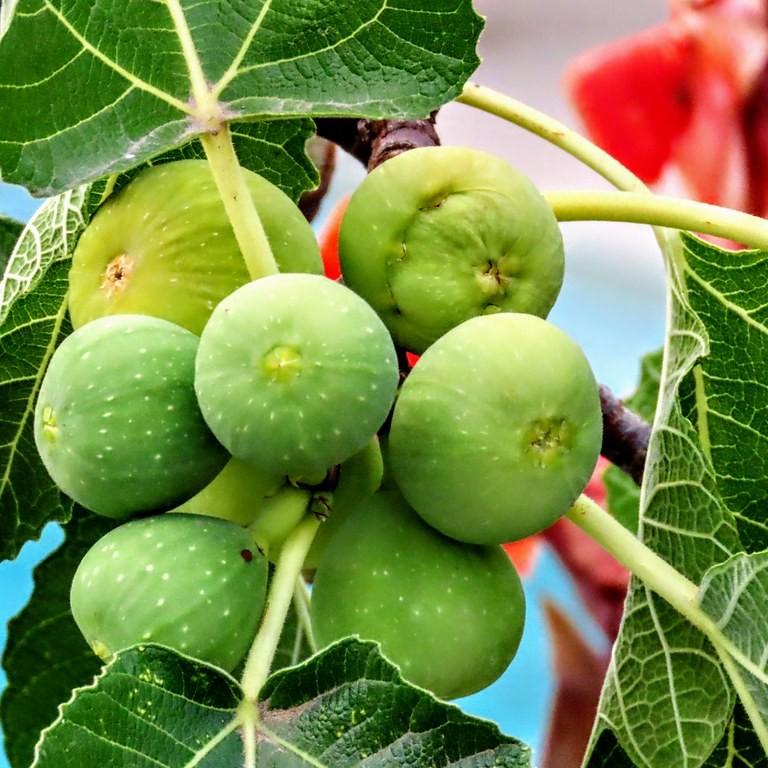
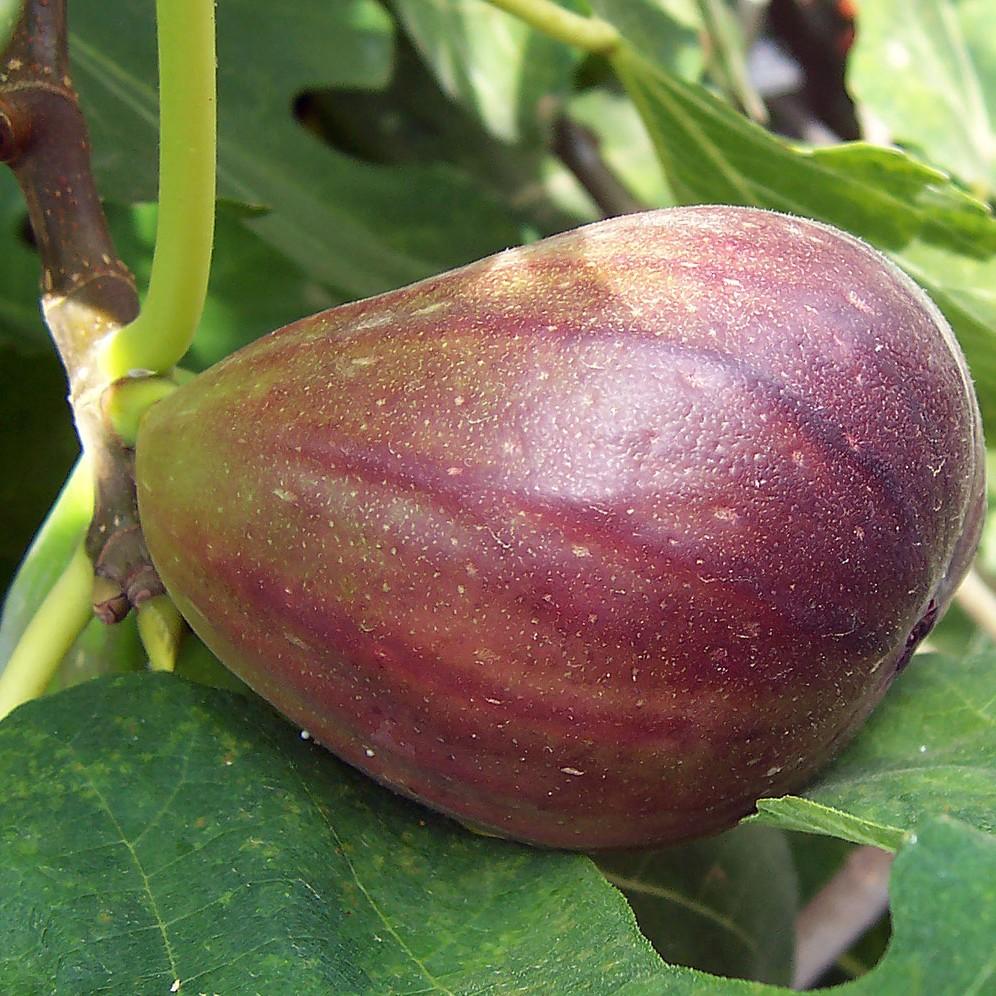
The common fig 'Petite Negra' variety is an amazing species of fig tree. Not only is it a breathtaking sight, but its small size is perfect for small gardens. It is a self-pollinating variety and produces dark-skinned fruit with a sweet, rich taste. It is a fast-growing tree and needs well-drained soil and plenty of sunlight to reach its full potential. Its compact size allows it to fit into tight areas and bring life to even the smallest garden. The additional benefit of the Petite Negra variety is its cold hardiness, as it can withstand temperatures down to -13° Fahrenheit! It's perfect for gardeners looking to bring joy to their home in both summer and winter seasons.
Care Guide
Watering
For optimal growth and health, common figs should be watered deeply but infrequently, typically once a week with 1-2 gallon of water depending on size and weather conditions. You can supplement with additional water during periods of drought, but be careful not to over water your fig tree as this can lead to root rot. Water should be applied around the base of the tree, ensuring that the soil is kept moist throughout the entire root system. Allow the soil to dry out somewhat between waterings. The plant should be watered in the morning so that any excess water can evaporate away during the day.
Light
Common figs, or Ficus carica 'Petite Negra', require full sunlight in order to thrive. For optimum growth, they should receive 6-8 hours of direct sunlight each day. To protect the plant, it may also be beneficial to provide some afternoon shade during the hottest parts of the day.
Soil
Well-drained
Temperature
Hardiness zone 7–7.
Pruning
When it comes to common figs, pruning is important for optimal health and production. For common figs, it is best to prune the tree in late winter, just before the active growth period begins. Prune cautiously to retain the desired shape and vigor of the tree. Prune out overgrown branches and any dead or diseased wood. For best production, prune out any weak or congested wood and open up the tree's canopy to better capture sunlight. Pruning should be done with sharp and clean tools to prevent infection in the tree. Depending on the level of pruning desired, you may need to prune up to 25% of the older branches in the tree.
Propagation
Air Layering Propagation, Cutting, Grafting Propagation, Division, Seed Propagation
Diseases & Pests
Common pests: Pest resistant, Disease resistant.
Related plants
Other plants you might like if you grow common fig.