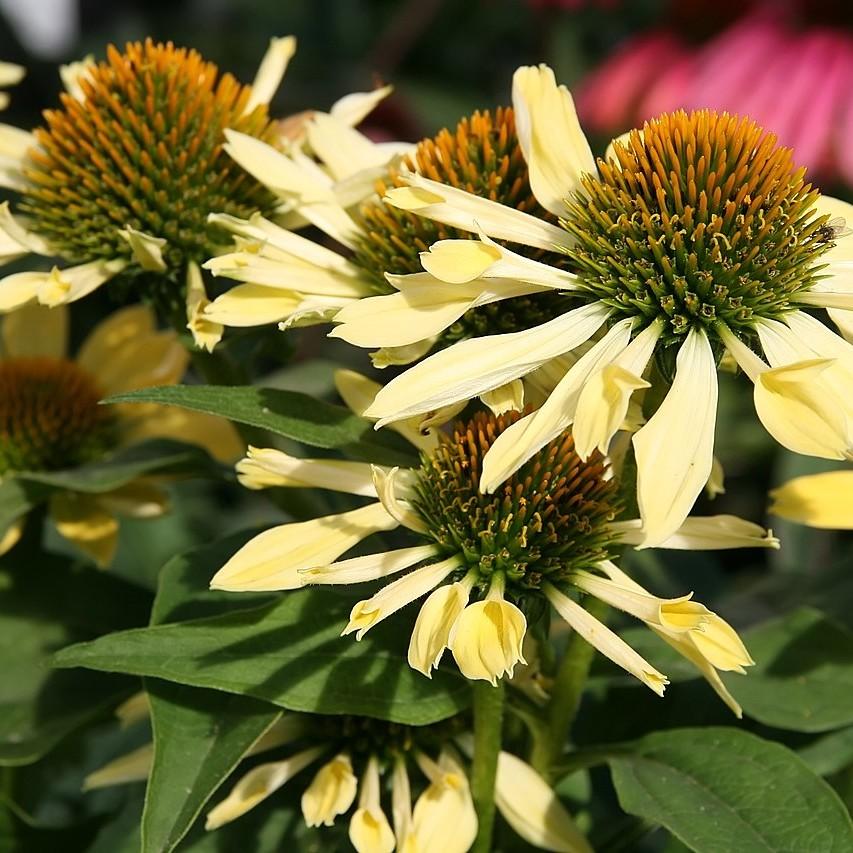
coneflower
Echinacea 'Sunrise' BIG SKY SUNRISE
Overview
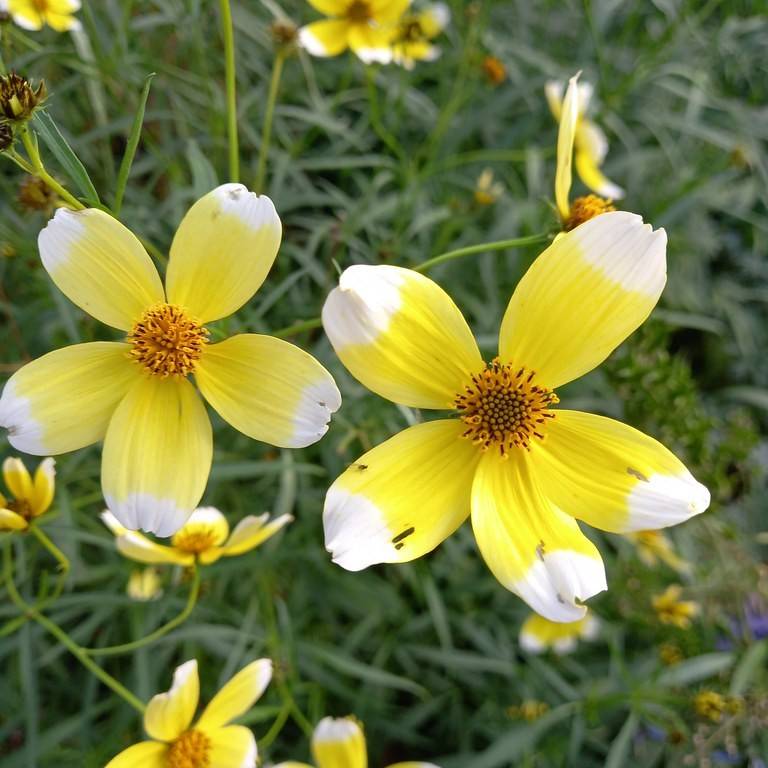
Coneflower 'Sunrise Big Sky Sunrise' is an amazing plant that provides a pop of brilliant sunset color to any garden. This echinacea is drought-tolerant and deer-resistant, making it a low-maintenance plant. It can be enjoyed from late spring through late summer, when it’s abundant with bright yellow blooms. Butterflies love the striking petals, making it a wonderful addition to any butterfly garden. Its upright stature and robust flowers make it a great choice for use as a dramatic accent. Plant 'Sunrise Big Sky Sunrise' in a sunny spot for best flowering results!
Care Guide
Watering
Coneflower (Echinacea 'Sunrise' Big Sky Sunrise) should be watered once a week, or when the top inch of soil feels dry, taking care to avoid overwatering. Allow the water to soak through the soil so as to further penetrate the roots, and do not forget to check the drainage of your pot to ensure that the roots are not sitting in water. In hot months, you may need to water twice a week.
Light
Coneflower (Echinacea 'Sunrise' BIG SKY SUNRISE) will need at least 6 hours of direct sunlight in order to thrive. The plant will benefit from 8 or more hours of direct sunlight per day, particularly during the peak summer months. The plant should be exposed to as much natural sunlight as possible throughout the day. It will also need some morning light shade and some afternoon sun for optimal growth. Morning, late afternoon, and evening direct sunlight should be avoided to reduce the risk of burning or fading the colors of the flower. In the winter months, you may need to provide supplemental light to prevent plant dormancy.
Temperature
Hardiness zone 3–9.
Pruning
Coneflowers (Echinacea 'Sunrise' BIG SKY SUNRISE) should be pruned once a year in late winter or early spring, around the time of the last frost. Pruning should be limited to cutting back dead or damaged stems to the ground. Faded flowers should also be removed to encourage new growth. Coneflowers respond best to light pruning, which will ensure that the plant maintains its compact, bushy shape. Excessive pruning could lead to an unhealthy plant, so be sure to prune judiciously.
Propagation
Division, Cutting, Seed Propagation, Layering Propagation
Uses & Symbolism
Attracts: Birds, Butterflies.
Related plants
Other plants you might like if you grow coneflower.