cotoneaster
Cotoneaster franchetii
Overview
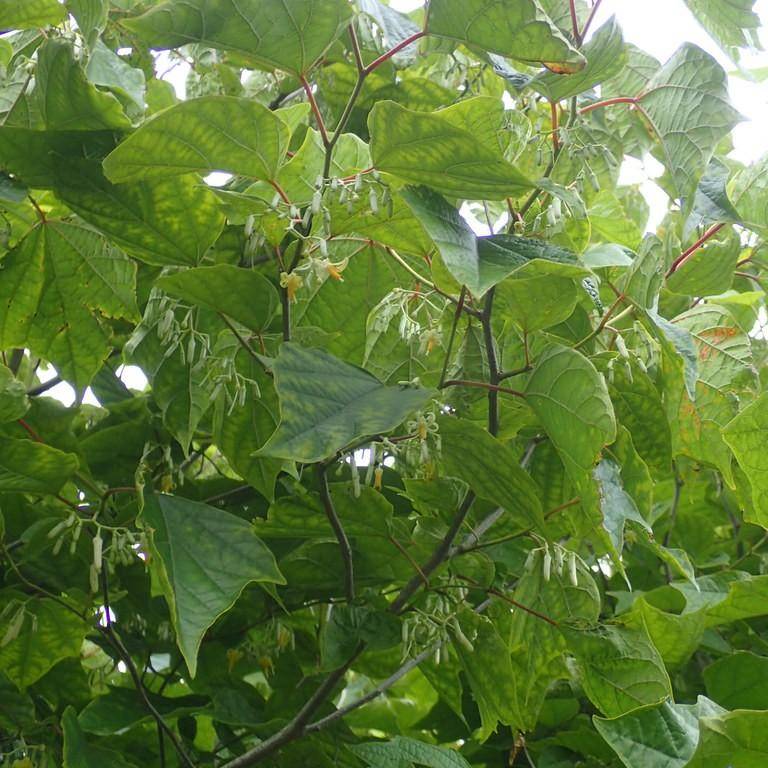
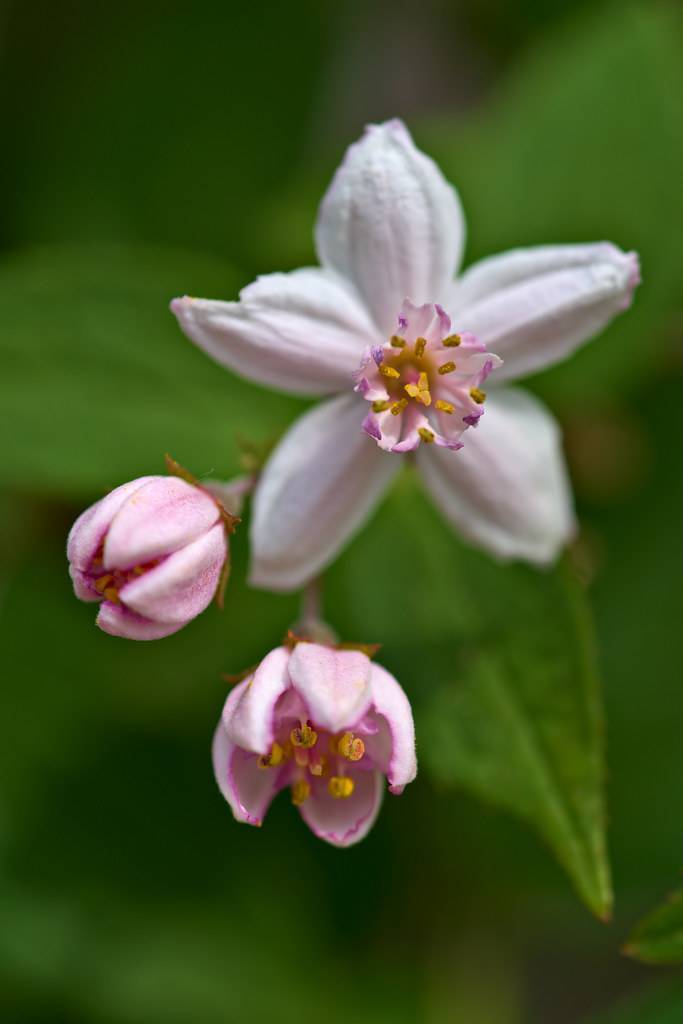
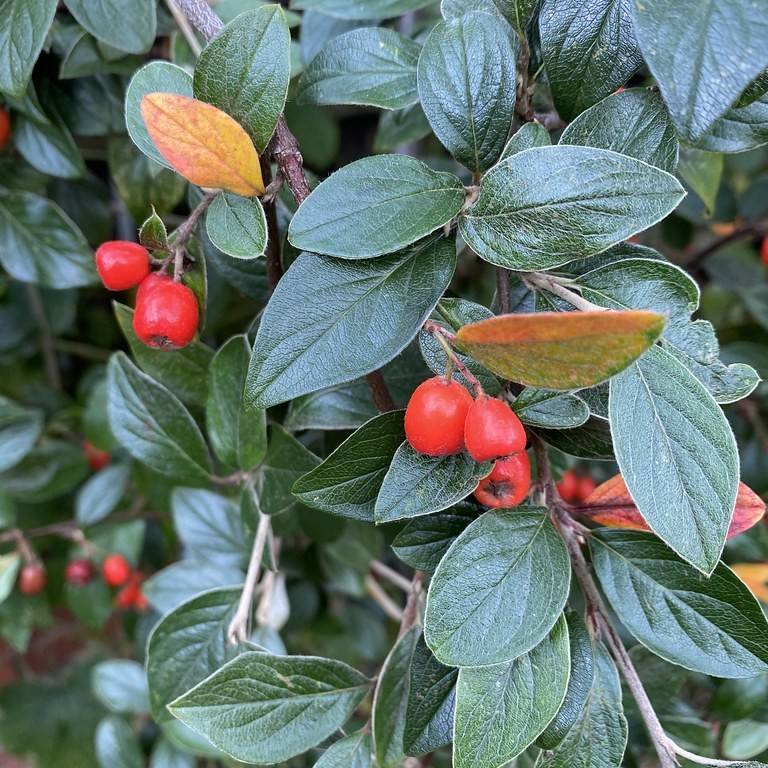
Cotoneaster franchetii is an amazing plant species that is perfect for any landscape. It boasts glossy green leaves and pink flowers in early summer, followed by attractive small red fruits in late summer and early autumn. This evergreen shrub is also very hardy and has low maintenance requirements. It's heat and drought tolerant, making it ideal for warm climates. Plus, it is resistant to diseases and pests, making it easy to care for. Its beauty and resilience make Cotoneaster franchetii an excellent choice for any garden.
Care Guide
Watering
Cotoneaster franchetii should be watered when the top 2 or 3 inches (5-7 cm) of soil is dry. When watering, soak the soil until it is completely saturated, and make sure to avoid getting water on the leaves or stems of the plant. If the soil is too dry, it can be re-hydrated with long, slow soakings. Generally, these plants should be watered every 5-7 days during the growing season and every 10-14 days during the winter season. In periods of extreme heat or drought, an additional weekly watering may be necessary.
Light
Cotoneaster franchetii, also known as Cotoneaster Franchetii, enjoys direct sunlight for around 4-6 hours a day. The best time for it to receive sunlight is in the early morning to mid-day, when the sun is at its strongest. During the hottest parts of the day, the plant should be sheltered from direct sunlight in order to protect it from sunburn. However, it does tolerate some shade and can thrive under certain conditions. This makes it a good option for areas with moderate sunlight and limited access to direct sun. Additionally, providing Cotoneaster franchetii with additional supplemental lighting can be beneficial for optimal health.
Soil
Well-drained
Temperature
Hardiness zone 6–9.
Pruning
Cotoneaster franchetii should be pruned to shape yearly in late winter or early spring, before new growth begins. This species responds well to pruning and trimming, as long as the branches are cut back to an outward-facing bud. To ensure the shrub maintains an even, open shape, remove any inward-facing buds. Cotoneaster franchetii can handle some pruning more severely if needed. To encourage a bushier plant, larger branches can be cut back to the ground, leaving only a few small branches. If the plant needs to be shaped or reduced, make sure to spread the cuts evenly across the plant to maintain its open, balanced structure.
Propagation
Seed Propagation, Greenwood Cuttings, Greenwood Cuttings, Hardwood Cuttings
Diseases & Pests
Common pests: Mites, Rust, Scale insects, Deer resistant, Drought resistant .
Related plants
Other plants you might like if you grow cotoneaster.