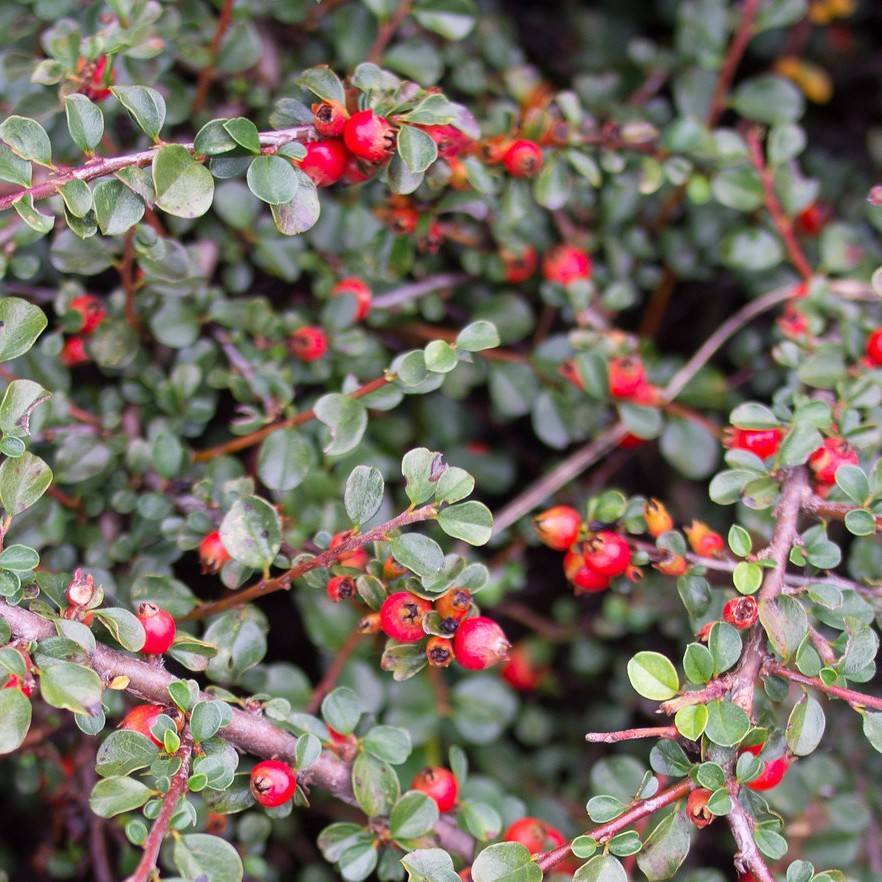
cotoneaster
Cotoneaster hessei
Overview
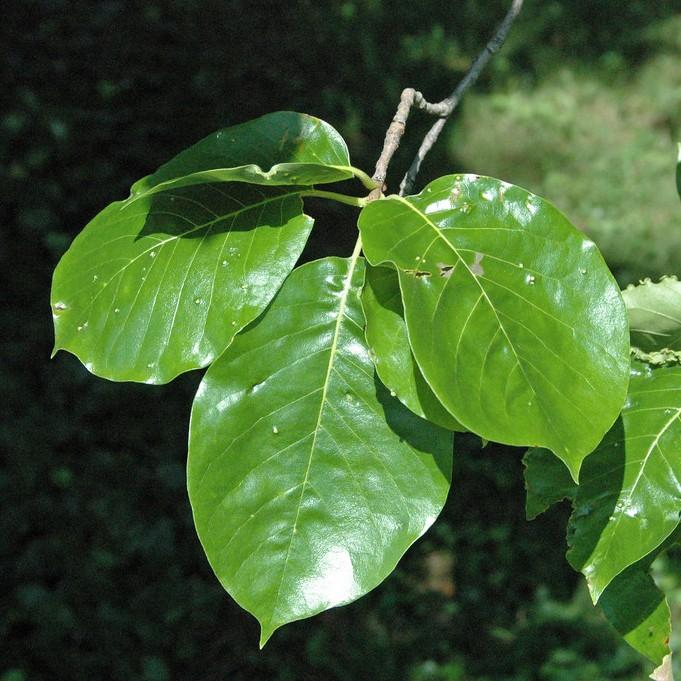
Cotoneaster hessei is a stunning plant species with outstanding features. It is a small evergreen shrub with glossy, dark green foliage and a rounded shape, giving it an attractive structure. During the spring and summer months, it produces white or pinkish flowers that attract pollinators. In autumn and winter, the yellow-orange berries provide a colorful, vibrant contrast against its dark foliage. Not only is its foliage and fruit attractive, but it is also resilient and easy to maintain, as it is tolerant of a wide range of environmental conditions. Due to its numerous advantages, Cotoneaster hessei is an excellent plant to add to gardens and landscapes.
Care Guide
Watering
Cotoneaster hessei should be watered once a week for a period of 1-2 hours, depending on the season and the soil's moisture content. During the spring and summer months, the soil should remain slightly moist to the touch but not soggy. During the fall and winter, water less frequently, allowing the top inch of the soil to dry out completely before watering again. As with most plants, it is important to avoid over-watering Cotoneaster hessei as this can cause root rot and other issues.
Light
Cotoneaster (Cotoneaster hessei) performs best in partially shaded areas, but needs at least 4-5 hours of direct sunlight each day to thrive. This sunlight should be spaced out in smaller amounts throughout the day to prevent sun scorching of the leaves. The best period for the plant to access sunlight is from mid-morning to mid-afternoon. Avoid direct sunlight for an extended period of time during the hottest parts of the day, as this may damage the plant's leaves.
Temperature
Hardiness zone 4–7.
Pruning
Cotoneaster (Cotoneaster hessei) is an evergreen shrub that benefits from light pruning. Pruning should be done between mid-spring and early summer when the bush is actively growing. For basic pruning of Cotoneaster, remove dead, damaged, and diseased growth, and thin out the branches to open up the center of the bush. Also remove any branches that are growing inward, crossing, or rubbing against each other. For more extensive pruning, such as to shape the bush, wait until mid-summer after the plant has finished flowering. Pruning can also be done in autumn to control the shape and size of the bush. Removing up to 1 third or more of the bush’s old wood each year will promote new growth and flowering. Mature bushes should be pruned lightly to keep the shape and discourage overgrowth.
Propagation
Cutting, Layering Propagation, Grafting Propagation, Division, Seed Propagation
Uses & Symbolism
Attracts: Birds.
Related plants
Other plants you might like if you grow cotoneaster.
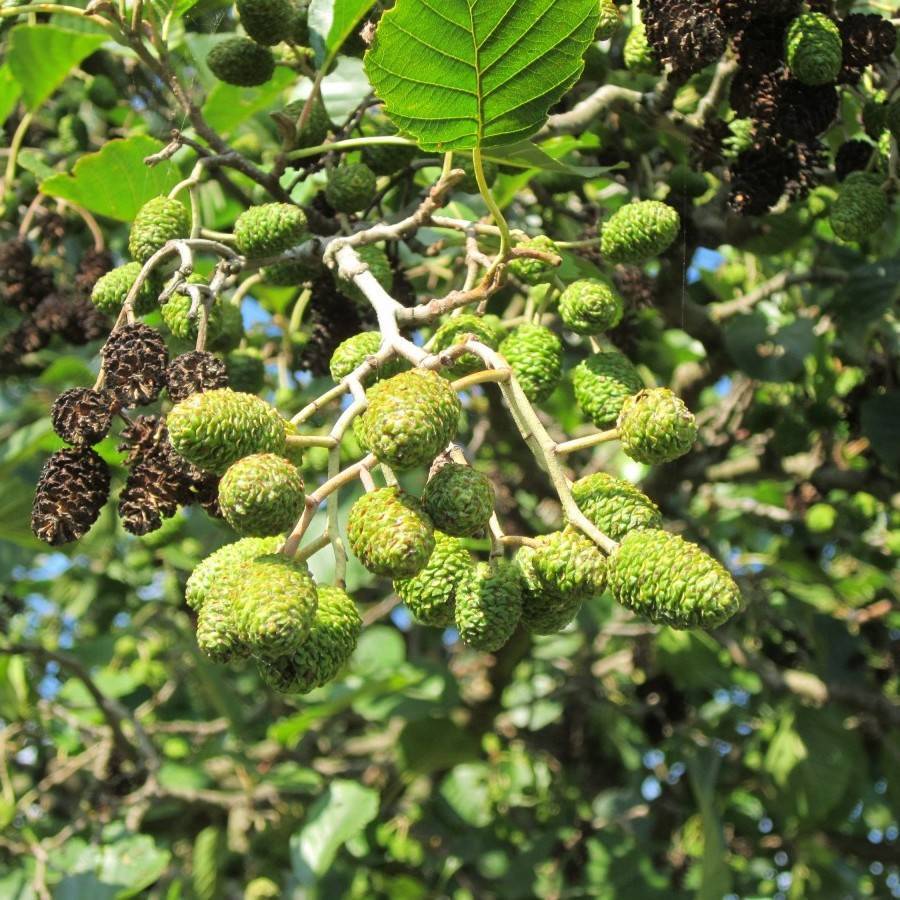
alder
Alnus mayrii
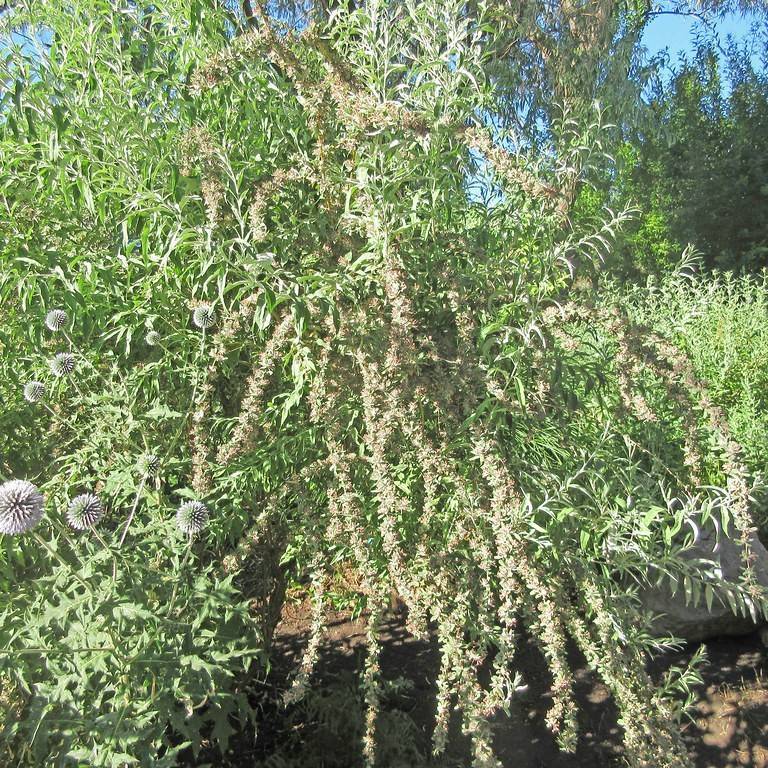
alternate-leaved butterfly bush
Buddleja alternifolia
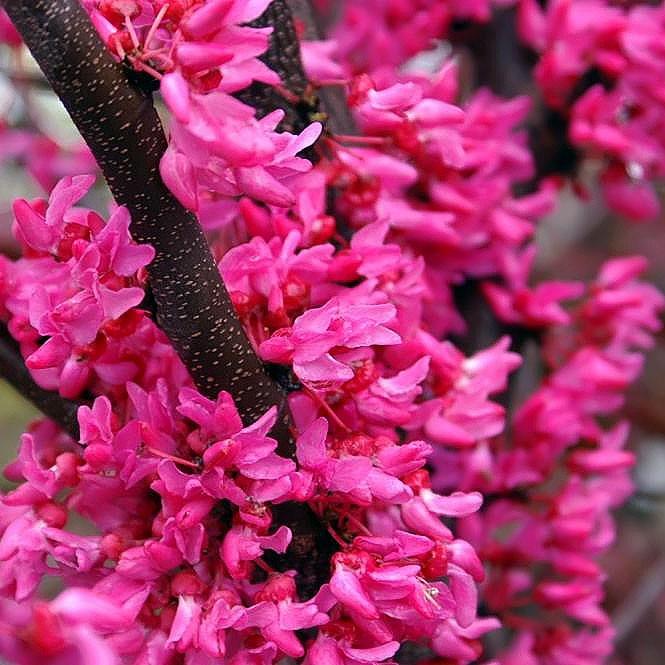
Appalachian Red Redbud
Cercis canadensis 'Appalachian Red'
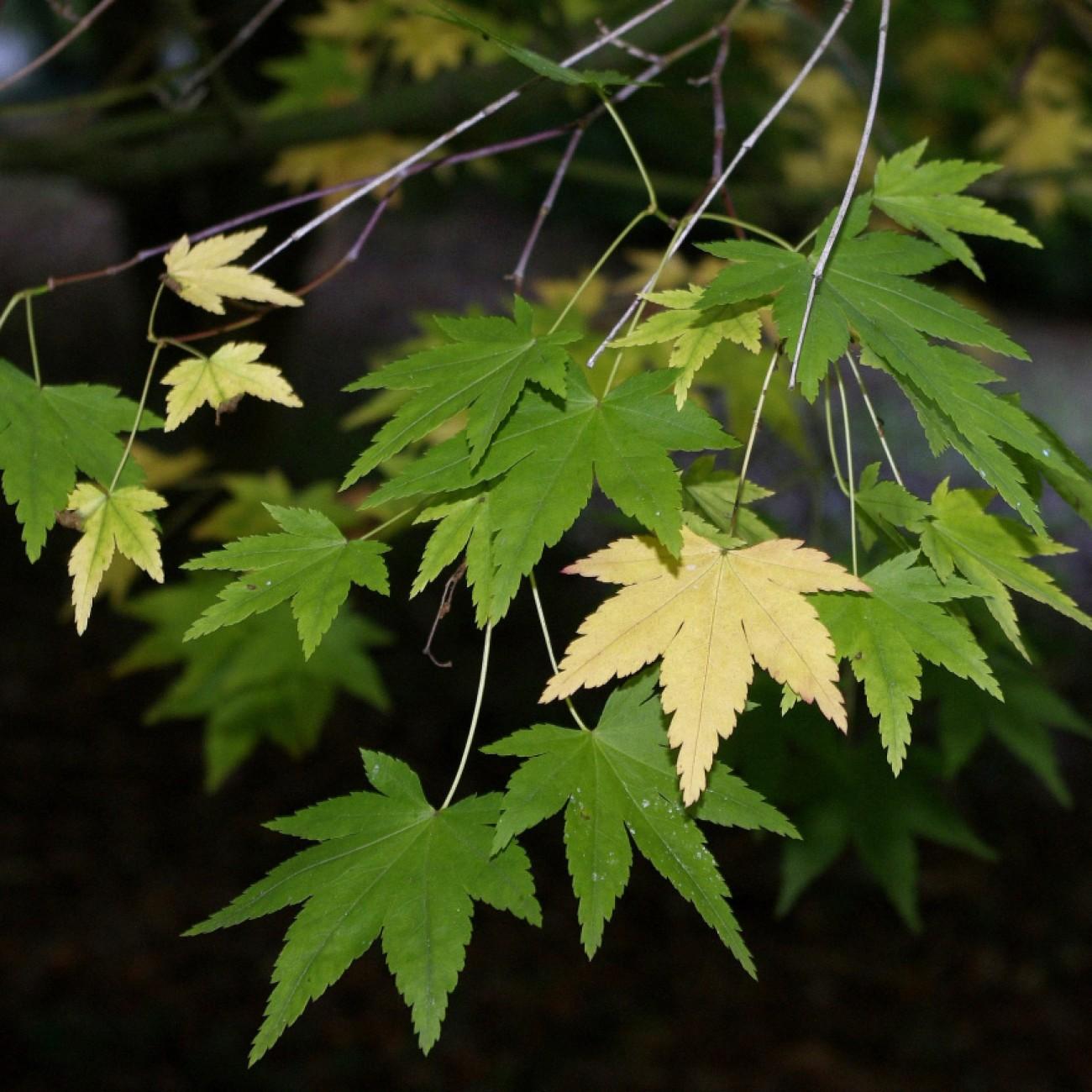
Arakawa Cork Bark Japanese Maple
Acer palmatum 'Arakawa'
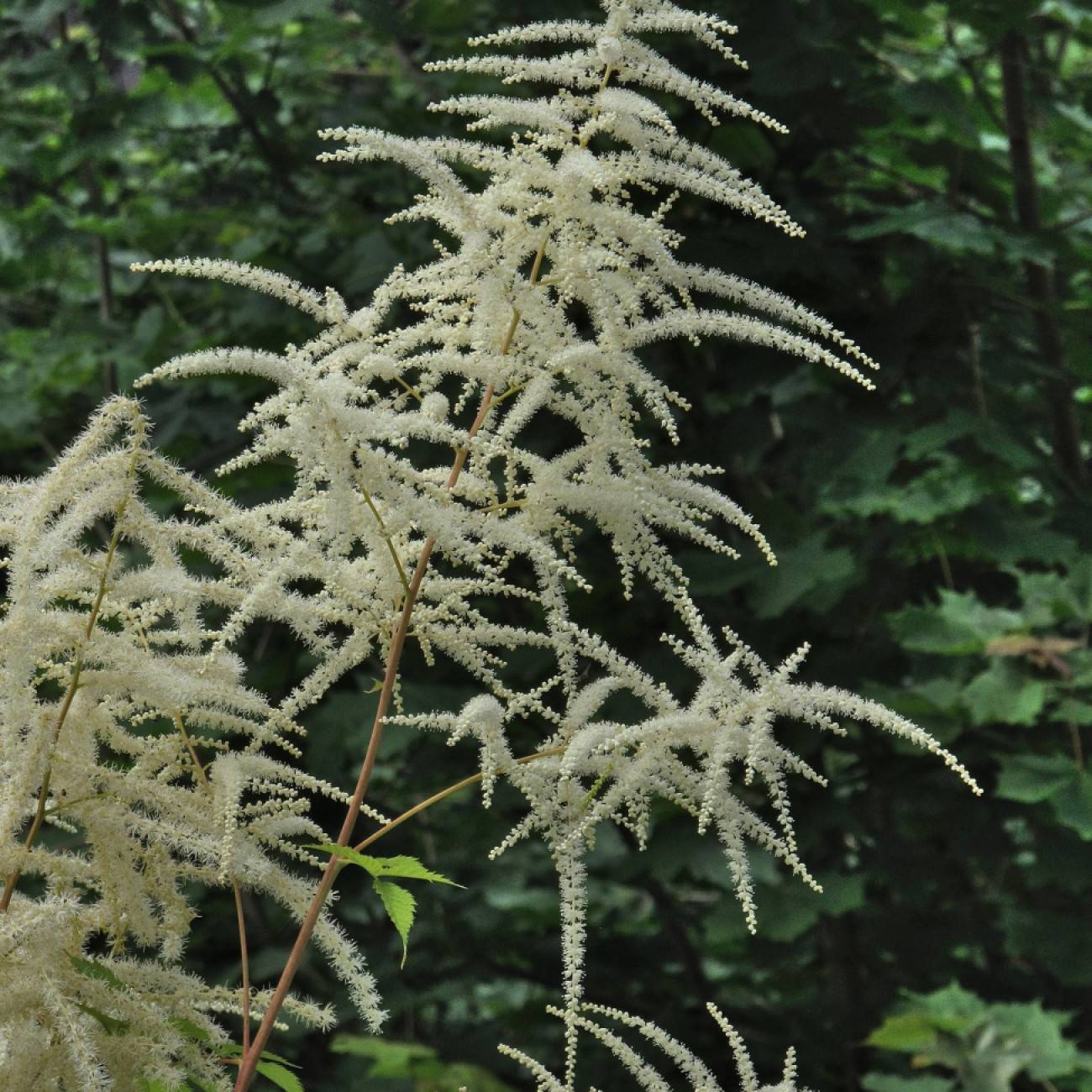
aruncus
Aruncus 'Horatio'
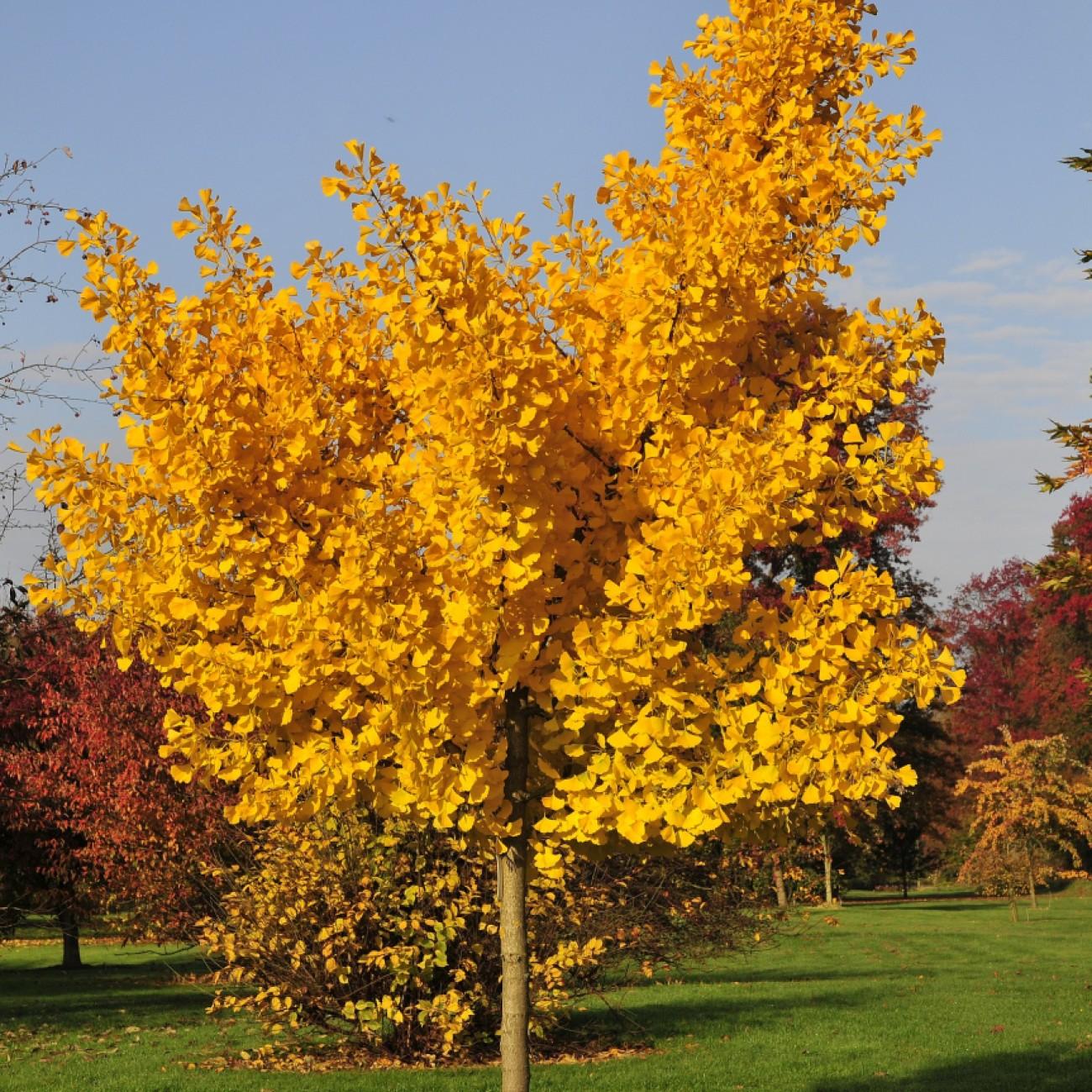
Autumn Gold Ginkgo
Ginkgo biloba 'Autumn Gold'
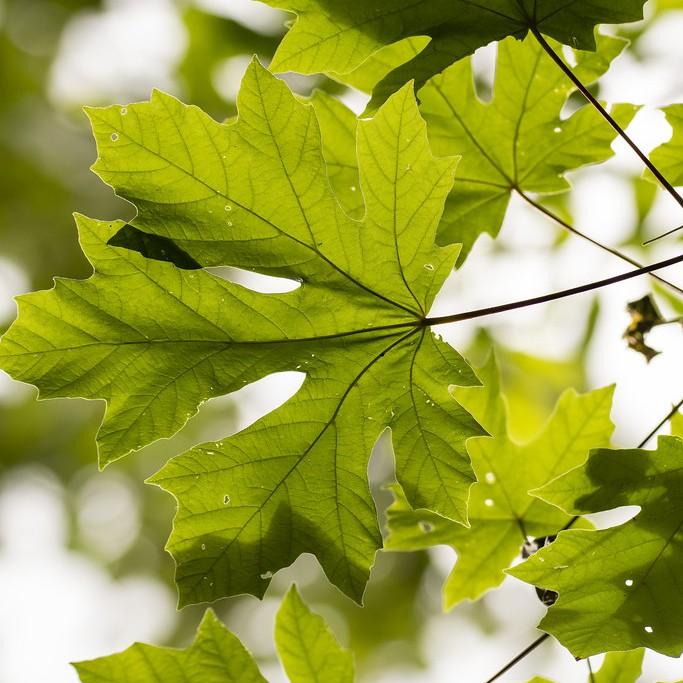
Big Leaf Maple
Acer macrophyllum
Black Gum
Nyssa sylvatica