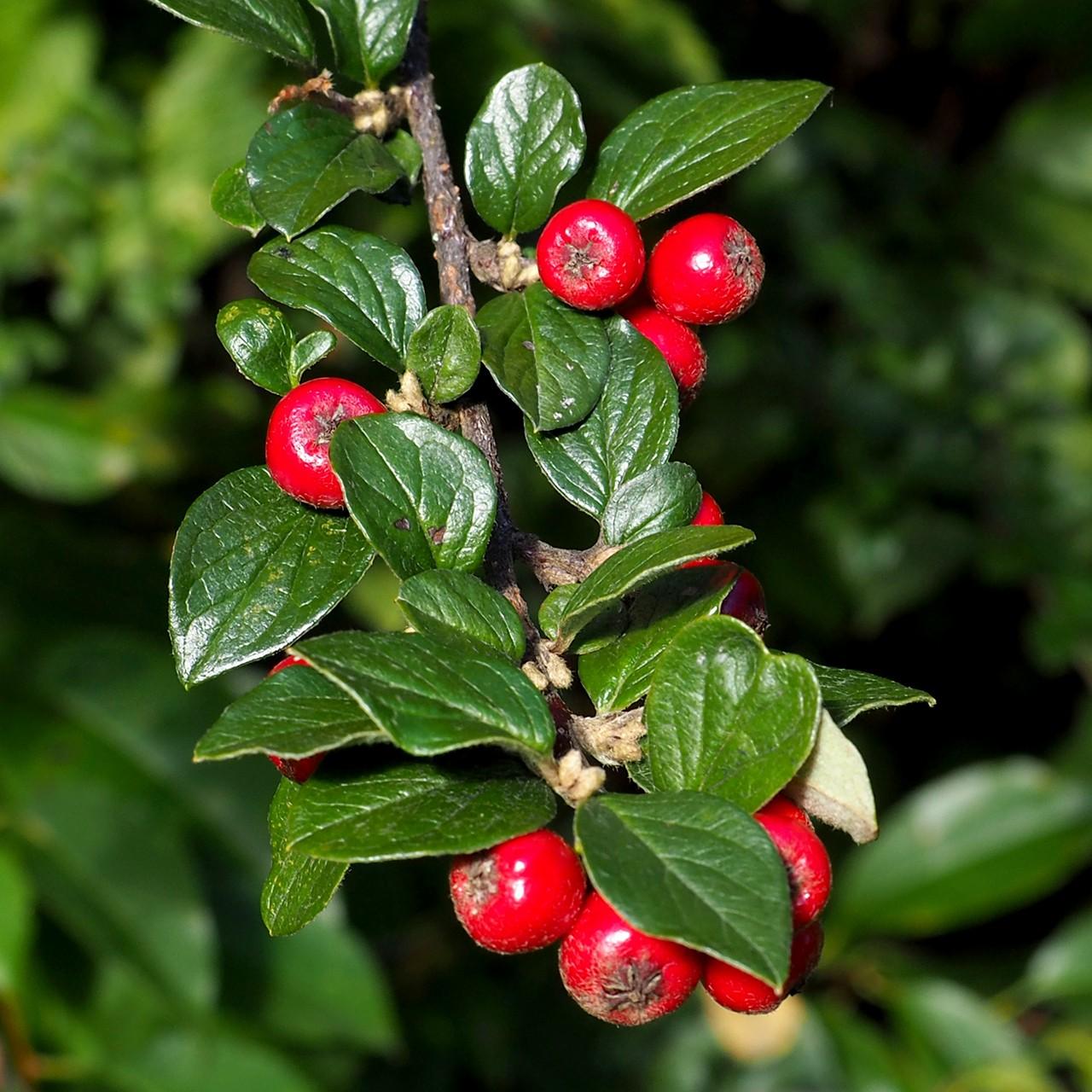
cotoneaster
Cotoneaster integerrimus 'Centennial'
Overview
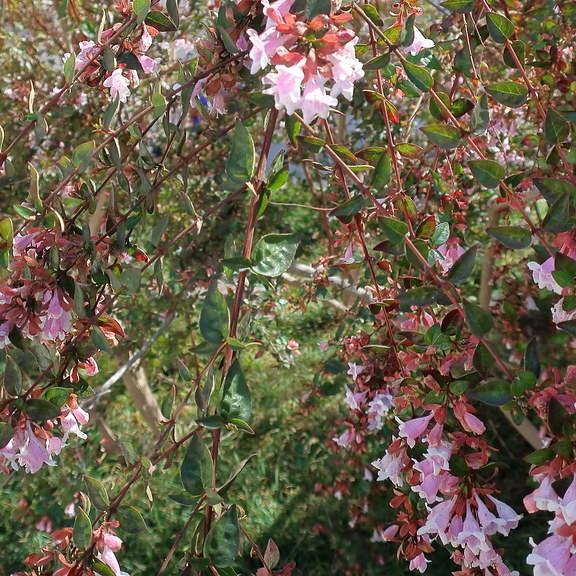
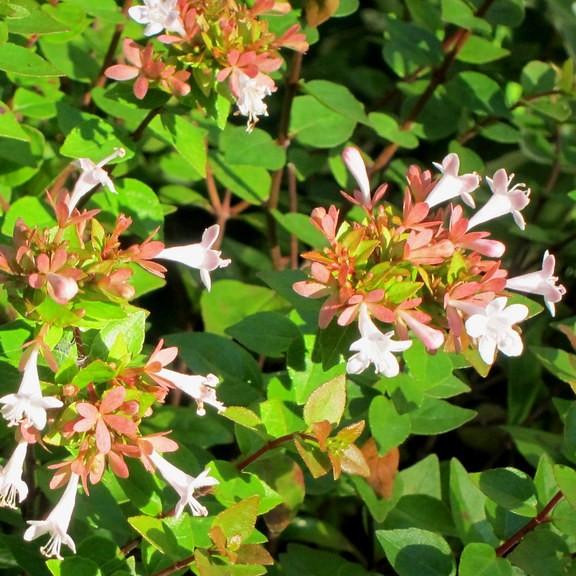
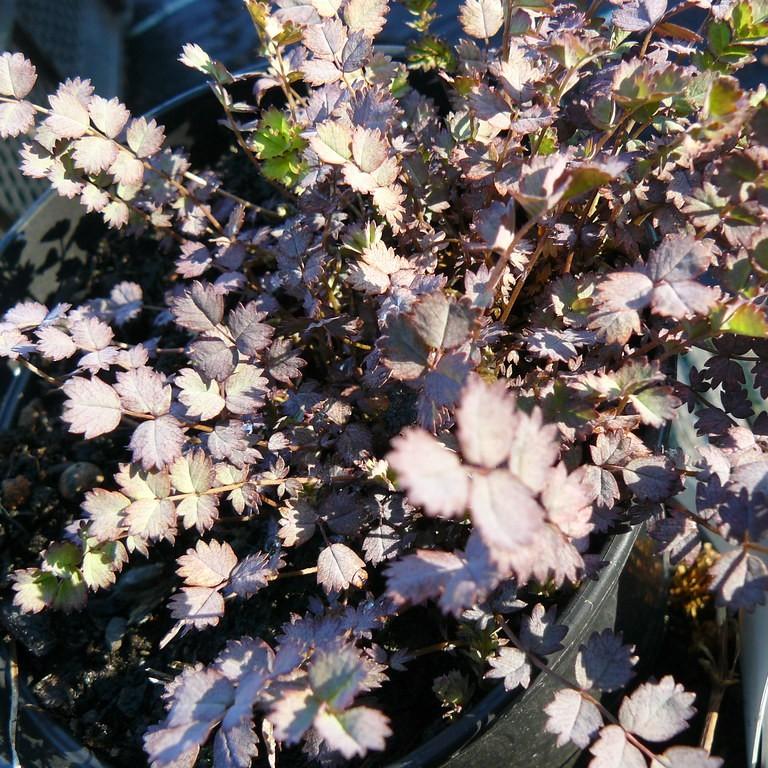
Cotoneaster integerrimus 'Centennial' is an amazing plant species due to its vigorous growth and compact habit. This plant’s small, glossy leaves radiate vibrant shades of green and are accented in Spring by clusters of white, flowery blooms that produce stunning scarlet-red berries in the Fall. This shrub is also low maintenance and is ideal for use in rock gardens and as an evergreen ground cover. It will grow up to 3-4 feet in height and produces bright red hips that make a great addition to autumn decorations. With its beautiful foliage and ornamental berries, Cotoneaster integerrimus 'Centennial' is a stunning addition to any garden!
Care Guide
Watering
For optimum growth and appeal, Cotoneaster integerrimus 'Centennial' should be watered once or twice per week if grown in a pot, or weekly when planted in the ground. It is semi-evergreen, typically growing best in USDA hardiness zones 5-8. Look for signs of wilting or drying and adjust the watering accordingly, as the soil should never be allowed to dry out or become soggy. A good rule of thumb is to wait to water until the top 1 inch of soil feels dry to the touch or the leaves of the plant appear wilted. During times of extreme heat or prolonged periods of drought, you may need to water more frequently. When done correctly, Cotoneaster integerrimus 'Centennial' should not require much in the way of pruning or pest control for years.
Light
Cotoneaster integerrimus 'Centennial' is a low-growing, evergreen shrub that is planted primarily as a groundcover or along slopes for erosion control. In order for this species of plant to thrive and bloom, it needs a minimum of 6 hours of sunlight daily. However, it’s best to provide 8 to 10 hours of direct sunlight throughout the growing season, which is typically from early spring to late autumn. Sunlight during the cooler months of winter is beneficial but not necessary.
Temperature
Hardiness zone 3–5.
Pruning
Cotoneaster integerrimus 'Centennial' should be pruned twice a year, once in spring and again in late summer or early fall. In the spring, prune off any dead, damaged or crossing branches. At this time of year, it’s also a good opportunity to shape the plant if desired. In the late summer or early fall, remove any weak branches or branches that are growing vertically. This will encourage a more bush-like, dense shape and will also improve flowering. Be sure to use sharp pruning shears to make clean cuts, and prevent diseases such as bacterial or fungal diseases from entering the plant.
Propagation
Cutting, Layering Propagation, Grafting Propagation, Division, Seed Propagation
Related plants
Other plants you might like if you grow cotoneaster.