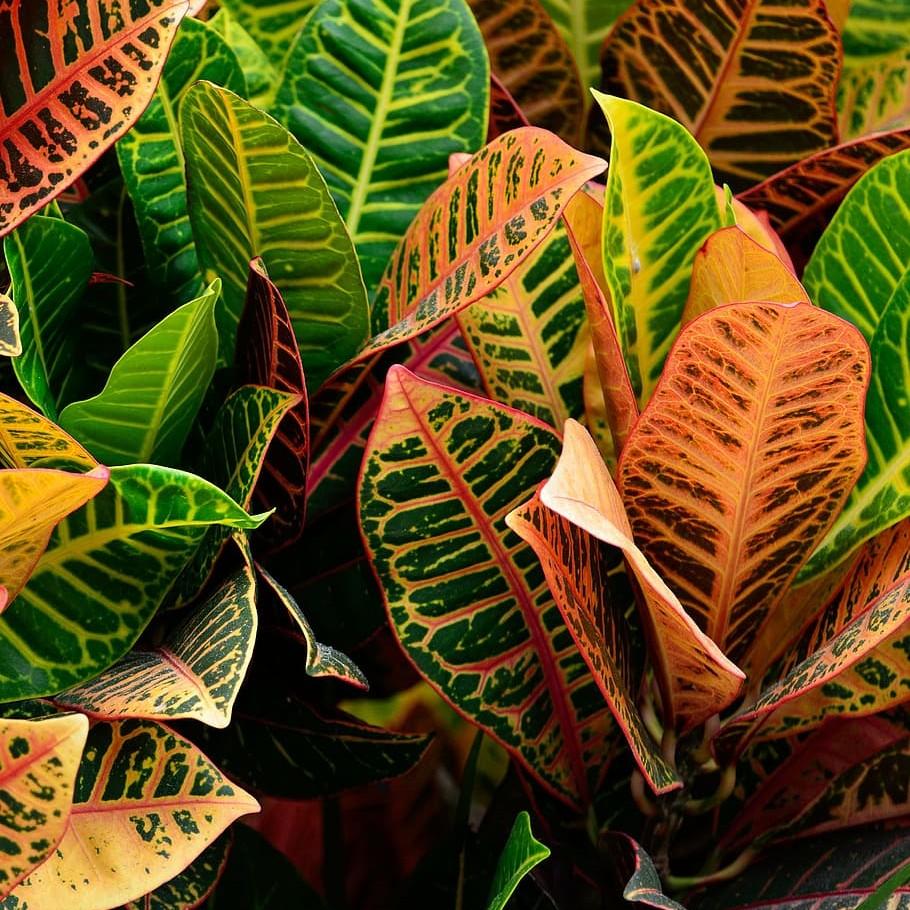
croton
Codiaeum variegatum var. pictum
Overview
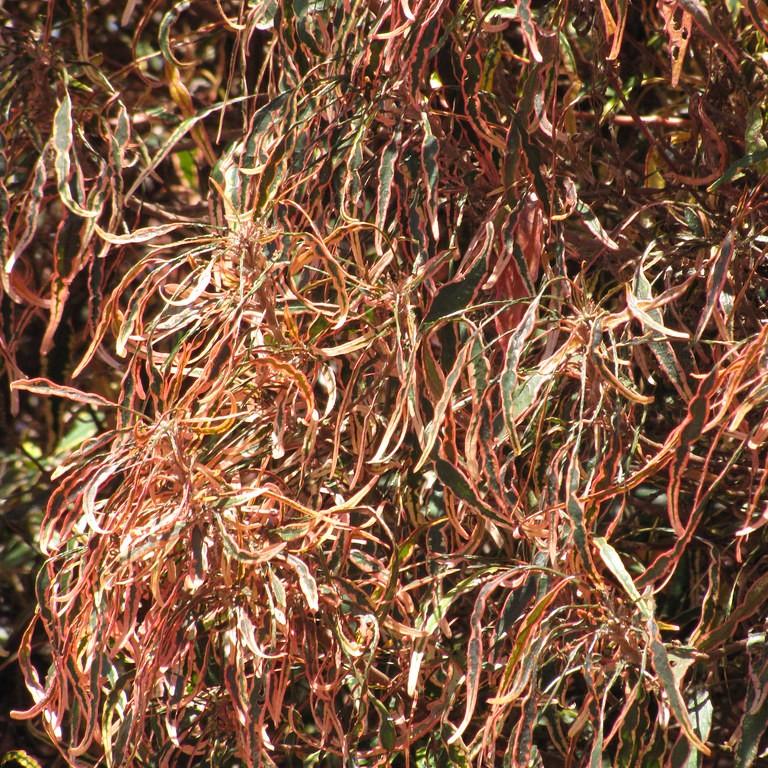
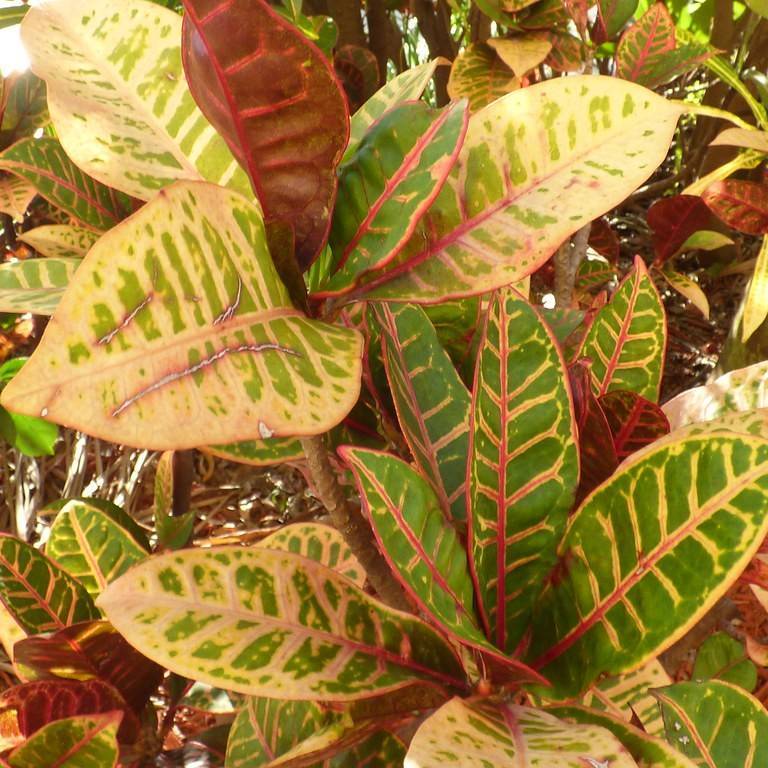
Croton (Codiaeum variegatum var. pictum) is an amazing plant species with its vividly colored foliage. Its glossy leaves have multiple shades of greens, yellows, oranges, and reds, giving it a unique appeal and making it a great addition to any garden. It is also exceptionally easy to maintain as it is highly resistant to pests and diseases. The plant also requires minimal pruning and care, yet produces eye-catching results. It’s ideal for a wide variety of climates, and is a great choice for both indoor and outdoor gardens. With its beauty and low-maintenance care, croton is one of the most amazing plant species to grace any home or landscape.
Care Guide
Watering
Water your croton deeply once per week, ensuring that the soil is saturated. Do not water again until the top inch or 2 of soil have dried out. In the warmer months, you may need to water more frequently. During the winter, you can reduce the frequency of watering. If you notice the leaves drooping and wilting, you may need to water more frequently.
Light
Croton (Codiaeum variegatum var. pictum) requires bright, direct sunlight for most of each day to stay healthy and vibrant. The best sunlight exposure for crotons is 6 to 8 hours of direct sunlight daily, in the early morning and afternoon, with dappled or bright indirect light midday. While the exact amount of sunlight can vary according to the individual plant, croton requires regular exposure to bright sunlight to maintain its colorful foliage, or else this plant will not thrive. In a warm climate, outdoors, provide croton with full morning sun, then dappled or filtered light during the hottest part of the day. In a cool climate, provide full morning sun and, if temperatures consistently exceed 75 degrees Fahrenheit during the hottest part of the day, some late afternoon sun is beneficial.
Soil
Well-drained
Temperature
Hardiness zone 11–12.
Pruning
Croton should generally be pruned in the spring or early summer when new growth begins. This species is usually pruned severely, with up to 1-half of its older branches cut back to promote a more compact, attractive shape and better foliage display. When pruning, it is important to remove dead and diseased branches at the first sign of problems. Be sure to clean your pruning tools between each cut to prevent the spread of disease. Fertilize lightly after pruning to help the plants to quickly recover. With proper pruning and care, croton can provide attractive foliage and flowers for many years.
Propagation
Greenwood Cuttings
Diseases & Pests
Common pests: Mites, Scale insects, Disease resistant .
Related plants
Other plants you might like if you grow croton.