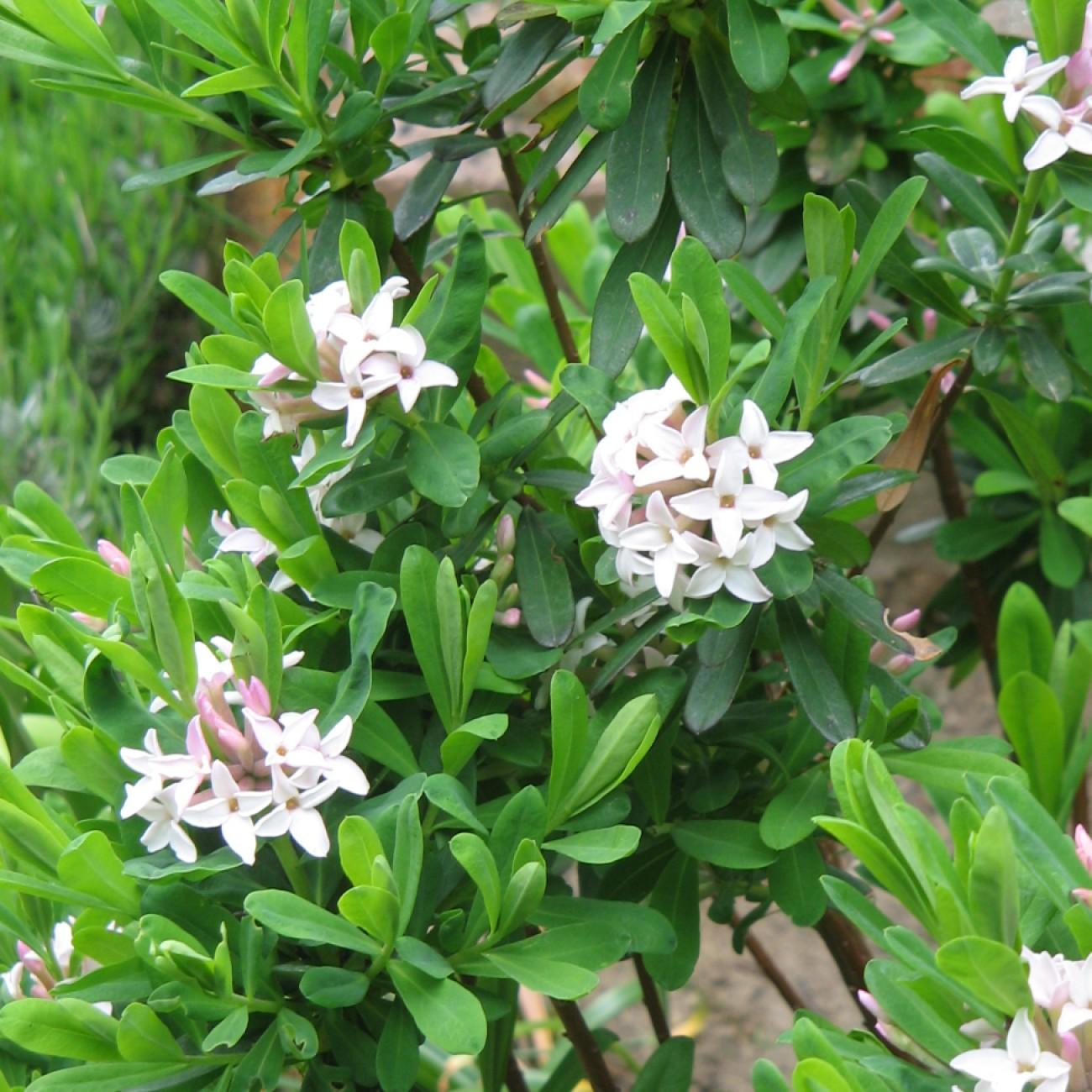
daphne
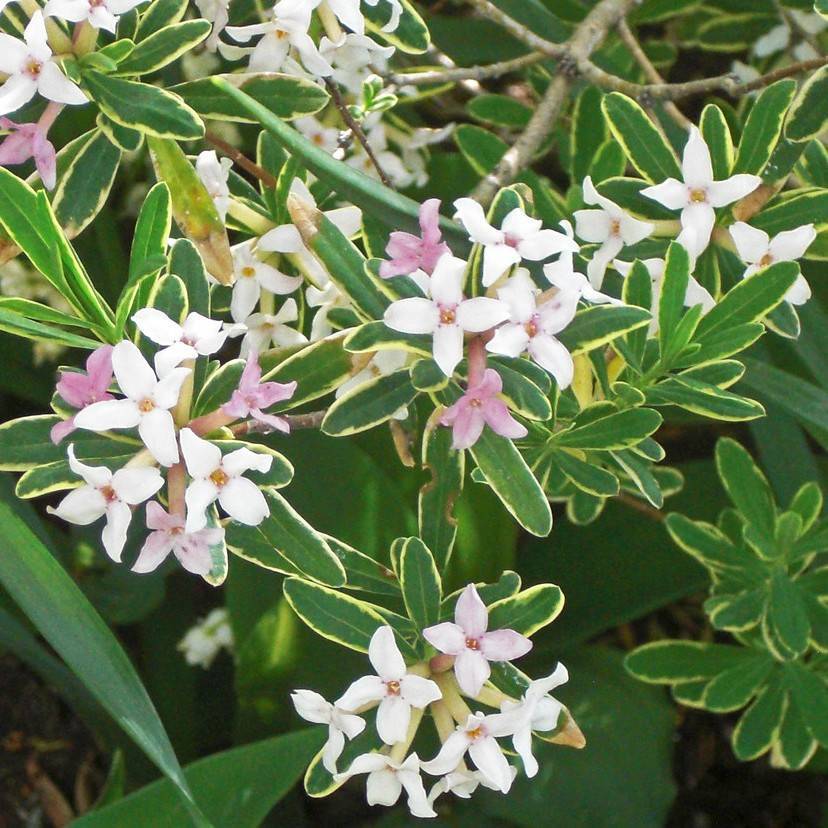
Daphne burkwoodii 'Somerset'
Overview
Daphne burkwoodii 'Somerset' is an amazing plant species due to its fragrant flowers, striking evergreen foliage and long period of blooming. It produces fragrant, pink flowers which will bloom for most of the summer season, accompanied by dark, glossy foliage which adds a colourful contrast and stays attractive throughout the year. Additionally, its slow rate of growth made it a popular choice for low maintenance gardens. Its beauty, as well as its low maintenance, make it a great plant choice to brighten up any garden.
Care Guide
Watering
Daphne burkwoodii 'Somerset' should be watered generously in the spring but sparingly in the summer. In the spring, water the plant deeply every 2 to 3 days, making sure the soil is evenly moist but not soggy. In the summer, water the plant less often, around every 5 to 7 days. During this time, the soil should be allowed to dry out slightly between waterings. In the fall, when the plant begins to go dormant, reduce watering to every 10 days or so. Do not water the plant after the leaves drop completely, as this will encourage rot and can damage the plant.
Light
The amount and timing of sunlight needed by Daphne burkwoodii 'Somerset' plants will vary depending on seasonal conditions. In the spring and summer, this plant species will benefit from 4 to 5 hours of direct sunlight each day. In the cooler months, decrease the amount of direct sunlight to 2 to 3 hours of partial sunlight each day. Additionally, afternoon shade is beneficial to this plant species year-round.
Temperature
Hardiness zone 5–8.
Pruning
Pruning daphne (Daphne burkwoodii 'Somerset') is an essential task to keep its medium-sized, rounded form. Pruning should be done in late spring or early summer, just as new growth starts to emerge. Begin by removing any dead, dying, or diseased branches, as well as any branches that are too close together or crossing each other. You can also remove a few of the oldest, woody stems to allow new, more vigorous growth to take its place. Finally, prune back long stems or branches that have grown out of the desired shape of the shrub, making sure to avoid shearing.
Propagation
Layering Propagation, Cutting, Grafting Propagation, Division, Seed Propagation
Related plants
Other plants you might like if you grow daphne.