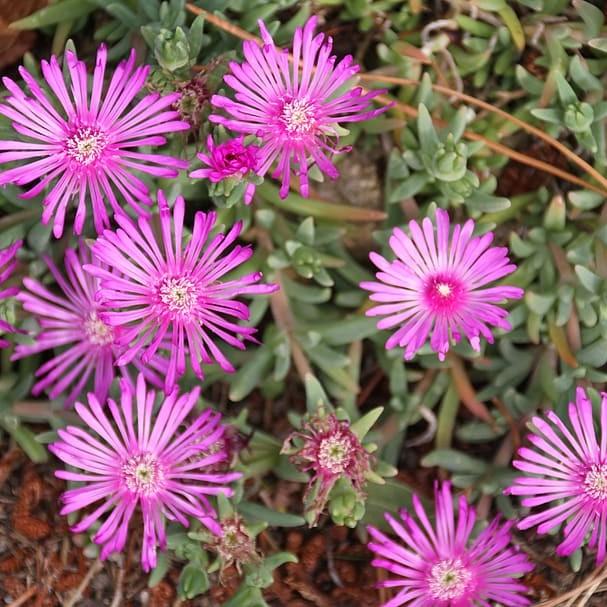
delosperma
Delosperma 'John Proffitt'
Overview
Delosperma ‘John Proffitt’ is an amazing plant species that is truly a sight to behold. This succulent grows to a height of just 2 to 4 inches and displays an abundance of petite, daisy-like flowers that vary in colors from bright pink to purple. Its leathery, evergreen leaves are lance-shaped and dark green in color. The best part is it’s drought tolerant and requires very little maintenance, making it perfect for xeriscaping. Its petite size also allows it to fit into any garden setting, making it an even more attractive addition. With its vibrant blooms and tolerant nature, Delosperma ‘John Proffitt’ is sure to become a favorite for gardeners of all experience levels.
Care Guide
Watering
Delosperma, or ice plant, are drought-tolerant succulents that require infrequent watering. For Delosperma 'John Proffitt', water deeply when the soil is dry to the touch, approximately once every 1–2 weeks during the summer months and every 3–4 weeks during the winter. Be sure to also check the soil for moisture weekly during periods of high temperatures or windy days. In the winter, reduce watering frequency and let the soil dry completely between waterings.
Light
Delosperma 'John Proffitt' is a species of succulent that does best with lots of full, direct sunlight. This variety prefers strong, direct light for at least 6 to 8 hours a day. If grown indoors, place the pot in a south-facing window that receives 6 or more hours of bright light each day. If kept outdoors, the plant should be located in an unshaded, sunny area with protection from intense midday sunlight. Delosperma 'John Proffitt' needs to receive morning sunshine and early afternoon shade to protect against sunburn and leaf burn.
Temperature
Hardiness zone 4–8.
Pruning
Delosperma (Delosperma 'John Proffitt') are great plants for low maintenance gardens, that require very little pruning. Pruning should only be done once a year, in late winter or early spring before the plants start to produce new growth. Removing dead, damaged or crossing stems will encourage branching and bushier growth. Pruning back the stems by around a third will give the plant a more compact form if desired. It is important not to over prune as this can lead to weaker stems and overgrowth. Pruning these plants will also tidy up the appearance of the garden and help to ensure an even flowering display.
Propagation
Cutting, Division, Seed Propagation, Layering Propagation
Related plants
Other plants you might like if you grow delosperma.
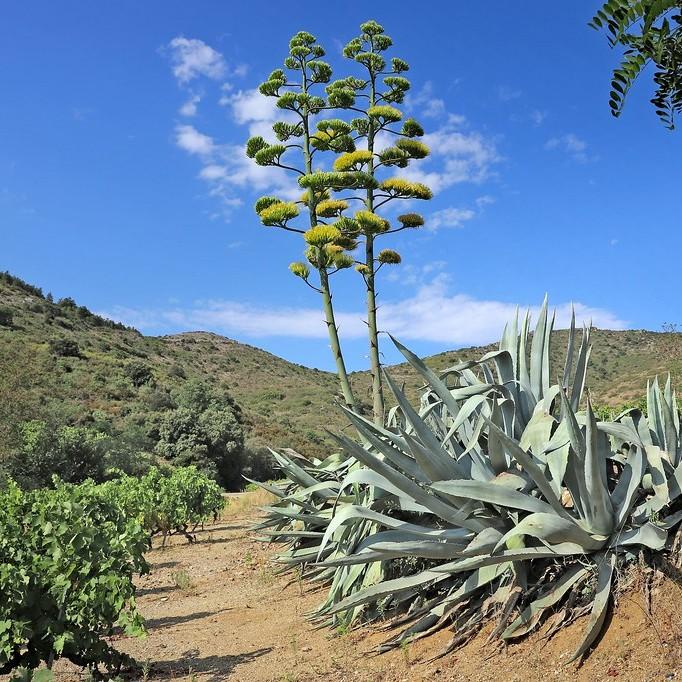
American century plant
Agave americana
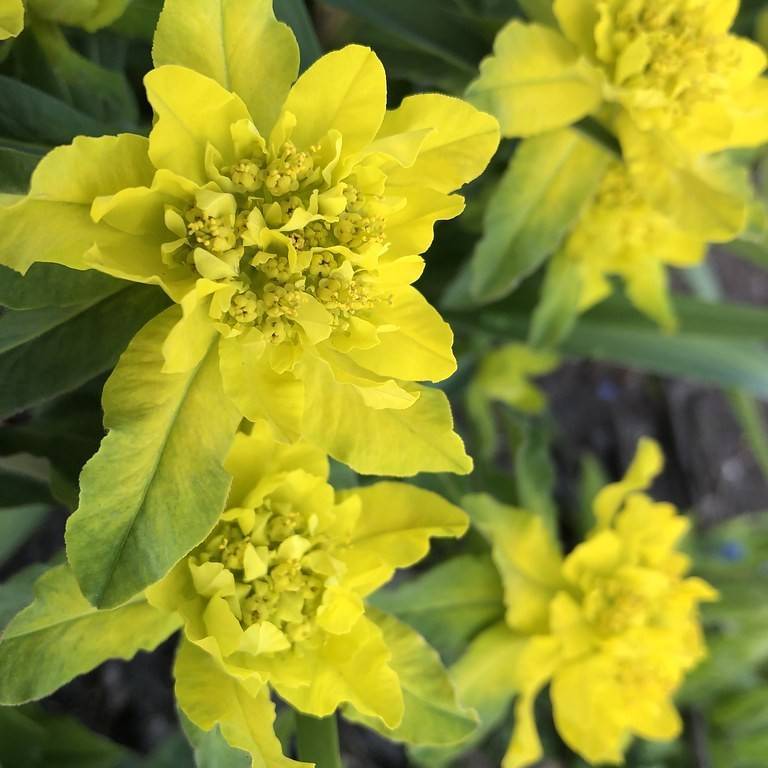
cushion spurge
Euphorbia epithymoides 'Bonfire'
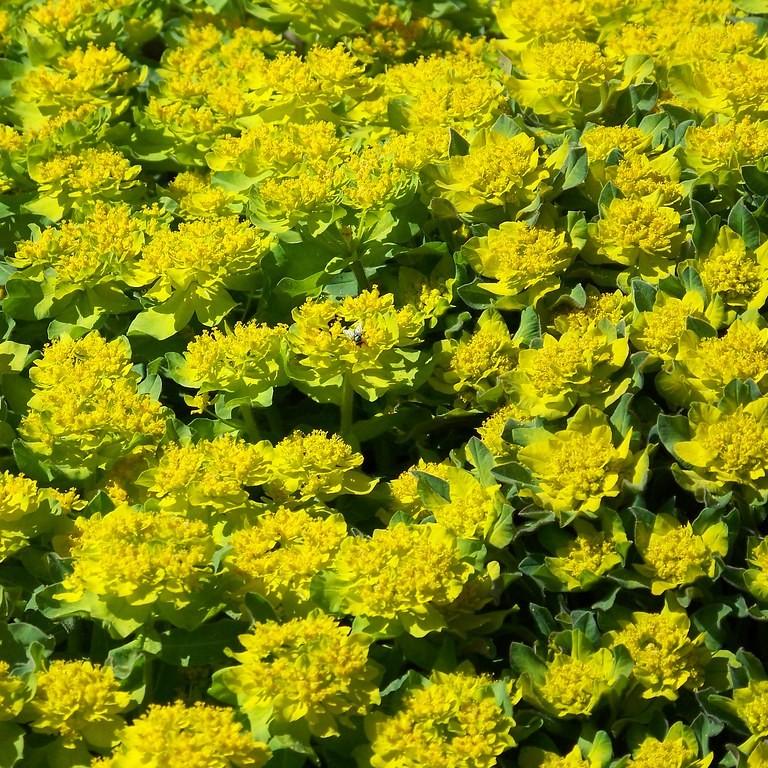
cushion spurge
Euphorbia polychroma
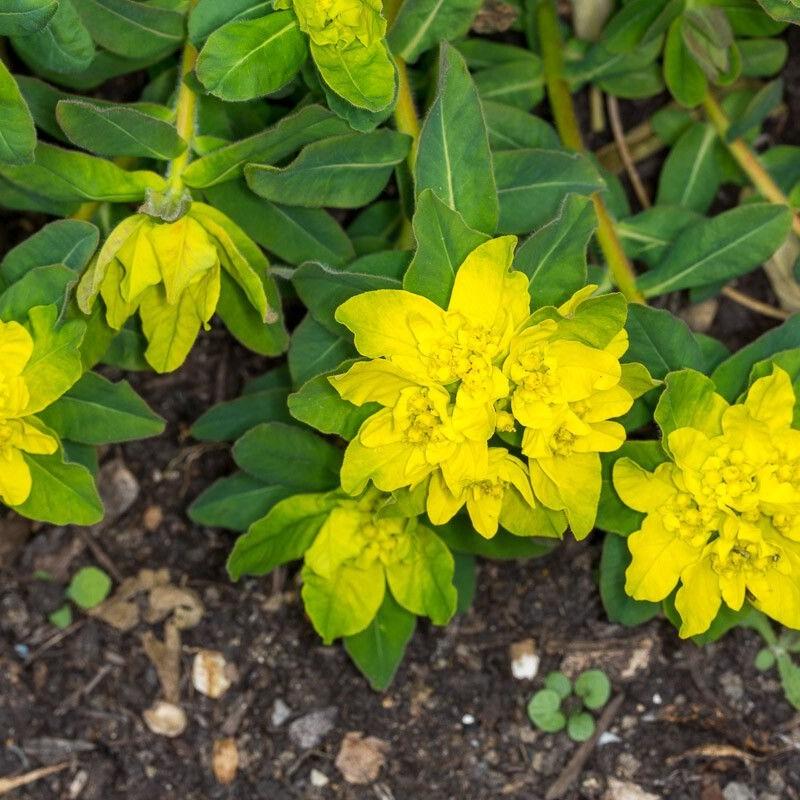
cushion spurge
Euphorbia polychroma 'Candy'
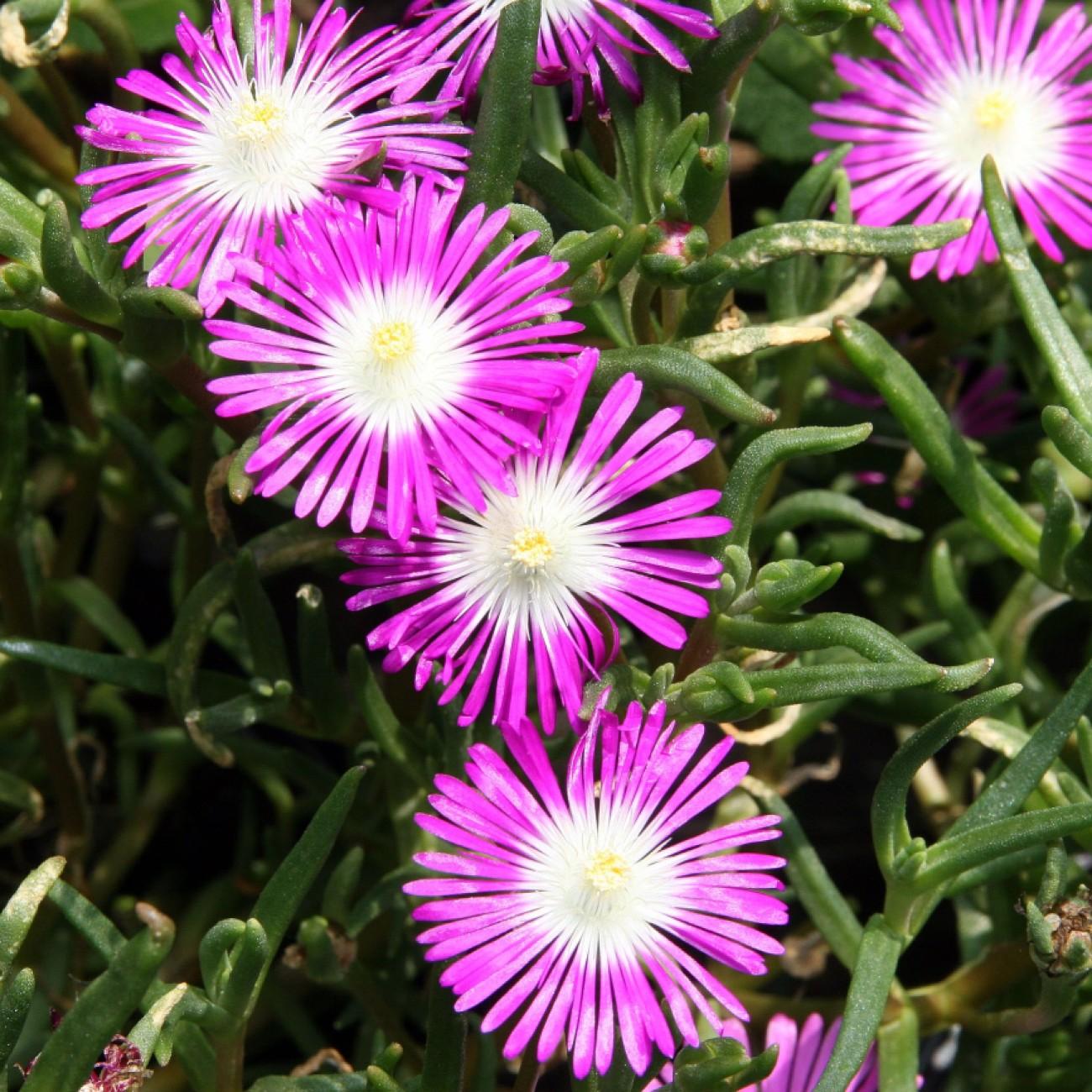
delosperma
Delosperma floribundum 'Starburst'
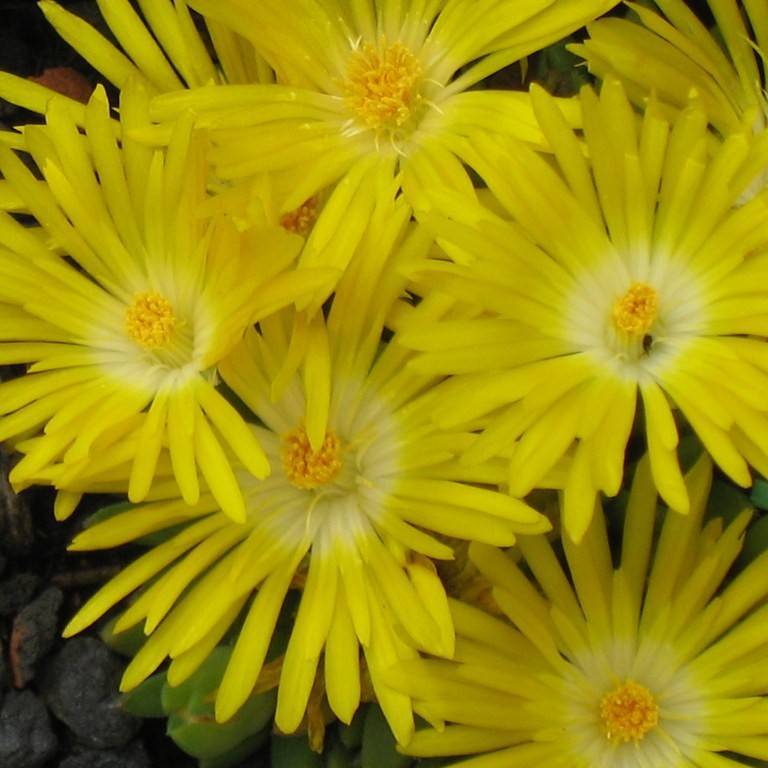
hardy yellow iceplant
Delosperma nubigenum
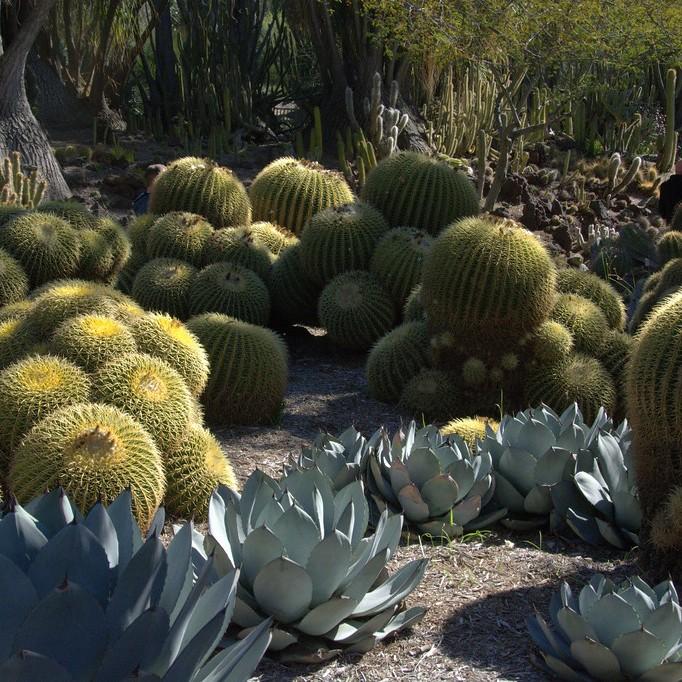
Parry's agave
Agave parryi
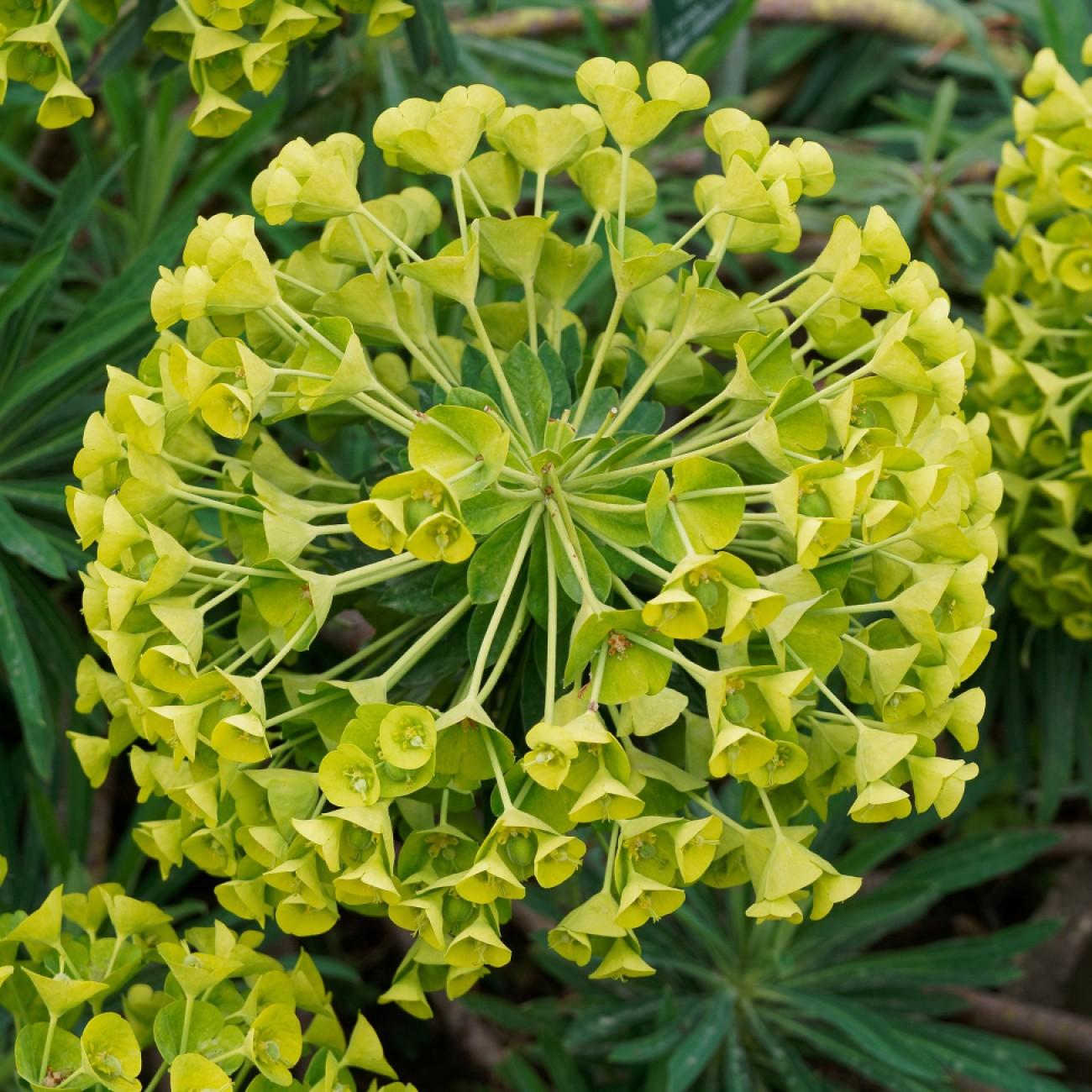
spurge
Euphorbia characias subsp. wulfenii