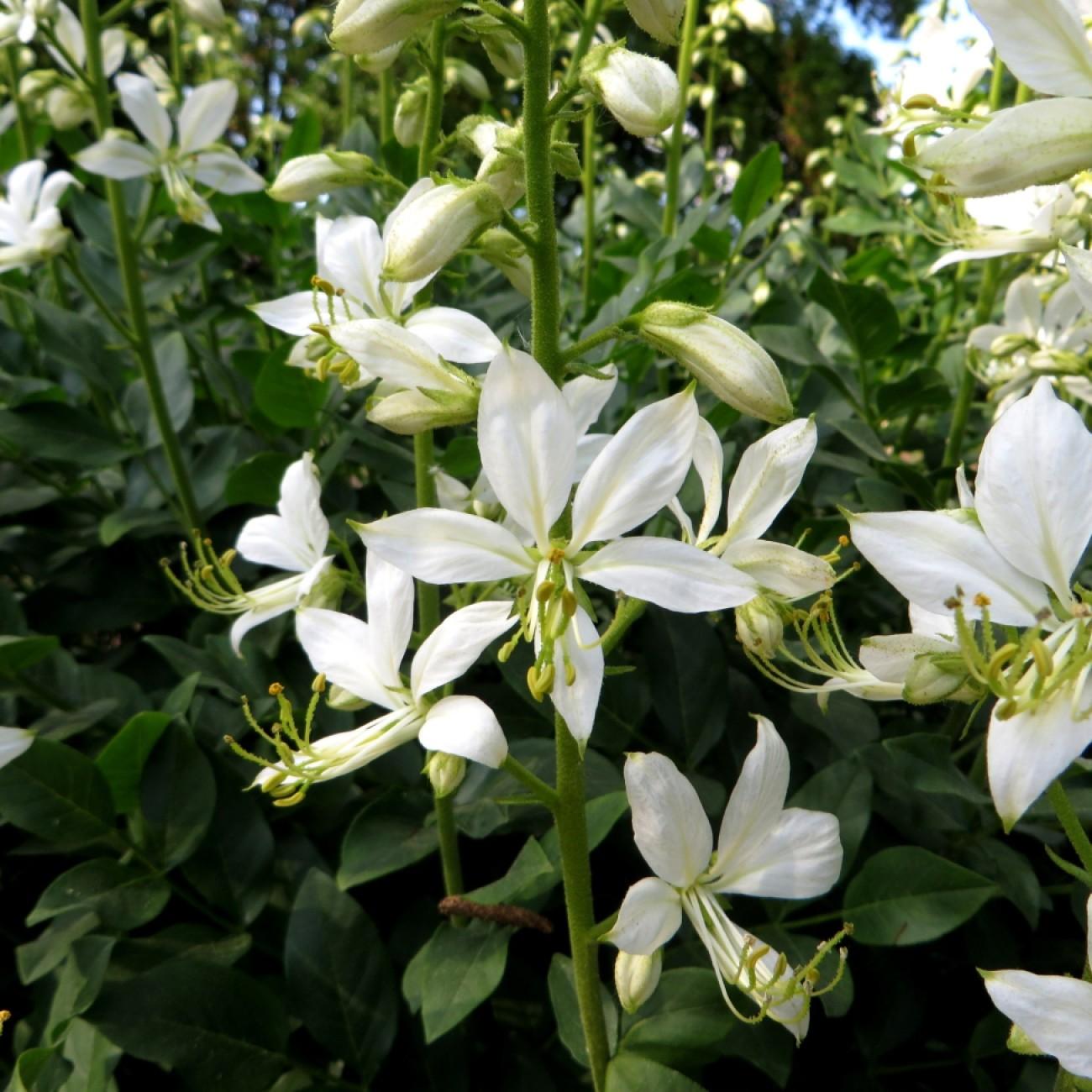
dittany
Dictamnus albus 'Albiflorus'
Overview
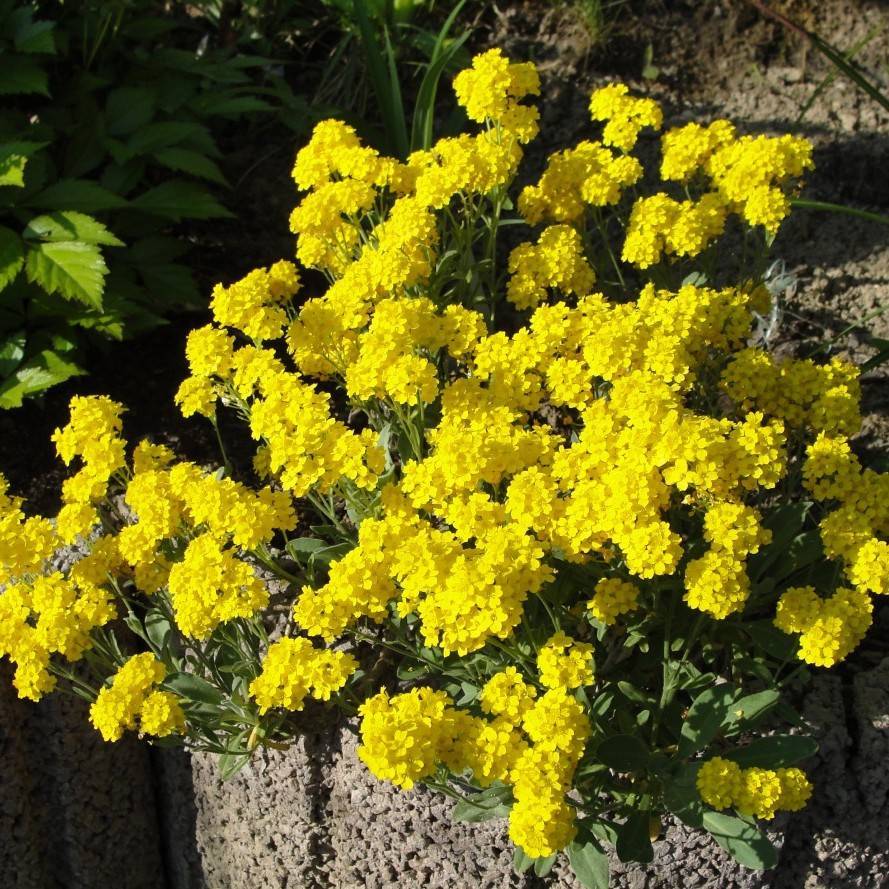
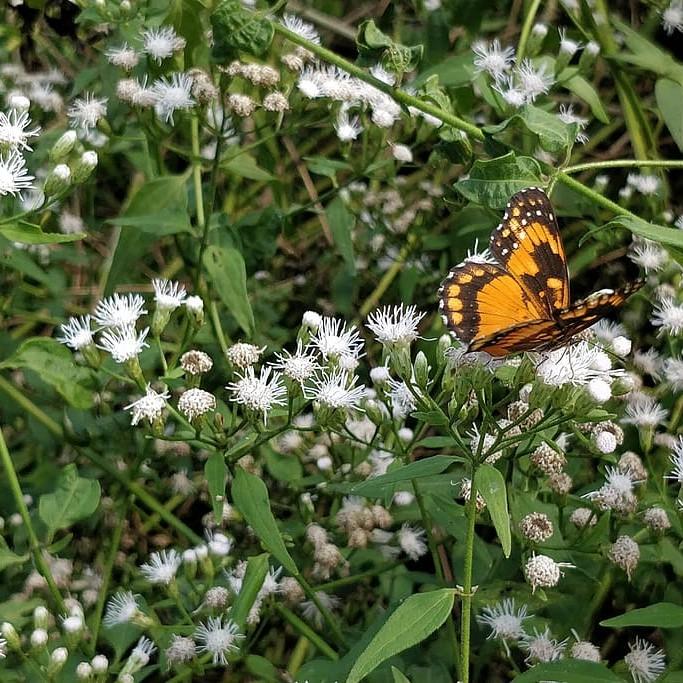
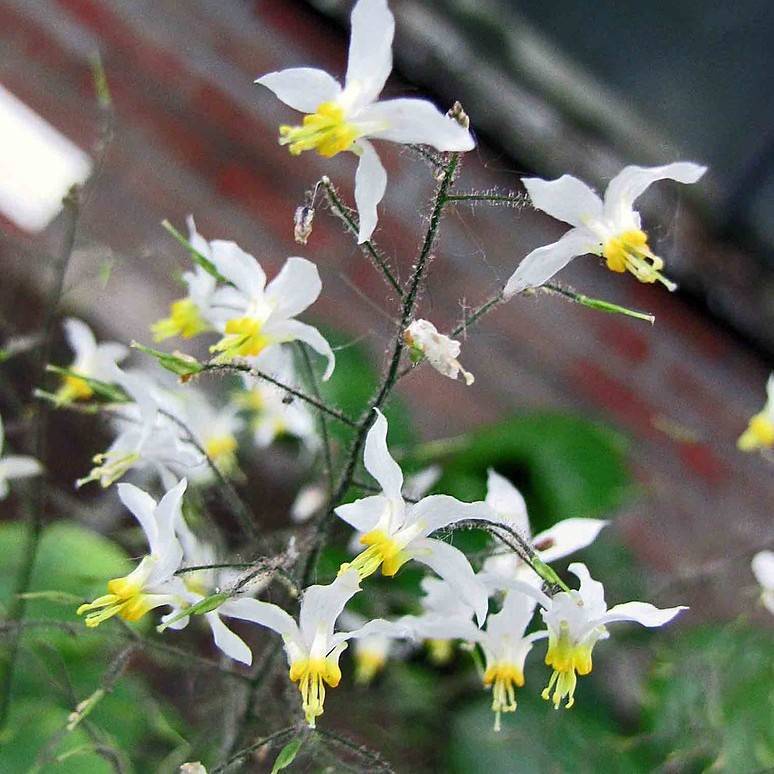
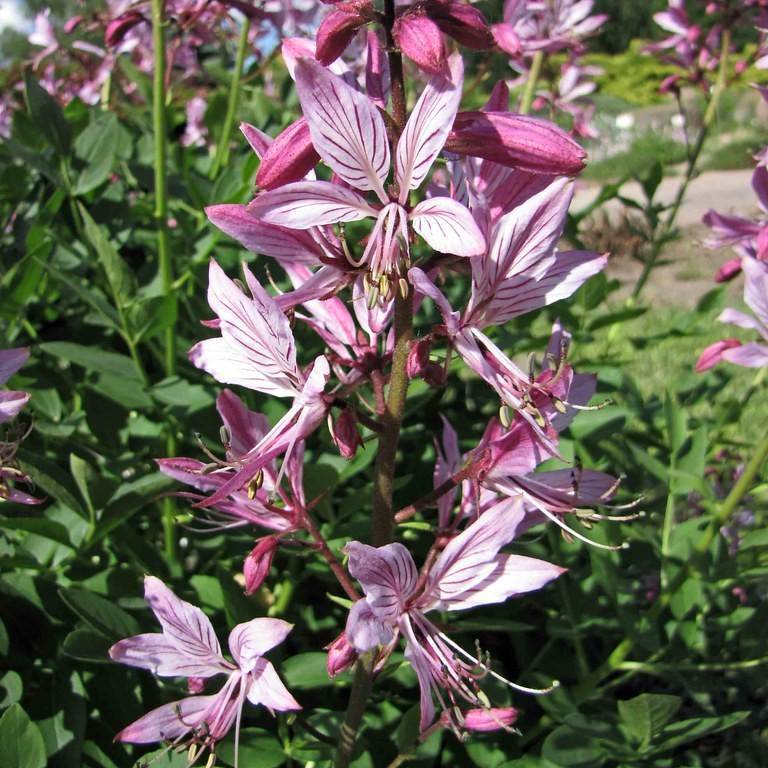
Dittany (Dictamnus albus 'Albiflorus') is an amazing plant perfect for adding texture and fragrance to your garden. Its fragrant white flowers have a pink hue and bright green lance-shaped leaves, making a beautiful display. Its blooms attract butterflies and other beneficial insects. Additionally, its rhizomes have a unique flavor and can be used in teas and herbal teas, giving it a useful double purpose. Its versatility as a garden plant makes it a great choice for any garden design. It's also drought and deer tolerant, making it quick and easy to care for. Dittany is a must-have addition to any garden.
Care Guide
Watering
Dittany (Dictamnus albus 'Albiflorus') should be watered moderately, allowing the soil to almost completely dry out between waterings. Water when the soil on the surface is dry, approximately once a week or every 5-7 days. Make sure the soil is evenly moist, but not overly wet. Never let the soil dry out completely or become soggy. Water in the early morning or evening so the water will have time to be absorbed, not evaporate in the sun. Water near the base of the plant so as not to wet the foliage, as this may cause disease.
Light
Dittany (Dictamnus albus 'Albiflorus') plants require full to partial sun, meaning they should receive at least 6 hours of direct sunlight each day. They should ideally be placed in a spot in the garden which receives at least 4 hours of direct sunlight during the morning and 2 in the afternoon. Dittany plants are generally best grown in a spot which is sheltered from strong winds.
Temperature
Hardiness zone 3–7.
Pruning
Dittany (Dictamnus albus 'Albiflorus') should be lightly pruned in early or mid-spring before any new growth emerges. During this time, remove any diseased, dead, or damaged branches as well as any weak or skinny branches. Trim any branches that cross each other or are growing too close together. As the dittany grows, pinch back growing tips to encourage dense, bushy foliage and full blooms. If necessary, the plant can also be slightly thinned out to allow for air circulation.
Propagation
Cutting, Division, Seed Propagation, Layering Propagation
Uses & Symbolism
Attracts: Butterflies.
Related plants
Other plants you might like if you grow dittany.