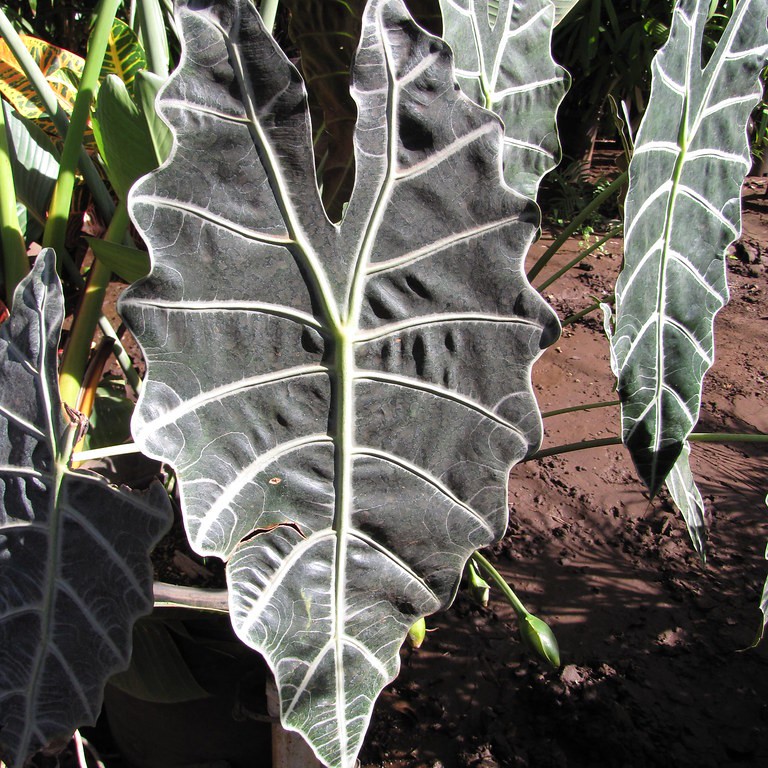
elephant's ear
Alocasia (group)
Overview
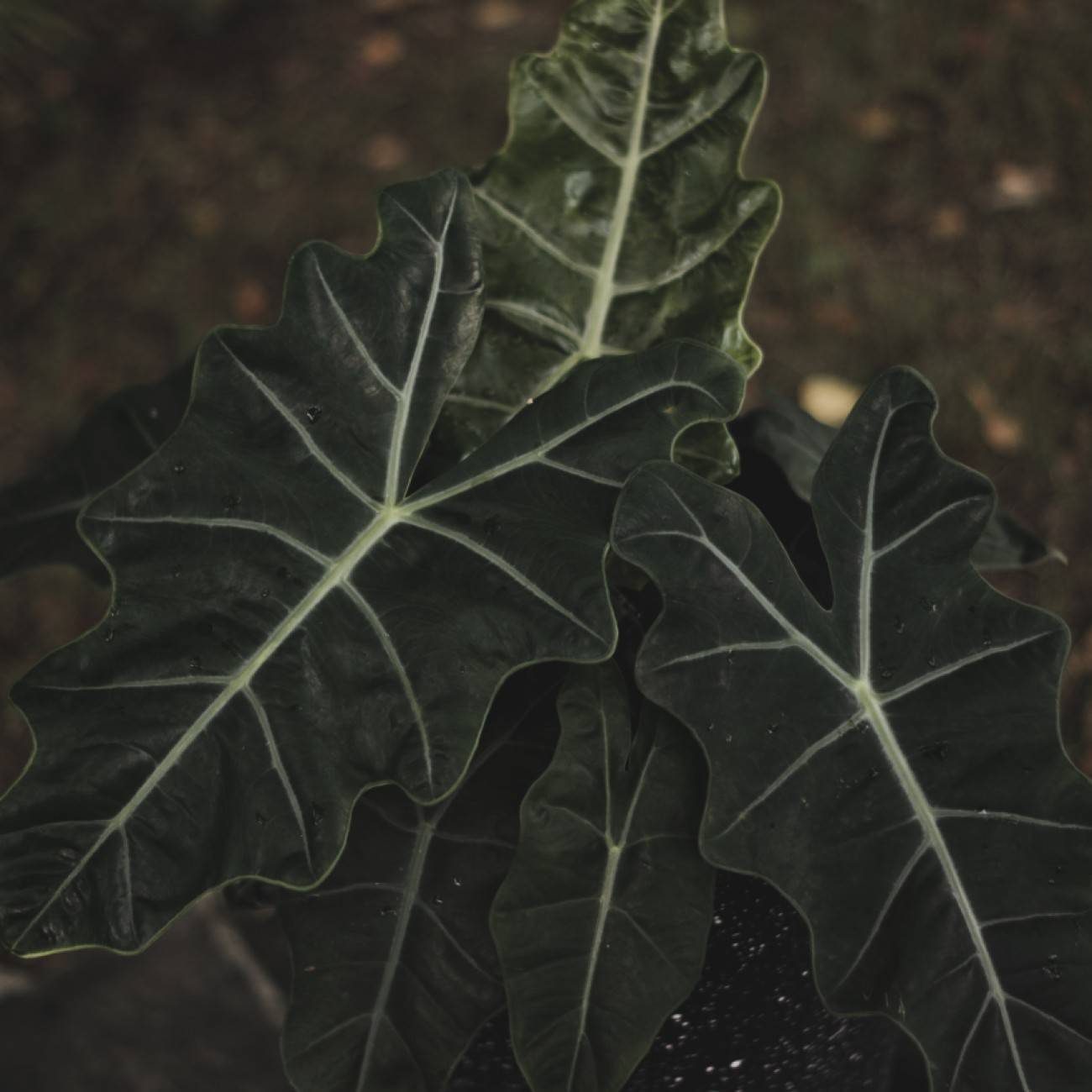
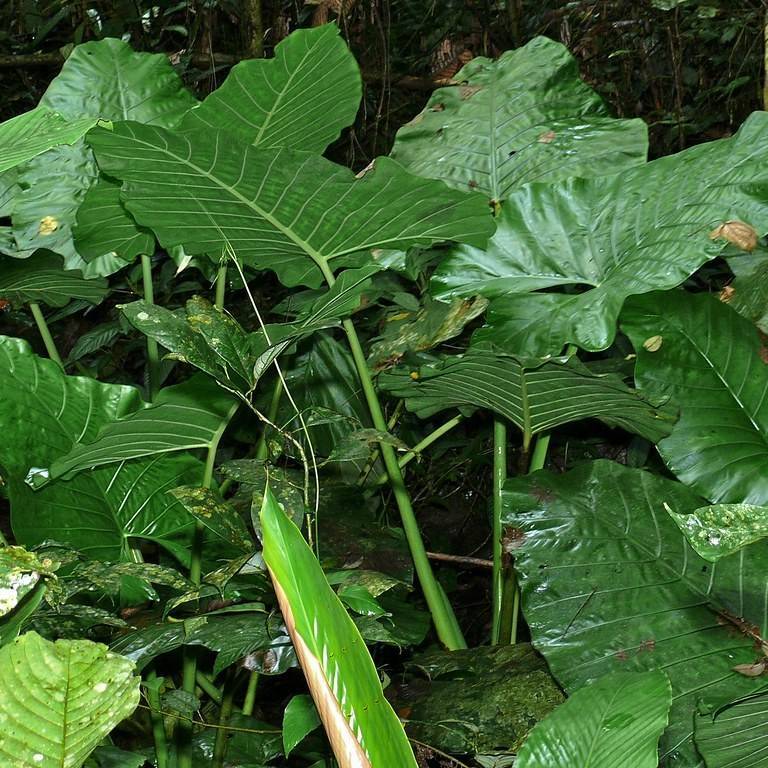
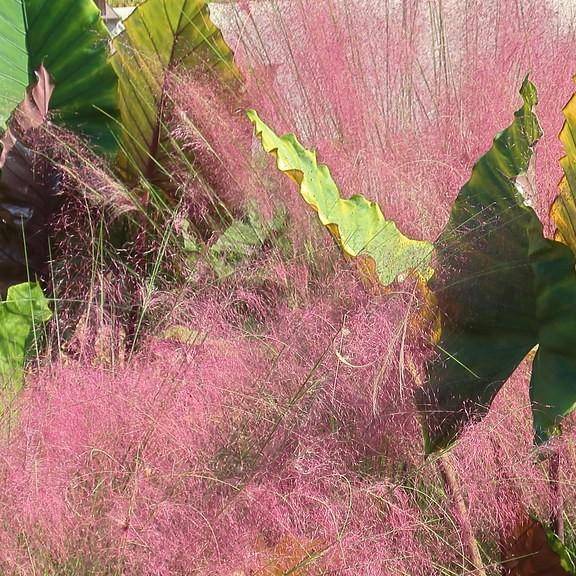
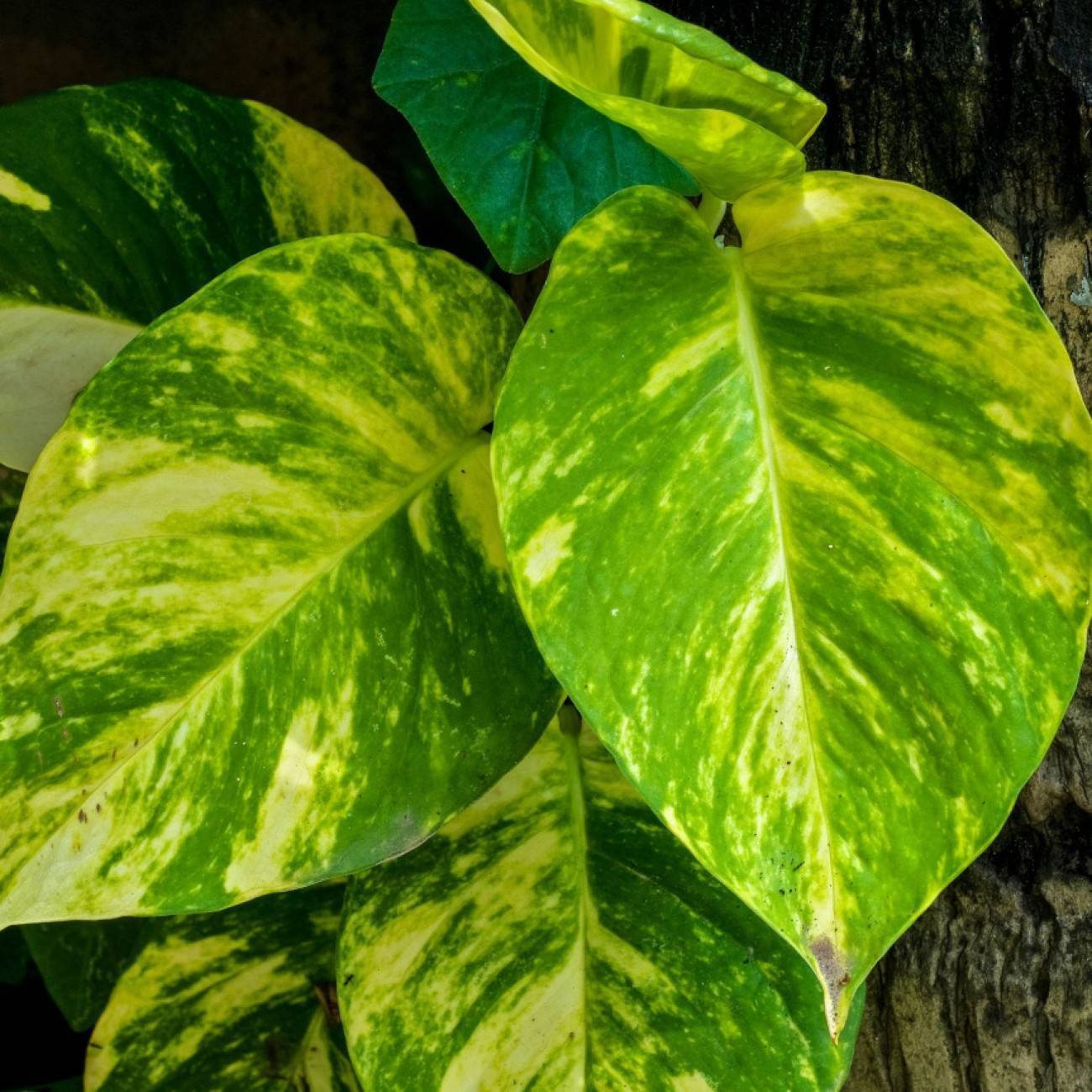
The Elephant’s Ear is a truly impressive plant species, featuring wide, glossy leaves that look strikingly similar to an elephant's ear. This majestic, low-maintenance plant will add a real touch of class to any home. The Elephant’s Ear is also known for its quick growth rate, with each leaf growing up to four feet wide and long, making it an eye-catching addition that can fill entire rooms. Colorful flowering varieties of the Elephant’s Ear create a beautiful display of vibrant deep green or purple leaves with stunning, contrasting white veins. So if you’re looking for a dramatic addition to your home, the Elephant’s Ear is definitely a great choice.
Care Guide
Watering
Elephant's Ear (Alocasia (group)) should be well watered throughout the year, in particular during the summer months and active growth season when the plant is producing new foliage. Water should be applied deeply and slowly until it begins to seep from the bottom of the pot, usually once every 7-10 days. Ensure that the soil remains moist but not soggy between waterings and only water when the top soil feels dry to the touch.
Light
Elephant's ear (Alocasia (group)) require full to partial sun exposure with at least 2 to 4 hours of direct sunlight per day. If you are growing them indoors make sure to move them next to a south or east facing window where they can get good natural sunlight. In hotter climates, afternoon shade is recommended, as too much sun can scorch the leaves. In cooler climates, you can increase the amount of direct sun they get, but avoid the hottest midday hours.
Temperature
Hardiness zone 10–11.
Pruning
Elephant's ear (Alocasia(group)) should generally be pruned once a year in early to mid-spring. This will help maintain the desired shape of the plant, while also encouraging the growth of healthy new leaves. Dead leaves should be removed all year round in order to keep the plant looking healthy. Depending on the size of the plant, some of the largest leaves may need to be pruned back to encourage growth of smaller, new leaves. Begin with pruning back only a few leaves up to the base of the plant.
Propagation
Division, Air Layering Propagation, Stem Propagation, Offsets, Seed Propagation
Related plants
Other plants you might like if you grow elephant's ear.