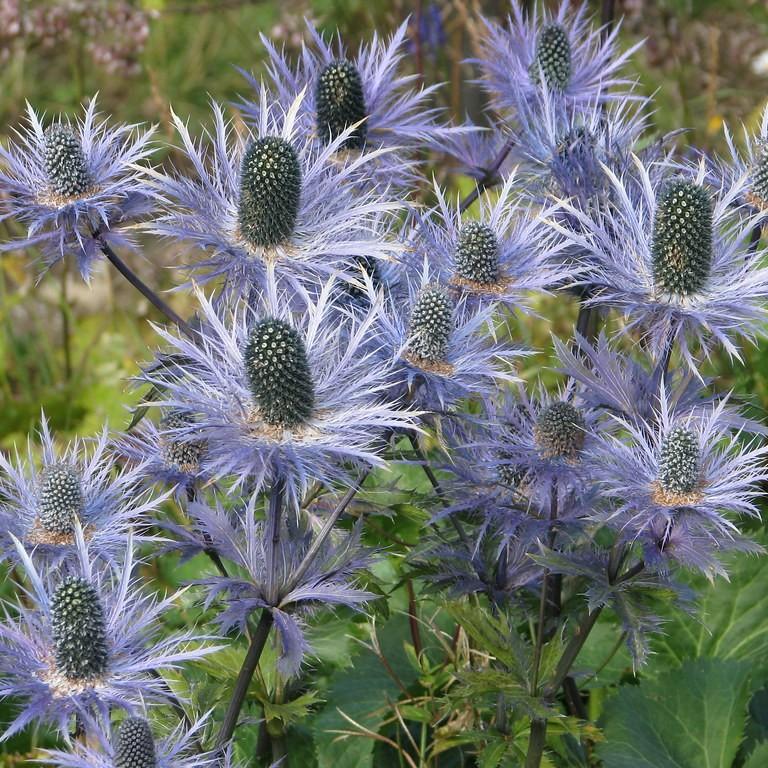
eryngo
Eryngium alpinum 'Blue Star'
Overview
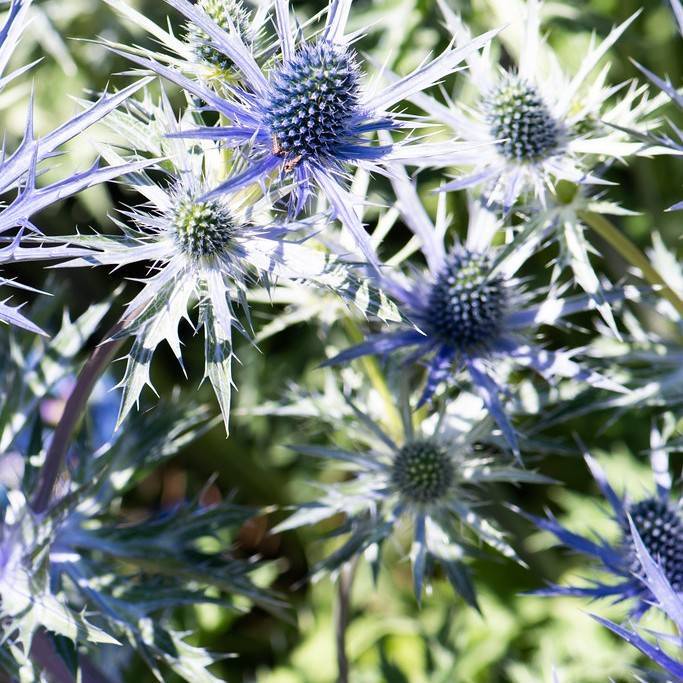
Eryngo (Eryngium alpinum 'Blue Star') is an amazing looking plant. The unique blue coloring of its star-shaped flowers give it an almost mysterious look and draw the eye. Its foliage consists of slim silver-green leaves that look beautiful against the plant's bright blue flowers. It is relatively easy to care for and requires well-draining soil and full sun. It adds an interesting texture to a garden and is great for both landscaping and container gardening. Not only does it look beautiful, but it is also a pollinator-friendly plant, making it a great addition to any wildlife garden. Its wonderful colors make it a must-have for every garden!
Care Guide
Watering
Water Eryngo (Eryngium alpinum 'Blue Star') deeply and infrequently. To ensure your plant is getting the proper amount of moisture, it is best to let it dry out between waterings. Aim to water the plant whenever the top 2-3 inches of soil feels dry to the touch. In general, the plant should be watered every 7-10 days during the growing season. During the winter months, you may need to water even less frequently.
Light
Eryngo (Eryngium alpinum 'Blue Star') prefers full sun (6 to 8 hours of direct sunlight each day) in order to grow optimally. Some shade is tolerable, although the plant may not yield as many blooms in partial shade as it does in full sun. Avoid places that get so much sun that the soil dries out completely. It is best to position the plant so that it receives sun in the morning or the early afternoon, rather than intense afternoon sunlight. Too much afternoon sun can cause the leaves of the eryngo to droop and become scorched.
Temperature
Hardiness zone 2–8.
Pruning
Eryngo (Eryngium alpinum 'Blue Star') is not an intense pruning plant and typically does not need to be pruned. However, in order to keep the plant looking neat and to promote branching, it is recommended to remove any dead or damaged stems when noticed. It is best to complete light maintenance pruning in the early spring, just before new growth starts. It is also beneficial to remove any flower stalks after blooming. Any heavy pruning should be avoided.
Propagation
Division, Cutting, Seed Propagation, Layering Propagation
Related plants
Other plants you might like if you grow eryngo.