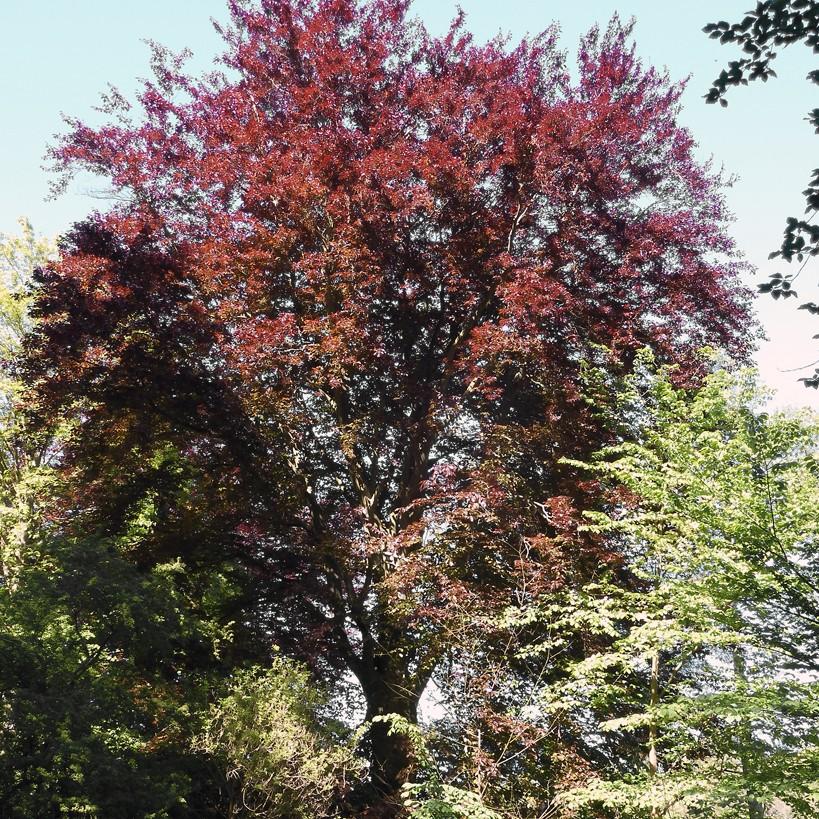
European beech
Fagus sylvatica 'Riversii'
Overview
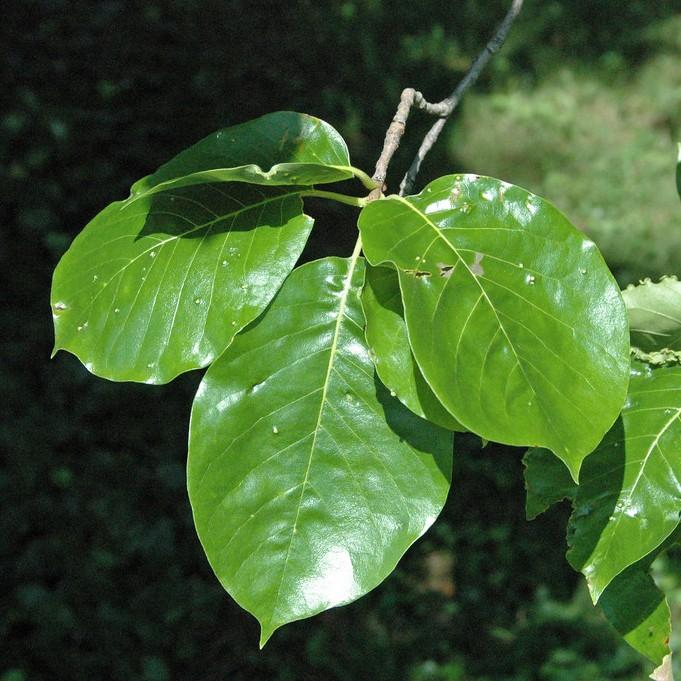
The European beech (Fagus sylvatica 'Riversii') is an amazing and truly magnificent tree! Its grand stature and wide hanging branches, combined with its deep green foliage, make it a breathtaking sight. Once established, these hardy trees thrive in almost any condition, including shade, partial shade, drought, and humidity. They are known for growing to an immense size and providing a vital habitat for numerous species of wildlife. The leaves of the European beech are a dark green in summer, which gradually turn to a beautiful bronze-gold color in autumn. Their dense canopy creates a peaceful and inviting atmosphere, and makes a lovely focal point in any landscape. With proper care, these trees can live for many years and become landmarks in gardens.
Care Guide
Watering
European beech (Fagus sylvatica 'Riversii') requires weekly watering during its growing season (spring to autumn). During this period, give the plant enough water so that the soil is moist, but not soggy. In winter, water your European beech no more than once a month, or only when the top of the soil feels dry. Remember to check the soil moisture level before you water the plant.
Light
European Beech (Fagus sylvatica 'Riversii') plants thrive in locations that provide full sun to partial shade. Partial shade is recommended in hotter climates, such as those in the southeastern United States, as these plants are sensitive to intense heat and direct sunlight in those regions. In cooler areas, or during cooler seasons, the plants can handle full sun for 4 to 6 hours per day. In warmer climates, they should be protected from direct sunlight in late afternoon and early evening to avoid leaf burn and other damage.
Soil
Well-drained
Temperature
Hardiness zone 6–6.
Pruning
European beech (Fagus sylvatica 'Riversii') requires minimal pruning; in most cases, only light pruning is necessary. Pruning should occur just after the plant has flowered in the spring. During this time, annual pruning should be done to remove any dead, diseased, or damaged branches. It is also recommended to trim the branches that are too close to the ground, as well as those that are growing inward, as these can create a crowded growth habit. Avoid removing more than about a third of the foliage, as this will cause stress to the tree.
Propagation
Grafting Propagation
Diseases & Pests
Common pests: Rodents, Pest resistant, Disease resistant .
Guides that mention European beech
Related plants
Other plants you might like if you grow European beech.
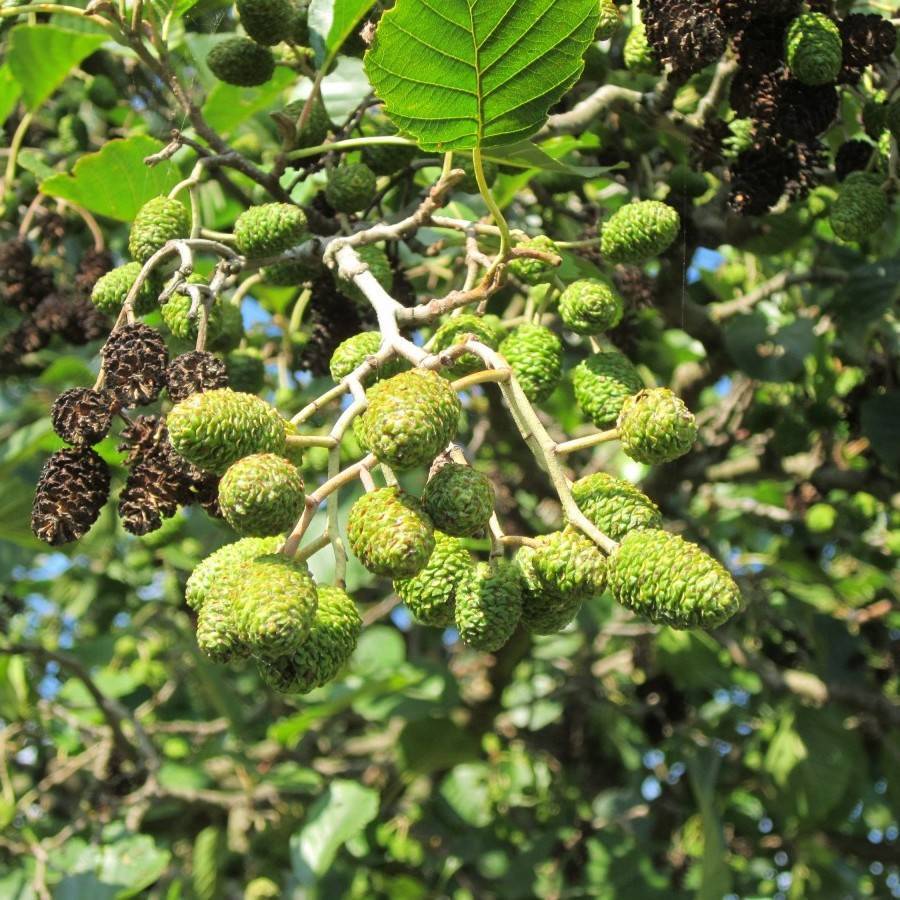
alder
Alnus mayrii
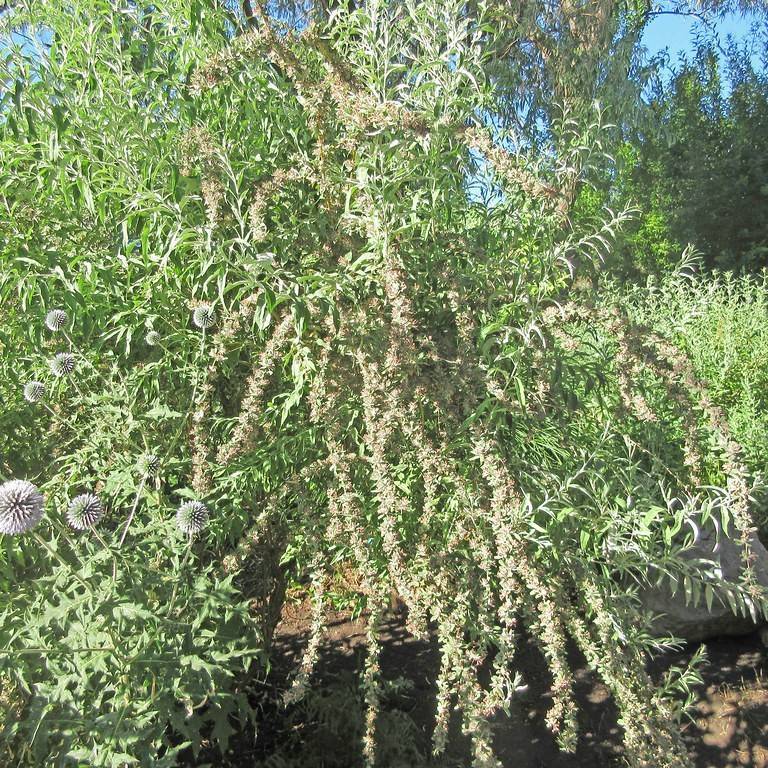
alternate-leaved butterfly bush
Buddleja alternifolia
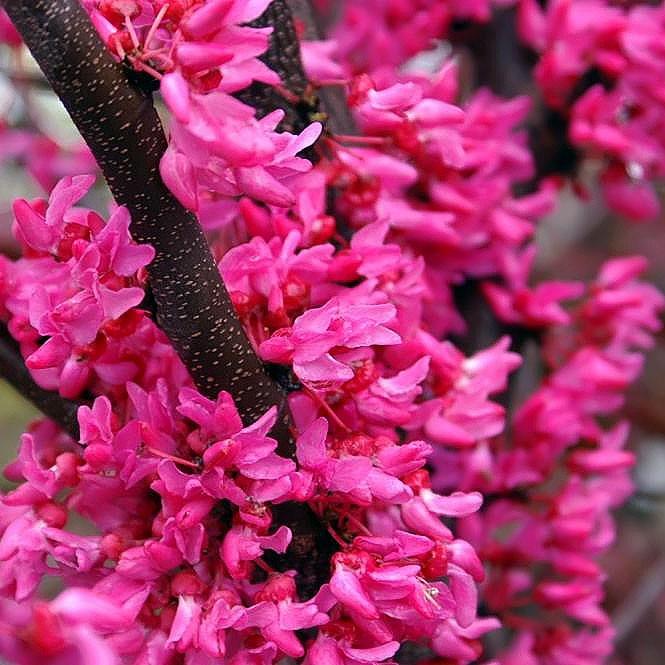
Appalachian Red Redbud
Cercis canadensis 'Appalachian Red'
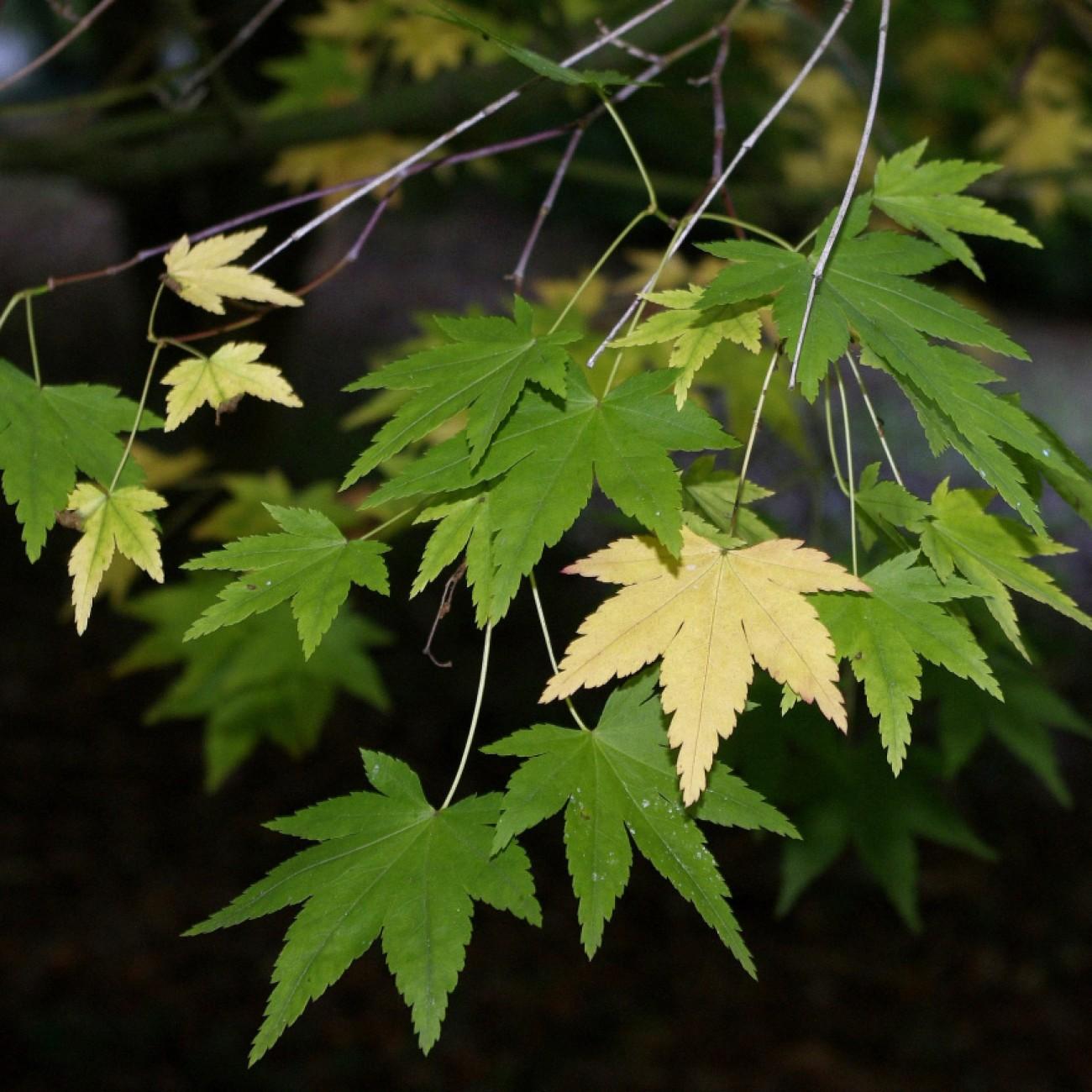
Arakawa Cork Bark Japanese Maple
Acer palmatum 'Arakawa'
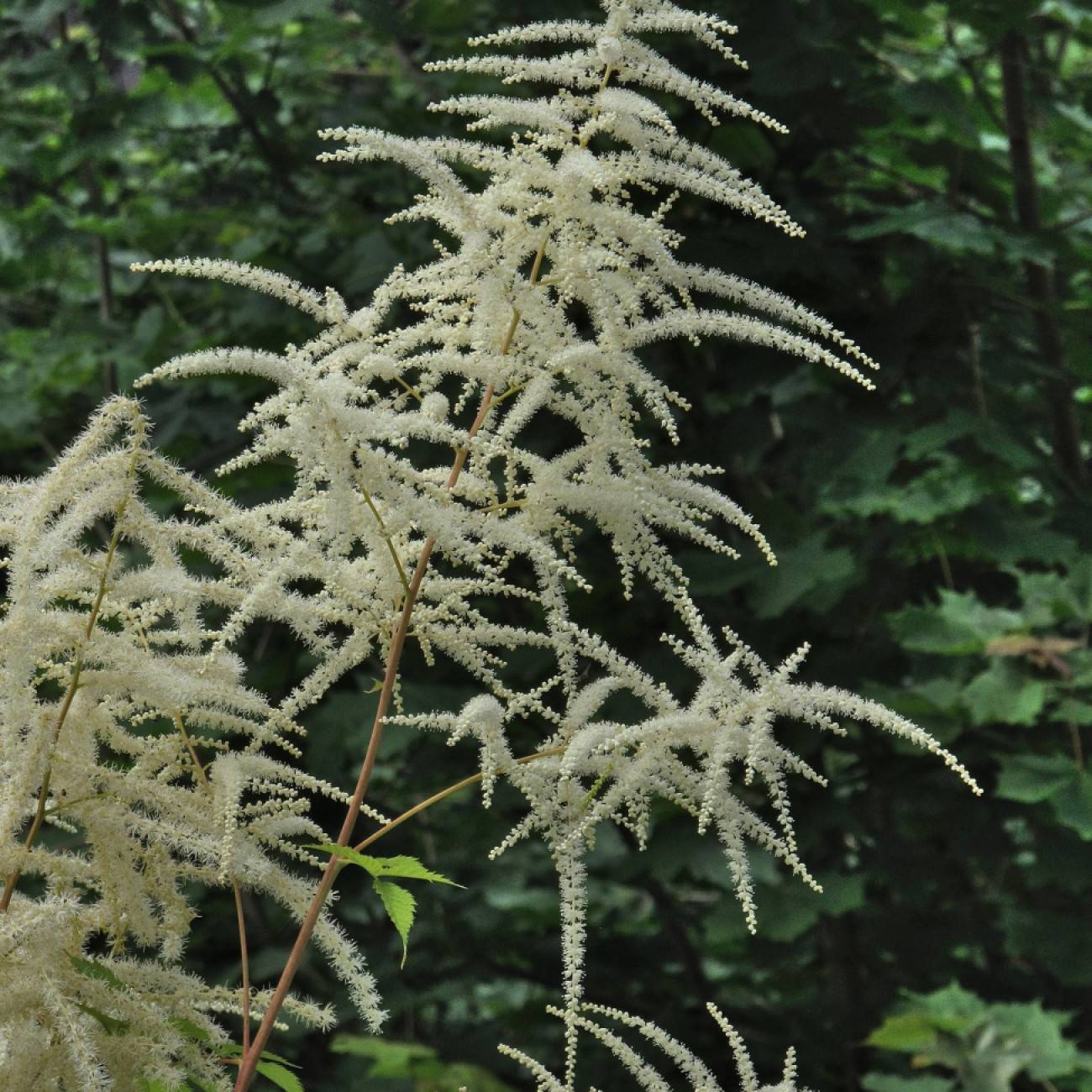
aruncus
Aruncus 'Horatio'
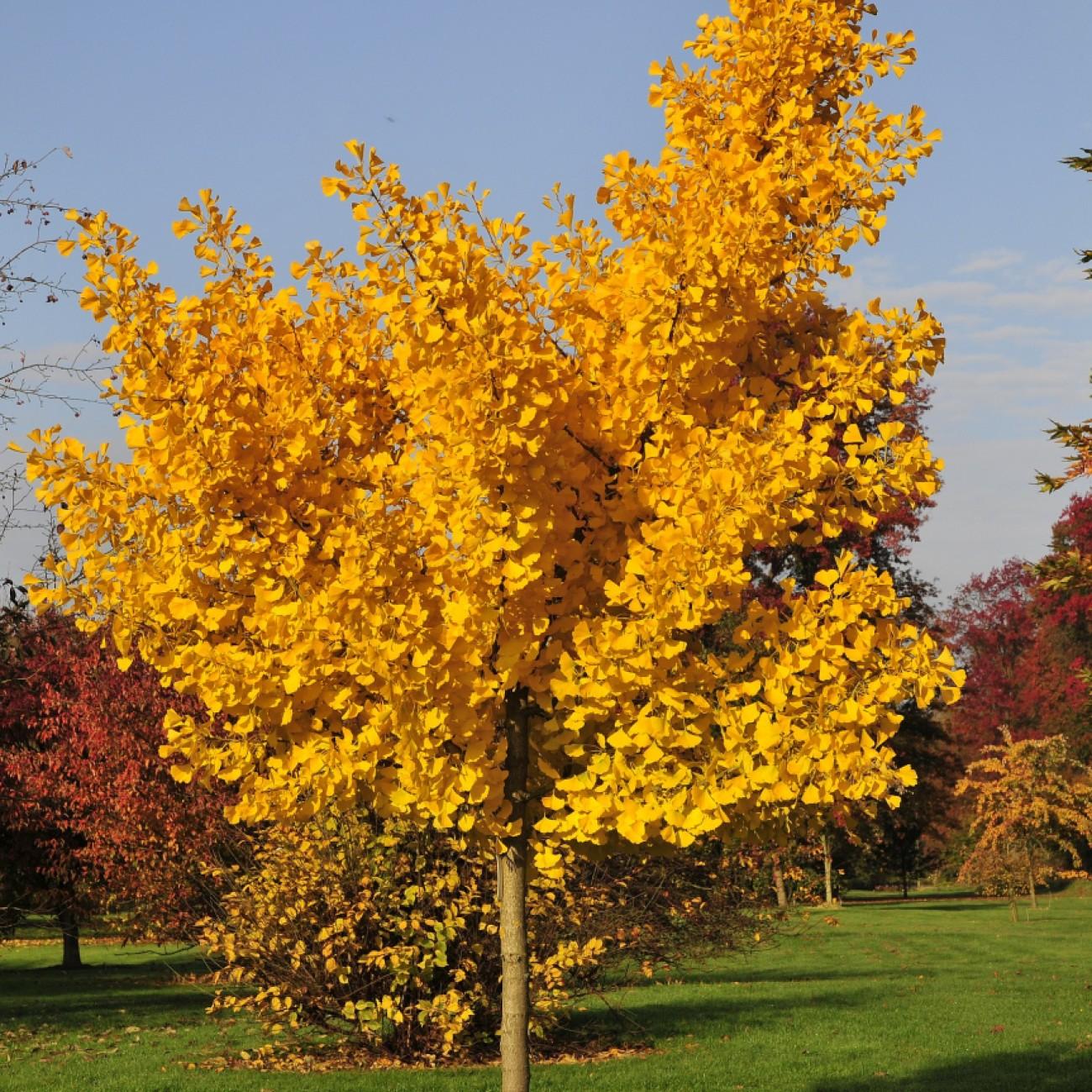
Autumn Gold Ginkgo
Ginkgo biloba 'Autumn Gold'
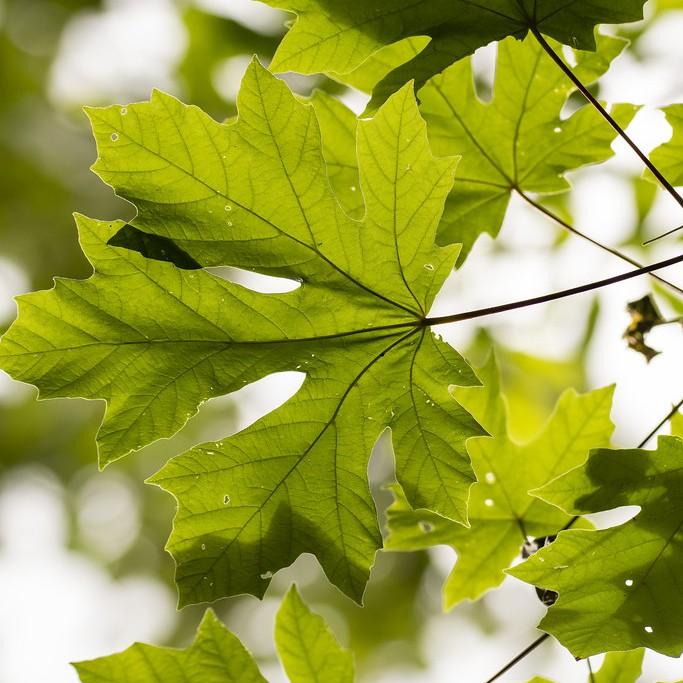
Big Leaf Maple
Acer macrophyllum
Black Gum
Nyssa sylvatica