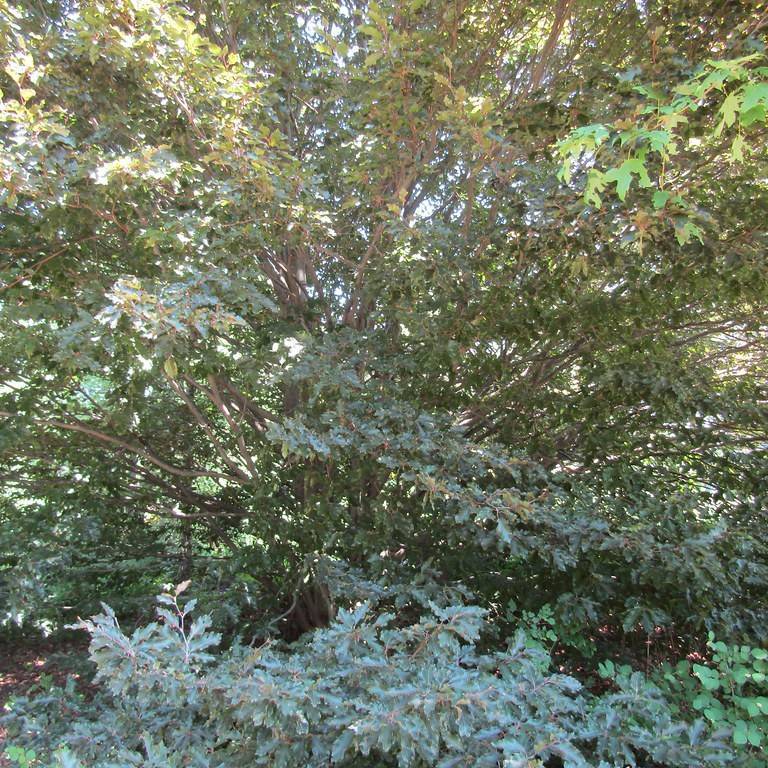
European beech
Fagus sylvatica 'Rohanii'
Overview
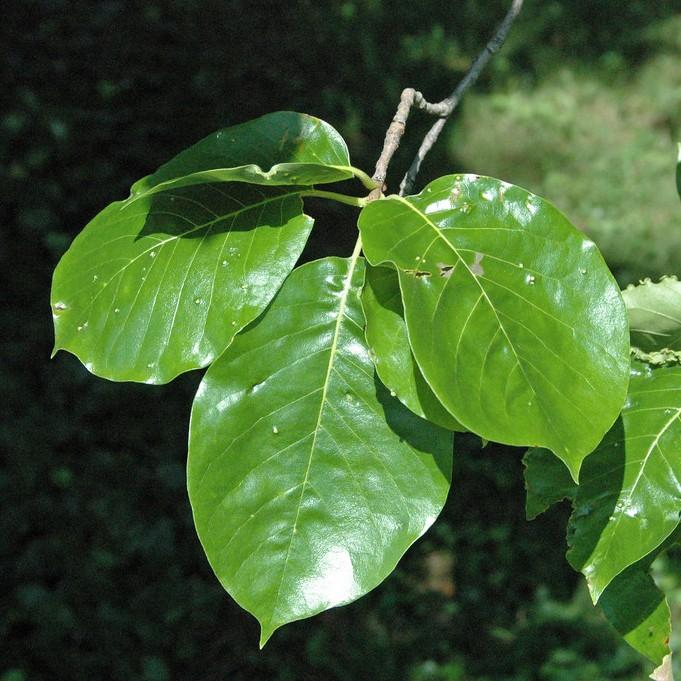
European beech (Fagus sylvatica 'Rohanii') is an amazing species of tree. It has a beautiful, symmetrical dome crown and a straight trunk, with attractive light grey bark that forms vertical ridges as the tree matures. Its foliage is dense and dark green in colour and it is also very tolerant of cold temperatures. It also provides precious shade in summer and plenty of privacy all year round. This makes it ideal for use as a feature tree in any garden or urban landscape. Plus, it is resistant to many common diseases and pests, so it is very low-maintenance. All in all, European beech (Fagus sylvatica 'Rohanii') is an ideal choice for any home or garden.
Care Guide
Watering
European beech plants prefer moist, well-draining soil and should be watered at least once a week when conditions are dry. Make sure to check the soil each week by sticking your finger into the first inch or 2 of soil; if it's completely dry, it's time to water. Beech trees like to receive 1-1.5 inches of water each week, and it’s best to water slowly and deeply. Depending on the season, increase or decrease the amount of water slightly. During hot, dry summers, it may be necessary to water more often. Make sure to water your beech tree in the morning so it has time to drink up before nightfall.
Light
European beech (Fagus sylvatica 'Rohanii') grows best in areas of full sunlight, though it can tolerate some shade. It should receive at least 6 hours of direct sunlight daily for optimal growth and health. If planted in a shadier area, it may not produce as many flowers or fruits as it would in brighter areas. Additionally, European beech trees should not be exposed to harsh winds or heavy frost, as it can damage the foliage. Furthermore, the tree needs protection from dry periods and high temperatures, so it should be placed with ample water resources nearby.
Soil
Well-drained
Temperature
Hardiness zone 6–6.
Pruning
European beech (Fagus sylvatica 'Rohanii') should be pruned back in late winter or early spring (February or March) to encourage new growth. Pruning should be done sparingly, focusing on removal of any broken, dead or diseased branches. If you desire a more formal shape, the central leader can be pruned slightly. If you want a more natural shape, selective thinning can be done, pruning back no more than 1-third of the growth each year. Always make sure to make clean cuts near to the branch collar, as this will help with healing and regrowth.
Propagation
Grafting Propagation
Diseases & Pests
Common pests: Rodents, Pest resistant, Disease resistant .
Guides that mention European beech
Related plants
Other plants you might like if you grow European beech.
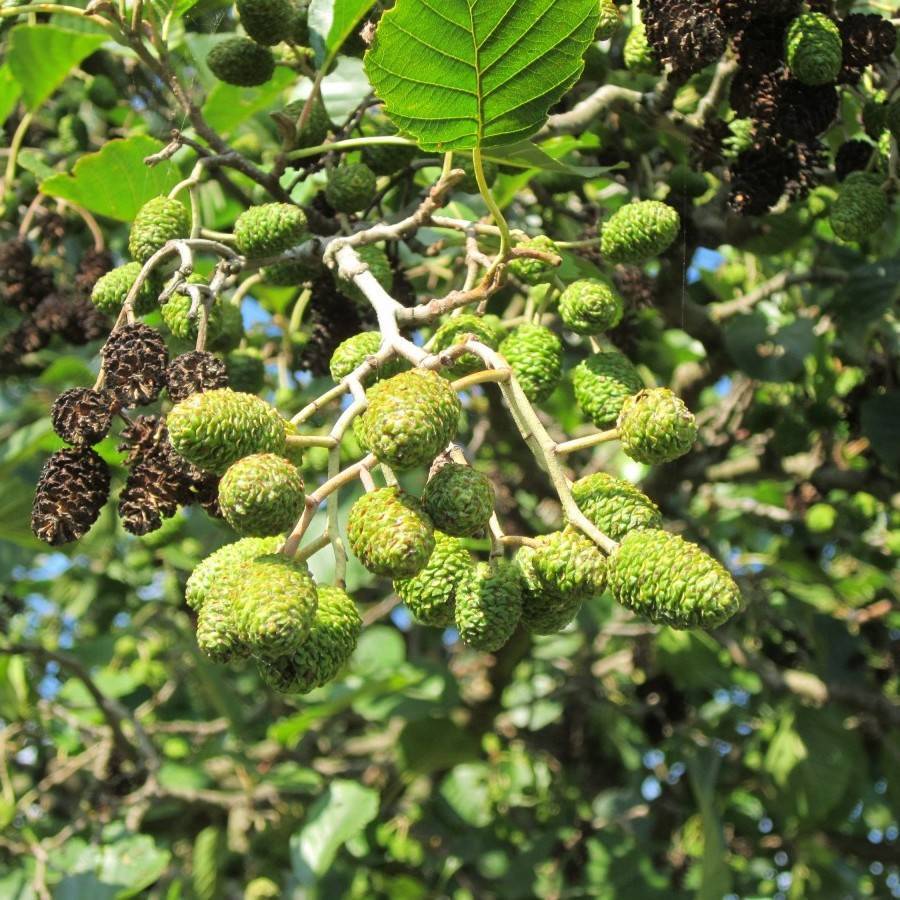
alder
Alnus mayrii
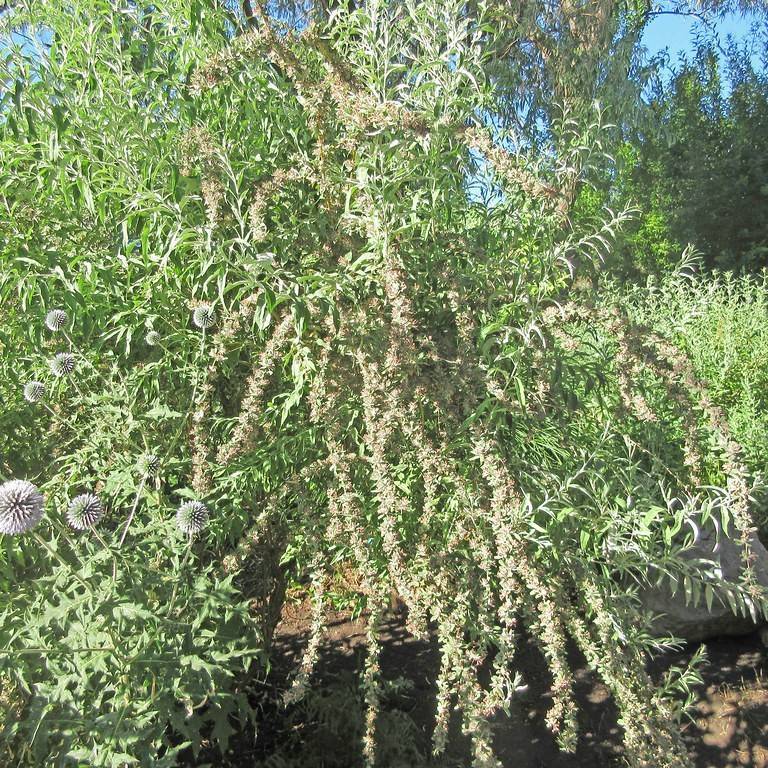
alternate-leaved butterfly bush
Buddleja alternifolia
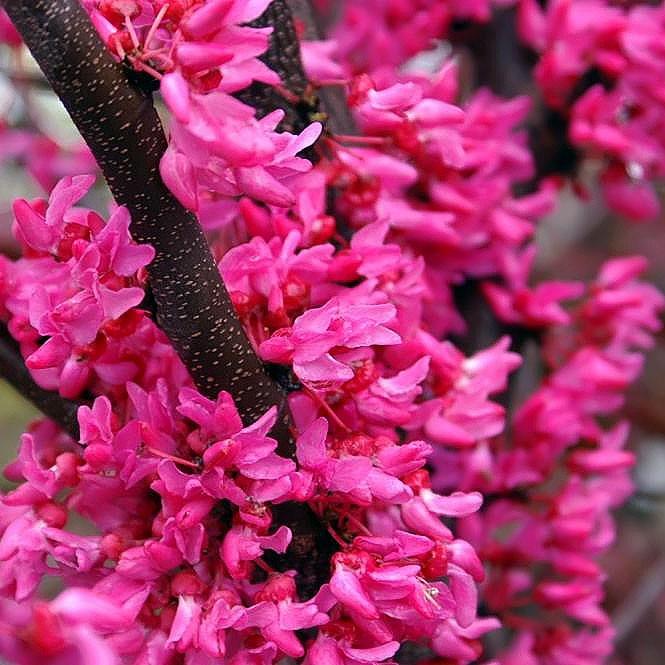
Appalachian Red Redbud
Cercis canadensis 'Appalachian Red'
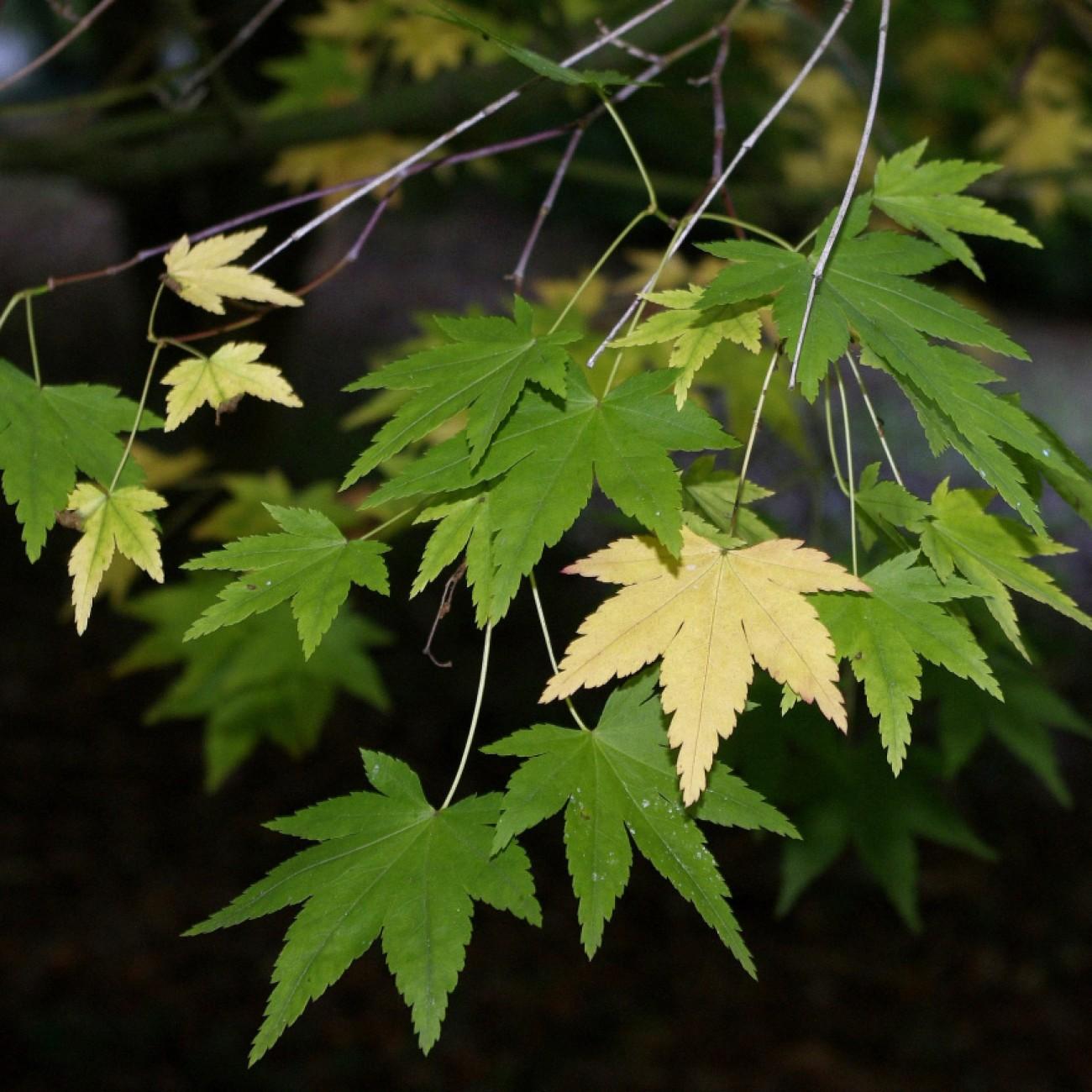
Arakawa Cork Bark Japanese Maple
Acer palmatum 'Arakawa'
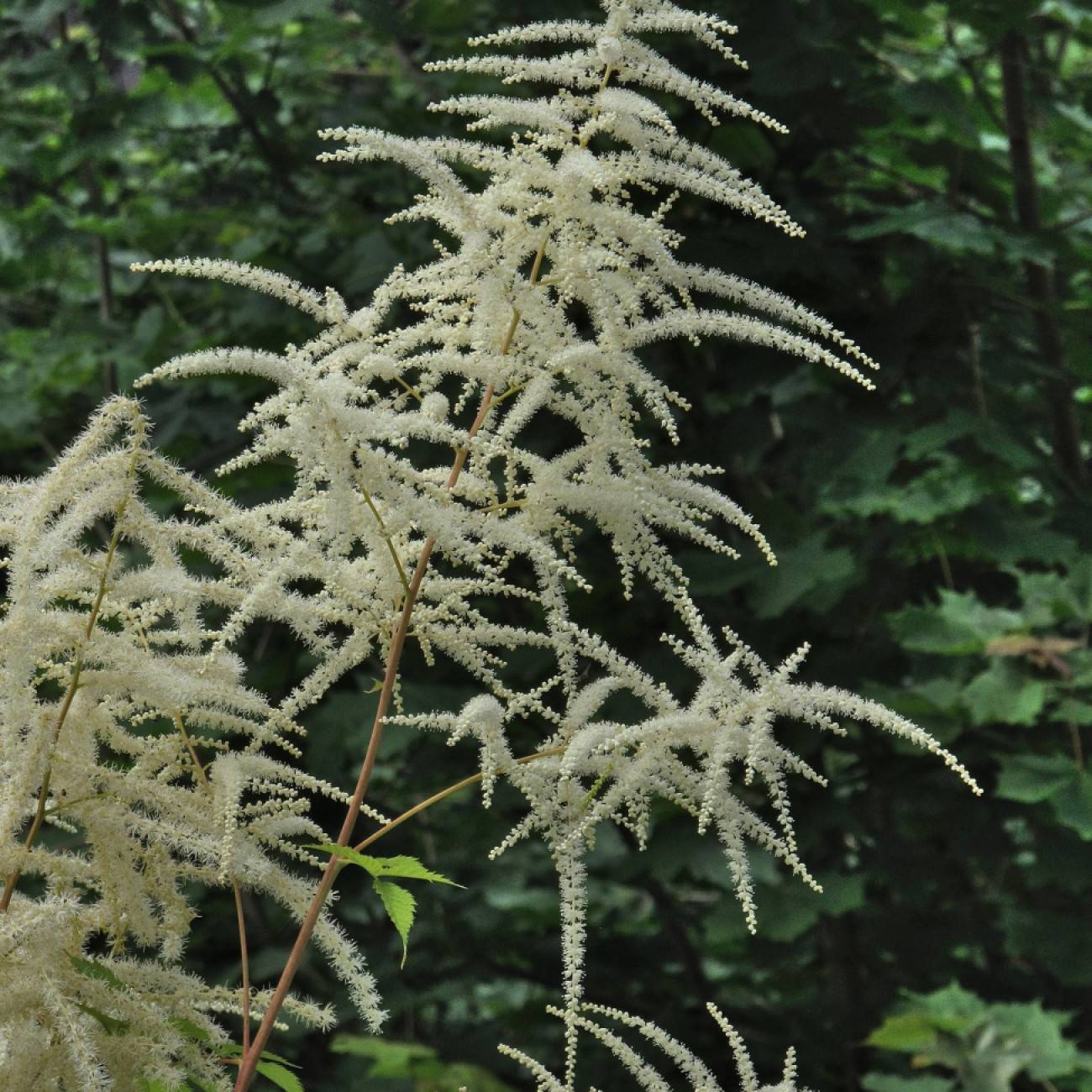
aruncus
Aruncus 'Horatio'
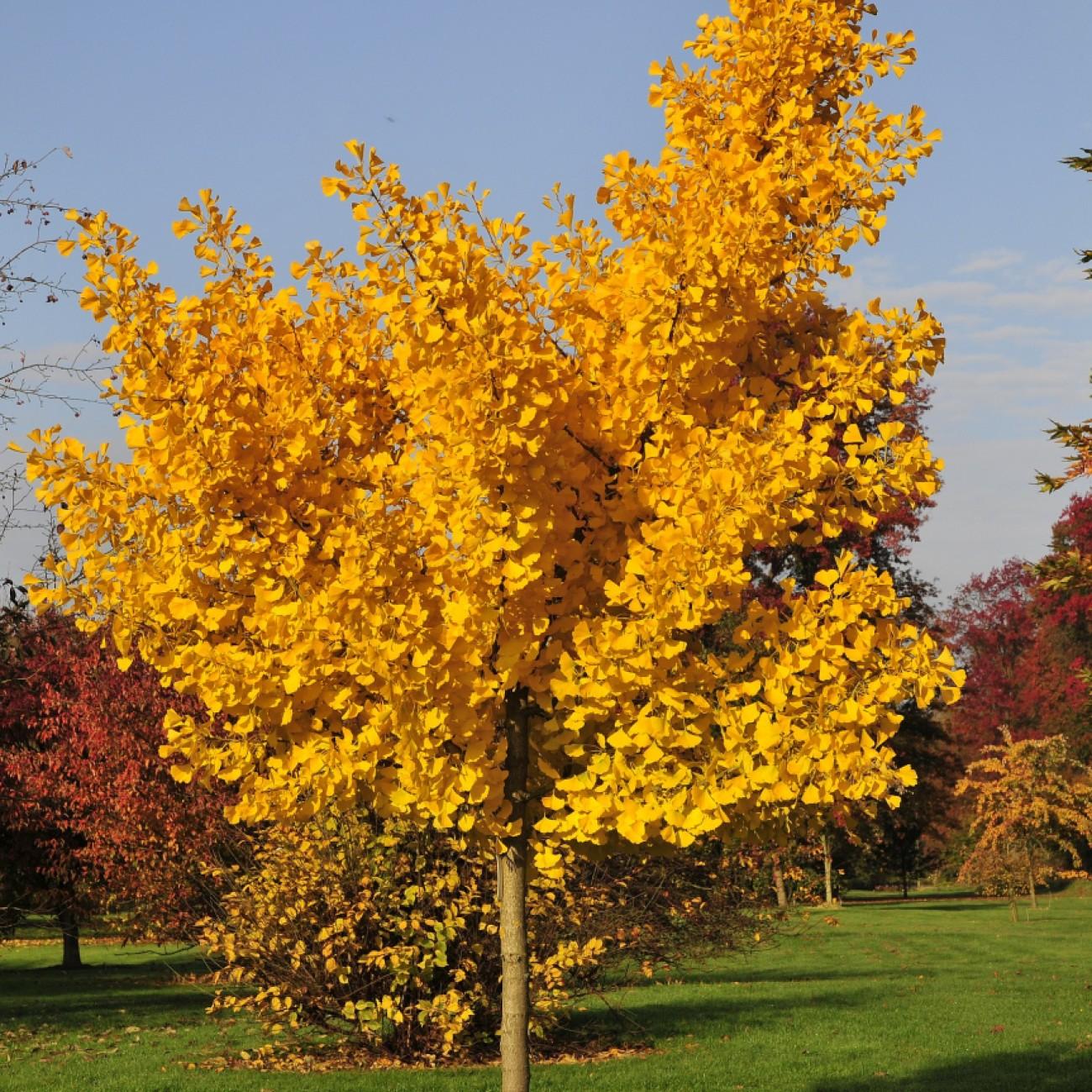
Autumn Gold Ginkgo
Ginkgo biloba 'Autumn Gold'
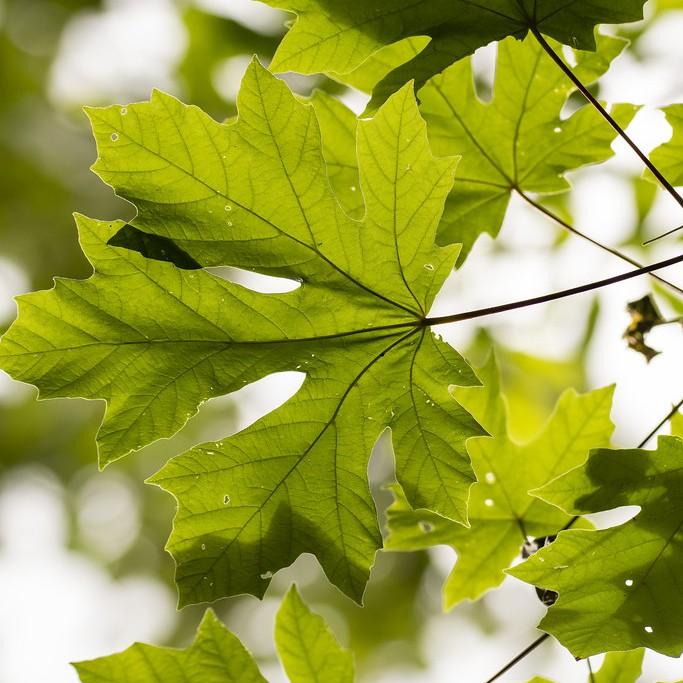
Big Leaf Maple
Acer macrophyllum
Black Gum
Nyssa sylvatica