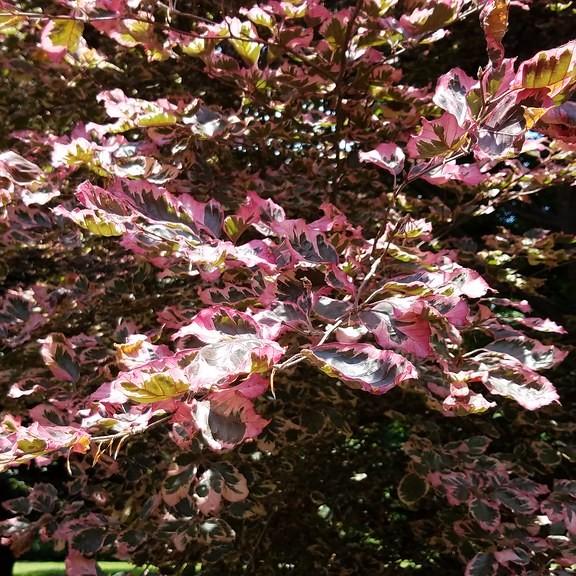
European beech
Fagus sylvatica 'Tricolor'
Overview
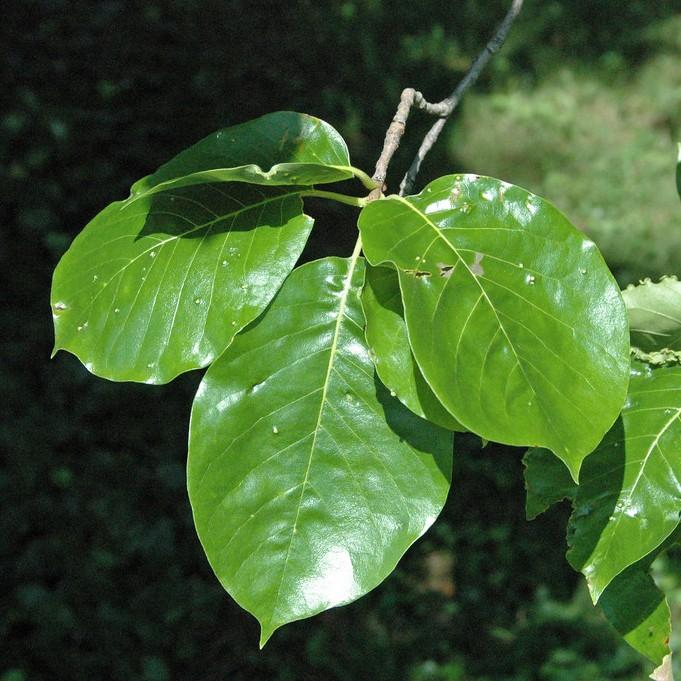
European beech 'Tricolor' is an amazing plant species. It offers a unique, vibrant mix of eye-catching colors with its tricolor leaves that range from olive green, cream, and pink blush. Its elegant salmon colored bark can light up even the darkest corners of any garden. Its full-sized form, towering upright form, and handsome branching structure make it a perfect specimen plant for any spot! The hearty nature of this species allows it to thrive in moist, well-drained soil and full sun to partial shade. With its low maintenance needs and dazzling foliage, this beautiful tree is a must-have for any landscape.
Care Guide
Watering
European Beech (Fagus sylvatica 'Tricolor') needs to be watered once per week, allowing the soil to dry slightly between waterings. Water thoroughly but avoid overwatering. When you water, soak the soil until the water runs out of the drainage holes at the bottom of the pot. Be sure not to let the plant sit in water. During the winter months, water less frequently, but never allow the soil to become completely dry.
Light
European beech (Fagus sylvatica 'Tricolor') is a species of deciduous tree native to Europe. This plant species prefers medium to full sunlight and benefits from 4 to 6 hours of direct sunlight each day. Additionally, European beech tolerates partial shade as well, particularly in locations with hot summers. In USDA plant hardiness zones 5-9, this species usually performs best when exposed to full sunlight for most of the day.
Soil
Well-drained
Temperature
Hardiness zone 6–6.
Pruning
European beech (Fagus sylvatica 'Tricolor') should be pruned in the late winter months when it is dormant. Pruning can be done to shape and control the size of the tree, or to remove any dead or diseased branches. Light pruning can be done any time of year, as often as is needed to maintain desired shape or size. However, more significant pruning should be done during the winter dormant season. Always be sure to follow proper pruning techniques, making sure to make cuts just outside the branch collar and only removing no more than 1 third of the total tree crown at 1 time.
Propagation
Grafting Propagation
Diseases & Pests
Common pests: Rodents, Pest resistant, Disease resistant .
Guides that mention European beech
Related plants
Other plants you might like if you grow European beech.
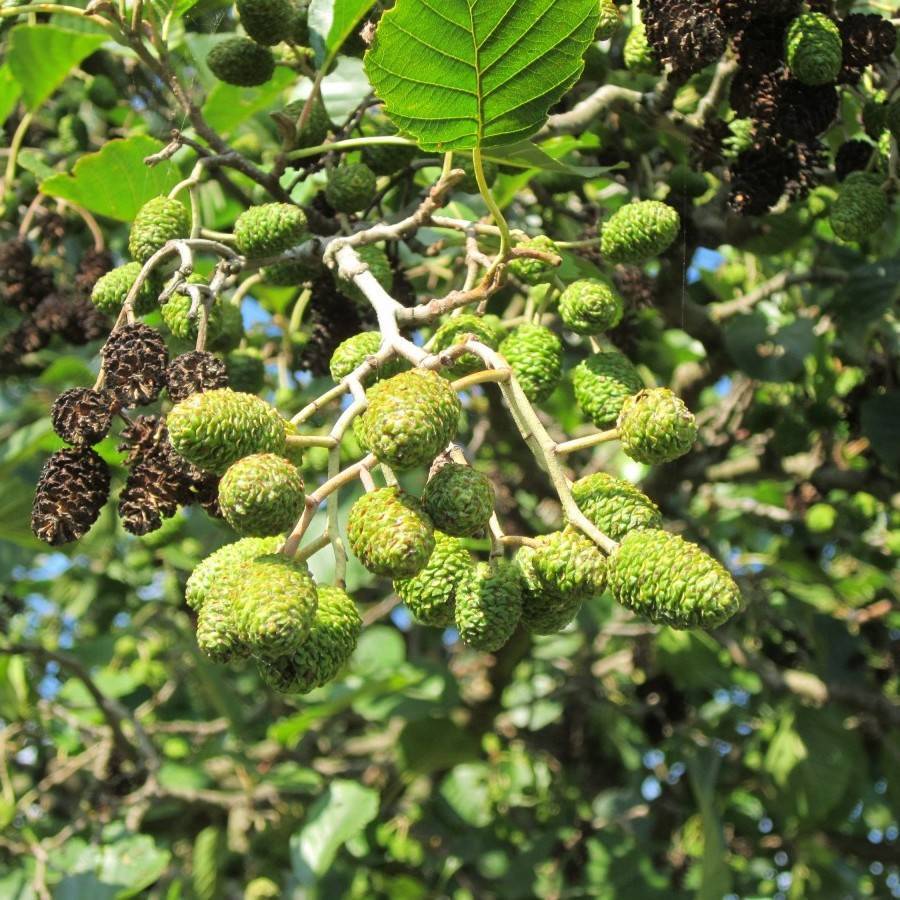
alder
Alnus mayrii
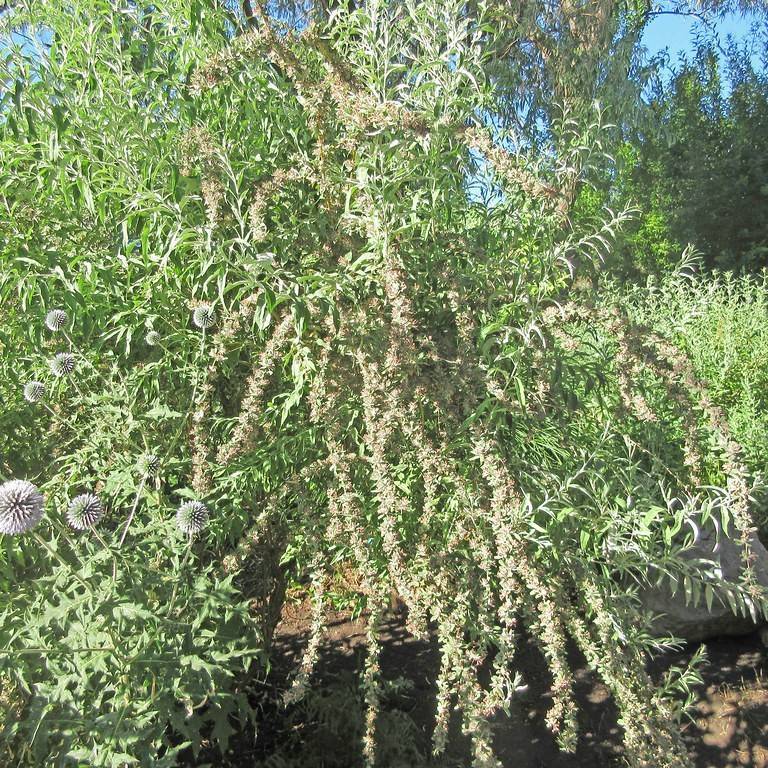
alternate-leaved butterfly bush
Buddleja alternifolia
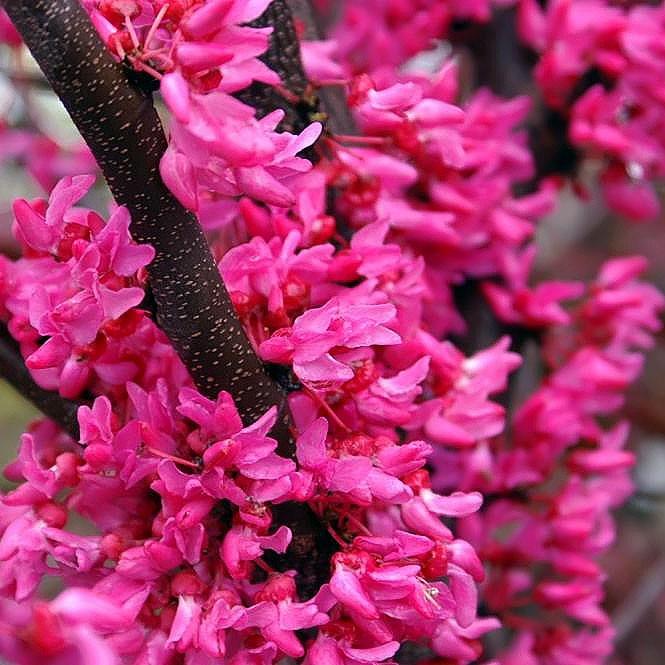
Appalachian Red Redbud
Cercis canadensis 'Appalachian Red'
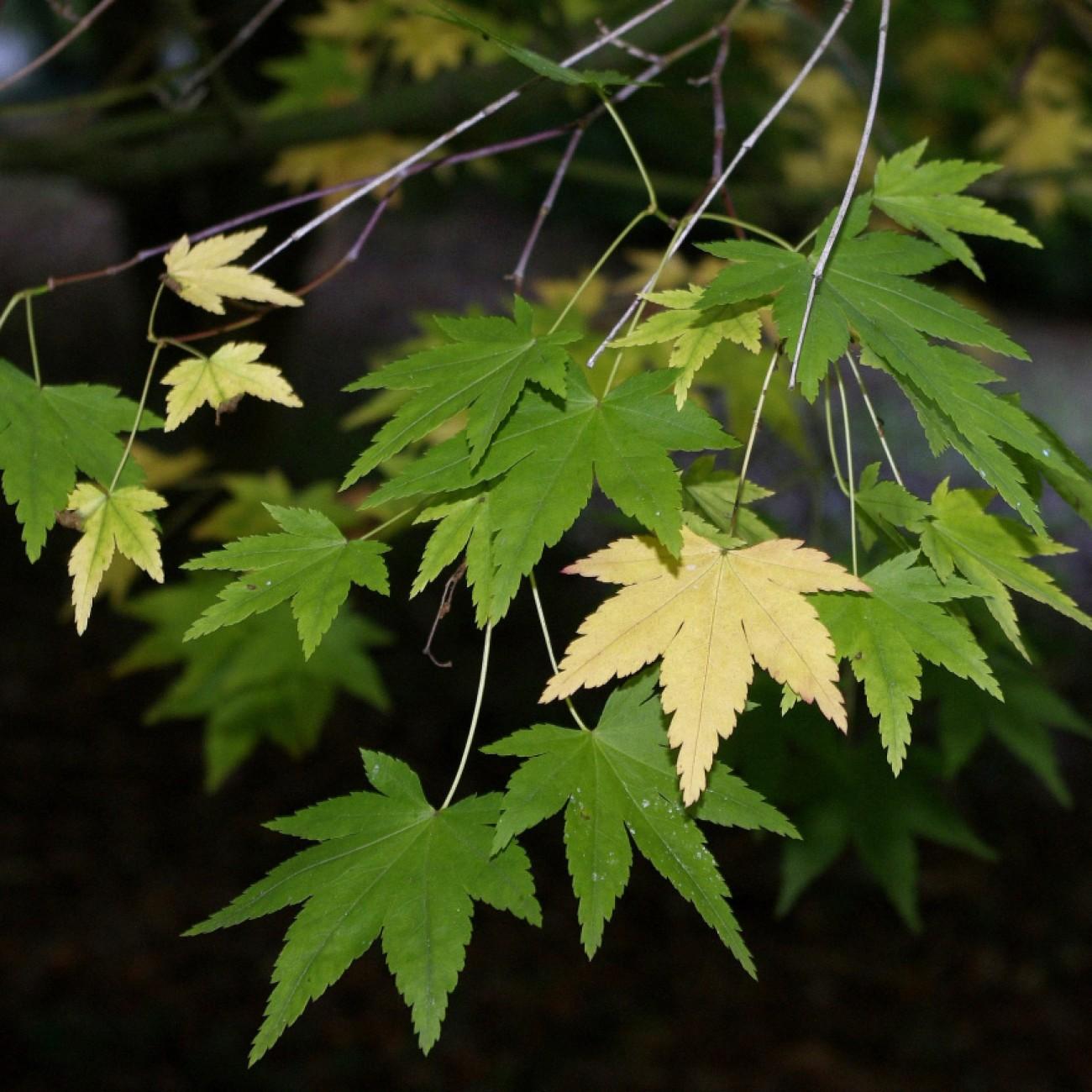
Arakawa Cork Bark Japanese Maple
Acer palmatum 'Arakawa'
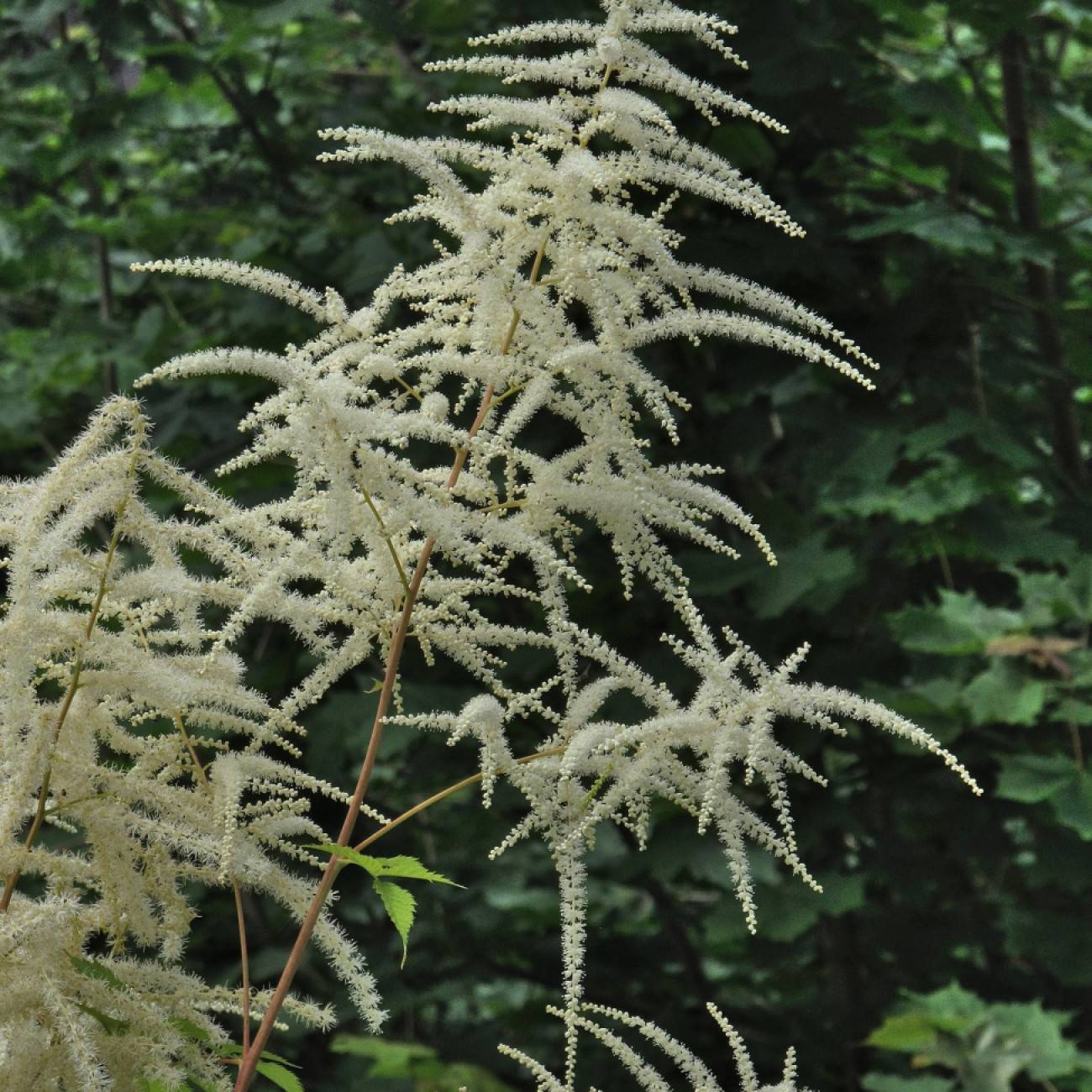
aruncus
Aruncus 'Horatio'
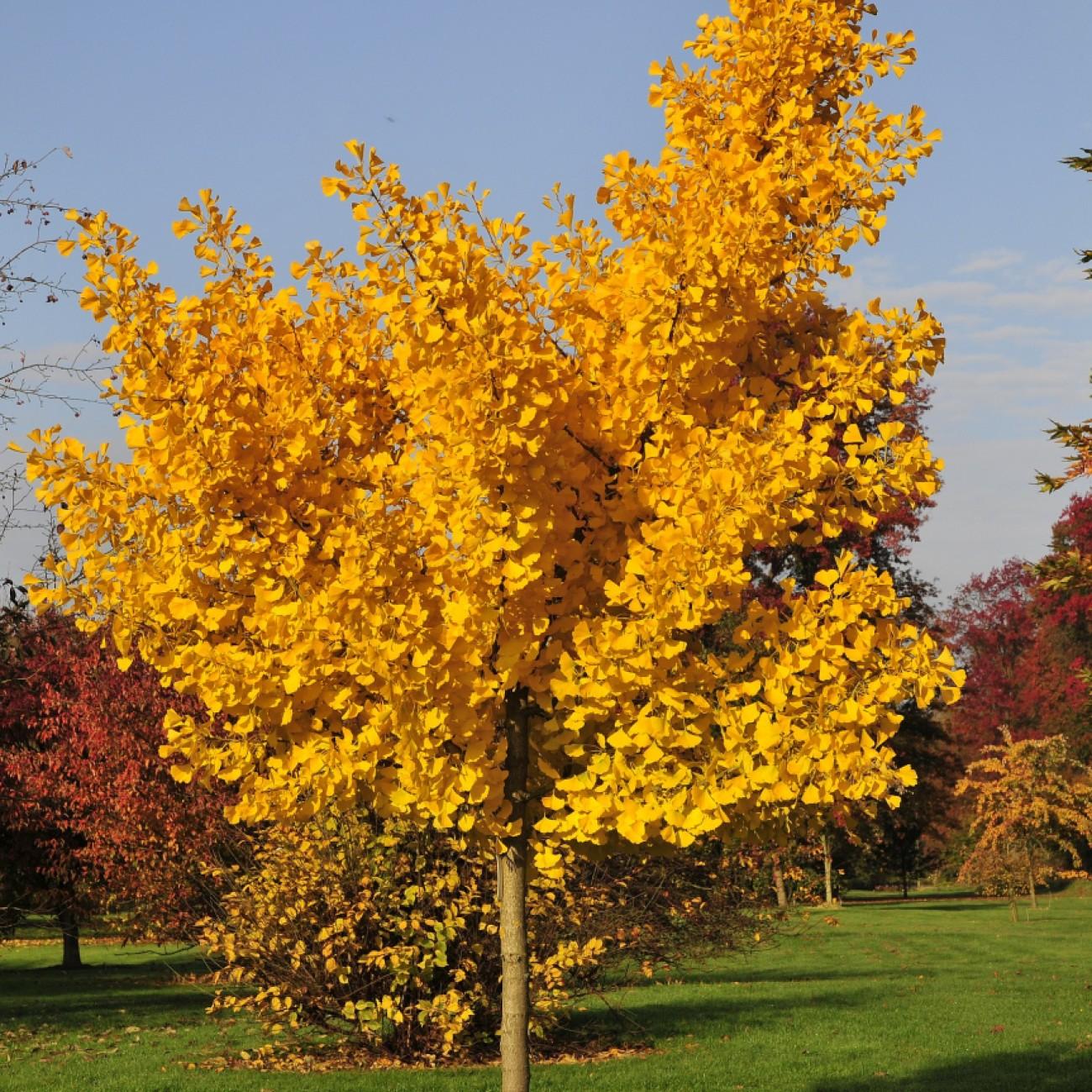
Autumn Gold Ginkgo
Ginkgo biloba 'Autumn Gold'
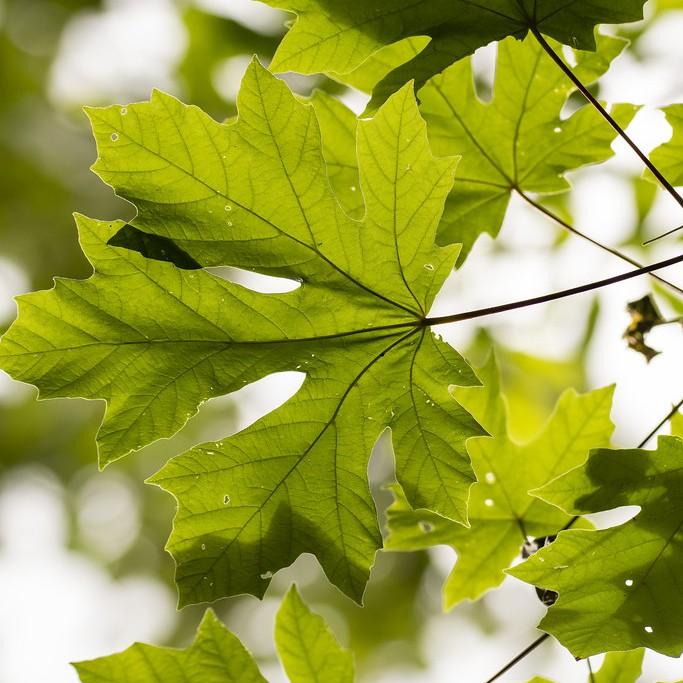
Big Leaf Maple
Acer macrophyllum
Black Gum
Nyssa sylvatica