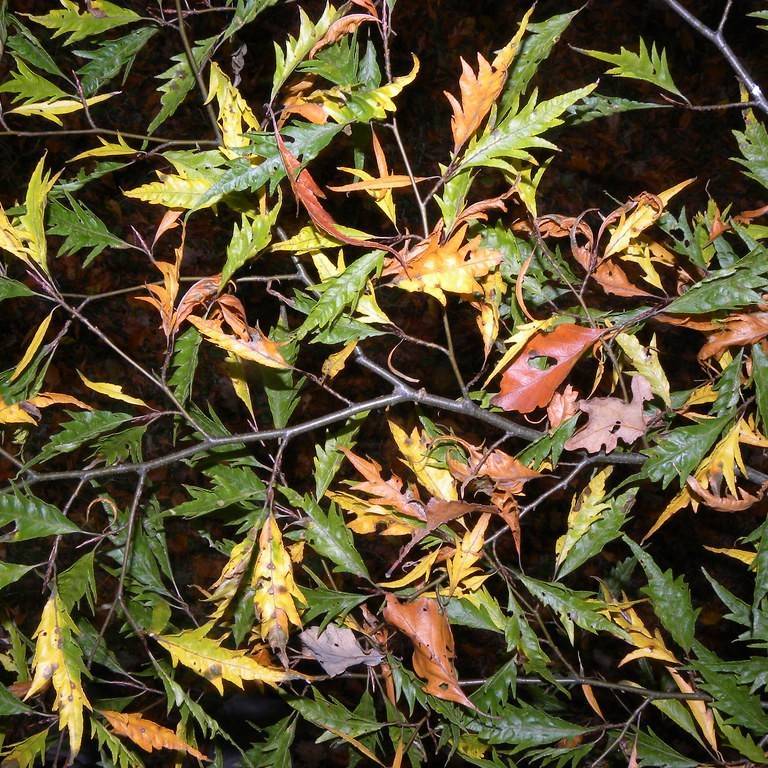
European beech
Fagus sylvatica var. heterophylla 'Aspleniifolia'
Overview
The European beech (Fagus sylvatica var. heterophylla 'Aspleniifolia') is an impressive tree species. With an elegant columnar growth habit, it features attractive smooth bark with attractive wavy foliage. Its foliage consists of fern-like leaves, and in spring it produces a stunning yellow-green bloom. It is a hardy tree, and can tolerate drought, cold temperatures and strong winds. This species is the perfect choice for any landscape, it can provide partial shade and adds a luxurious elegance with its impressive foliage. Its easy maintenance and resistance to diseases makes it a reliable and worthy addition to any garden.
Care Guide
Watering
European beech (Fagus sylvatica var. heterophylla 'Aspleniifolia') requires moderate but consistent watering. It should be watered on a regular basis, once a week or when the top 2-3 inches of soil feels dry to the touch. During hot summer days, increase the frequency of watering to twice a week, and be sure to water deeply. Overwatering a European beech can lead to root rot and other issues, so be sure not to overwater.
Light
European beech (Fagus sylvatica var. heterophylla 'Aspleniifolia') grows best with full to partial sunlight throughout the day. Depending on the climate, this variety of beech will need at least 3 to 5 hours of direct sunlight per day. However, beech tree species can also tolerate light shade, so if your space does not have that much direct sunlight, you can still successfully grow European beech with access to some bright light for 5 or more hours per day. To promote strong growth, it is best to place the beech in the sunniest part of the garden possible.
Soil
Well-drained
Temperature
Hardiness zone 6–6.
Pruning
European Beech should be pruned in late winter, when the plant is dormant. Prune lightly, removing dead branches and thinning out excess growth. Make sure to thin out any stems which cross or rub against each other, or are congested. Beech trees respond well to being pruned, so you can remove up to 30% of the branches to allow more light inside the canopy. Pruning should be done over a few years to ensure the tree remains healthy, only removing deadwood and no more than 30% of the live material each year.
Propagation
Grafting Propagation
Diseases & Pests
Common pests: Rodents, Pest resistant, Disease resistant .
Guides that mention European beech
Related plants
Other plants you might like if you grow European beech.
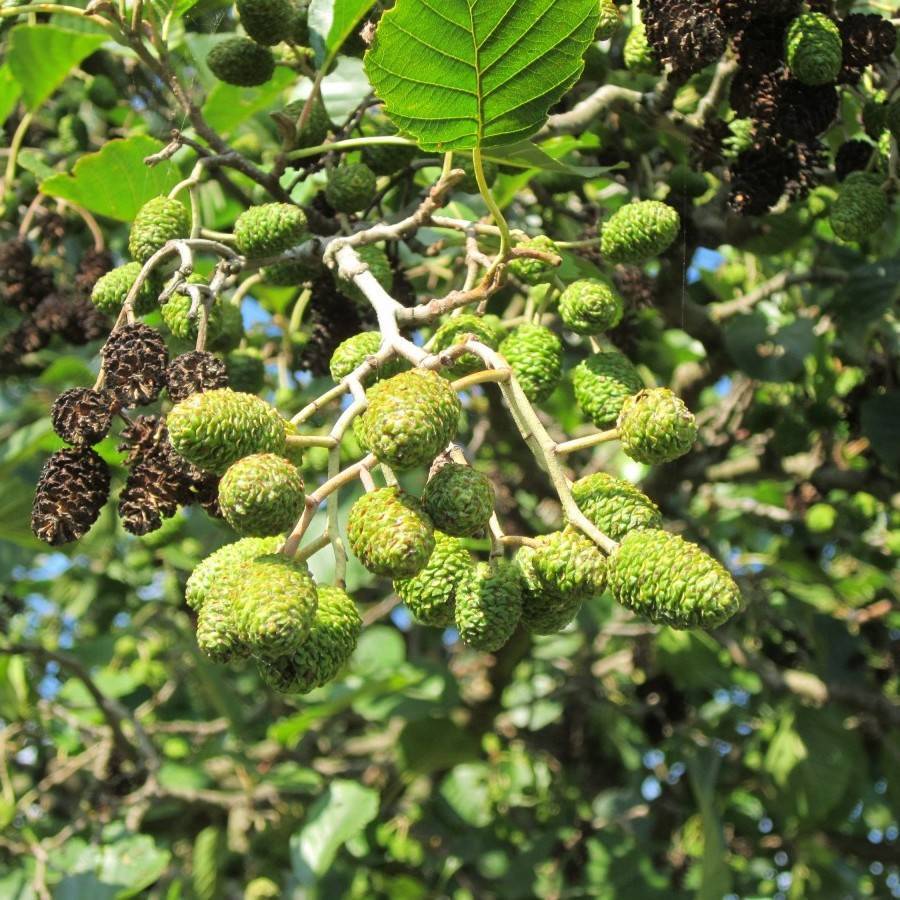
alder
Alnus mayrii
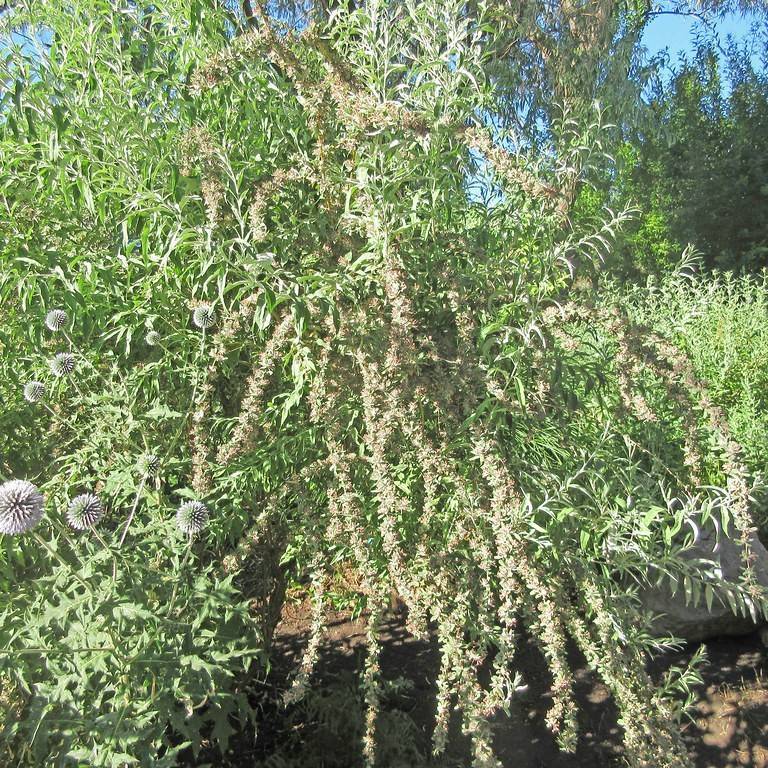
alternate-leaved butterfly bush
Buddleja alternifolia
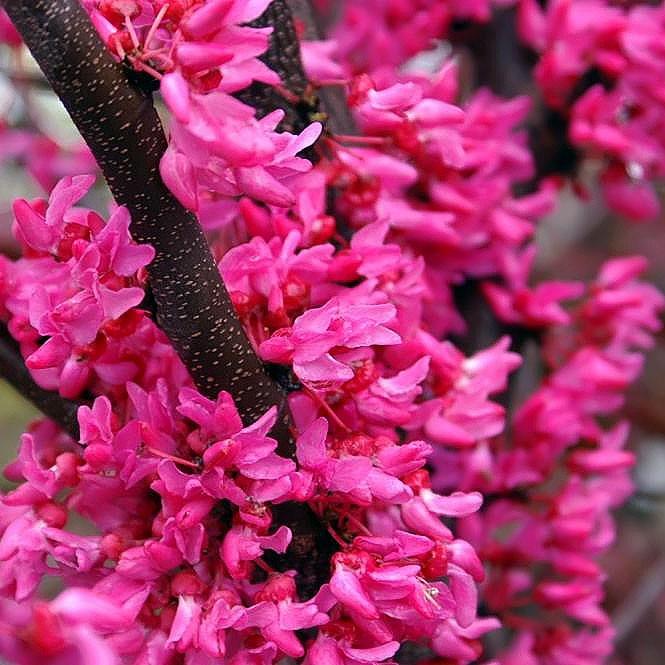
Appalachian Red Redbud
Cercis canadensis 'Appalachian Red'
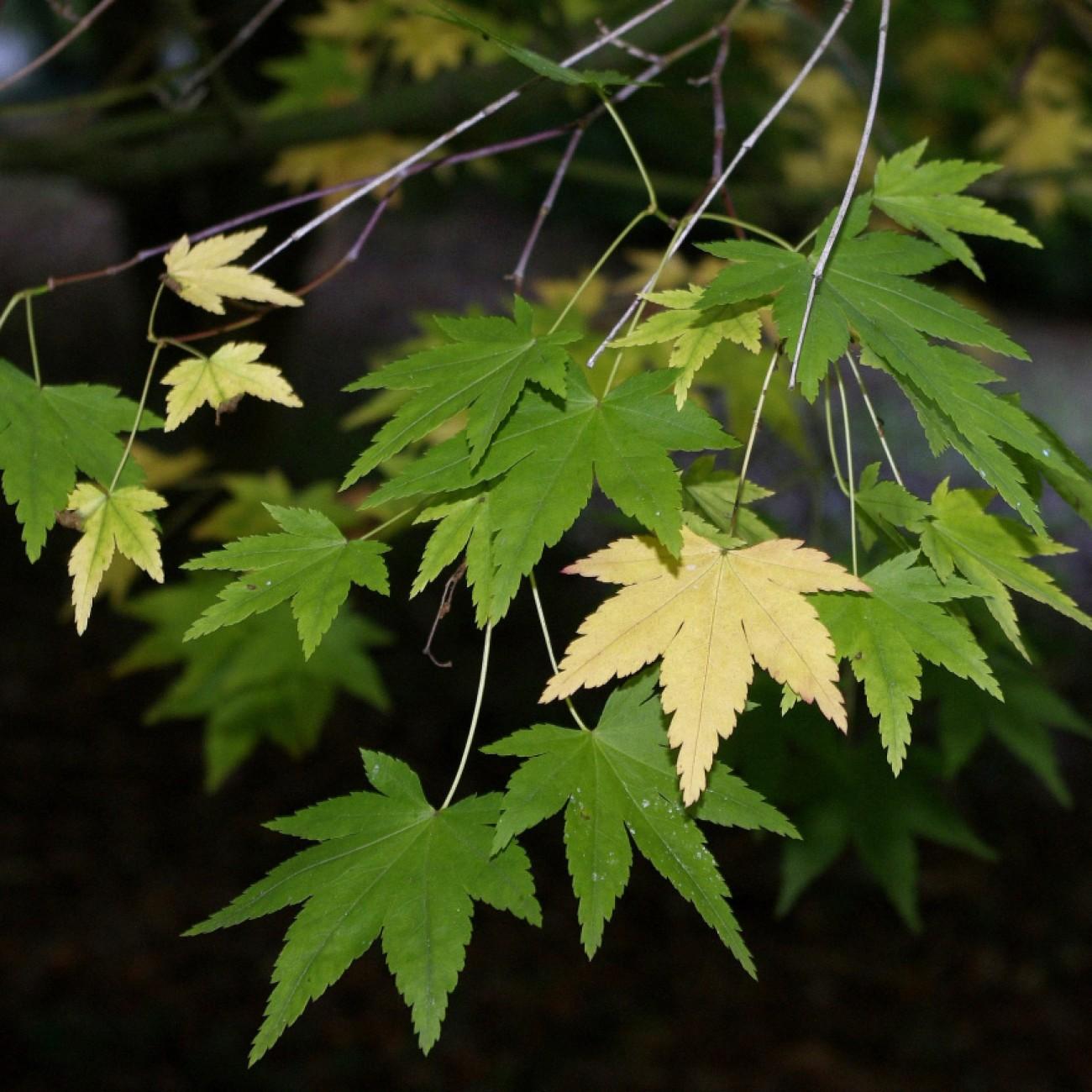
Arakawa Cork Bark Japanese Maple
Acer palmatum 'Arakawa'
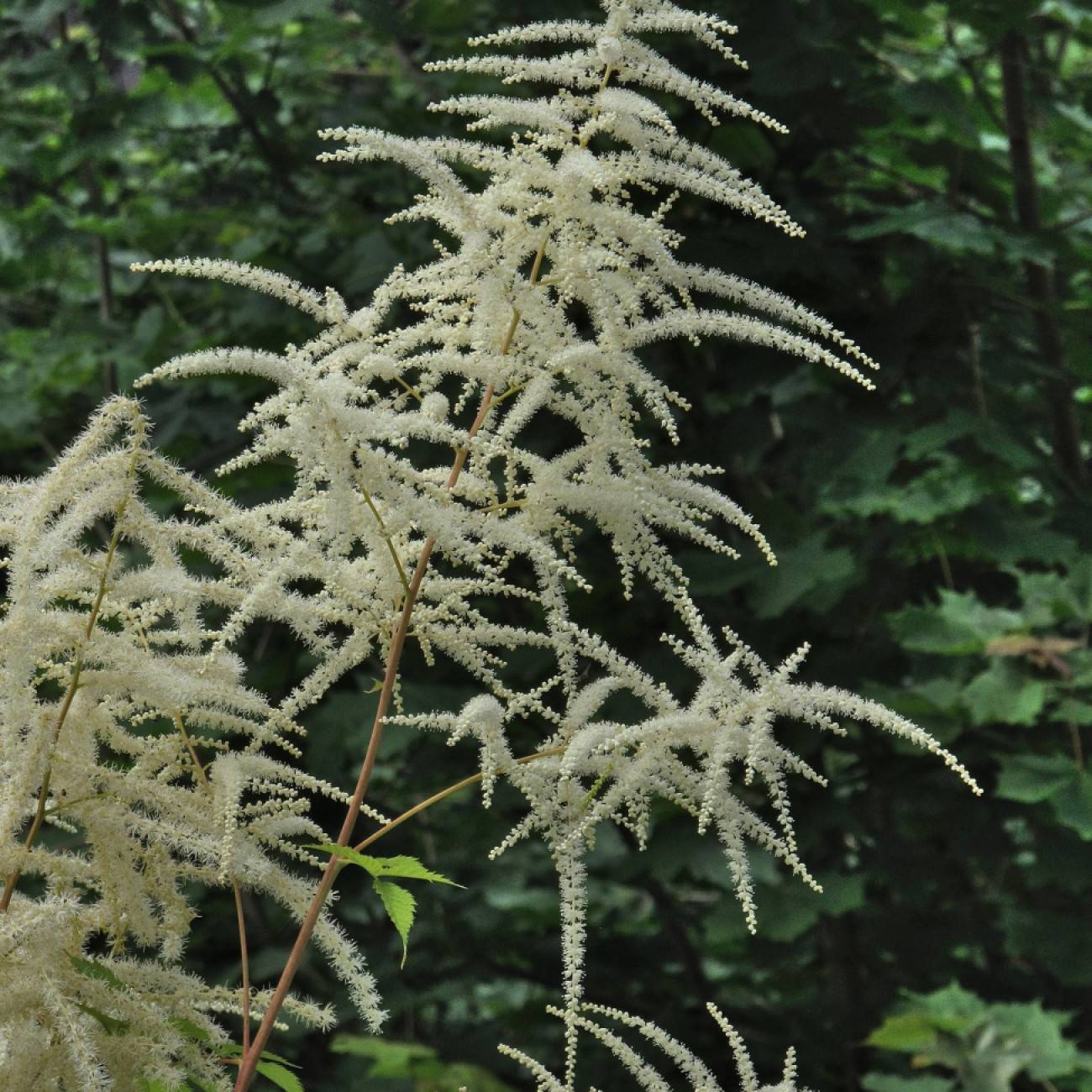
aruncus
Aruncus 'Horatio'
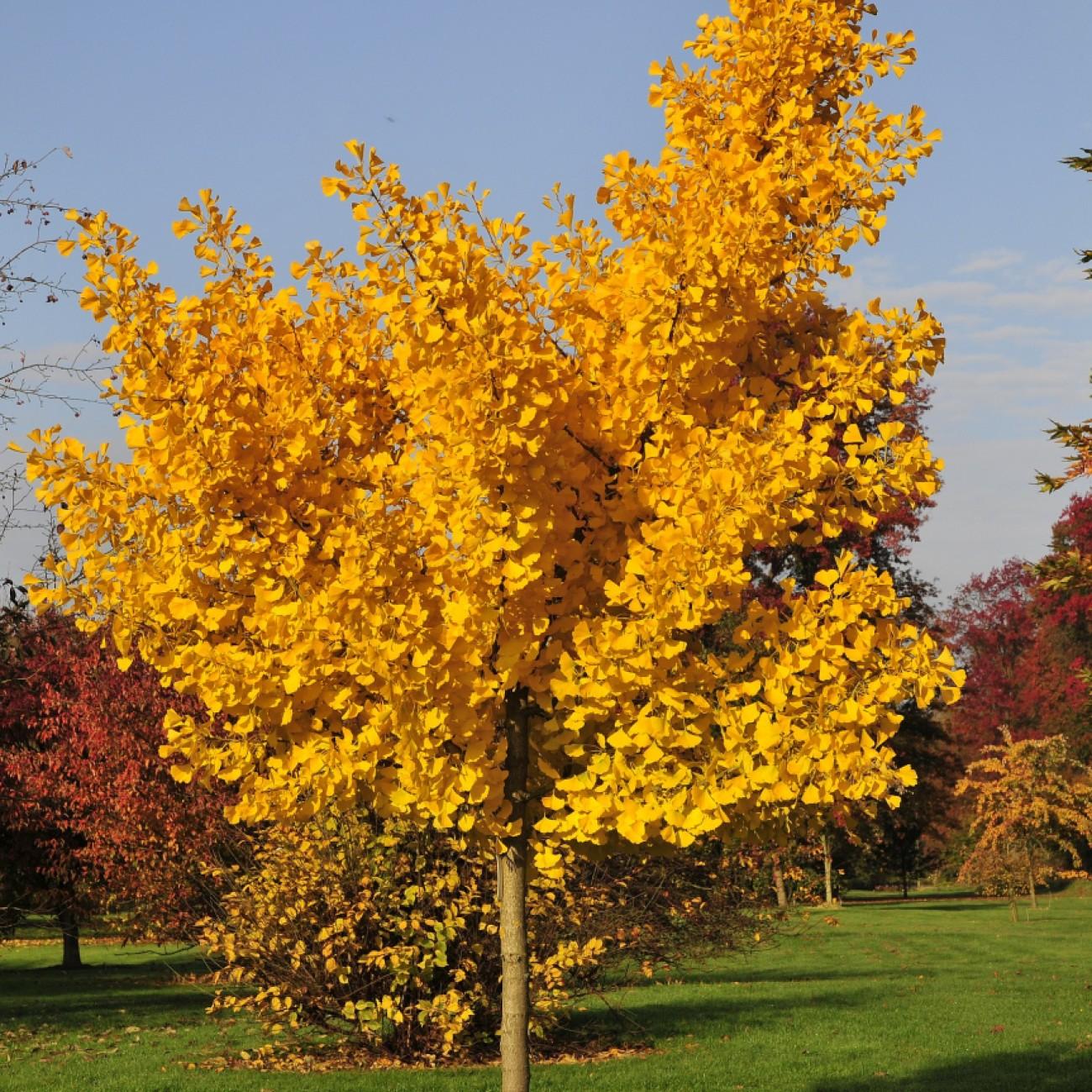
Autumn Gold Ginkgo
Ginkgo biloba 'Autumn Gold'
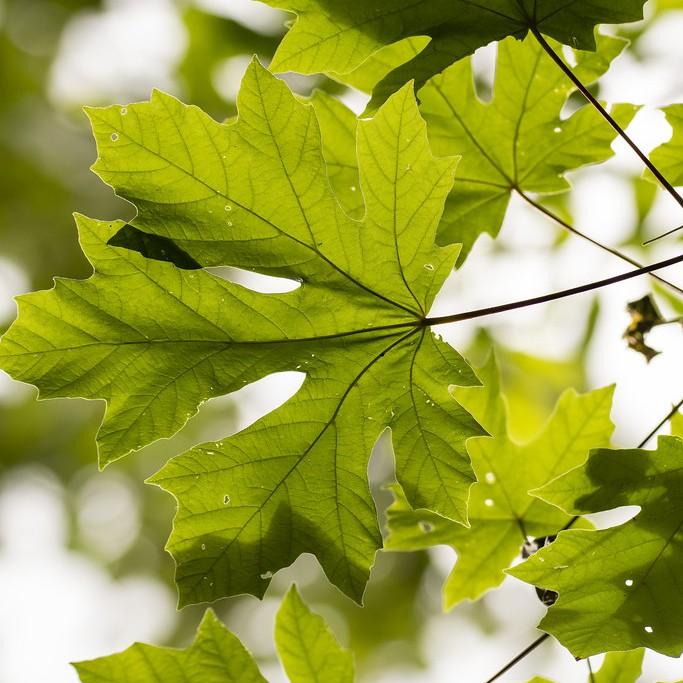
Big Leaf Maple
Acer macrophyllum
Black Gum
Nyssa sylvatica