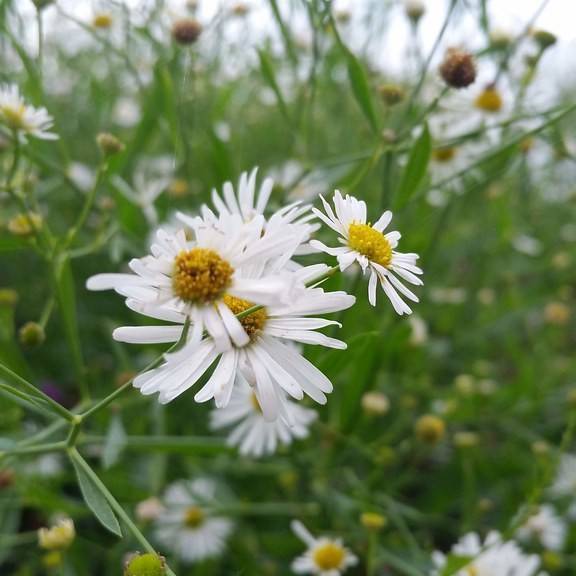
false aster
Boltonia asteroides var. latisquama 'Snowbank'
Overview
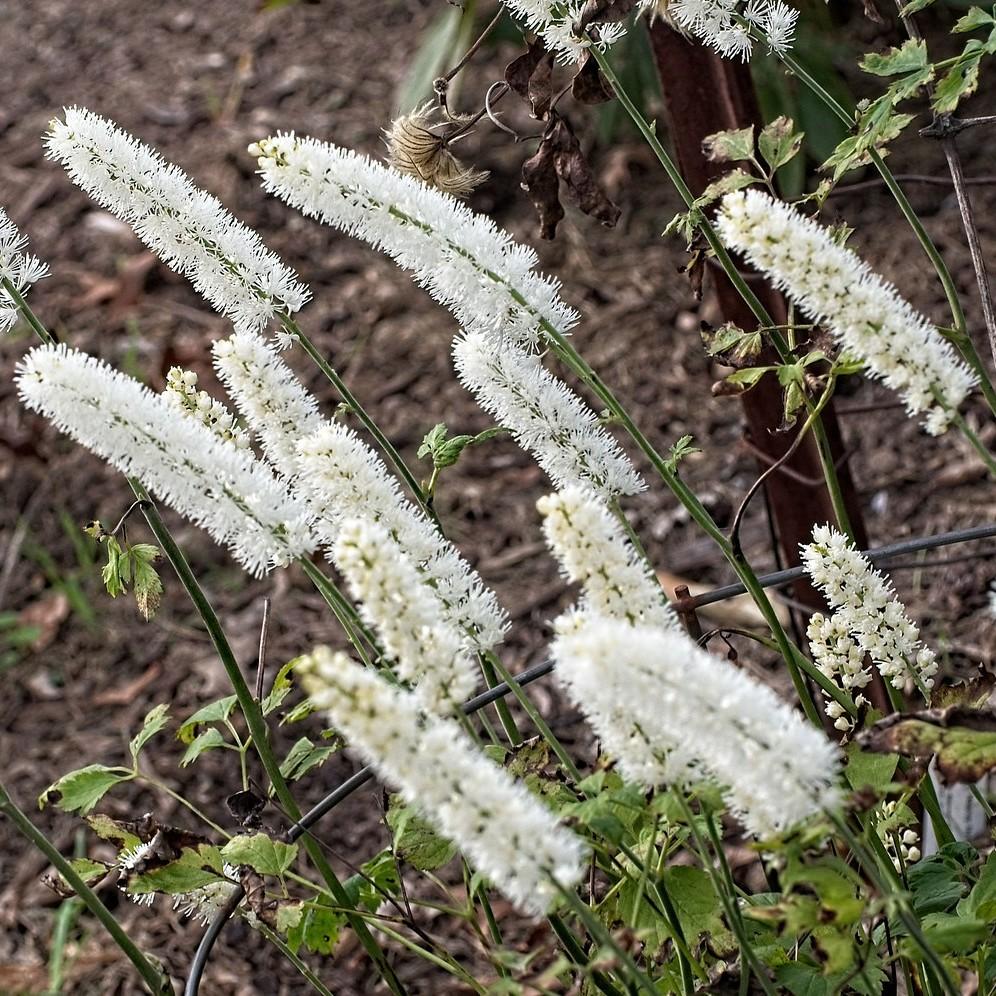
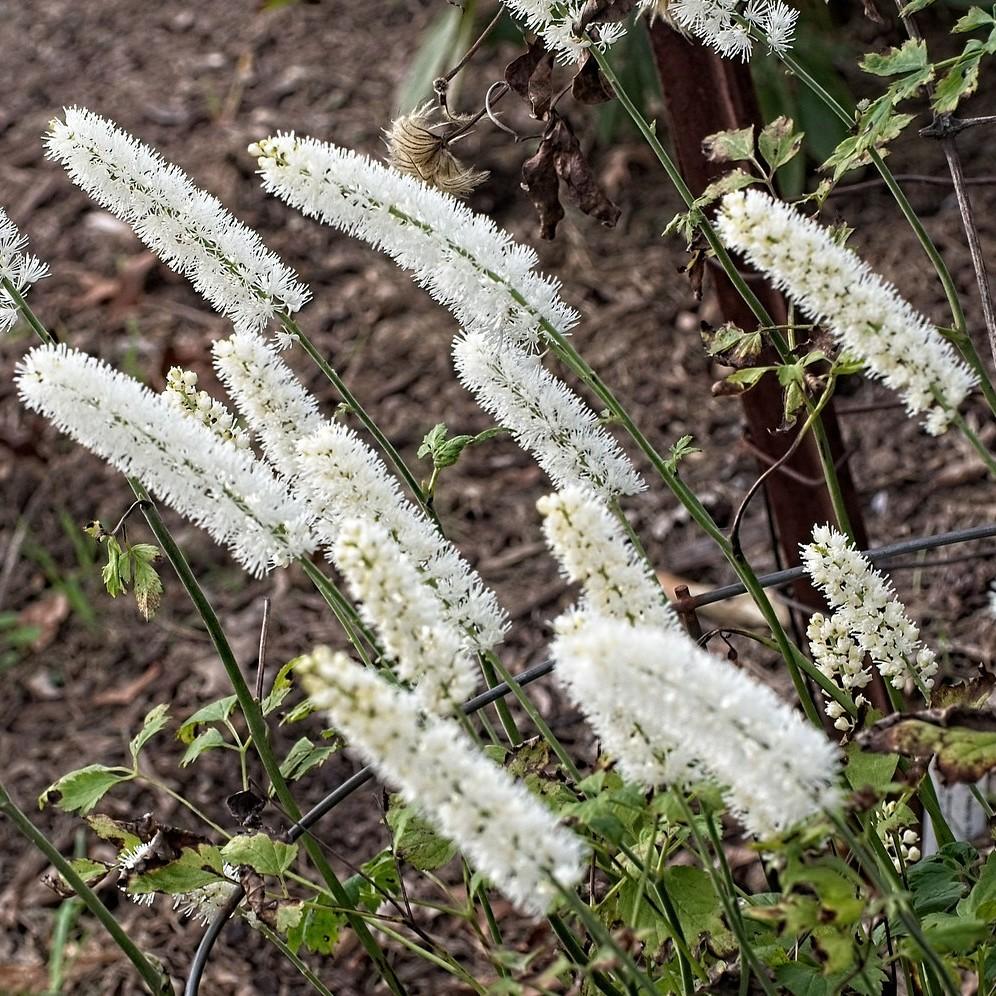
False aster (Boltonia asteroides var. latisquama 'Snowbank') is an amazing plant that has a unique beauty. It is perfect for any autumn garden or flower bed. With dark green foliage and bright white flowers, it adds a splash of colour to any outdoor space. In the early autumn it remains in bloom for several weeks, making it a feature from late summer to late fall. Snowbank has an upright form and grows up to four feet in height. This drought -and deer-resistant plant is easy to maintain and can tolerate wet summers. To top it off, its hardy nature makes it trouble free and easy to grow. False Aster really is an amazing plant that can add beauty to any garden.
Care Guide
Watering
False aster should be watered moderately and consistently. Water thoroughly but not to the point of saturating the soil, and allow the top inch or 2 of soil to dry before watering again. During the summer months, this may require watering once per week in hot, dry climates. In the cooler months, you may be able to reduce watering to once every 2 to 3 weeks. Be sure to monitor the soil moisture level and adjust your watering schedule as needed to ensure your false aster has enough but not too much water.
Light
False aster, also known as Boltonia asteroides var. latisquama 'Snowbank', prefers full to partial sun for optimum growth and blooming. This plant prefers at least 4-6 hours of direct sunlight a day, with 8 hours being ideal for best growth. To ensure a healthy plant, it's important to avoid excessive afternoon sun in hot climates, as this may lead to foliage burn. If necessary, some afternoon shade may be beneficial for the false aster.
Soil
Well-drained
Temperature
Hardiness zone 3–10.
Pruning
False aster should be lightly pruned annually in late winter or early spring before the new growth begins. This will help to rejuvenate the plant, remove any damaged or diseased stems, and encourage increased flowering. All dead and obviously diseased stems should be removed, as well as any stems that have become woody and are no longer flowering. Lightly prune back any stems that have grown too tall or too wide for the desired shape. Pruning false aster back by up to 1-third its original size is generally acceptable.
Propagation
Seed Propagation
Uses & Symbolism
Attracts: Butterflies.
Diseases & Pests
Common pests: Anthracnose, Fungal leaf spot, Mildew, Rust, Pest resistant, Deer resistant, Rabbit resistant, Drought resistant .
Related plants
Other plants you might like if you grow false aster.