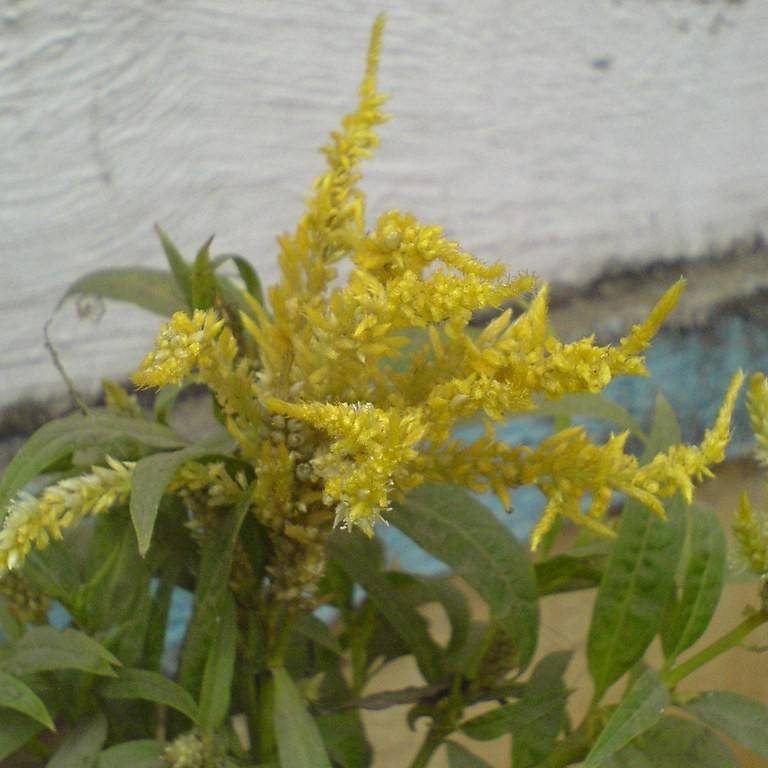
feather celosia
Celosia argentea (Plumosa Group) 'Sylphid'
Overview
Feather celosia (Celosia argentea (Plumosa Group) 'Sylphid') is an amazing plant species. Its plume-like flowers bloom in bright shades of red and pink, adding splashes of color to your garden. On top of its beautiful looks, this species is also low-maintenance, requiring minimal effort to take care of. It can grow in many environments, surviving in various temperatures and light conditions. In hot summer months, it may even need a bit of shade for protection. Its foliage reaches slightly above one foot in height and its bloom time is quite long, stretching months from early summer to early winter. All in all, a truly wonderful plant that is full of vibrant colors and vibrant life.
Care Guide
Watering
Feather celosia (Celosia argentea (Plumosa Group) 'Sylphid') should be watered from the base when the top inch of the soil becomes dry. It should be watered in the morning when temperatures are cooler. Generally, the soil should be kept moist, meaning it will need water every 2-3 days. However, water needs can vary depending on the temperature and air flow of the area. During hotter, drier periods, occasional deep watering can help the soil to retain more moisture. During cooler weather, the soil may need to be watered less often. Never let the soil become soggy as this can cause root rot.
Light
Feather celosia requires full sun (at least 6 hours of direct sunlight) or light, dappled shade, especially in warmer climates. It grows best in temperatures between 70-90°F (21-32°C). It prefers higher humidity and will require frequent watering during the heat of the summer. For maximum flower production, feather celosia will benefit from regular applications of fertilizer throughout the growing season.
Temperature
Hardiness zone 2–11.
Pruning
Feather celosia (Celosia argentea (Plumosa Group) 'Sylphid') should be pruned in late winter or early spring before new growth appears. Remove any dead or damaged wood and trim back overgrown branches. Reduce the stems back to 8–12 inches and deadhead any spent blooms throughout the summer to keep the plant looking tidy and promote repeat bloom. It's best not to prune too heavily as it can reduce the amount of flowers produced.
Propagation
Seed Propagation, Cutting, Division
Related plants
Other plants you might like if you grow feather celosia.