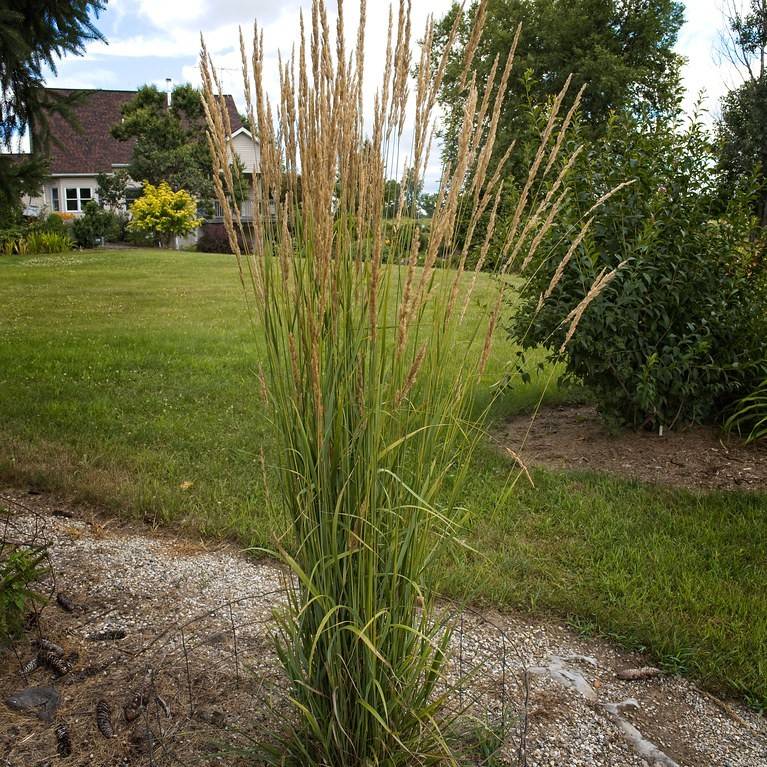
feather reed grass
Calamagrostis acutiflora 'Avalanche'
Overview
Feather reed grass (Calamagrostis acutiflora 'Avalanche') is an amazing ornamental grass with superior winter hardiness and spectacular blooms. It produces billowing, feathery clouds of white inflorescences that mix with its attractive, green foliage and create year-round interest. This grass can tolerate a wide range of soils, and its drought and heat tolerance make it a popular choice for gardens. In fall and winter, the foliage takes on a golden-bronze color for an extra splash of color to the garden. Its upright habit and rapidly spreading nature, make it perfect for mass plantings areas, as well as in containers and around patios. Tough yet attractive, feather reed grass is an excellent choice for gardens.
Care Guide
Watering
Feather reed grass (Calamagrostis acutiflora 'Avalanche') should be watered deeply once a week in the summertime, and once every 2 weeks in the winter. Water thoroughly until the soil is moist throughout the root zone, but not soggy. During hot, dry weather, make sure to water more frequently. This grass is quite tolerant of different moisture levels and will not suffer if it experiences drought.
Light
Feather reed grass (Calamagrostis acutiflora 'Avalanche') grows best in full sun (at least 6 hours of direct sunlight per day). Ideally, this plant species should be placed in a sunny spot where it can get morning sun as well as afternoon sun. It will tolerate partial shade, but will not grow as vigorously and may not flower as prolifically. With too little sun, the foliage may become limp and loose its upright habit and the plant's health may suffer.
Temperature
Hardiness zone 5–9.
Pruning
Feather reed grass (Calamagrostis acutiflora 'Avalanche') should be pruned annually in late winter or early spring, before new growth begins in late spring. Most of the clumps should be pruned back by 1/2 to 2/3 of their height, leaving only 3-4 inches of growth. For very large clumps, cut further back and leave only 6-12 inches of growth. This will encourage the grass to send up more shoots from the base and promote more air circulation and light penetration to the center of the clump. Dead foliage may also be removed at this time. This species also benefits from a light shaping in early summer. As flowers fade, the inflorescences should be cut back to the foliage base to maintain the plants' neat appearance.
Propagation
Division, Seed Propagation, Cutting, Layering Propagation
Related plants
Other plants you might like if you grow feather reed grass.
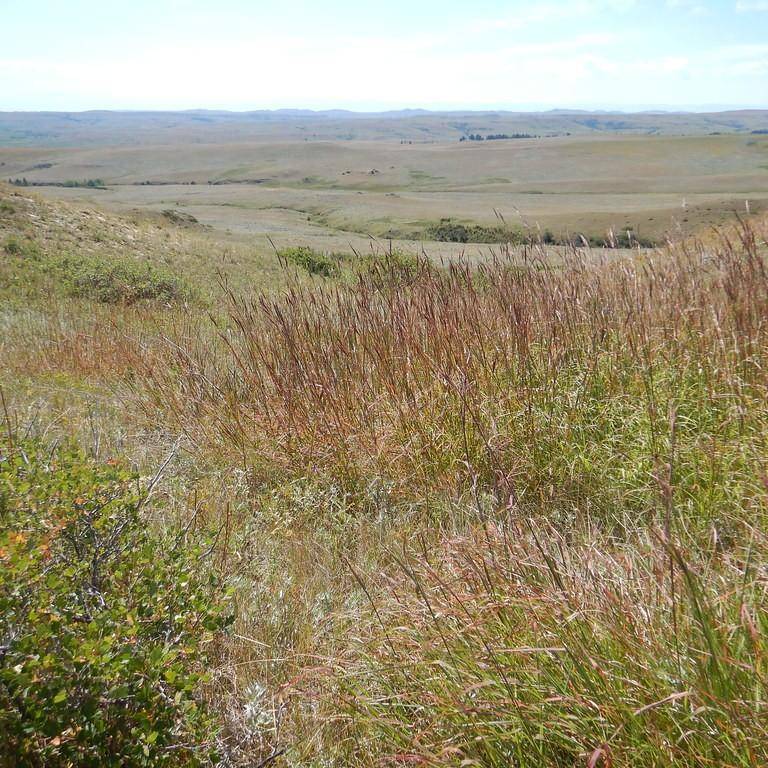
big blue stem
Andropogon gerardii
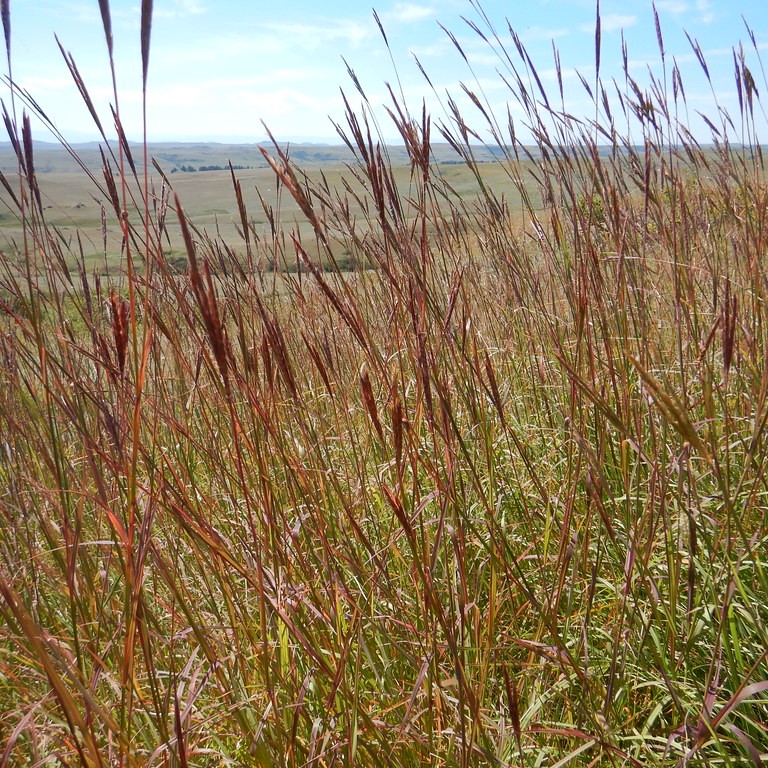
bluestem
Andropogon capillipes 'Valdosta Blue'
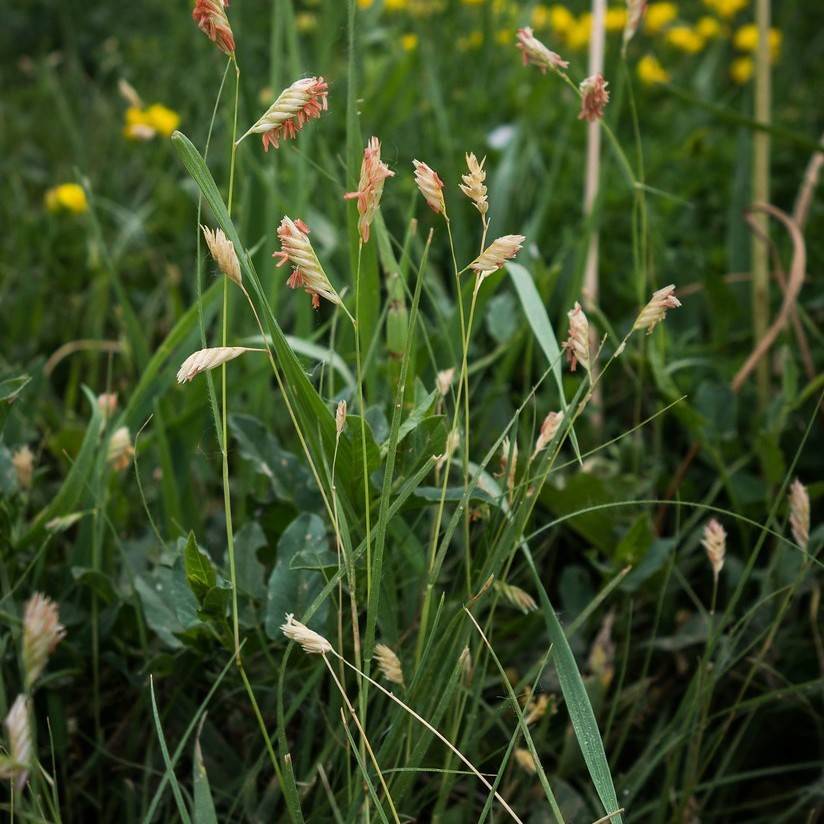
buffalo grass
Buchloe dactyloides 'Sharp's Improved'
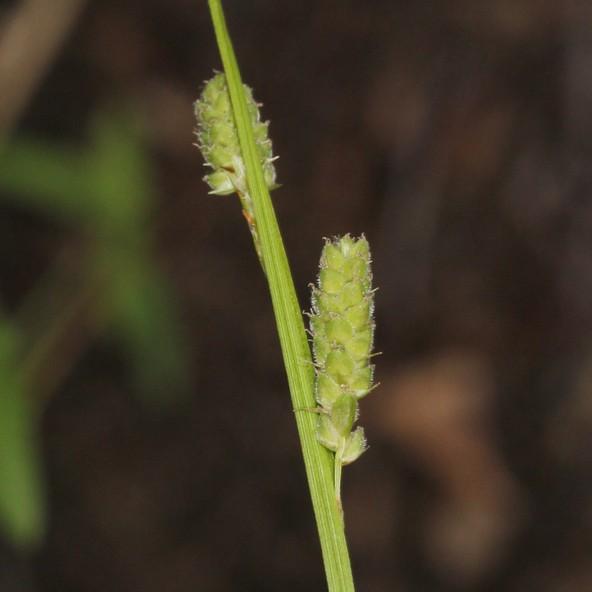
Bush's sedge
Carex bushii
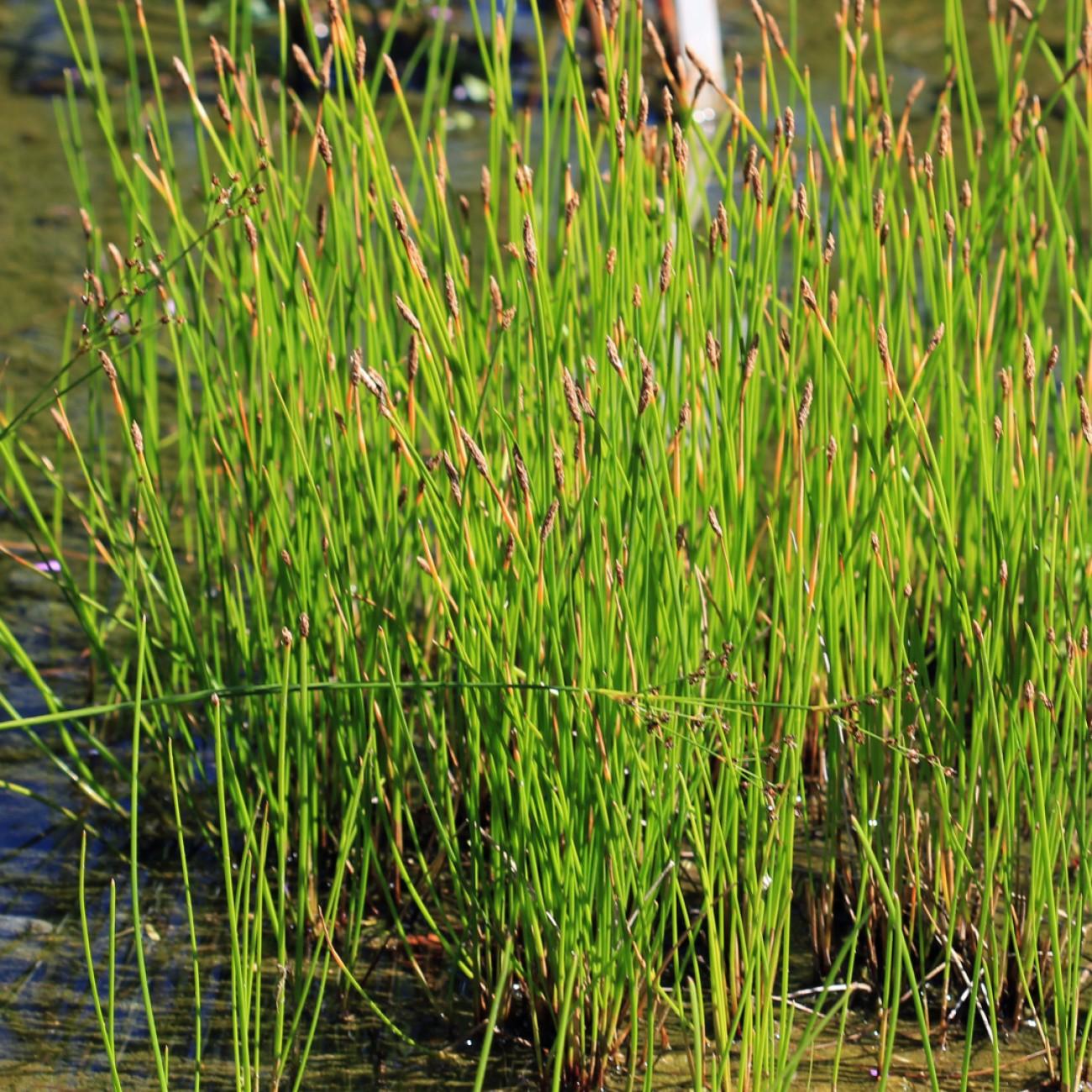
Chinese water chestnut
Eleocharis dulcis
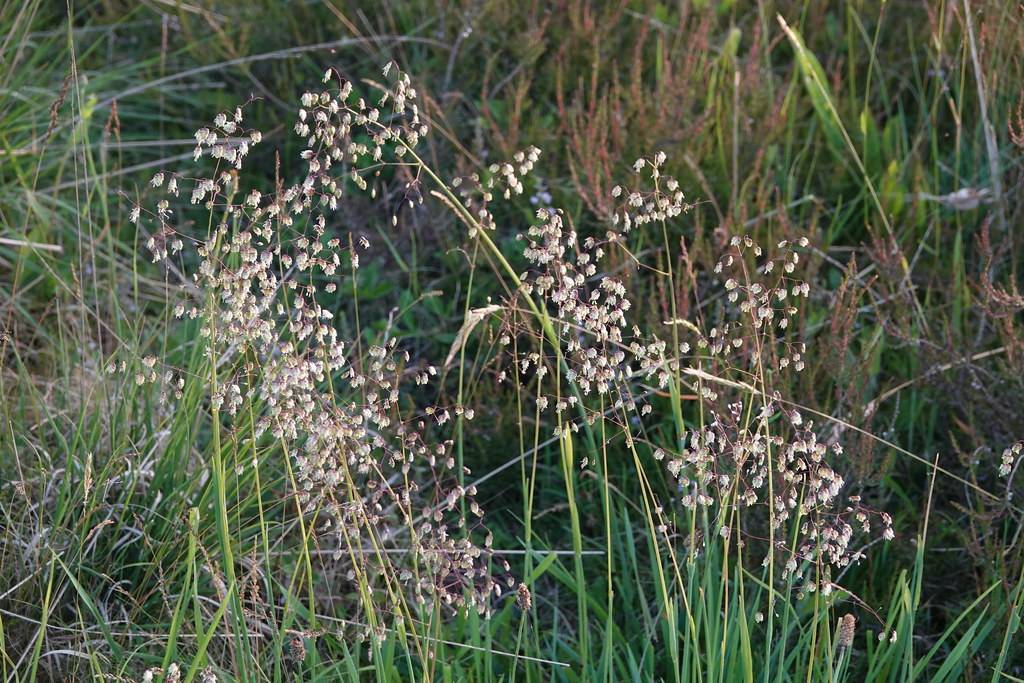
common quaking grass
Briza media
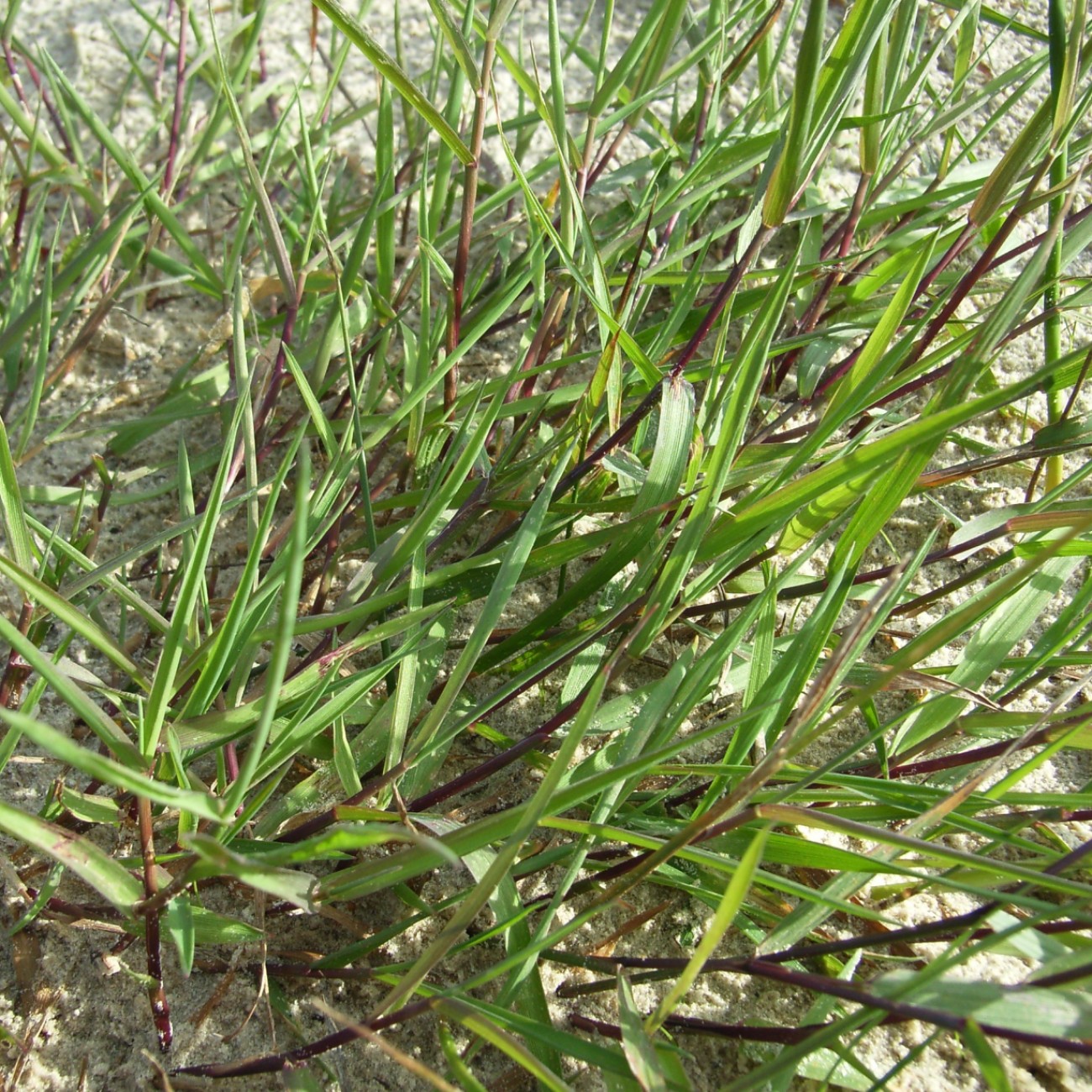
creeping bent grass
Agrostis palustris NO MOW
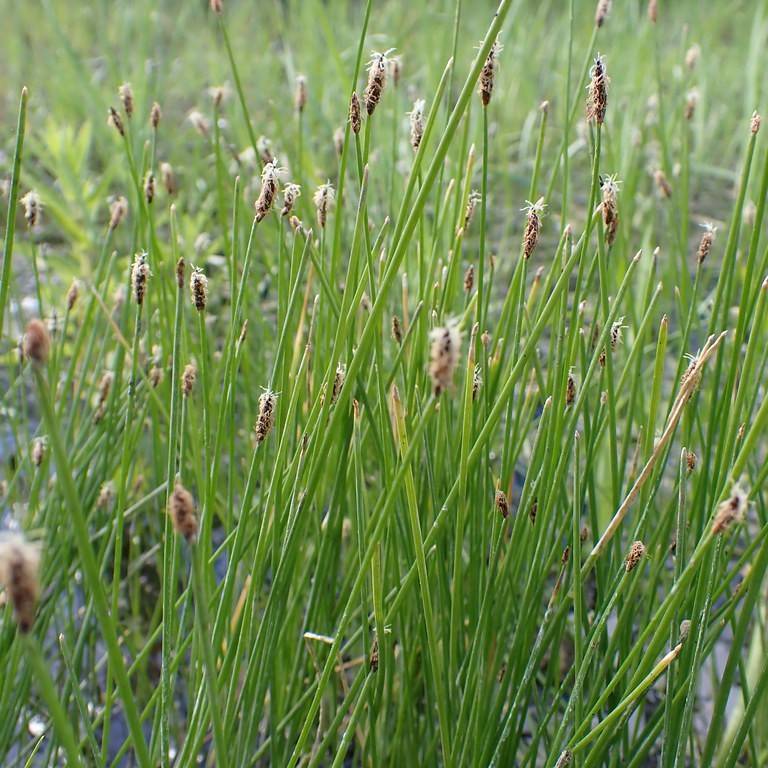
creeping spike rush
Eleocharis palustris