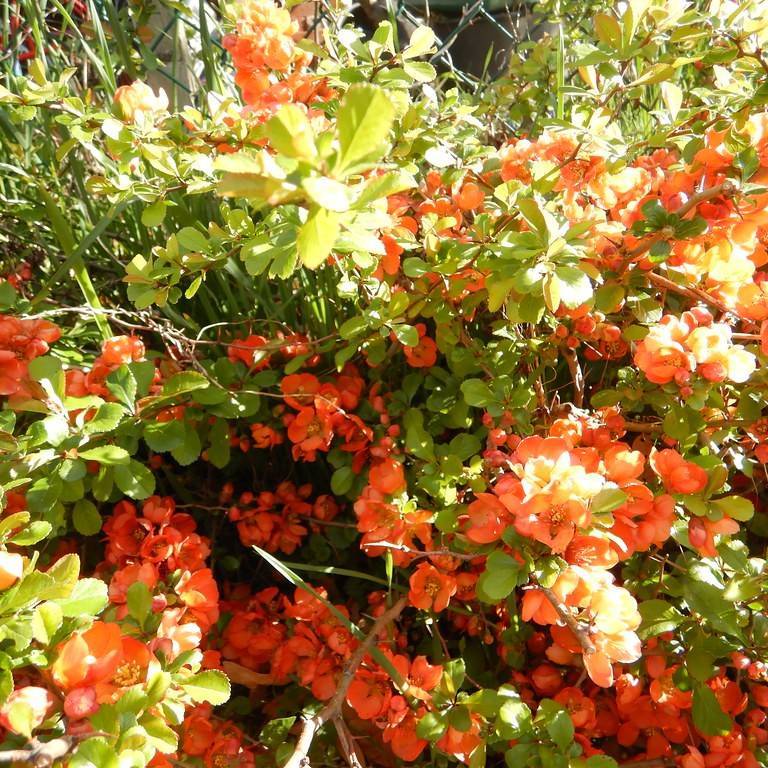
flowering quince
Chaenomeles 'Pink Storm'
Overview
Flowering quince (Chaenomeles 'Pink Storm') is an amazing plant species for many reasons. Its dazzling pink double flowers emerge early in the season, providing a burst of color even before the leaves appear in late spring. The bright flowers and deep green foliage stand out spectacularly against a winter landscape, while the lovely fruit of the plant can be used for a range of culinary purposes. The hardy plant can tolerate cold and drought once established, making it an easy to care for option that adds beauty and color to any garden.
Care Guide
Watering
Flowering quince (Chaenomeles 'Pink Storm') should be watered twice per week when grown in fertile, well-drained soil. Water deeply, using about 1 inch of water each time. Wait for the soil to dry out in between waterings, giving it a chance to recover. Be sure not to allow the roots to become oversaturated, as this can lead to root rot and other issues. Flowering quince is moderately drought tolerant, so if you’re concerned about overwatering, simply wait until the top inch of soil is dry before watering again.
Light
This flowering quince plant species, Chaenomeles 'Pink Storm', should be grown in full sun for optimal flowering and fruit production. During the hottest months of the year, it may require some protection from the afternoon sun to prevent scorching. At least 6 to 8 hours of direct sun each day should suffice. During the spring and fall season, full sun is recommended to keep the plant healthy and promote optimal flower production. When temperatures dip below freezing, it is advised to provide some protection from the colder temperatures by providing some shelter.
Temperature
Hardiness zone 5–9.
Pruning
Flowering quince (Chaenomeles 'Pink Storm') should be pruned in early spring prior to any new growth. This will help shape the plant and limit its size. Pruning should consist of removing any dead or diseased branches, along with any shoots growing from the trunk or from old wood. After this, thin out the bush by taking out any crossing or crowded branches that block light and air from getting to the inner foliage. Lastly, remove any errant branches that may be growing out in odd directions.
Propagation
Grafting Propagation, Layering Propagation, Cutting, Division, Seed Propagation
Related plants
Other plants you might like if you grow flowering quince.
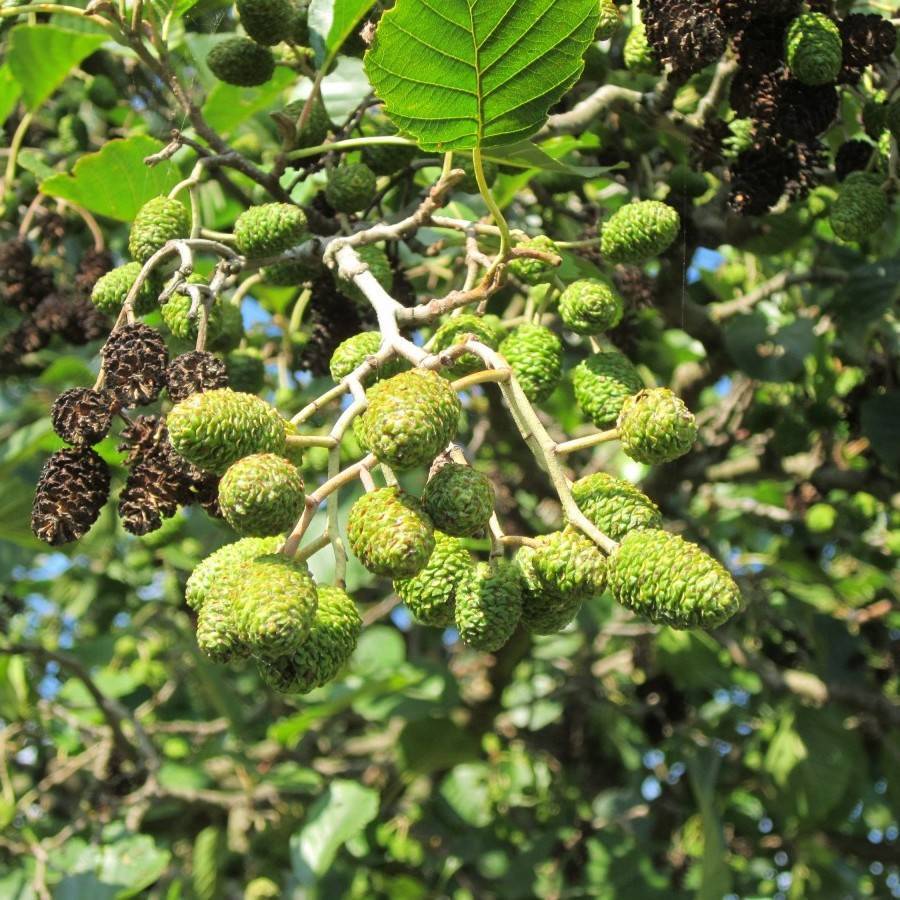
alder
Alnus mayrii
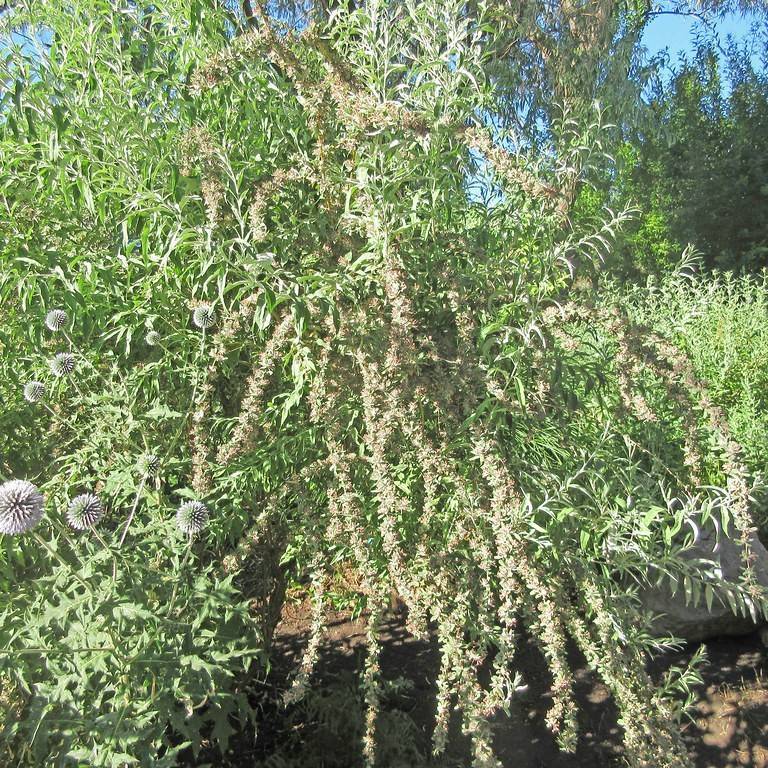
alternate-leaved butterfly bush
Buddleja alternifolia
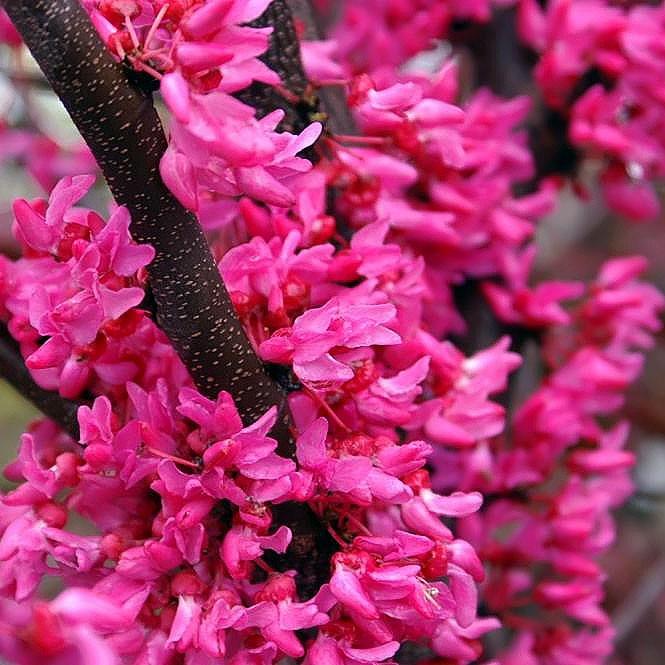
Appalachian Red Redbud
Cercis canadensis 'Appalachian Red'
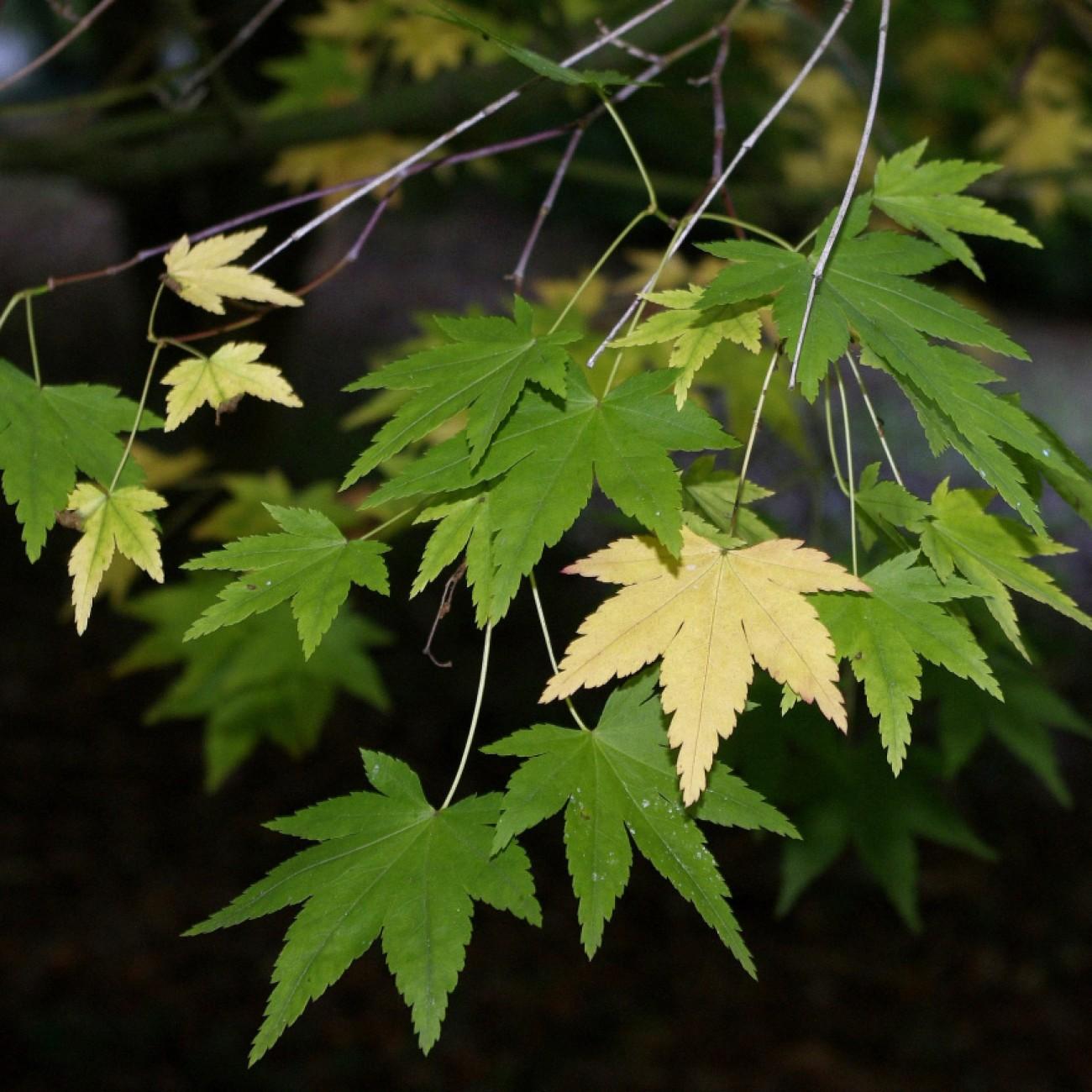
Arakawa Cork Bark Japanese Maple
Acer palmatum 'Arakawa'
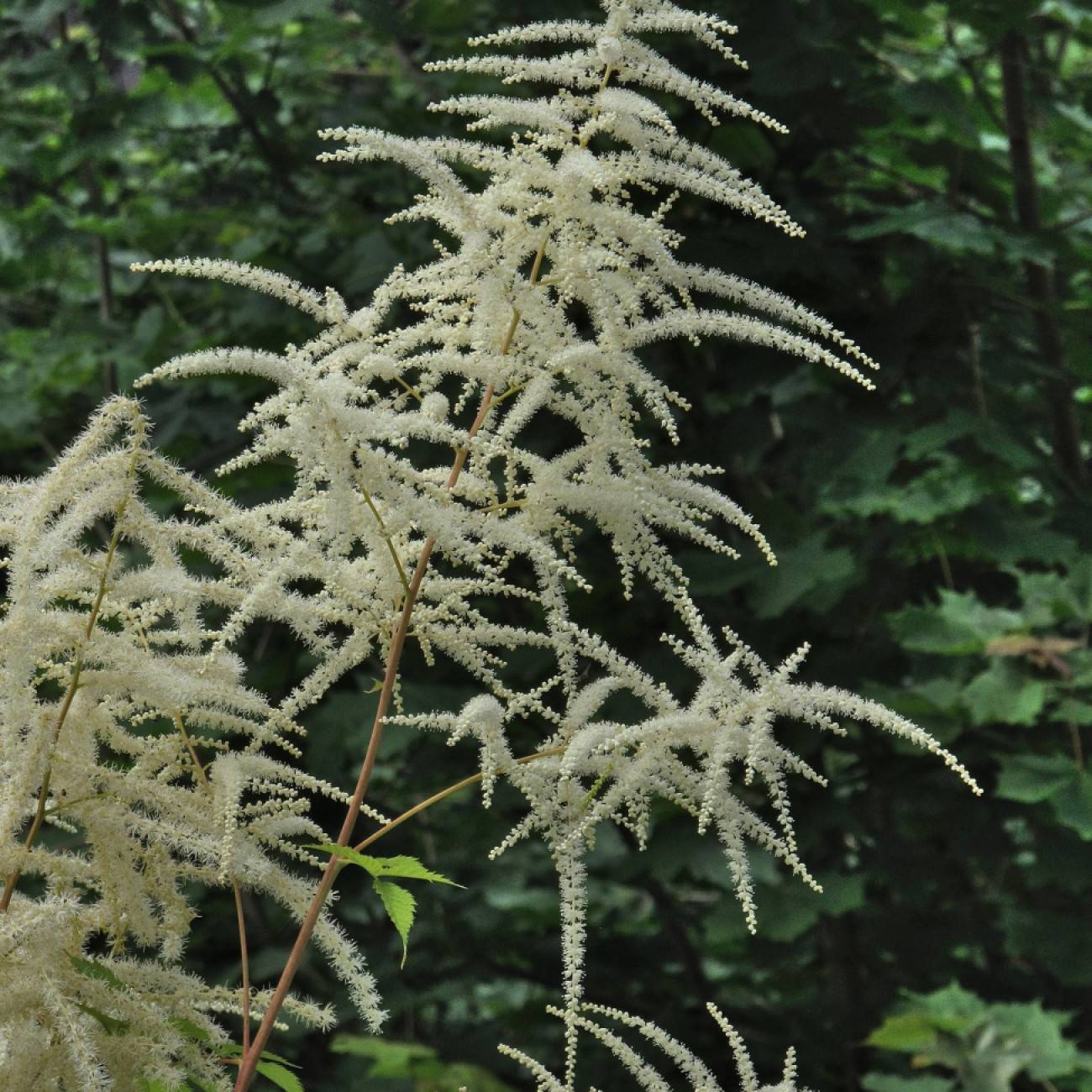
aruncus
Aruncus 'Horatio'
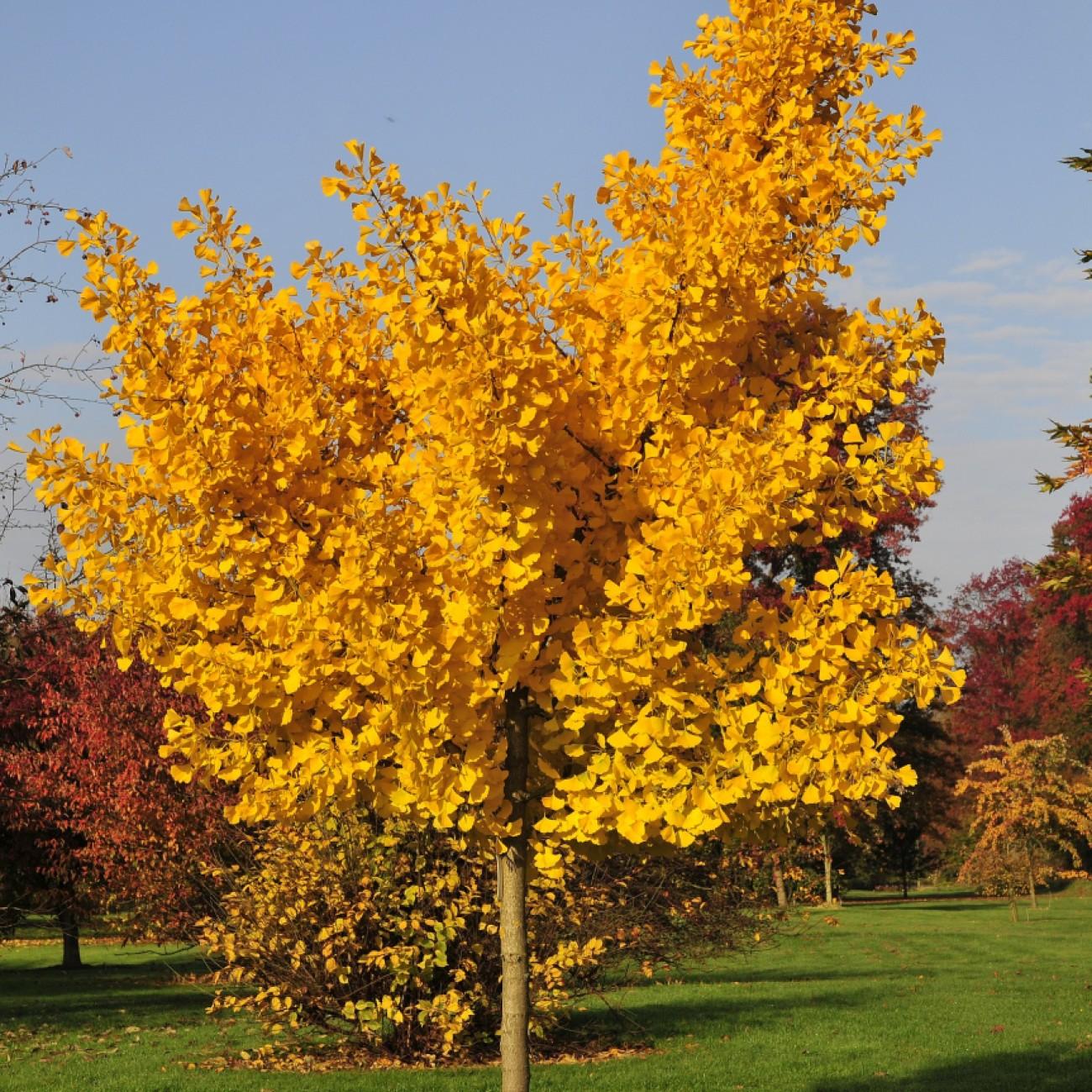
Autumn Gold Ginkgo
Ginkgo biloba 'Autumn Gold'
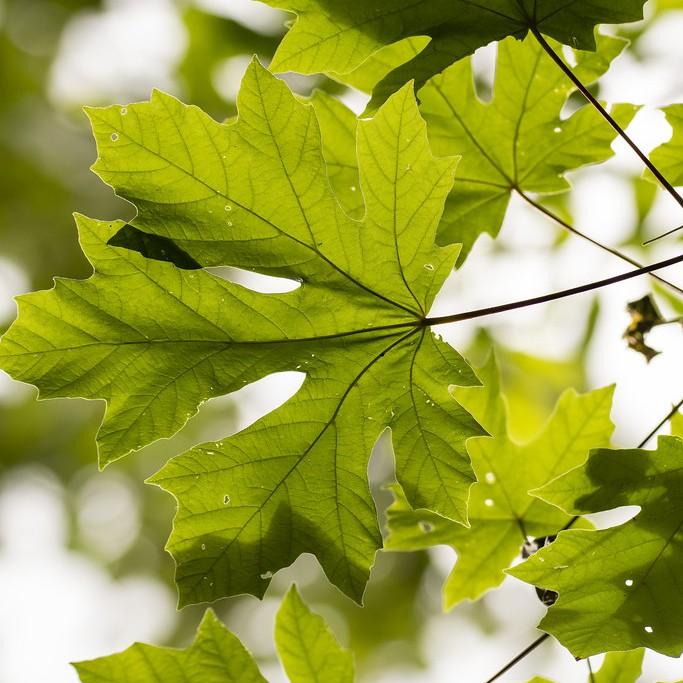
Big Leaf Maple
Acer macrophyllum
Black Gum
Nyssa sylvatica