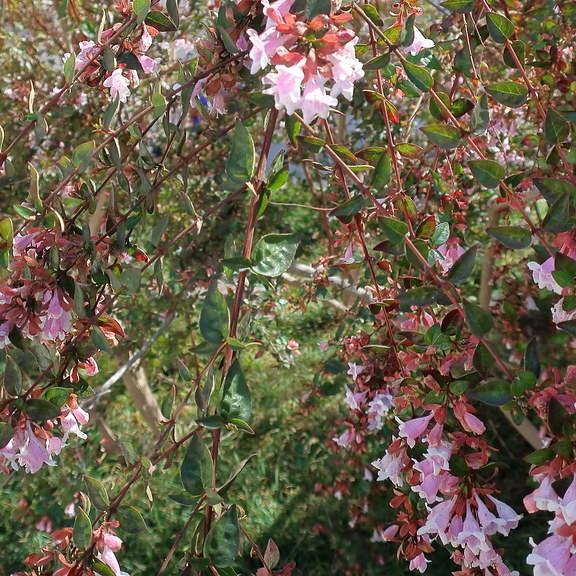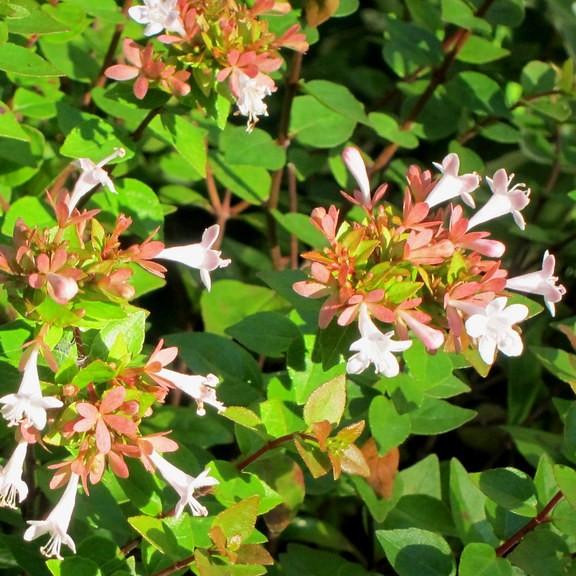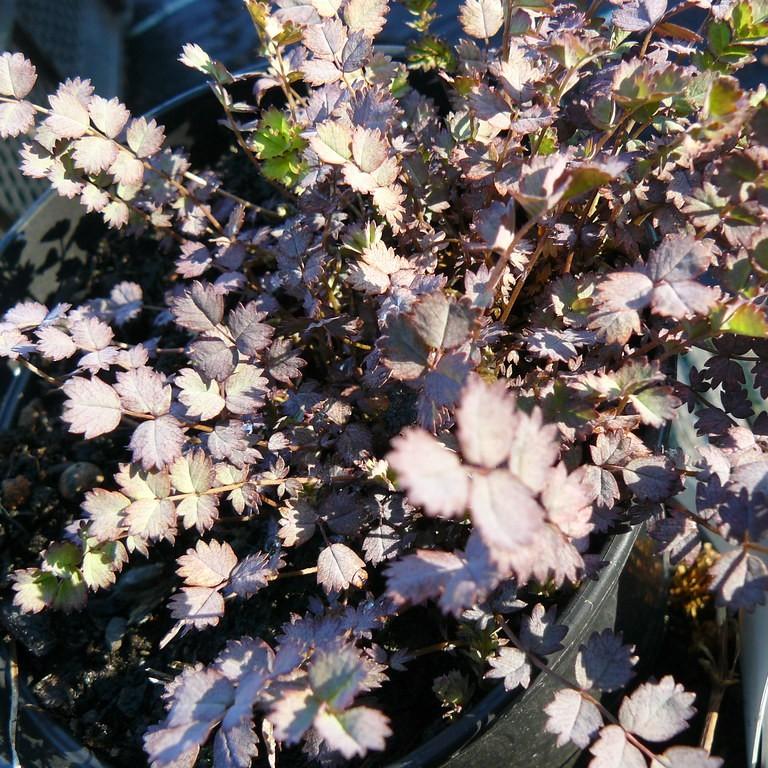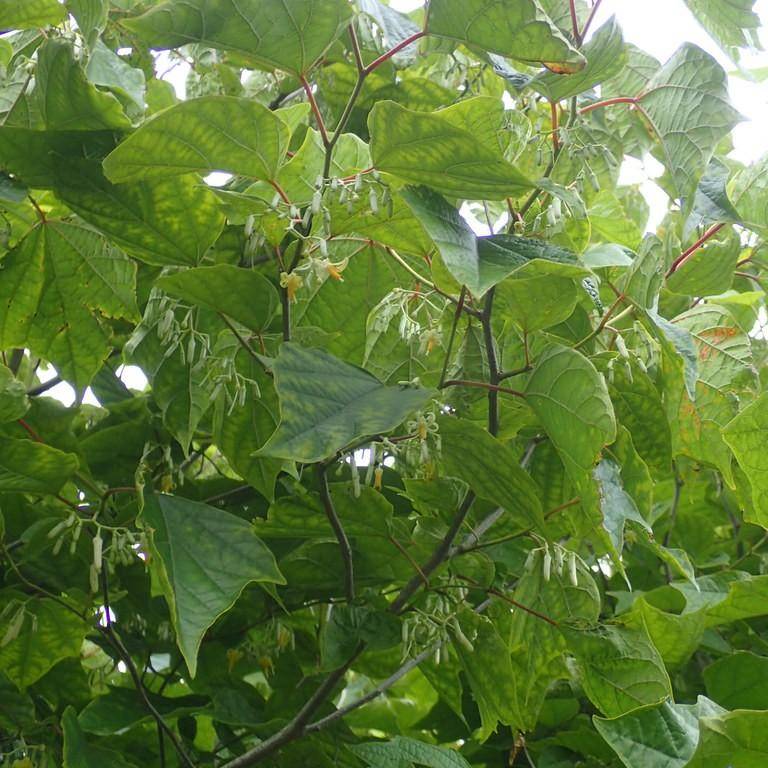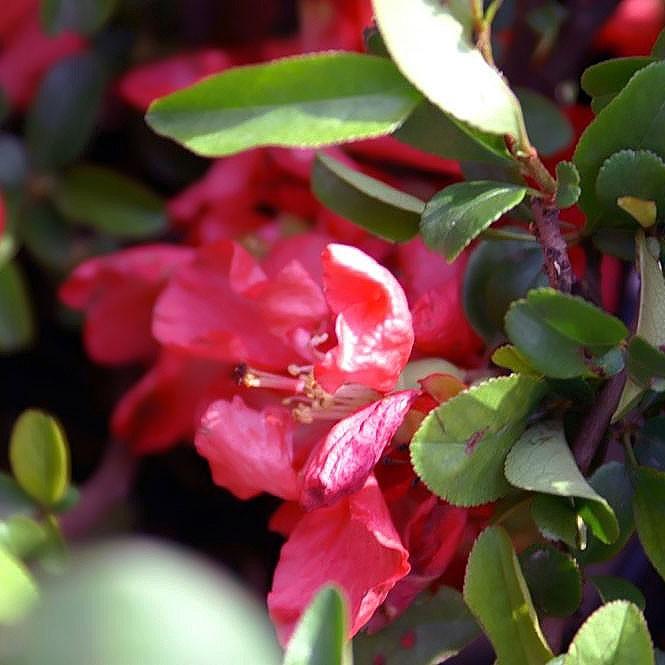
flowering quince
Chaenomeles superba 'Texas Scarlet'
Overview
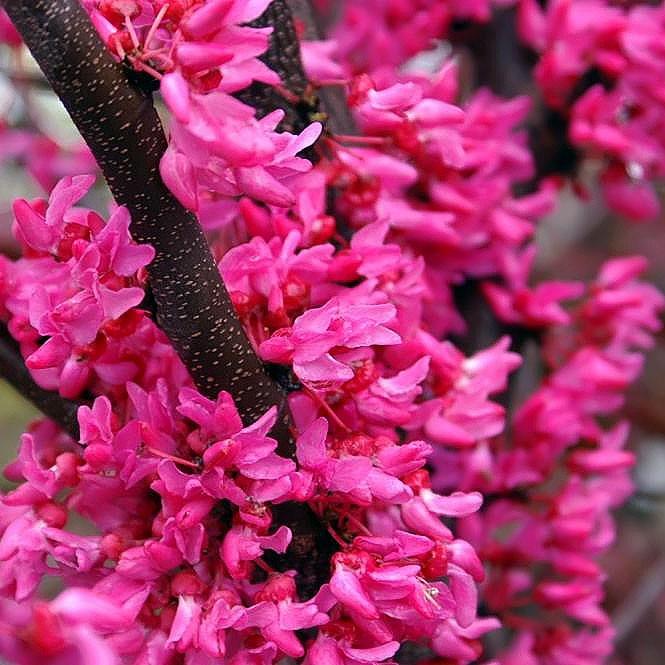
Flowering quince (Chaenomeles superba 'Texas Scarlet') is an amazing plant. Its vibrant red blooms stand out beautifully against lush green foliage. This deciduous shrub blooms in late winter or early spring and produces edible fruits later in the year. This hardy plant can adapt to various types of soil and can survive in harsher climates and dryer environments. Its low maintenance requirements make it an ideal choice for any landscapes. Flowering quince also provides beautiful landscape when used for espaliering and makes the perfect specimen plant for any garden. Its colorful blooms are sure to captivate attention.
Care Guide
Watering
Water Flowering Quince every week or 2 during the spring and summer, and reduce watering during the winter months. The plant should be watered deeply, allowing the soil to become drying out before the next watering. Allow the top 2 inches of soil to dry out before watering again, and then water slowly so the roots absorb the water. Too much water can damage the roots, while not enough can cause the leaves to drop, and flowering can suffer.
Light
Flowering quince (Chaenomeles superba 'Texas Scarlet') requires 4-5 hours of direct sunlight daily for best results. This shrub should be grown in an area that gets full sun in the morning and some shade in the late afternoon. The ideal exposure should be at least 4 hours a day of direct sun in an area that does not get too hot in the summer months. During the winter months, it is best for flowering quince to receive a minimum of 2 hours of direct sun every day.
Temperature
Hardiness zone 5–9.
Pruning
Flowering quince (Chaenomeles superba 'Texas Scarlet') should be pruned in late winter or early spring, just before new growth begins. Begin pruning by removing dead, diseased or damaged wood. To encourage a more bushy, rounded shape, prune out some of the slender upright shoots. It may also be necessary to remove some branches to allow better air circulation. Once the desired shape is achieved, prune for size, removing a few of the longest branches if necessary, being sure to use pruning methods to ensure the least amount of damage to the plant. Rejuvenation pruning can also be used to restore old, overgrown flowering quince shrubs. This is done by cutting back all the branches to 12 to 18 inches from the ground.
Propagation
Grafting Propagation, Layering Propagation, Cutting, Division, Seed Propagation
Related plants
Other plants you might like if you grow flowering quince.